- Cognitive Engagement: Learning entomology strengthens memory and observation skills by requiring the categorization and identification of diverse insect species.
- Low-Barrier Accessibility: You do not need expensive equipment; starting with a magnifying glass and a notebook allows for meaningful, low-impact activity in your own backyard or local park.
- Environmental Stewardship: By learning to identify local insects, you contribute to “citizen science” efforts, providing valuable data to researchers tracking biodiversity and climate change.
Learning basic entomology—the study of insects—offers a unique intersection of mental stimulation, physical light activity, and profound connection to the natural world. For adults aged 60 to 80, this hobby serves as more than just a pastime; it is a structured cognitive exercise that challenges the brain to recognize patterns, recall taxonomical details, and practice focused observation. Unlike hobbies that require high-intensity physical exertion or complex digital interfaces, entomology can be practiced at your own pace, right outside your door.
The Cognitive Mechanics of Studying Insects
When you begin to observe insects, you are engaging in a process known as “active perception.” This is significantly different from passive viewing. When you look at a garden, you might see a “bug.” When you practice entomology, your brain begins to perform a series of complex tasks: identifying the number of wing segments, noting the color patterns, observing the insect’s movement, and cross-referencing these features with known categories. This process utilizes the prefrontal cortex, which is responsible for executive functions such as planning, focusing, and working memory.
Research suggests that sustained attention to detail in natural settings can lower cortisol levels and improve mood. By shifting your focus from the macro—the entire garden—to the micro—the specific anatomy of a solitary bee—you enter a state of “soft fascination.” This state is known to provide the brain with a restorative break from the stresses of daily life, potentially enhancing mental clarity and reducing cognitive fatigue.
Furthermore, learning the vocabulary of entomology—terms like thorax, proboscis, and exoskeleton—adds a linguistic component to your hobby. This is a form of lifelong learning that keeps the brain agile. You are essentially learning a new, specialized language that describes the world around you, which is a powerful way to maintain neuroplasticity.
Getting Started: Essential, Accessible Tools
One of the most appealing aspects of entomology is its low barrier to entry. You do not need to invest in expensive laboratory equipment. In fact, keeping things simple is often better for maintaining long-term interest. The following tools are sufficient for most beginners:
| Tool | Purpose | Practical Consideration |
|---|---|---|
| Magnifying Glass | Enlarging fine details | Choose a handheld 5x or 10x lens; ensure it has a comfortable, non-slip grip. |
| Field Notebook | Recording observations | Use a weather-resistant notebook if you plan to go out during damp mornings. |
| Digital Camera/Smartphone | Capturing images for ID | Use a macro setting to ensure the insect’s features are clear enough for identification. |
A common mistake for beginners is trying to identify every single insect they see immediately. This can quickly lead to frustration. Instead, adopt a “one-a-day” approach. Focus on one type of insect, such as a specific butterfly or beetle, and learn its life cycle and habits. This methodical approach is more sustainable and rewarding than trying to memorize an entire field guide in a week.
The Role of Technology in Modern Entomology
While the magnifying glass is a classic, digital tools have revolutionized the hobby. If you are comfortable using a smartphone or tablet, several applications act as “pocket experts.” Applications like iNaturalist or Seek allow you to take a photo of an insect and receive an automated suggestion for its species. This is not just a convenience; it is an educational tool. The app provides the name, but the real learning happens when you compare the app’s suggestion to your own observation.
However, do not let the technology do all the thinking. Use it as a confirmation tool rather than a starting point. First, try to describe the insect yourself—does it have six legs? Is it iridescent? What is it doing? Then, use the app to check your work. This reinforces the cognitive process of identification, which is the core benefit of the hobby.

Creating a Backyard Laboratory
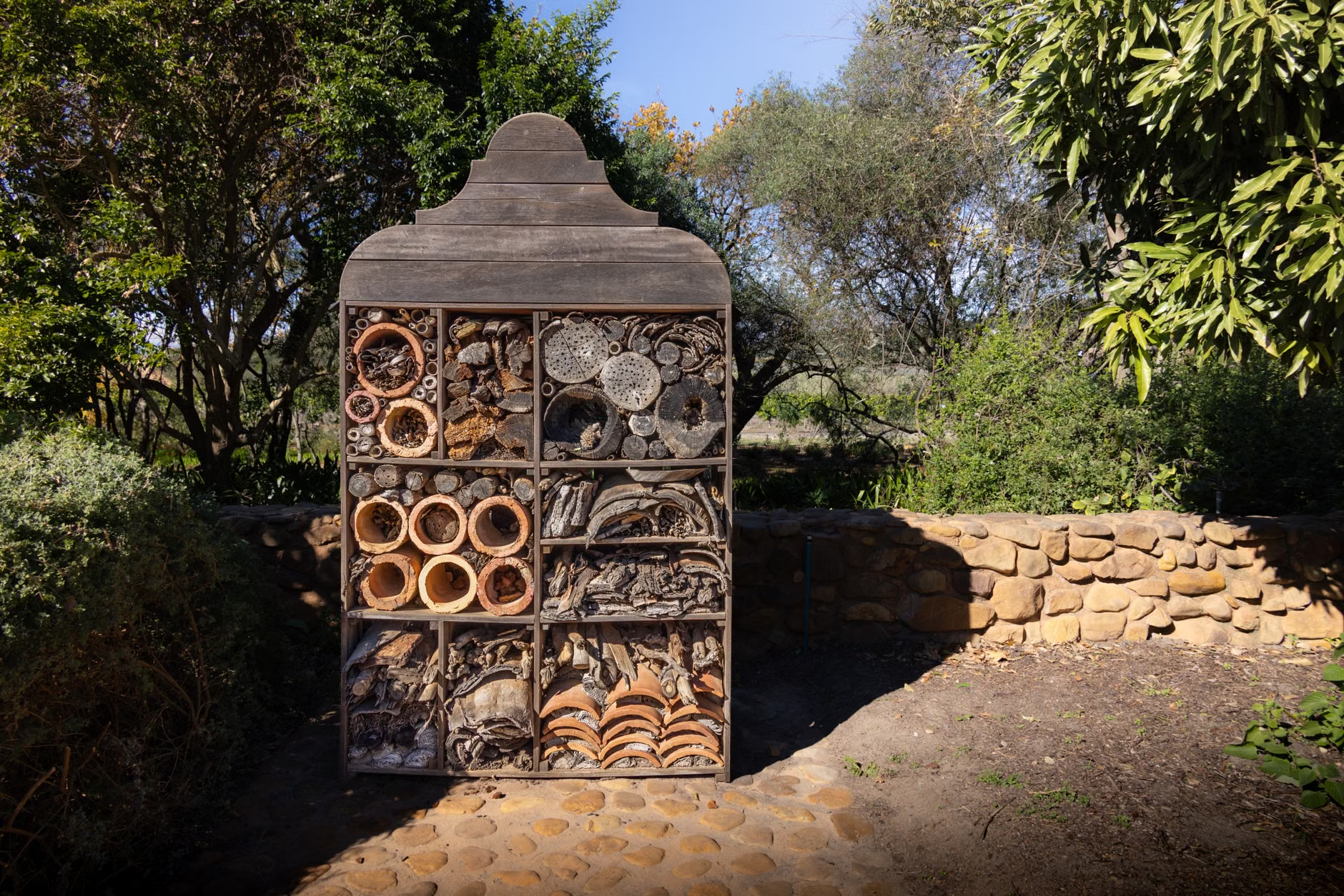
You do not need to travel to a forest to study insects. Your own garden, balcony, or a local park is an ecosystem teeming with life. To attract more insects for study, consider creating a “micro-habitat.” This can be as simple as leaving a small patch of lawn unmowed or installing an “insect hotel.”
An insect hotel is a small structure made of wood, bamboo, or pinecones that provides shelter for solitary bees and beneficial insects. These are not just for display; they are functional tools that allow you to observe the life cycles of insects from spring through autumn. By providing a home, you are essentially “inviting” your subjects to visit your observation station regularly.
Safety Note: When observing insects, always maintain a respectful distance. While most insects are harmless, some can sting or bite if they feel threatened. Avoid touching insects with your bare hands, especially if you are not 100% sure of the species. Use a small stick or a piece of paper to gently move an insect if necessary. If you have known allergies to insect stings, always keep your medication (such as an epinephrine autoinjector) within reach, even when gardening.
Participating in Citizen Science
One of the most rewarding aspects of this hobby is the ability to contribute to real scientific research. Many organizations run “citizen science” projects where amateurs can upload their observations to a global database. These databases help scientists track how climate change and urban development are affecting insect populations.
For example, if you observe a specific butterfly species in your area, documenting the date and location provides researchers with valuable data points. This gives your hobby a sense of purpose beyond personal enjoyment. You become part of a global network of observers. You can find local projects through organizations like the Citizen Science Association (US) or similar national bodies in your country. Always ensure the data you submit is accurate by cross-referencing your photos with official identification resources.
Entomology is a low-impact activity, but it still requires some physical awareness. You will likely spend time standing, bending, or sitting in a garden chair. If you have limited mobility, set up a permanent “observation chair” in a sunny, flower-rich part of your garden. This allows you to observe without needing to walk long distances or remain standing for extended periods.
If you choose to visit local parks, look for those with paved or well-maintained gravel paths. Avoid off-trail walking in dense brush, as this increases the risk of tripping or coming into contact with poison ivy or other irritants. Always carry a folding stool if you are unsure about the availability of benches. Pacing is key: 30 minutes of focused observation is far more beneficial than two hours of exhausting hiking.
The Importance of Ethical Observation
As you delve deeper into entomology, it is vital to practice ethical observation. This means prioritizing the well-being of the insects and their environment. Avoid disturbing nests, hives, or the natural debris that serves as a home for many insects. Do not collect specimens unless you are doing so within the guidelines of a local conservation group or university program. For the vast majority of hobbyists, “catch and release” or simply “observe and photograph” is the standard. Remember, the goal is to learn about the insect’s natural behavior, which you can only do if you leave it undisturbed.
Integrating Entomology into Daily Life
To turn this into a lasting hobby, integrate it into your existing routine. If you enjoy your morning coffee in the garden, make that your “observation time.” If you take a daily walk, bring your notebook and look for one new insect species each day. Consistency is the secret to cognitive benefits. By making the practice a small, habitual part of your day, you avoid the pressure of “having to go out and do science,” and instead, you simply live alongside the natural world.
Keep a “Life List” in your notebook. This is a simple list of all the different insects you have identified. Looking back at this list over the months provides a sense of accomplishment and allows you to track seasonal changes in your local environment. Seeing the first bumblebee of spring or the last moth of autumn connects you to the natural cycle of the year, which is a profoundly grounding experience.
Addressing Potential Challenges
You may encounter days when you see very few insects, especially in cooler weather or urban environments. Do not be discouraged. Use these times to observe the plants themselves, or to research the insects you saw on previous days. Also, remember that some insects are nocturnal. You might find that looking at your porch light at night reveals a completely different set of subjects than what you see during the day.
If you find the identification process overwhelming, reach out to local gardening clubs or natural history societies. They often have experts who are delighted to help beginners. Joining a group can also provide social benefits, turning a solitary hobby into a shared experience. However, ensure that any group you join follows safe and accessible practices suitable for your needs.
The Deeper Insight: Why Detail Matters
The true value of entomology for the older adult is not just in the naming of species, but in the practice of slowing down. In a world that often demands speed and immediate results, the study of insects forces you to operate at a different frequency. You have to wait for the butterfly to land. You have to wait for the light to hit the beetle’s wings correctly. This patience is a skill that translates into other areas of life, helping to manage stress and improve overall emotional regulation. It is a form of mindfulness, but one that is directed outward, toward the intricate beauty of the world, rather than inward at the self.
Conclusion
Learning basic entomology is a gateway to a more observant, engaged, and cognitively active life. It requires nothing more than curiosity and a willingness to look closely at the small things. By starting with simple tools, participating in local citizen science, and maintaining a patient, ethical approach, you can transform your backyard or local park into a lifelong classroom. The insects are waiting—all you need to do is step outside and start looking.
Frequently Asked Questions (FAQ)
1. Do I need to buy expensive equipment to start learning entomology?
No. You can start with just a magnifying glass and a simple notebook. As you gain more experience, you might choose to invest in a camera with a good macro lens or a specialized field guide, but these are optional. The most important tool is your own curiosity.
2. Is it safe for me to handle insects in my backyard?
Most insects are harmless, but it is best to avoid handling them directly. Use a small stick, a piece of paper, or simply observe them from a distance. If you have known allergies to stings, always keep your emergency medication with you and consult your doctor about necessary precautions for spending time outdoors.
3. How can I contribute to science as a beginner?
You can contribute by documenting your observations through platforms like iNaturalist. These platforms allow you to upload photos and locations of the insects you find, which researchers then use to track biodiversity and environmental changes. Always ensure your identifications are as accurate as possible before submitting.
For further reading and identification resources, visit the Entomological Society of America or your local national entomological society for regional guides and best practices.