- Prioritize Level Access: Not all funiculars are created equal; always verify if a station offers “level boarding” to avoid stairs or steep ramps that can challenge mobility.
- Check Station Infrastructure: Before departure, look for official transit maps that identify stations with elevators and tactile navigation, as historical funiculars often have hidden architectural barriers.
- Plan for Off-Peak Hours: Traveling mid-morning or mid-afternoon ensures you have ample time to navigate boarding without the pressure of crowds, protecting your stamina and safety.
Funiculars—those cable-driven railways designed to climb steep urban slopes—are often the highlight of a city trip. They offer breathtaking vistas and a unique perspective on urban geography. However, for travelers aged 60 to 80, the thrill of these rides can sometimes be dampened by concerns over accessibility, steep boarding platforms, and the physical stamina required to reach the stations themselves. This guide provides a practical framework for navigating these transit systems with confidence and comfort.
Understanding the Mechanics of Funicular Accessibility
A funicular operates on a counter-balanced system where two cars are attached to a single cable, moving up and down simultaneously. While the ride itself is generally smooth and slow-paced, the “accessibility” of a funicular refers to the entire journey from the street level to the seat. Understanding this helps you manage expectations and prepare for potential physical challenges.
The “Last Mile” Challenge: Most funicular stations are located on hillsides. The journey to the station often involves significant incline walking. Even if the funicular carriage is perfectly accessible, the path to the lower or upper station may be strenuous. Always research the “approach path” using satellite view maps or local transit authority accessibility guides.
Assessing Boarding Infrastructure
When evaluating a funicular, prioritize systems that have been modernized. Historical funiculars, while charming, often rely on tiered floors within the carriage to match the slope of the tracks. These internal steps are a common source of trips and falls.
| Feature | What to Look For | Why It Matters |
|---|---|---|
| Boarding Type | Level entry (no gap/step) | Crucial for those with reduced mobility or balance issues. |
| Station Access | Elevators or ramps from street level | Avoids climbing stairs before the actual ride begins. |
| Carriage Interior | Flat floor, handrails, seating | Ensures stability throughout the duration of the trip. |
If you encounter a funicular that requires climbing stairs to reach the platform, consider if you have the stamina to manage them safely. If the local transit authority lists a station as “partially accessible,” it often means there is an elevator, but it may be located at a distance from the main entrance. Always allocate an extra 15 minutes of “buffer time” to navigate these transfers.
Strategic Planning: The “Energy Budgeting” Method
Travel stamina is a finite resource. When planning a day involving funiculars, treat your energy as a budget. If you spend too much energy walking to the station, you will have less to enjoy the view at the summit.
Step-by-Step Energy Management:
- Select the Time: Aim for 10:00 AM to 11:30 AM or 2:00 PM to 3:30 PM. These windows avoid the morning and evening rush, ensuring you are not hurried by commuters.
- Verify Transit Links: Check if a bus or taxi can drop you off closer to the funicular entrance than a subway stop. Many older adults make the mistake of walking from a distant train station, only to arrive at the funicular already fatigued.
- Hydration and Rest: Carry a water bottle and wear comfortable, supportive footwear. If you use a walking aid, ensure it is collapsible or easy to stow in the designated luggage area of the funicular car.
Not every city has updated its infrastructure to modern accessibility standards. In many European and South American cities, funiculars are protected heritage sites, meaning they cannot always be retrofitted with elevators or level platforms. If you find yourself at a less-accessible station, you have three primary options:
- The Alternative Route: Check for a bus line that reaches the same summit. While you lose the funicular experience, you gain the ability to enjoy the view without the physical strain of challenging platforms.
- The Buddy System: If traveling with a companion, have them scout the boarding area first. They can verify if the staff is willing to assist with manual boarding or if there are specific quiet carriages that are easier to access.
- The “Off-Peak” Strategy: If a station is crowded, the pressure to board quickly is high. By arriving during the absolute quietest time of the day, you can board at your own pace without feeling like you are holding up a line.
Safety Protocols for Senior Travelers
Safety is not just about avoiding falls; it is about maintaining your balance and situational awareness. When the funicular begins its ascent or descent, the shift in gravity can feel disorienting. Always take a seat immediately upon boarding. Even if the ride is short, the incline can cause sudden shifts in balance.
Checklist for Safe Boarding and Alighting
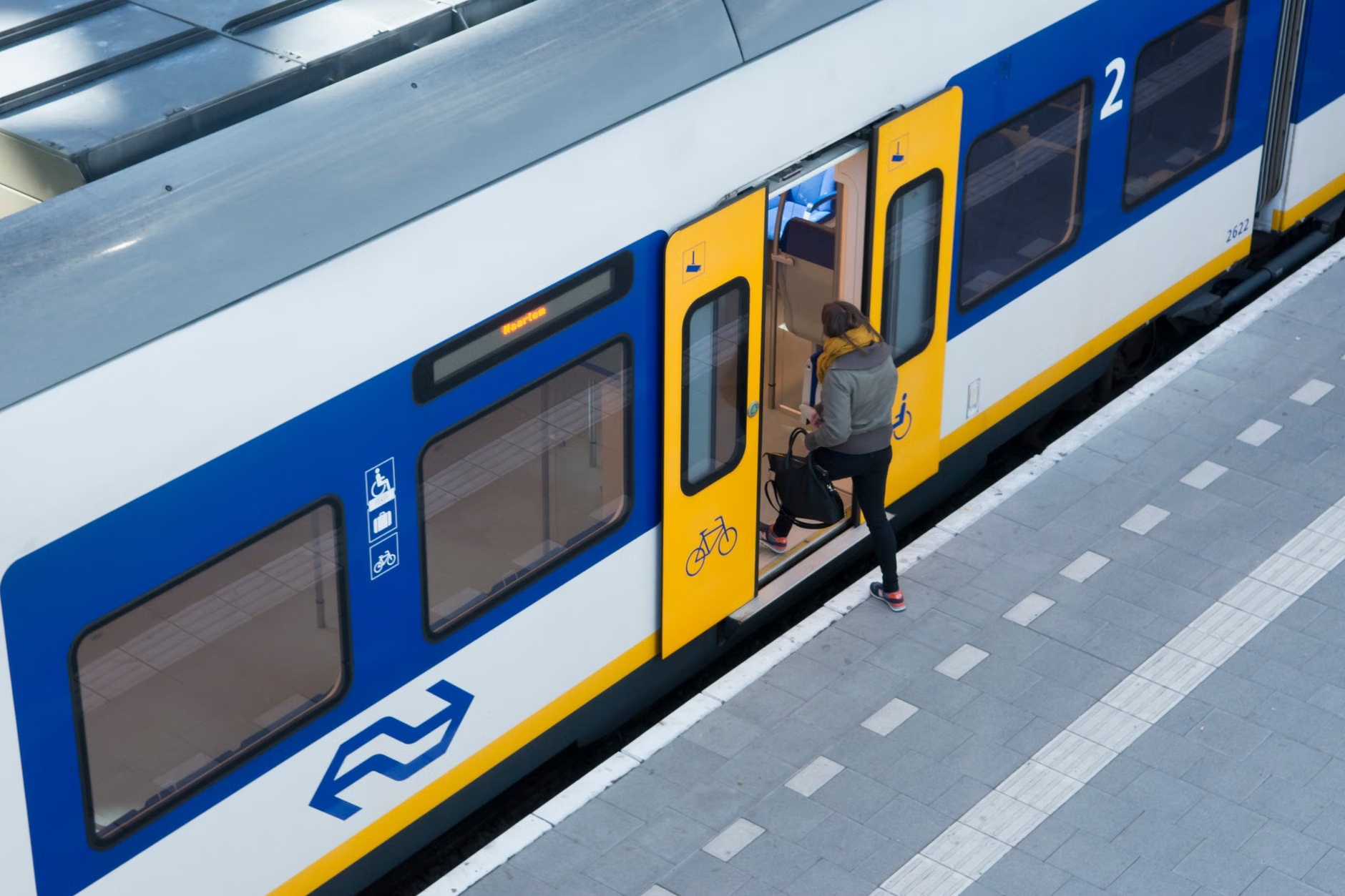
- Wait for the Stop: Never attempt to board or alight until the carriage has come to a complete halt. Doors on funiculars can sometimes be manually operated or timed differently than standard trains.
- Identify the Emergency Stop: Take a quick look for an emergency intercom or button inside the cabin. Knowing where it is provides peace of mind.
- Mind the Gap: Because funiculars often operate on curves or steep inclines, the “gap” between the platform and the carriage can vary. Look down before you step.
- Stow Luggage: If you are carrying a daypack, keep it in front of you or between your feet to maintain your center of gravity.
Leveraging Digital Tools and Public Information
Modern transit apps have become the best friend of the senior traveler. However, they are not always perfectly accurate regarding elevator outages or temporary maintenance. Before you leave your accommodation, perform a “double-check” using these methods:
- Check the Official Website: Most city transit authorities (such as the RATP in Paris, TFL in London, or local municipal transport boards) have a “Real-time Accessibility” section.
- Call the Station: If you are unsure about the steepness of an approach, a quick call to the station or the transit information office can provide the most current information.
- Use Satellite Maps: Use online map services to look at the street view of the station entrance. This allows you to see the actual incline of the sidewalk leading to the station—often, a “flat” map hides a steep hill.
Understanding the Role of Staff and Assistance
In many regions, funicular staff are trained to assist passengers with mobility requirements. Do not hesitate to signal for assistance. If you have a hidden mobility challenge, such as a heart condition or severe arthritis, you are entitled to ask for a slower boarding process. Most operators would prefer you take an extra minute to board safely than to have an incident on the platform.
When to ask for help:
- If the gap between the platform and the car is wider than 10 centimeters (4 inches).
- If you feel disoriented by the steepness of the platform.
- If you are traveling alone and need assistance with a folding mobility aid.
The Importance of Pacing and Recovery
The most common mistake among senior travelers is the “back-to-back” itinerary. If you plan to take a funicular to a scenic viewpoint, do not schedule a museum visit or a long walking tour immediately afterward. Funicular travel involves changes in altitude, which can impact blood pressure and energy levels. Allow at least 60 minutes of “low-activity” time—such as sitting in a cafe or resting at your accommodation—after a funicular excursion.
Furthermore, consider the weather. Funiculars are often located in high-altitude or exposed areas. The temperature at the top of a funicular line can be 3 to 5 degrees Celsius (5 to 9 degrees Fahrenheit) lower than at the base. Always carry a light jacket, even if it feels warm at the bottom, to prevent the fatigue associated with temperature regulation stress.
Conclusion: Empowering Your Journey
Funiculars are a fantastic way to see the world, providing access to heights and views that would otherwise require hours of strenuous hiking. By shifting your focus from “how many attractions can I see” to “how can I experience this comfortably,” you transform your trip from a physical challenge into a relaxed adventure. Remember, the goal is to enjoy the destination, not just to reach it. Take your time, use the resources available, and prioritize your comfort at every step of the journey.
Frequently Asked Questions
Q: Are funiculars safe for travelers with heart conditions or vertigo?
A: While funiculars are mechanically very safe, the steep incline can cause a sensation of vertigo for some. If you are prone to vertigo, aim for a seat in the middle of the carriage facing away from the windows, or choose a carriage that is not at the very front. If you have a heart condition, consult your physician about your travel plans, and always ensure you are well-hydrated and have taken your prescribed medications before undertaking a trip involving significant altitude changes.
Q: Can I take my mobility scooter or wheelchair on a funicular?
A: It depends on the specific funicular. Modern, renovated funiculars are usually wheelchair-accessible, but older, narrow-gauge systems may have weight or width restrictions. Always check the specific funicular’s official website for “accessibility specifications.” Look for terms like “wheelchair accessible” or “step-free access.” If the site is vague, contact the transit authority directly before your trip.
Q: Is there a discount for senior travelers on funicular fares?
A: Many cities offer significant discounts for seniors (usually aged 60, 65, or 70+). These discounts are often part of a general transit pass or a specific tourist card. Always carry a government-issued photo ID as proof of age. In some countries, you may need to register for a specific “senior transit card” in advance, so check the official municipal transport website at least two weeks before you travel.
Official transit accessibility information is often updated. For your next trip, check the official websites of the local transport authority in your destination city. For example, for European travel, the European Commission’s transport accessibility portal provides a general overview of rights and standards.