- Ergonomics matter: 2026 standards prioritize chairs with firm, high-density foam and sturdy armrests that assist in the transition from sitting to standing.
- Spatial planning: Modern libraries are moving toward “universal design,” ensuring that seating areas are wide enough for walkers and wheelchairs, with clear, unobstructed pathways.
- Personalization: You can now advocate for better library facilities by requesting specific features like adjustable-height tables and glare-reducing lighting in community feedback sessions.
As we move into 2026, public libraries are undergoing a significant transformation in how they accommodate older adults. No longer just repositories for books, these spaces are evolving into vital community hubs that prioritize physical accessibility and inclusive design. For adults aged 60 to 80, the quality of library seating is not merely a matter of comfort—it is a fundamental requirement for maintaining social connection, digital engagement, and lifelong learning.
This article examines the current trends in age-inclusive library seating, why these design choices matter for your daily wellbeing, and how you can identify and utilize these improved facilities in your local community.
1. The Shift Toward Universal Design in Public Spaces
Universal design is an architectural movement that ensures environments are accessible to all people, regardless of age or physical ability. In the context of 2026, this means that library seating is no longer designed for “the average user,” but for a spectrum of mobility levels. The core objective is to reduce the physical strain of sitting, reading, and moving within the library environment.
What defines “Age-Inclusive” Seating?
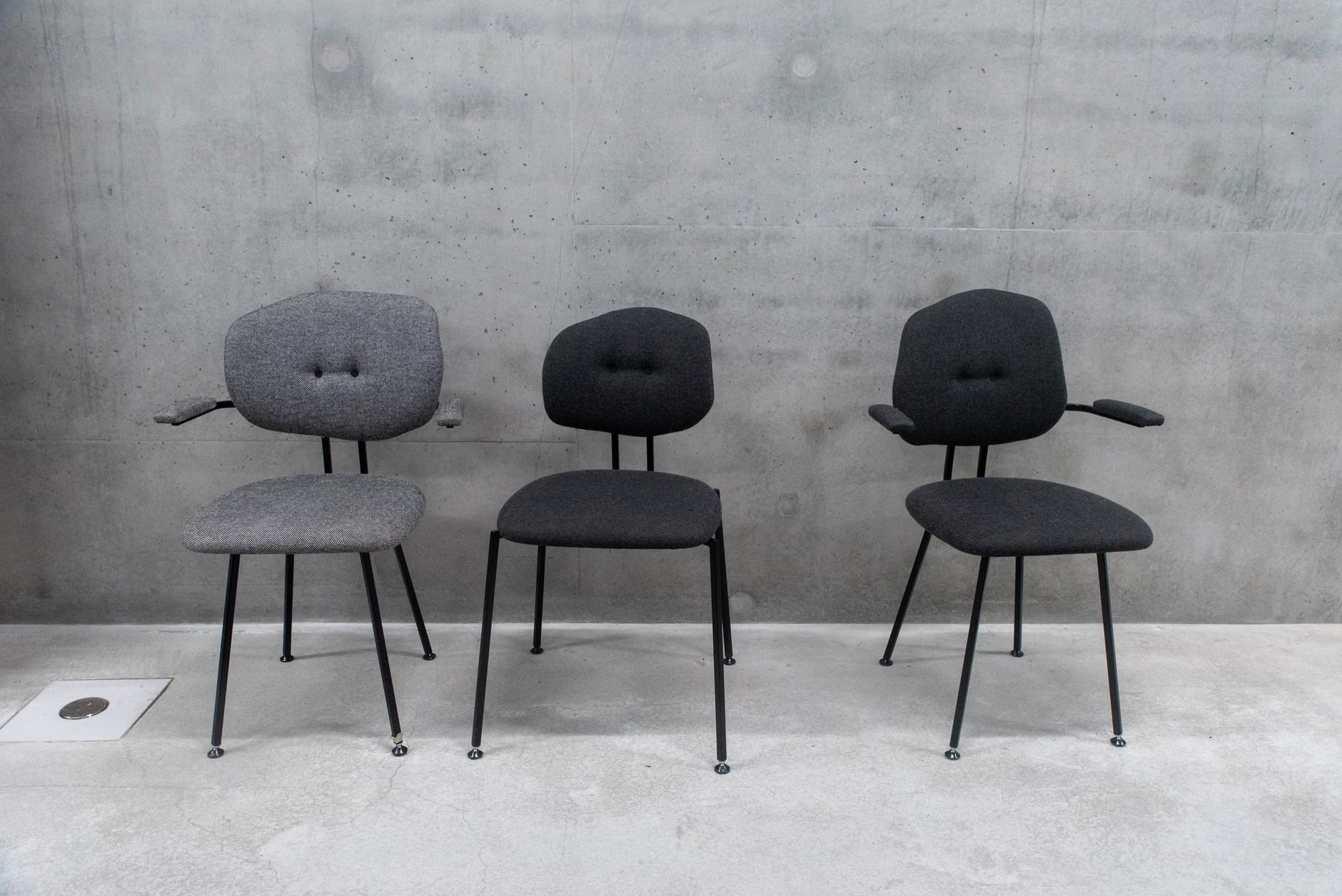
In the past, library seating often featured low, deep-cushioned chairs that were difficult to exit. Current trends have shifted toward “active support” furniture. This includes chairs that are slightly higher off the ground, feature firm armrests that extend to the front edge of the seat, and utilize fabric textures that provide grip rather than slippery surfaces.
Why does this matter? For many older adults, the struggle to rise from a chair is a common source of fatigue or apprehension. By standardizing seat heights at approximately 18 to 20 inches (45–50 cm) and ensuring armrests are sturdy enough to support the full weight of the user, libraries are removing a common barrier to participation. When a chair is designed correctly, it allows you to maintain your balance and posture, reducing the risk of strain on your knees and lower back.
Real-Life Application: What to Look For
When visiting your local library, look for these markers of modern, inclusive design:
- Firmness: The seat cushion should not sink more than an inch or two under your weight. Soft, deep cushions are often harder to stand up from.
- Armrest Placement: Armrests should be positioned to allow your elbows to rest comfortably at a 90-degree angle, providing leverage when you need to stand.
- Table Clearance: If you are using a table, ensure there is at least 28 inches of knee clearance so you can pull your chair close without bumping your legs.
The best chair in the world is useless if you cannot reach it comfortably. 2026 design standards emphasize “clear navigation paths.” This is a significant improvement over older layouts that often featured cluttered aisles or narrow gaps between study carrels.
Defining the “Clearance Standard”
Modern accessibility guidelines, such as those promoted by the ADA (Americans with Disabilities Act) in the U.S. and similar international standards like ISO 21542, suggest that main thoroughfares in public buildings should be at least 36 inches (approx. 90 cm) wide. In 2026, many libraries are exceeding this, aiming for 48 inches to accommodate not just wheelchairs, but also walkers, canes, and two people walking side-by-side.
If you use a mobility aid, the “turning radius” is a crucial factor. Designers now ensure that seating areas have dedicated “parking zones” for walkers or wheelchairs near the tables. This prevents the common mistake of leaving an aid in the middle of a walkway, which creates a trip hazard for others and limits your own access to the table.

The “Stamina Management” Variable
One often overlooked aspect of library design is the proximity of seating to restrooms and exits. In 2026, progressive library designs are incorporating “rest nodes”—small seating areas placed at regular intervals along long corridors. This reflects an understanding of stamina management, allowing you to pause, rest, and recover during your visit without feeling compelled to rush through your activities.
3. Digital Accessibility and Ergonomic Workstations
As libraries provide more digital services—such as tax filing assistance, government service portals, and online learning—the furniture at these workstations must support longer periods of use. The trend for 2026 is the adoption of height-adjustable “sit-stand” desks for public use.
Why Height-Adjustable Desks are a Game Changer
Fixed-height desks are inherently exclusionary. They are either too low, causing neck strain as you look down at a screen, or too high, forcing your shoulders to hunch. A height-adjustable desk allows you to set the monitor at eye level, which is critical for reducing eye fatigue and neck pain.
When using these stations, consider the following checklist:
| Feature | Purpose |
|---|---|
| Monitor Eye-Level | Reduces strain on the cervical spine (neck). |
| Keyboard Tray | Keeps wrists neutral to prevent carpal tunnel symptoms. |
| Lumbar Support | Maintains the natural curve of the lower back. |
The most effective way to use these stations is to alternate your posture. Even if you are comfortable, shifting your position every 30 to 45 minutes helps maintain circulation and prevents muscle stiffness.
4. Understanding Your Rights and Advocating for Improvements
In many regions, public libraries are legally required to provide “reasonable accommodation.” While this phrase is often associated with employment or housing, it applies equally to public services. If your local library lacks accessible seating, you are within your rights to provide constructive feedback to the facility manager or the local municipal board.
How to Request Improvements
When approaching the library staff, be specific about the barrier. Instead of saying, “The chairs are uncomfortable,” try a more actionable approach: “The current seating in the periodical section is too low and lacks armrests, which makes it difficult for many seniors in our community to use the space safely. Could we explore adding a few chairs with firmer cushions and higher armrests?”
By framing the request around safety and inclusivity, you are more likely to see results. Many libraries have a “Capital Improvement Fund” or “Furniture Refresh Budget” that is allocated annually. Your input can help them prioritize where to spend those funds.
5. Managing Your Library Experience: A Practical Guide
To make the most of your library visits in 2026, consider these strategies for ensuring your comfort and safety:
- Pre-Visit Planning: Many libraries now have 3D virtual tours on their websites. Use these to check the layout, the type of seating available, and the distance from the parking area to the entrance.
- Off-Peak Scheduling: If you prefer a quieter environment, call the library to ask about their least busy hours. This ensures you have your pick of the best, most ergonomic seating before it is taken.
- Personal Ergonomic Aids: Even in well-designed spaces, you may find that a small, portable lumbar cushion makes a significant difference. Do not hesitate to bring your own support tools if they help you stay comfortable for longer periods.
- Communication with Staff: Do not be afraid to ask for assistance. Librarians are trained to support all patrons and can often help you move a chair or relocate to a more accessible workstation.
6. Addressing Common Misconceptions
A common misconception is that “accessible design” is only for those with severe mobility impairments. In reality, inclusive seating benefits everyone. For instance, a chair that is easy to stand up from is also easier for a parent with a child in their arms or someone carrying a heavy bag of books. By advocating for better seating, you are improving the library for the entire community.
Another myth is that ergonomic furniture is prohibitively expensive. While high-end designer office chairs are costly, the commercial furniture market has responded to the aging population by creating durable, affordable, and stylish options that meet the needs of public institutions. The 2026 trend is not about luxury; it is about durability and functional design.
Conclusion: The Future of Community Spaces
The evolution of public library seating in 2026 is a reflection of a broader societal commitment to keeping older adults active, engaged, and independent. By focusing on ergonomic support, clear navigation, and digital accessibility, libraries are becoming safer and more welcoming environments for everyone.
As a community member, your role is to remain informed and proactive. Whether you are using these resources for research, social interaction, or leisure, remember that your comfort is a legitimate priority. By choosing the right seating, utilizing available adjustments, and communicating your needs, you can ensure that your local library remains a cornerstone of your daily life for years to come.
Frequently Asked Questions (FAQ)
1. Can I bring my own chair or seating cushion to the public library?
Yes, in almost all public libraries, you are welcome to bring your own portable lumbar support or seat cushion. However, bringing your own chair is generally discouraged due to space limitations and safety regulations regarding fire exits and aisle clearance. If you have a specific medical need, it is best to speak with the library manager to see if they can accommodate your requirements.
2. How do I find out if my local library has accessible seating?
The most direct way is to visit the library’s website and look for an “Accessibility” or “Facilities” page. If this information is not available, a quick phone call to the circulation desk is usually effective. Ask specifically: “Do you have chairs with armrests and firm backs available in the reading area?”
3. What should I do if the library’s seating is consistently causing me pain?
If you find that the available seating is consistently uncomfortable or physically challenging, submit a written feedback form to the library administration. Clearly describe the issue—such as “low seat height” or “lack of back support”—and explain how it limits your ability to use the library’s services. Public libraries are public services, and they are typically responsive to community requests for improved accessibility.
Official guidance on accessibility standards can be found via the U.S. Access Board or your local government’s equivalent accessibility authority.