- Cognitive Engagement: Book binding combines fine motor skill practice with complex spatial reasoning, acting as a “mental gym” that maintains neural pathways.
- Social Infrastructure: Unlike solitary hobbies, community book binding creates a shared goal, which naturally lowers social barriers and encourages long-term peer mentorship.
- Practical Accessibility: The craft is highly adaptable to physical needs, allowing participants to choose between simple pamphlet stitching or complex case binding based on their current stamina and dexterity.
The Art of the Archive: Why Book Binding Resonates in the Digital Age
In an era dominated by scrolling through screens and fleeting digital interactions, the physical act of creating a book offers a profound sense of grounding. For adults aged 60 to 80, book binding—the craft of assembling a book from individual sheets of paper—is more than just a hobby; it is a discipline that bridges the gap between artistic expression and structural engineering.
The beauty of this craft lies in its tactile nature. When you bind a book, you are participating in a tradition that spans centuries. You are measuring, cutting, folding, and stitching. This process requires a specific type of focus that quietens the “background noise” of daily life, providing a meditative state often referred to as “flow.” By joining a community of fellow binders, you are not just learning a technique; you are entering a social ecosystem that prioritizes patience, precision, and mutual support.
The Cognitive and Physical Benefits of Structural Crafting
Book binding is a complex task that demands coordination between the eyes, the hands, and the brain. It is an ideal activity for maintaining fine motor skills, which can naturally decline if not regularly exercised. However, the benefits extend far beyond dexterity.
1. Enhancing Fine Motor Control and Hand-Eye Coordination
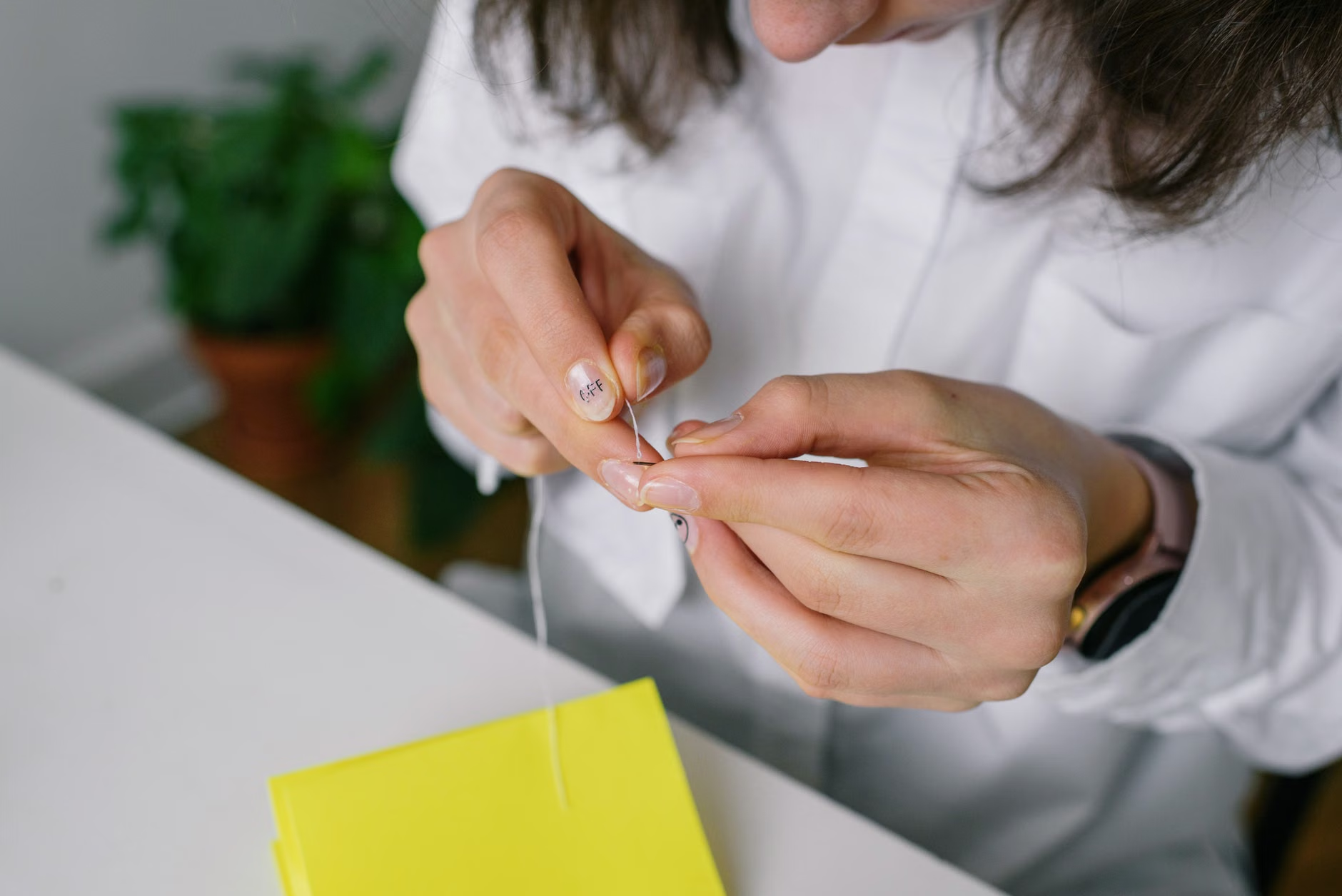
The repetitive motions involved in using an awl (to pierce paper), threading a needle, and using a bone folder (to crease paper) require precision. Unlike activities that are purely decorative, book binding is unforgiving of poor alignment. This forces the brain to calculate spatial relationships constantly. If you notice your hands feeling “stiff” or less responsive, the gentle, rhythmic engagement of bookbinding can act as a form of physical therapy that is both functional and rewarding.
2. Promoting Cognitive Flexibility
Every bookbinding project is a problem-solving exercise. You must decide on the grain of the paper, the tension of the thread, and the structural integrity of the spine. When you encounter a technical issue—such as a signature that won’t lay flat—you must analyze the cause and implement a fix. This type of “active learning” is one of the most effective ways to support neuroplasticity, the brain’s ability to form new neural connections throughout life.
3. The “Flow State” and Stress Reduction
Psychologists define “flow” as a state of complete immersion in an activity. Because bookbinding requires you to focus on the immediate task (e.g., ensuring a stitch is tight), it effectively pushes aside worries about the future or regrets about the past. This provides a mental break that is essential for long-term emotional wellbeing.
Building a Community: Why the “Group” Aspect Matters
While you can certainly learn to bind books at home, the true value of this hobby is amplified in a community setting—such as a local library workshop, a community college class, or a dedicated makerspace. Loneliness is a significant health risk for older adults, and solitary hobbies, while enjoyable, do not always provide the necessary social scaffolding to combat it.
In a community bookbinding group, the dynamic is different. You are working toward a common goal, but each person’s project is unique. This creates a “low-stakes” environment for social interaction. You don’t need to force conversation; the conversation happens naturally around the tools, the materials, and the challenges of the craft. “Can I borrow your awl?” or “How did you manage that corner fold?” are perfect icebreakers that lead to genuine connection.
The Role of Peer Mentorship
One of the most overlooked aspects of community crafting is the “knowledge transfer.” In a diverse group, you will find people with different life experiences. Some may be expert crafters, while others are absolute beginners. This creates a natural mentorship structure where participants feel valued for their contributions, whether that is teaching a stitch or simply offering encouragement. This sense of being a “contributor” is vital for maintaining self-esteem and a sense of purpose in retirement.
Getting Started: A Practical Guide for Beginners
If you are interested in exploring book binding, you do not need to invest in an expensive professional studio. You can start with basic tools and a few simple techniques. The following table outlines the equipment you might need, categorized by the level of commitment.
| Tool | Purpose | Suitability |
|---|---|---|
| Bone Folder | Creasing paper and smoothing folds. | Essential for all levels. |
| Awl | Piercing holes for sewing signatures. | Essential for precision. |
| Waxed Linen Thread | Binding the pages together. | Sturdy and easy to handle. |
| Cradle/Jig | Holding signatures for alignment. | Recommended for those with arthritis. |
A Note on Accessibility: If you have limited grip strength or arthritis, look for tools with ergonomic, thick handles. Many bookbinding supply stores now offer “senior-friendly” or “ergonomic” versions of traditional tools. Additionally, using a “cradle”—a wooden trough that holds your paper in place—can significantly reduce the strain on your hands, allowing you to focus on the stitching rather than holding the materials steady.
It is common for beginners to be overly ambitious. The most frequent mistake is starting with a complex “Hardcover Case Binding” project. This involves glue, precise measurements, and drying times that can be frustrating for a first-timer.
Recommendation: Start with a “Pamphlet Stitch” or a “Japanese Stab Binding.” These projects can be completed in a single session, providing an immediate sense of accomplishment. Once you have mastered the basic stitch, you can move on to more complex structures like the “Coptic Stitch” or “Secret Belgian Binding.”
Safety and Ergonomics
When working on your projects, keep these three safety rules in mind:
- Lighting: Ensure you have a high-intensity LED desk lamp. Good visibility is not just about quality; it prevents eye strain and reduces the risk of cutting errors.
- Posture: Book binding can involve leaning over a table for extended periods. Every 20 minutes, stand up, stretch your shoulders, and look at a distant object to reset your eyes.
- Tool Care: Always keep your sharp tools (like scalpels or awls) in a designated block. Never leave a needle loose on the table.

Integrating Book Binding into Your Daily Life
To make this hobby sustainable, treat it as a scheduled appointment rather than a “whenever I feel like it” task. If you are joining a community group, the schedule is likely set for you. If you are practicing at home, try to dedicate a specific “crafting corner.”
Think about the “output” of your hobby. Many people find it rewarding to bind books for specific purposes: creating journals for grandchildren, preserving family recipes, or organizing personal sketches. When your hobby produces a tangible object that serves a purpose, the satisfaction is doubled. You are not just making a book; you are archiving a part of your life or creating a gift that carries the weight of your time and effort.
The Hidden Inconvenience: Space and Storage
One reality of book binding is that it requires table space. Unlike knitting, which you can do in an armchair, book binding needs a flat, stable surface. If you have limited space, consider using a large cutting mat that can be rolled up or stored under a sofa. Avoid using your dining table if you plan to use glues or sharp blades, as these can damage wooden surfaces. A dedicated folding table is an excellent, low-cost investment that provides the height and stability you need for long-term comfort.
Conclusion: The Lasting Value of the Handmade
Community book binding offers a rare combination of cognitive stimulation, physical engagement, and social belonging. By focusing on the structural beauty of the book, you are engaging in a practice that honors both history and the present moment. Whether you are looking to sharpen your mind, find a new social circle, or simply create something beautiful with your own hands, this craft provides a pathway to a more enriched daily life.
Your next step is simple: check your local library or community center for “book arts” or “bookbinding” workshops. If none are available, look for online communities or “Bookbinding Guilds” that often host virtual sessions. Start small, focus on the process rather than the perfection of the product, and enjoy the quiet satisfaction of a well-made book.
Frequently Asked Questions (FAQ)
1. Is book binding difficult for someone with arthritis?
While the craft requires manual dexterity, it is highly adaptable. Using ergonomic tools with thicker grips, utilizing a wooden cradle to hold paper, and choosing simpler binding styles (like the pamphlet stitch) can significantly reduce physical strain. Always listen to your hands and take frequent breaks.
2. How much does it cost to start book binding?
You can begin with a “starter kit” for approximately $30–$50 USD. This typically includes an awl, a bone folder, a needle, a small amount of thread, and a cutting mat. Paper and decorative covers can be sourced from recycled materials or inexpensive craft stores, keeping long-term maintenance costs very low.
3. Do I need to be artistic to enjoy book binding?
Not at all. Book binding is primarily a technical and structural craft. If you enjoy puzzles, woodworking, or organizing, you will likely find the logical progression of book binding very rewarding. The aesthetic choices—such as paper color or thread style—are secondary to the satisfaction of the mechanical process.
For further information on local crafting groups and accessibility resources, you may consult your local municipal community services portal or the Center for Book Arts (a global resource for learning the craft).