- Safety First: Never consume any mushroom unless you are 100% certain of its identity. When in doubt, leave it in the ground.
- The “Observe, Don’t Collect” Rule: Foraging is a meditative hobby; you can enjoy the beauty and study of mushrooms without ever needing to harvest them.
- Physical Preparedness: Always prioritize uneven terrain management and bring a companion or share your location to ensure safety during outdoor excursions.
Foraging for wild mushrooms is a hobby that combines the gentle physical activity of walking with the intense mental engagement of pattern recognition and observation. For those in their 60s to 80s, it offers a way to reconnect with the seasonal rhythms of the forest. However, unlike picking berries or flowers, mushroom foraging carries significant risks if approached without rigorous caution. This guide focuses on the “mindful” aspect of mushroom identification—the practice of observing, documenting, and learning—which is just as rewarding as the harvest itself.
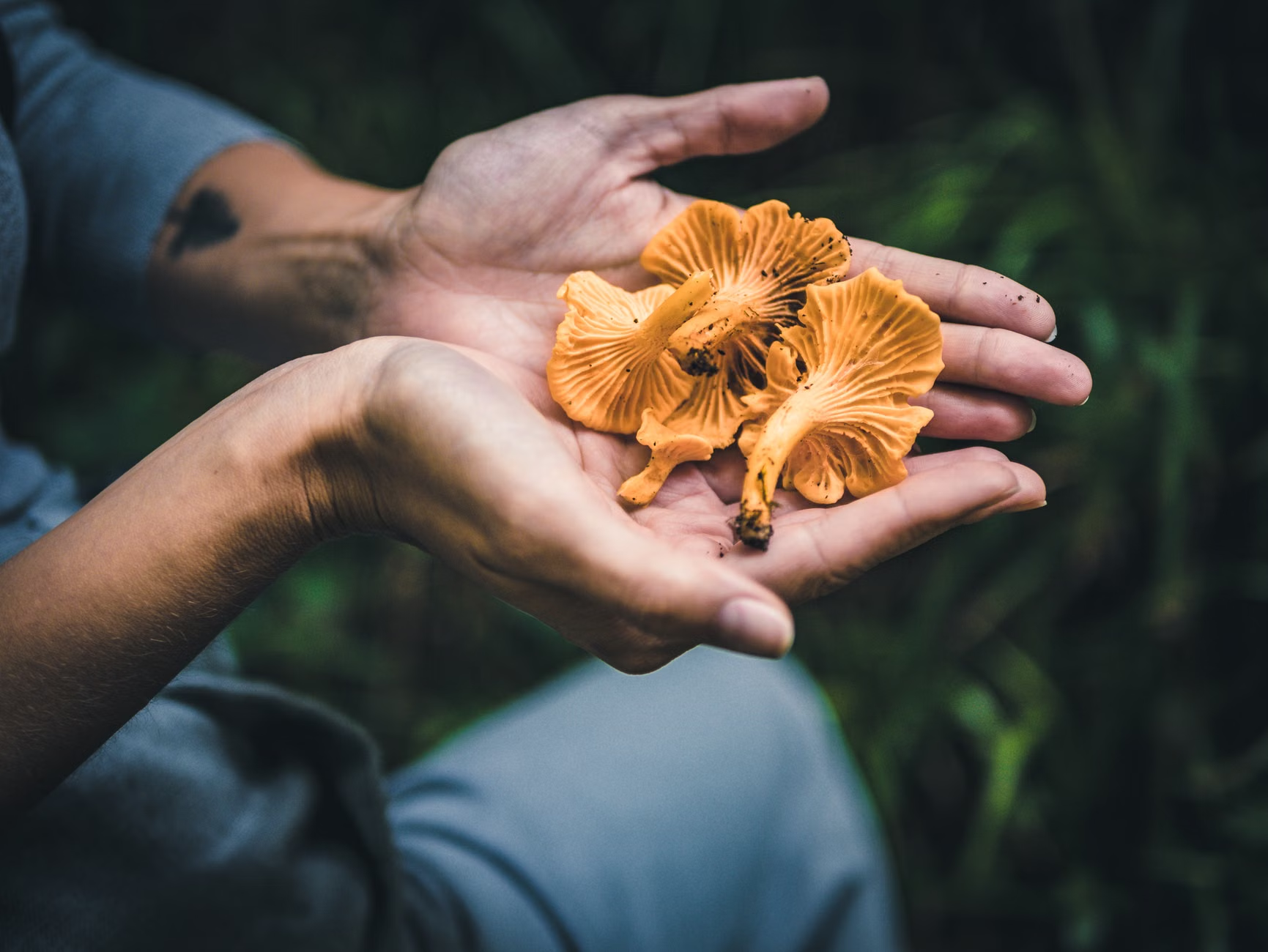
1. The Philosophy of Mindful Foraging
Mindful foraging is not about filling a basket; it is about the “hunt” for knowledge. By shifting your goal from consumption to identification, you remove the pressure to harvest and eliminate the risks associated with misidentification. Many experienced foragers find that spending three hours in the woods to identify five species of fungi provides more cognitive stimulation than simply picking a basket of common mushrooms.
This hobby encourages a slow pace, which is ideal for those managing their stamina. It involves scanning the forest floor, examining the texture of tree bark, and noting the specific environment—whether the mushroom is growing on wood, soil, or near specific types of trees. This level of environmental awareness is a powerful tool for maintaining cognitive sharpness.
2. Essential Tools for the Responsible Forager
You do not need expensive equipment to begin, but having the right tools makes the process safer and more enjoyable. Think of these as your “field laboratory” kit.
| Tool | Purpose | Why it matters for seniors |
|---|---|---|
| Sturdy Walking Stick | Stability on uneven terrain | Provides a third point of contact, reducing strain on knees and hips. |
| Magnifying Glass | Close-up identification | Essential for seeing fine details like gill attachment or spore patterns without bending too low. |
| Field Guide/App | Comparison and verification | Acts as an objective reference to prevent reliance on memory alone. |
| Mesh Bag | Spore dispersal | Allows spores to fall out while you walk, supporting the local ecosystem. |
When selecting a field guide, prioritize books specific to your geographic region. A guide for mushrooms in North America, for instance, will be largely useless if you are foraging in Europe or Australia. Look for books that include clear, high-resolution photographs of mushrooms at different stages of growth—from “button” (young) to mature.
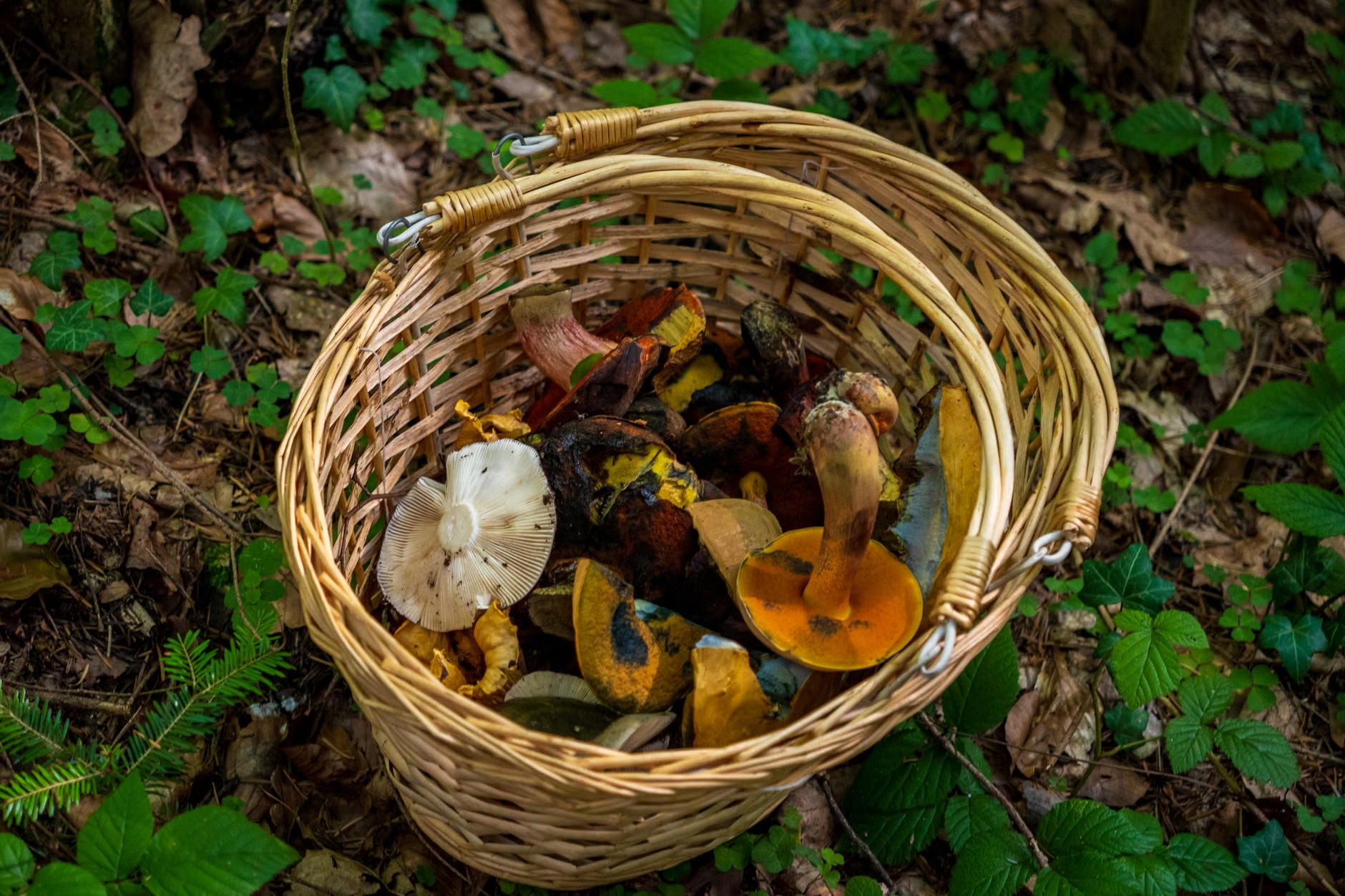
3. The Anatomy of Identification: A Step-by-Step Approach
Identifying a mushroom is a process of elimination. You are essentially acting as a detective, ruling out possibilities until only one remains. Never identify a mushroom by a single feature; always look for a combination of signs.
Step 1: The Habitat
Note where the mushroom is growing. Is it on a dead log, or directly out of the soil? If it is on the soil, is it near an oak tree, a pine, or a birch? Many fungi have symbiotic relationships with specific trees. If you find a mushroom that looks like a species associated with pine, but it is growing under a maple, you have likely identified it incorrectly.
Step 2: The Cap and Gills
Look at the top of the cap. Is it slimy, dry, or velvety? Turn the mushroom over. Do you see gills (blade-like structures), pores (a sponge-like surface), or teeth? This is where your magnifying glass is vital. Some gills are attached to the stem, while others are “decurrent,” meaning they run slightly down the stem. This specific attachment is a key identifier.
Step 3: The Spore Print
If you are serious about identification, you will eventually perform a spore print. This involves placing the mushroom cap, gill-side down, on a piece of paper (half-white and half-black) for several hours. The resulting dust pattern—the spores—is a unique fingerprint for the species. Many mushrooms that look identical to the naked eye have vastly different spore colors.
4. Managing Safety and Mobility in the Forest
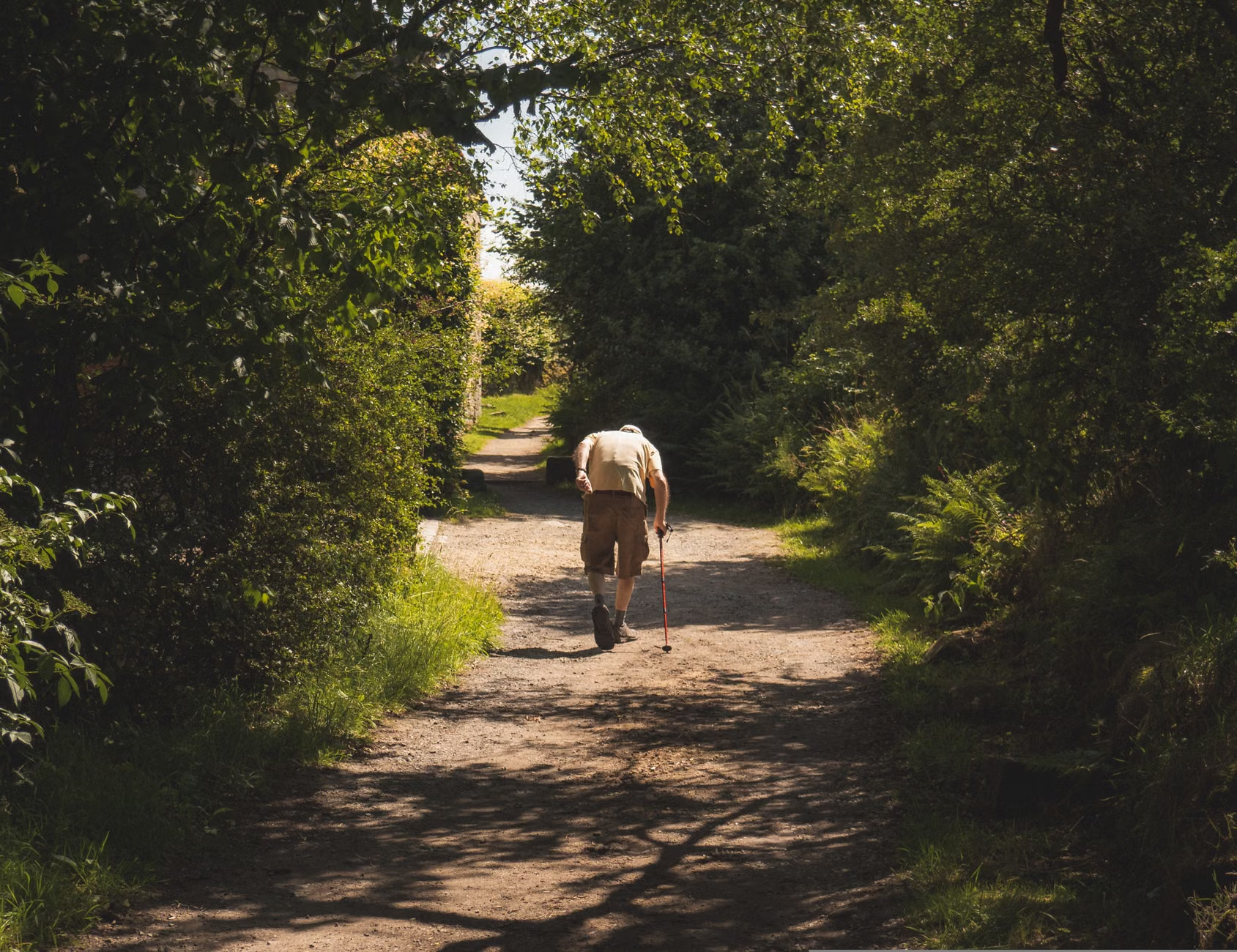
Safety is the primary concern for any outdoor activity. When foraging, you are often looking down, which can lead to tripping or losing your sense of direction.
- The Buddy System: Always forage with a partner. If you prefer solo time, ensure a family member or friend knows your specific route and your expected return time. Use a GPS-enabled phone, but do not rely on it if you are in a remote area with poor signal.
- Terrain Awareness: Avoid foraging immediately after heavy rain when trails are slippery. Focus on flat, well-maintained paths. If you have mobility concerns, choose local botanical gardens or managed parks where trails are paved or graveled.
- The “Look-Up” Rule: For every five minutes you spend looking down at the ground, spend one minute looking up to reorient yourself. This prevents vertigo and helps you keep track of your surroundings.
The most dangerous aspect of foraging is overconfidence. Many toxic mushrooms, such as the Amanita phalloides (Death Cap), can look remarkably similar to edible species at certain stages of their life cycle.
Common Misconceptions:
- “If animals eat it, it’s safe for humans.” This is false. Many animals have digestive systems that can process toxins which are lethal to humans.
- “If I cook it thoroughly, it will be safe.” This is false. Many mushroom toxins are heat-stable and cannot be destroyed by boiling, frying, or baking.
- “Silver spoons turn black if a mushroom is poisonous.” This is a dangerous myth with no basis in science.
If you are interested in the culinary side of foraging, the safest approach is to join a local mycological society. These organizations often host “foray” events led by experts who can verify your finds. Learning from a mentor is infinitely safer than learning from a book or an internet search.
6. The Environmental Impact: Ethical Foraging
As a forager, you are a steward of the forest. The mushroom you see is merely the “fruit” of a much larger organism, the mycelium, which lives underground.
To ensure the forest remains healthy:
- Do not over-harvest: Take only what you need and leave the rest for wildlife and the forest’s reproductive cycle.
- Use a mesh bag: As you walk, the spores will drop out of your basket and reseed the forest. This is a simple way to contribute to the growth of future fungi.
- Respect the habitat: Do not tear up the moss or disturb the soil around the base of the mushroom. Use a small knife to cut the mushroom at the base rather than pulling it up by the roots.
7. Incorporating Foraging into a Healthy Lifestyle
Foraging is an excellent “low-impact” cardiovascular activity. It encourages you to walk for longer distances than you might on a standard walk because the “treasure hunt” aspect keeps you motivated. To make this a sustainable hobby, consider the following:
- Preparation: Check the weather forecast 24 hours in advance. Dress in layers to account for changes in temperature as you move between shaded forest areas and open patches.
- Hydration and Nutrition: Carry a small backpack with water and a light snack. Even if you only plan to be out for an hour, your energy levels can fluctuate, and being prepared prevents fatigue.
- Post-Foray Care: If you have been walking on uneven ground, perform gentle calf and hamstring stretches once you return home to prevent stiffness.
8. Connecting with the Community
If you find that identification is becoming a passion, look for your local mycological society. These groups are often composed of individuals of all ages who share a deep interest in nature. They provide a social outlet that is intellectually stimulating and physically active. Many of these groups offer workshops specifically designed for beginners, focusing on the most common and easily identifiable species in your specific region.
By joining a group, you gain access to decades of collective experience, which is the most reliable way to learn. You will also find that the community is often very welcoming to seniors, as the “slow and steady” pace of the experienced forager is exactly what is needed for accurate identification.
Conclusion
Mindful mushroom foraging is a hobby that rewards patience, observation, and respect for nature. Whether you choose to harvest edible species or simply study the incredible variety of fungi in your local woods, the practice offers a profound way to stay connected to the environment. The key is to keep your expectations realistic, prioritize your physical safety, and never let the desire to find something “special” override your commitment to caution. Start by learning one species well, and let your journey into the world of mycology unfold at its own natural pace.
Frequently Asked Questions (FAQ)
1. Is it safe to use smartphone apps to identify mushrooms?
Smartphone apps can be useful as a starting point, but they are not 100% reliable. They often struggle with subtle features like gill attachment or spore color. Never rely solely on an app for identification. Always cross-reference with a reputable, localized field guide or, better yet, a human expert.
2. What should I do if I accidentally touch a poisonous mushroom?
Most mushroom toxins are ingested, not absorbed through the skin. However, it is good practice to wash your hands with soap and water after handling any wild fungi. If you accidentally touch a mushroom and then touch your eyes or mouth, simply wash the area thoroughly. If you ever feel concerned about exposure, contact your local poison control center for guidance.
3. How do I find a local mycological society?
Most countries have national or regional mycological associations. You can search online using terms like “[Your Country/State] Mycological Society” or check with your local botanical garden or university biology department. These institutions often have lists of amateur clubs that welcome new members.
Disclaimer: This article is for informational purposes only and does not constitute professional advice on mushroom identification or consumption. Always consult local experts and reputable regional field guides before handling or consuming any wild fungi.
Official Resources: