- Consistency over intensity: Gentle, daily neck-tilts are more effective for maintaining cervical range of motion than infrequent, aggressive stretching.
- Posture is the foundation: Neck mobility cannot be achieved without a stable, upright spine; ensure your chair supports your back and your feet are grounded.
- Listen to your nerves: If you experience sharp pain, tingling, or numbness, stop immediately; these are signals that require professional medical assessment rather than continued movement.
Understanding Cervical Mobility in Later Life
As we age, the cervical spine—the seven vertebrae that make up the neck—undergoes natural structural changes. These changes, often referred to as cervical spondylosis or age-related wear and tear, can lead to reduced flexibility, stiffness, and a decreased range of motion. While these changes are a normal part of the aging process, they do not have to result in chronic discomfort or a significant loss of function. Maintaining cervical mobility through deliberate, gentle movement is one of the most effective ways to preserve the quality of daily life, such as the ability to look over your shoulder while driving or to comfortably look down at a book or a digital screen.
The goal of seated neck-tilts is not to “stretch” the neck until it feels loose, but to encourage the muscles and joints to move through their full, natural range without resistance. By performing these movements while seated, you eliminate the need for balance, allowing you to focus entirely on the controlled movement of the head and neck. This article provides a comprehensive guide to performing these movements safely and effectively, emphasizing the importance of technique and the warning signs that indicate when you should seek professional consultation.
The Mechanics of Safe Neck Movement
Before beginning any neck exercise routine, it is essential to understand the “why” and “how” of cervical movement. The neck is a complex structure of bones, ligaments, muscles, and nerves. When we remain in a static position for long periods—such as watching television, reading, or using a computer—the muscles can become tight, and the joints can become stiff. This is often referred to as “forward head posture,” where the head drifts forward, placing significant strain on the cervical spine.
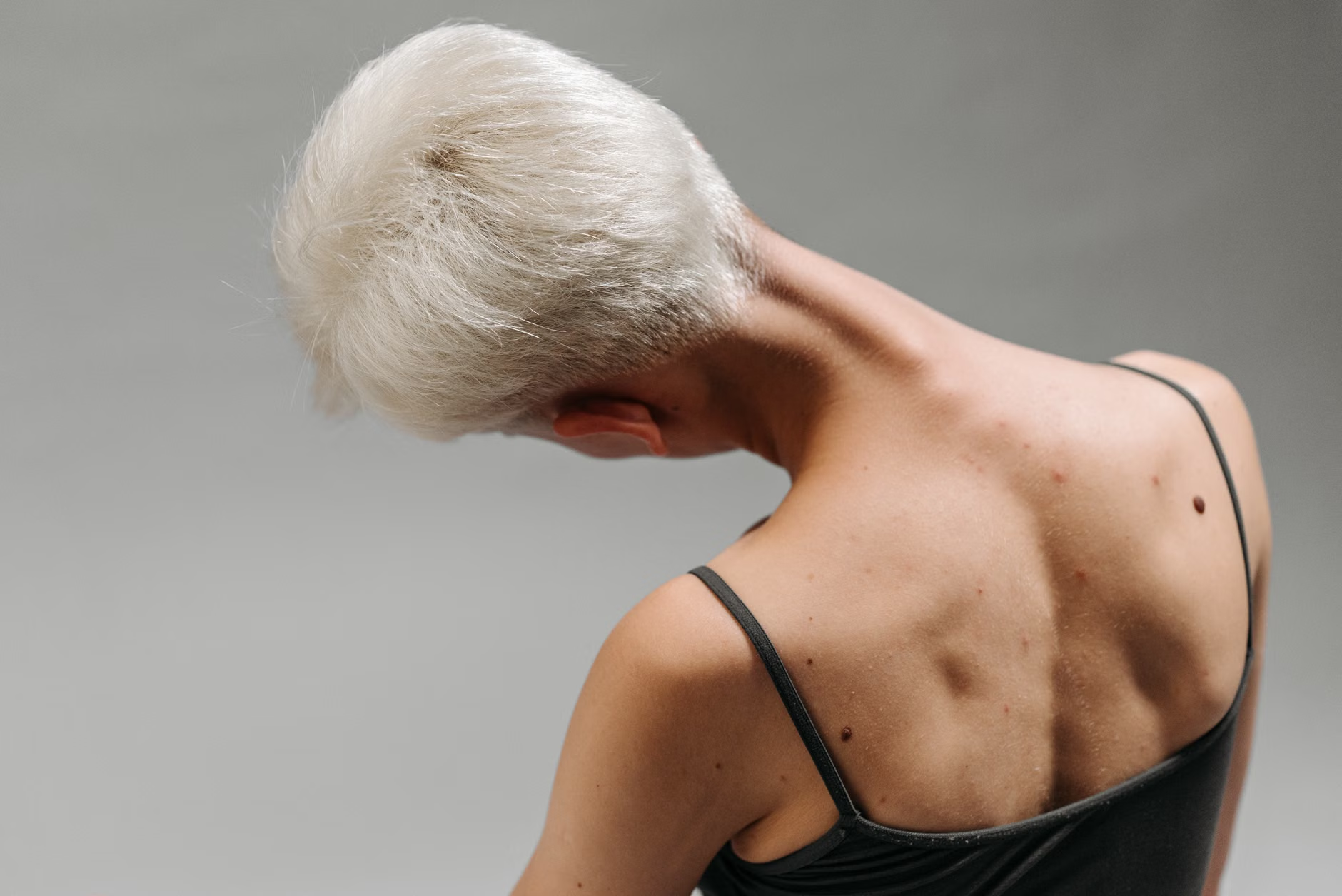
The seated neck-tilt is a targeted movement designed to counteract this stiffness by isolating the lateral muscles (the muscles on the side of the neck). When you tilt your ear toward your shoulder, you are gently lengthening the sternocleidomastoid and trapezius muscles. This movement is not about forcing the ear to touch the shoulder; it is about reaching the point of comfortable tension and holding it, allowing the tissues to relax.
Setting the Scene: The Importance of Your Environment
The environment in which you perform your exercises is just as important as the exercises themselves. A chair that is too soft or lacks back support will prevent you from maintaining the necessary alignment for these movements. Ideally, you should use a chair with a firm seat and a backrest that allows you to sit upright without slouching. If your chair is too deep, place a small pillow or a rolled-up towel behind your lower back to provide lumbar support. This helps maintain the natural curve of your spine, which is the base upon which your neck sits.
The Step-by-Step Execution of a Lateral Neck-Tilt
To perform a seated neck-tilt, follow these steps with a focus on slow, deliberate action:
- Initial Setup: Sit in your chair with your feet flat on the floor, about hip-width apart. Ensure your weight is distributed evenly across your sit bones.
- Alignment: Lengthen your spine as if a string is pulling the crown of your head toward the ceiling. Your chin should be parallel to the floor, not tucked down or tilted up.
- The Movement: Slowly and smoothly, tilt your right ear toward your right shoulder. Do not lean your body; keep your shoulders relaxed and down.
- The Hold: Once you feel a gentle stretch on the left side of your neck, hold this position for 10 to 15 seconds. Breathe deeply and evenly throughout.
- Return: Slowly return your head to the center position. Pause for a moment to reset.
- Repeat: Perform the same movement on the left side, tilting your left ear toward your left shoulder.
Common Pitfalls and How to Avoid Them
Even with simple exercises, it is easy to fall into habits that reduce the effectiveness of the movement or, in some cases, cause unnecessary strain. Recognizing these common mistakes is a key part of your preventive health strategy.
| Common Mistake | Why it Matters | How to Correct It |
|---|---|---|
| “Hiking” the shoulder | Lifting the shoulder toward the ear reduces the stretch and creates tension in the upper traps. | Focus on keeping your shoulders relaxed and “heavy.” Imagine them melting toward the floor. |
| Using momentum | Jerky or fast movements can shock the cervical joints rather than mobilizing them. | Move at a pace that allows you to stop instantly if you feel any discomfort. Think of it as a smooth, fluid slide. |
| Holding the breath | Breath-holding increases blood pressure and muscle tension, counteracting the purpose of the exercise. | Exhale as you move into the stretch, and inhale deeply as you return to center. |
The comparison table above highlights the most frequent errors reported by individuals beginning a mobility routine. The “hiking” of the shoulder is particularly common because the body naturally attempts to “meet” the ear halfway. However, by keeping the shoulder down, you maximize the stretch through the entire side of the neck. If you find your shoulders rising involuntarily, perform the exercise in front of a mirror to provide yourself with immediate visual feedback.
When to Seek Professional Guidance
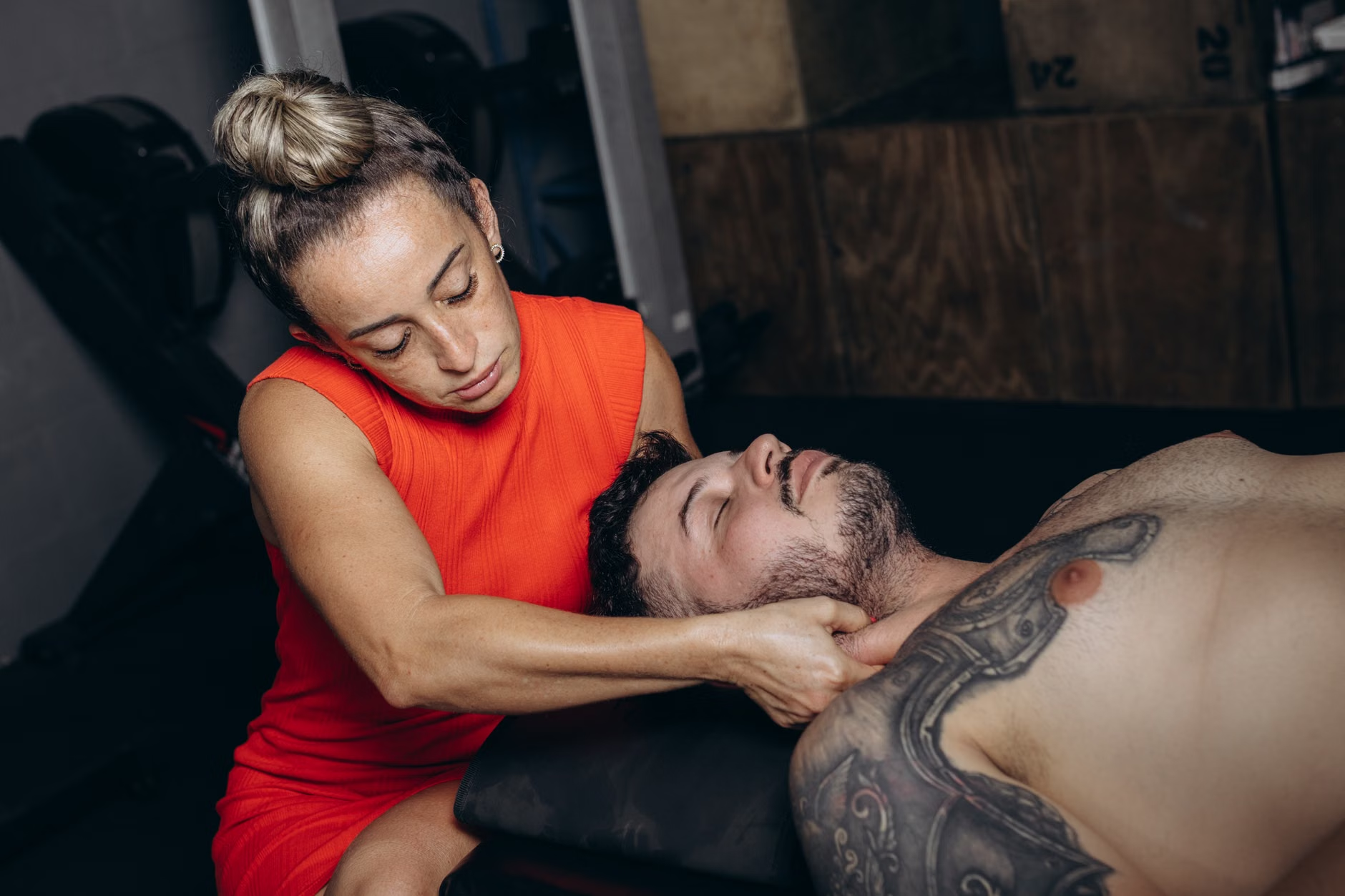
While seated neck-tilts are generally safe for the majority of older adults, there are specific conditions where these movements should be avoided or modified under the supervision of a physical therapist or a medical professional. If you have a history of cervical disc issues, severe arthritis, or previous neck injuries, you must consult your doctor before beginning any new exercise routine.
Warning Signs: If you experience any of the following symptoms during or after the exercise, stop immediately and contact your healthcare provider:
- Sharp or shooting pain: This is different from the mild discomfort of a muscle stretch.
- Numbness or tingling: Specifically in the arms or hands, which may indicate nerve impingement.
- Dizziness or lightheadedness: This can sometimes occur if you move your head too quickly or if there is an issue with the blood flow in the neck.
- Weakness: A sudden loss of grip strength or stability in the arms.
When you visit your doctor, be prepared to describe exactly when the symptoms occur. Keep a simple “symptom log” for three days prior to your appointment. Note the time of day, what you were doing when the discomfort started, and how long it lasted. This information is invaluable for your healthcare provider to distinguish between simple muscular stiffness and more complex neurological or structural issues.
Integrating Mobility into Your Daily Routine
The secret to long-term cervical health is not a thirty-minute exercise session, but rather the integration of small, frequent movements into your daily life. Because the neck is prone to stiffness from inactivity, breaking up long periods of sitting is essential. Use the “rule of 30”: for every 30 minutes of sedentary activity, take 30 seconds to perform a few gentle neck movements.
This habit is particularly useful for those who spend time on hobbies that require focused attention, such as knitting, reading, or using a tablet. By incorporating these micro-breaks, you prevent the accumulation of tension. Furthermore, consider the height of your devices. If you are reading a book, bring the book up to your eye level rather than dropping your head to look down at your lap. This simple adjustment significantly reduces the load on your cervical spine.
The Role of Hydration and Nutrition
While often overlooked, hydration plays a role in the health of the intervertebral discs. These discs act as shock absorbers for the spine, and they are largely composed of water. Maintaining adequate hydration helps keep these discs supple. Additionally, a diet rich in anti-inflammatory foods—such as those containing omega-3 fatty acids, like walnuts, flaxseeds, and fatty fish—can support overall joint health. While these are not “cures” for stiffness, they provide the necessary environment for your body to maintain mobility effectively.
Advanced Considerations: Beyond the Tilt
Once you are comfortable with the lateral neck-tilt, you may consider other movements to supplement your mobility. However, always prioritize quality over quantity. Rotation (looking left and right) and flexion/extension (nodding up and down) are also natural movements of the neck, but they should be performed with the same level of care as the lateral tilt. Never force your head to rotate past your comfortable limit. The goal is to gradually expand your functional range, not to achieve the range of a younger person.
Another important variable is sleep hygiene. Your pillow choice can have a significant impact on your neck health. A pillow that is too high or too flat can keep your neck in an awkward position for several hours each night. Look for a pillow that keeps your head in neutral alignment with your spine when you are lying on your side or your back. If you wake up with a stiff neck, your pillow is often the first place to investigate.
Conclusion: Your Commitment to Cervical Health
Preventive health is a process of small, consistent choices. By prioritizing your cervical mobility through seated neck-tilts, you are actively investing in your ability to remain independent, active, and comfortable. Remember that the goal is to maintain function, not to reach a specific performance metric. Listen to your body, respect its limits, and enjoy the relief that comes from consistent, gentle movement. Your neck is a vital part of your body’s connection to the world; treat it with the care it deserves.
For more information on general physical activity guidelines for older adults, you may refer to the official resources provided by organizations such as the World Health Organization (WHO) regarding physical activity and sedentary behavior: WHO Guidelines on Physical Activity and Sedentary Behaviour.
Frequently Asked Questions (FAQ)
1. Can I do these neck exercises if I have arthritis in my neck?
Yes, in many cases, gentle movement is recommended for arthritis to keep the joints lubricated. However, because arthritis can cause bone spurs or nerve compression, you must consult your doctor or a physical therapist to ensure that these specific movements are appropriate for your individual condition.
2. How many times a day should I perform these neck-tilts?
There is no “magic number.” Most people benefit from doing 3 to 5 repetitions on each side, two or three times throughout the day. The key is consistency rather than doing a large number of repetitions all at once.
3. What if my neck feels “crunchy” or makes noise when I move it?
This is known as crepitus. In many cases, it is simply the sound of air bubbles popping in the synovial fluid of the joint or tendons moving over bone. If the sound is not accompanied by pain, it is generally considered harmless. However, if the sound is accompanied by pain or locking of the joint, you should have it evaluated by a professional.