- The calf muscles act as a ‘second heart’ for the lower limbs, pumping blood back toward the heart through rhythmic contraction and relaxation.
- Seated calf-pumps are a low-impact, highly effective exercise that can be performed anywhere to reduce pooling of blood and prevent venous stasis.
- Consistency is more important than intensity; performing 20-30 pumps several times a day provides better results than one long, infrequent session.
The health of your lower limbs is intrinsically linked to your overall cardiovascular efficiency and mobility. For adults aged 60 to 80, maintaining consistent blood flow in the legs is not merely a matter of comfort—it is a cornerstone of preventive health. When we spend extended periods sitting, gravity causes blood to pool in the lower extremities. This can lead to swelling (edema), discomfort, and, in some cases, an increased risk of venous complications such as deep vein thrombosis (DVT).
The “seated calf-pump” is a simple, biomechanical intervention that utilizes the natural anatomy of the lower leg to assist venous return. By understanding how this mechanism works and incorporating it into your daily routine, you can actively protect your vascular health without the need for specialized equipment or significant physical exertion.
The Physiology of the Calf Muscle Pump
To understand why calf-pumps are effective, we must first look at the “venous pump” mechanism. Arterial blood is pumped away from the heart by the heart muscle itself. However, venous blood—the blood returning to the heart—must fight gravity to travel upward from your feet and calves.
Inside your leg veins are one-way valves that prevent blood from flowing backward. The calf muscles (the gastrocnemius and soleus) surround the deep veins of the lower leg. When these muscles contract, they squeeze the veins, pushing blood upward toward the heart. When the muscles relax, the valves close, preventing the blood from sliding back down. This cycle of contraction and relaxation is known as the skeletal muscle pump.
When you remain stationary for long periods, this pump is inactive. The blood encounters resistance, leading to venous stasis, or the pooling of blood. This is why you might notice your ankles or feet feel tight or swollen after a long car ride, a flight, or even a long afternoon spent reading or watching television.
How to Perform Seated Calf-Pumps Correctly
The beauty of the seated calf-pump lies in its accessibility. You can perform it while working at a desk, watching a movie, or sitting in a waiting room.
Step-by-Step Execution
- Positioning: Sit upright in a chair with your feet flat on the floor. Ensure your knees are bent at approximately a 90-degree angle.
- The Heel Raise: Keep your toes firmly planted on the ground and lift your heels as high as you can, focusing on contracting the muscles in the back of your lower leg.
- The Hold: Hold the contraction at the top for one second. This short pause ensures the muscle is fully engaged.
- The Release: Lower your heels back to the floor in a controlled motion, allowing the muscles to fully relax.
- Repetition: Aim for 20 to 30 repetitions per set.
Common Mistake: Many people perform these too quickly, using momentum rather than muscle contraction. The effectiveness of the pump depends entirely on the deliberate “squeeze and release” motion. If you are not feeling a mild fatigue in your calf muscles after 20 repetitions, you may be moving too fast.
Integrating Calf-Pumps into Daily Life
Prevention is most effective when it becomes a habit. Waiting until you feel swelling or discomfort is often too late to prevent the initial accumulation of fluid. Instead, consider using “anchor habits” to remind yourself to perform these movements.
Practical Scenarios for Implementation
| Scenario | Frequency/Trigger | Why it matters |
|---|---|---|
| Long-distance travel (Flights/Trains) | Every 30-60 minutes | Reduces risk of venous stasis in confined seating. |
| Watching television | Every commercial break or 30 mins | Counters the prolonged sedentary nature of screen time. |
| Desk work or reading | Every hour | Maintains metabolic activity in the lower limbs. |
If you find it difficult to remember, set a simple timer on your phone or use a visual cue, such as performing a set every time you have a glass of water. By breaking up sedentary time, you are effectively “re-priming” your circulation throughout the day.
Addressing Potential Limitations and Risks
While seated calf-pumps are generally safe and beneficial, there are conditions where you must exercise caution. If you experience sudden, localized pain, significant redness, or warmth in one leg, these can be signs of a more serious condition, such as a blood clot. In such instances, you should not attempt to “exercise away” the symptom. Instead, seek professional medical evaluation immediately.
Furthermore, if you have pre-existing vascular issues, such as chronic venous insufficiency or peripheral artery disease (PAD), the way your body responds to exercise may differ. In these cases, it is essential to consult with a vascular specialist or your primary care physician to ensure that exercise routines are tailored to your specific clinical needs. They may recommend additional measures, such as compression stockings, which work in tandem with muscle-pump exercises to optimize blood flow.

Beyond the Calf: A Holistic View of Lower Limb Health
While the calf-pump is a vital tool, it is part of a broader strategy for maintaining healthy circulation. Circulation is not just about moving blood upward; it is also about the health of the vessel walls and the overall hydration of your body.
1. Hydration and Blood Viscosity
Dehydration can increase blood viscosity (thickness), making it harder for the heart to pump and for the calf muscle pump to move blood effectively. Ensure you are maintaining adequate fluid intake throughout the day. For most adults, this means drinking water consistently rather than waiting until you are thirsty.
2. The Role of Footwear
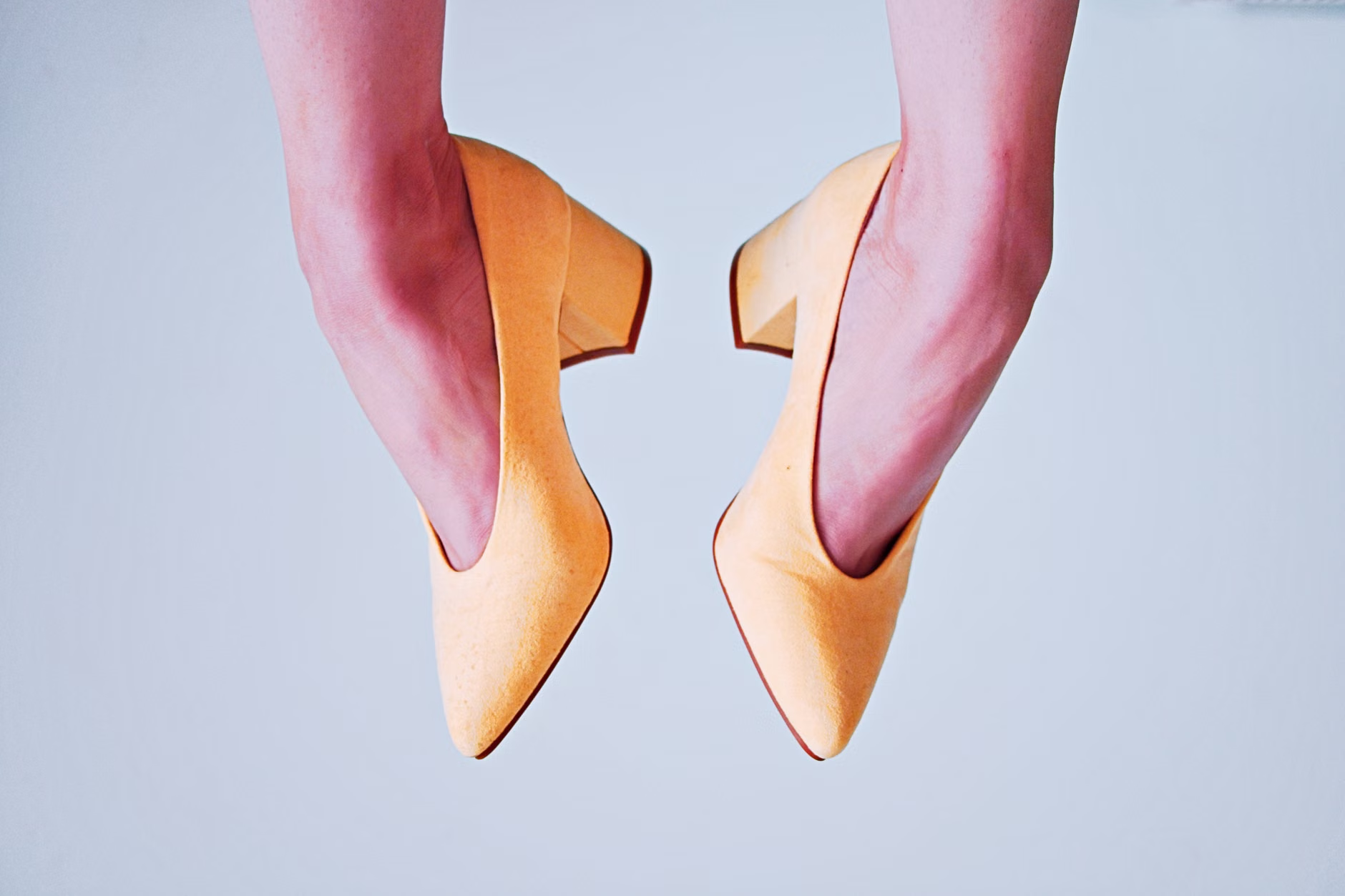
Footwear plays a surprisingly large role in circulation. Shoes that are too tight or have restrictive heel straps can impede the natural movement of the ankle joint. When performing your calf-pumps, ensure your footwear allows for a full range of motion. If you are at home, performing these exercises barefoot or in socks can provide better feedback and allow for a more natural range of motion.
3. Monitoring Your Progress
If you are using these exercises to manage mild swelling, keep a simple log. Note whether the swelling subsides more quickly on days when you perform regular pumps versus days you do not. This data can be incredibly helpful if you ever need to discuss your leg health with a healthcare provider.
When to Seek Professional Guidance
It is important to recognize when self-care measures like calf-pumps are insufficient. Preventive health is about knowing the limits of home interventions. You should consult a healthcare professional if you notice the following warning signs:
- Persistent Swelling: Swelling that does not resolve after a night’s rest or remains constant throughout the day.
- Skin Changes: Any discoloration, hardening of the skin, or non-healing sores on the lower legs or ankles.
- Asymmetry: Swelling that occurs in only one leg (unilateral edema), which is a common red flag in vascular health.
- Pain with Activity: If you experience pain in your calves when walking that forces you to stop and rest (claudication), this may indicate an arterial issue that requires specific medical management rather than just muscle activation.
When you do visit a doctor, arrive prepared. Bring a list of your current medications—some blood pressure or diabetes medications can contribute to fluid retention. Having a clear description of when the swelling occurs and what activities you have been doing can help your doctor make a more accurate assessment.
Conclusion: Empowerment Through Simple Action
The health of your legs is a dynamic process, not a static state. By adopting the seated calf-pump as a standard part of your day, you are taking a proactive step in supporting your cardiovascular system. This is not about achieving a specific fitness level, but about maintaining the functional integrity of your body’s natural systems.
Remember that the most effective health interventions are often those that are simple, sustainable, and integrated into the natural flow of your life. Start today by setting a reminder to perform your first set of 20 pumps. Listen to your body, maintain consistency, and view these small movements as a daily investment in your long-term mobility and independence.
Frequently Asked Questions
Q: Can I do these exercises too much?
A: Generally, no. Calf-pumps are a low-impact activity. However, if you experience muscle cramping, you may be overworking the muscle or lacking electrolytes. Stop if you feel sharp pain, and ensure you are staying well-hydrated.
Q: I have arthritis in my ankles. Is this still safe for me?
A: If you have joint pain, start with a smaller range of motion. You do not need to lift your heels to the maximum height to engage the calf muscles. Focus on the contraction rather than the height. If the movement causes joint pain, consult a physical therapist who can suggest modifications.
Q: Should I wear compression stockings while doing these exercises?
A: Yes, in many cases, compression stockings and calf-pumps work synergistically. The stockings provide external pressure to help prevent venous pooling, while the calf-pumps provide the internal pressure to move the blood. If you have been prescribed compression stockings, wearing them while performing these exercises is generally recommended.
Official guidance on venous health and movement can be found through resources such as the National Heart, Lung, and Blood Institute (NHLBI), which provides comprehensive information on maintaining cardiovascular health as you age.