- Repair Cafes provide a unique space to extend the life of household items while fostering intergenerational social connections.
- These events offer a practical way for older adults to utilize their lifelong technical and craft skills, reinforcing a sense of purpose and community value.
- Before attending, verify the specific focus of your local cafe (e.g., electronics, textiles, or furniture) to ensure they have the expertise to assist you.
Introduction: Redefining Leisure Through Repair
In a world increasingly dominated by the “throwaway culture,” where replacing an item is often presented as easier than fixing it, Repair Cafes have emerged as a powerful counter-movement. For older adults, these gatherings are more than just a place to mend a broken toaster or patch a favorite sweater; they are hubs of social activity, skill preservation, and environmental stewardship. This article explores how you can leverage these community assets to maintain your household items, share your own expertise, and engage with your local community.
What is a Repair Cafe?
A Repair Cafe is a free, community-led event where volunteers help neighbors fix their broken items. The model, which originated in the Netherlands in 2009, is now a global phenomenon. The core philosophy is simple: repair instead of replace, and teach instead of just performing the fix.
When you visit a Repair Cafe, you are typically paired with a volunteer “fixer.” You don’t simply drop off your item; you are encouraged to sit with the volunteer, observe the process, and learn how the item works. This collaborative approach removes the mystery from modern appliances and empowers you to handle minor repairs at home in the future.
The Social Value for Adults Aged 60 to 80
For many retired professionals or individuals with a lifetime of experience in trades, engineering, or sewing, a Repair Cafe provides a platform to remain active and valued. The social value is profound, as these events bridge the gap between generations. When you share your knowledge—perhaps showing a younger person how to mend a hem or troubleshoot a mechanical clock—you are engaging in a reciprocal exchange that strengthens community bonds.
How to Prepare for Your First Visit
To ensure a successful experience, preparation is essential. Not every Repair Cafe is equipped to handle every type of item. Follow this checklist to prepare:
- Inventory your repair: Clearly identify the problem. Is it a loose wire, a missing screw, or a software glitch?
- Check the schedule: Most events are held monthly or quarterly. Use the Repair Cafe Foundation directory to find an event near you.
- Bring necessary parts: If you know a specific component is broken (like a frayed plug), try to purchase the replacement part beforehand.
- Be patient: These are volunteer-run events. There may be wait times, which are perfect opportunities to enjoy a cup of tea and chat with fellow attendees.
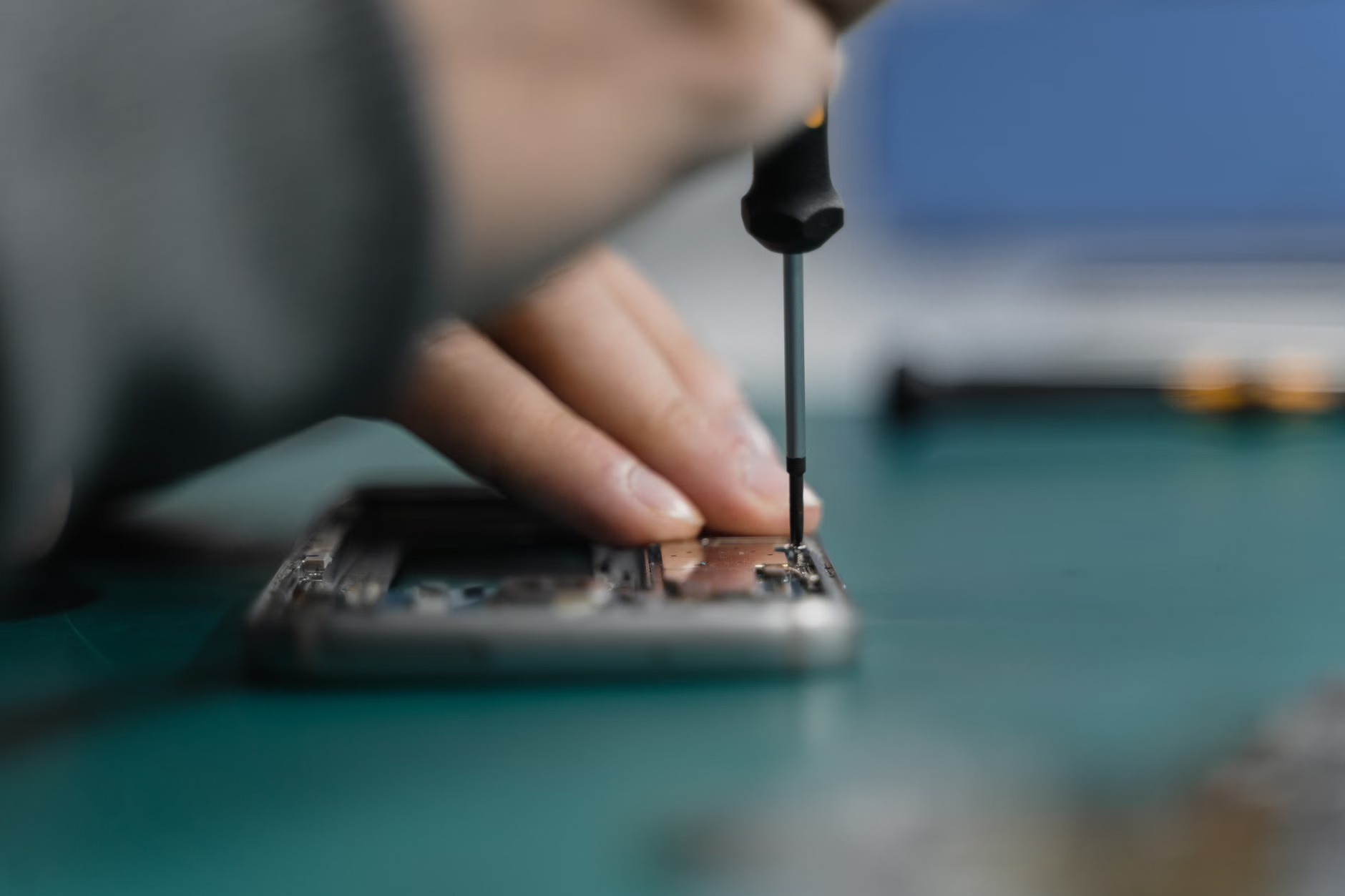
Comparing DIY Home Repair vs. Repair Cafes
Deciding whether to fix an item at home or take it to a Repair Cafe depends on your mobility, the complexity of the item, and your comfort level with tools.
| Factor | DIY Home Repair | Repair Cafe |
|---|---|---|
| Safety | Higher risk with electrical/high-voltage | Supervised, safer environment |
| Cost | Cost of tools/parts | Usually free or donation-based |
| Social Aspect | Solitary | Highly social, intergenerational |
| Learning | Trial and error | Guided mentorship |
If you are dealing with appliances that pose a fire or shock hazard, the Repair Cafe is the superior choice for those who are not trained electricians. For simple textile repairs, DIY at home might suffice, but the cafe offers the added benefit of learning specific techniques that make the repair more durable and aesthetically pleasing.
The Practical Benefits: Cost and Sustainability
Beyond the social benefits, there is a clear economic incentive. Many household items are discarded due to minor issues that cost pennies to fix. By attending a Repair Cafe, you reduce your personal waste footprint and save money that would otherwise go toward buying new replacements. This practice aligns with “circular economy” principles, which aim to keep products in use for as long as possible.
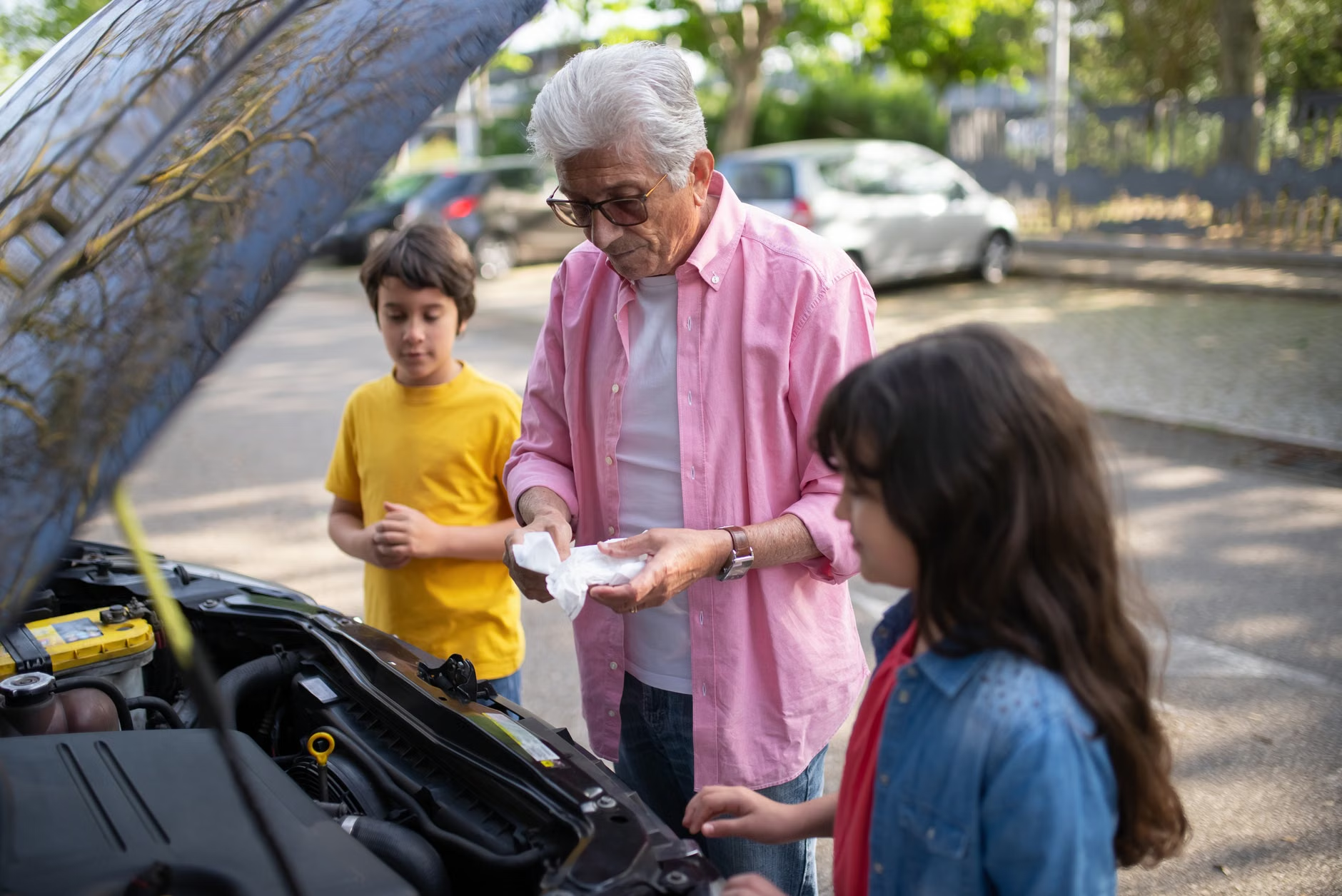
It is important to manage expectations. A Repair Cafe is not a professional repair shop. If a volunteer cannot fix your item, it is often because they lack the specific replacement part or the item is beyond repair. Do not view this as a failure, but rather as an opportunity to learn how to properly recycle the item.
If you have limited mobility, reach out to the organizers before the event. Many community centers are accessible, but it is always wise to confirm details regarding parking, ramps, and seating availability. Ensuring your comfort will allow you to focus on the repair process rather than the logistics of the environment.
The Role of Skill Sharing in Cognitive Wellbeing
Engaging in complex, hands-on tasks is known to support cognitive health. The process of disassembling an object, identifying the fault, and reassembling it requires focus, spatial reasoning, and fine motor coordination. When you combine this with the social interaction of explaining your process to a volunteer or another attendee, you create a rich environment for mental stimulation.
Think of the Repair Cafe as a “brain gym.” Whether you are re-learning how to solder or simply observing someone else work, the engagement keeps your mind sharp and connected to the evolving technology of everyday life.
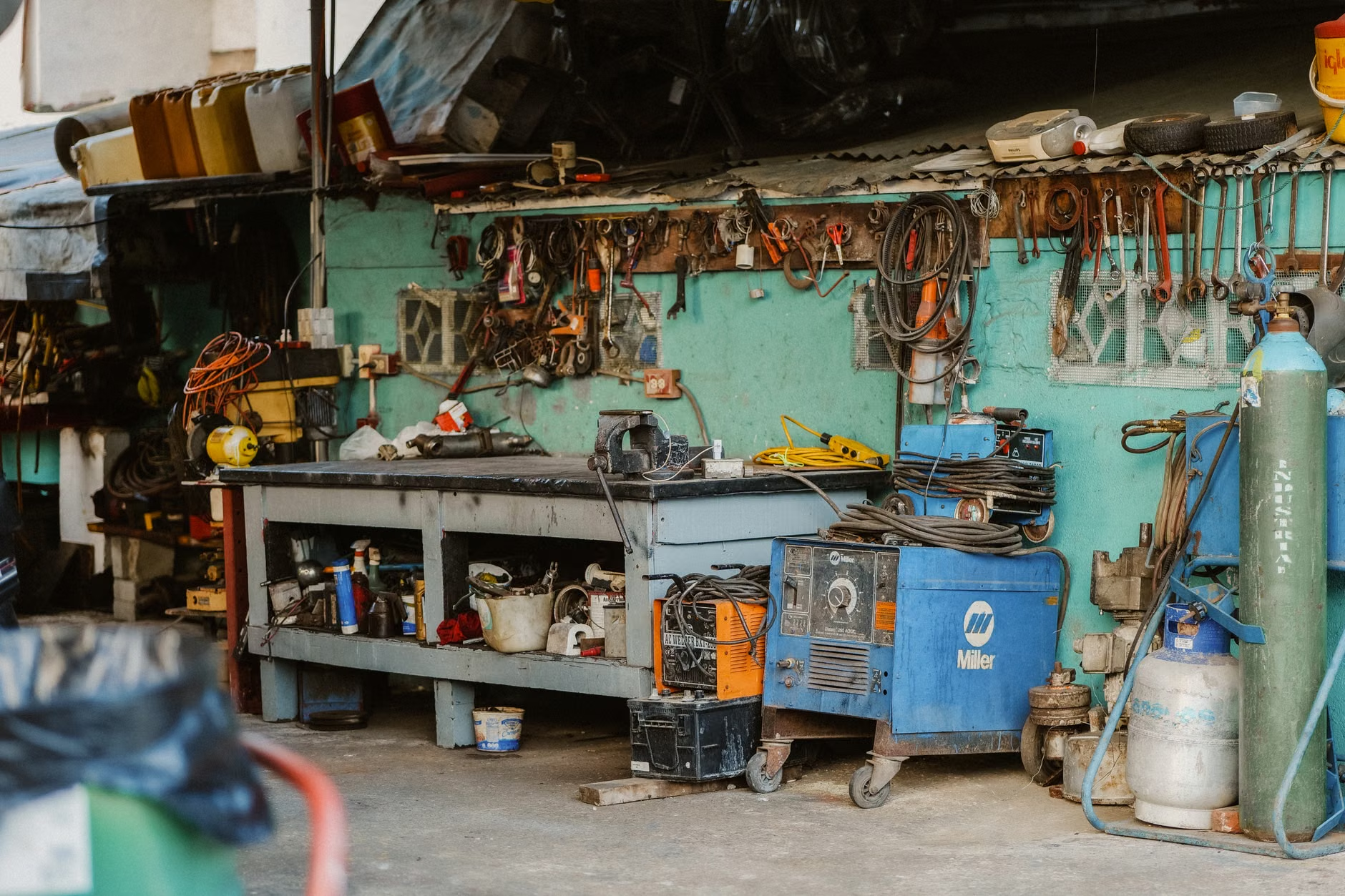
Advanced Tips: How to Become a Volunteer
If you have a skill to share, consider becoming a fixer. Many Repair Cafes are constantly looking for volunteers. This is a fantastic way to transition into a new phase of your life where you act as a mentor. You don’t need to be a master engineer; basic skills in sewing, woodworking, or electronics are often in high demand.
Steps to volunteering:
- Contact your local event organizer.
- Identify your area of expertise.
- Commit to a frequency that works for your schedule.
- Participate in a brief orientation to understand the safety protocols and the “repair-not-replace” philosophy.
Safety Guidelines for Older Adults
Safety is paramount. When working with tools or appliances:
- Use adequate lighting: Ensure your workspace is well-lit to prevent eye strain.
- Ergonomics: If you have arthritis or limited grip strength, use tools with ergonomic, non-slip handles.
- Posture: Don’t stay in one position for too long. If you are working on a project, take breaks to stretch and hydrate.
- Medical safety: If you use a pacemaker, be cautious around certain types of electronic devices that may have strong magnetic fields. Always ask the fixer if the item is safe for you to handle.
Conclusion: Taking the First Step
The Repair Cafe movement is a testament to the fact that we are never too old to learn or too old to contribute. By participating, you are preserving the life of your possessions, saving money, and ensuring that valuable technical knowledge is passed down to the next generation. Whether you go to fix a broken chair or to offer your expertise in mending, you are an essential part of the community fabric.
Start by searching for an event in your area, and don’t hesitate to bring along a friend or family member. The shared experience is often the most rewarding part of the day.
Frequently Asked Questions
- Do I need to bring my own tools?
No, most Repair Cafes provide a comprehensive set of tools. However, if you have a specific tool you are comfortable using, you are usually welcome to bring it.
- Is there a charge for the repair services?
Most Repair Cafes are free, but they often operate on a donation basis to cover the costs of venue rental and insurance. It is always a kind gesture to contribute what you can.
- What if my item cannot be fixed?
The volunteers will provide you with advice on how to properly dispose of or recycle the item. You will leave with more knowledge than you arrived with, which is a success in its own right.
The Evolution of Consumer Goods and Why We Need Repair
To understand the importance of Repair Cafes, one must understand the shift in how products have been manufactured over the last fifty years. In the mid-20th century, many household appliances were built with a “modular” philosophy. If a heating element failed in a toaster, the user could unscrew the casing, replace the element, and the machine would function for another decade. Today, many products are sealed with proprietary screws, glued shut, or designed with non-replaceable components.
This shift has led to an increase in “e-waste,” which is one of the fastest-growing waste streams globally. For older adults, who remember the era of durable goods, this trend can be frustrating. Repair Cafes serve as a space to challenge this trend by proving that many of these “unfixable” items can indeed be repaired if one has the right tools and a bit of patience. This is not just about saving money; it is about reclaiming agency over the things we own. When you fix a device, you are no longer just a passive consumer; you are a steward of your own property.
Building Intergenerational Connections
One of the most overlooked aspects of the Repair Cafe is the social interaction between different age groups. Often, younger generations are highly skilled in software and digital troubleshooting, while older adults possess deep knowledge of mechanical systems, carpentry, and textiles. When these groups collaborate, they learn from one another. A 70-year-old might teach a 20-year-old how to use a manual sewing machine, while the younger person helps them update the firmware on a smart home device. This exchange breaks down stereotypes about age and ability, creating a vibrant community atmosphere that is rarely found in commercial repair shops.
The Psychological Impact of Maintenance
There is a unique sense of satisfaction that comes from maintenance. In a society that pushes for constant consumption, taking the time to maintain, clean, and repair what we have is a grounding activity. For those in the 60-80 age bracket, this is an excellent way to maintain a routine that involves purposeful action. It shifts the focus from “what can I buy next” to “how can I preserve what I have.” This mindset shift can have a positive impact on one’s sense of contentment and reduces the anxiety associated with the constant pressure to upgrade.
Planning Your Visit: A Mobility-First Approach
For those who may have mobility concerns, visiting a new location can be daunting. Before you go, consider the following:
- Transport: Check if the venue is near public transport hubs. If you are driving, ask if there is accessible parking nearby.
- Venue Layout: Ask the organizers if the venue is on the ground floor or if there is elevator access.
- Seating: If standing for long periods is difficult, ask if the repair station has a chair available. Most organizers are happy to accommodate these requests if they know in advance.
- Pacing: Don’t try to bring five broken items at once. Focus on one or two. This prevents you from getting overwhelmed and ensures you have enough energy to enjoy the experience.
The Future of Repair: Digital Resources
If you cannot find a physical Repair Cafe nearby, do not despair. The internet has become a treasure trove of repair information. Websites like iFixit offer thousands of free, step-by-step repair guides for everything from smartphones to kitchen appliances. You can use these guides to prepare for a visit to a Repair Cafe or to attempt a simple repair at home. Combining the digital knowledge base with the physical support of a community workshop is the ultimate way to stay self-reliant.
Final Considerations on Safety and Liability
While Repair Cafes are generally safe, it is important to remember that most are operated by volunteers. They are not professional service centers. If you are bringing an item that involves complex electrical circuits, ensure that the volunteer is experienced in that specific area. Always be present during the repair; never leave an item and expect it to be fixed later. This ensures you understand what was done and maintains the spirit of the event as a learning experience rather than a drop-off service.
By integrating these practices into your life, you are not only saving resources but also contributing to a more sustainable and connected world. The simple act of repairing a broken item is a powerful statement that you value quality, sustainability, and community over convenience.
Note: This content is for informational purposes only. Always prioritize your personal safety and consult with professionals for repairs that involve high-voltage electricity, gas, or structural integrity issues.