- Poetry groups offer a structured social environment that combats isolation through shared intellectual and emotional expression.
- Writing and reading poetry regularly acts as “cognitive exercise,” helping to maintain verbal fluency, memory, and focus.
- When seeking a group, prioritize accessibility, group size, and the balance between constructive critique and supportive encouragement.
Joining a local poetry group is more than a creative endeavor; it is a profound way to engage with your community, sharpen your mind, and document your unique life experiences. For adults aged 60 to 80, these groups provide a unique intersection of social connection and cognitive stimulation that is rarely found in other leisure activities.
The Cognitive and Emotional Benefits of Poetry
Engaging with poetry involves more than just rhyming words. It requires a synthesis of memory, vocabulary, and emotional intelligence. When you write or analyze a poem, you are exercising your brain in ways that differ significantly from passive activities like watching television or reading news headlines.
Neuroplasticity and Language
Maintaining strong verbal skills is a key component of cognitive health. Poetry requires the recall of specific words—the perfect adjective or the precise verb—which keeps neural pathways active. Research suggests that engaging in “generative” tasks, such as writing, forces the brain to organize information in complex patterns, which is a powerful tool for maintaining mental agility.
Emotional Processing and Life Review
The “life review” is a psychological process often encouraged in later adulthood. Poetry provides a safe, structured container for this. By distilling memories into verses, you can process complex emotions, celebrate life milestones, or reflect on transitions without the pressure of writing a full-length memoir. This process often leads to increased self-awareness and improved mood regulation.
Finding the Right Poetry Group
Not all groups are the same. Finding one that suits your personality and goals is essential for long-term participation. Before committing, consider the following checklist to determine if a group is a good fit for you.
| Group Type | Best Suited For | Key Characteristic |
|---|---|---|
| Academic/Workshop | Those wanting technical improvement | Focus on craft and critique |
| Social/Casual | Those seeking connection | Focus on sharing and listening |
| Performance-Based | Those who enjoy public speaking | Focus on oral delivery and rhythm |
If you prefer a low-pressure environment, start with a “Sharing Circle” rather than a “Critique Group.” In a sharing circle, members read their work without the expectation of receiving technical feedback, which lowers the barrier to entry for beginners.

Practical Steps to Join or Start a Group
If you cannot find a group in your immediate vicinity, you have several options to create one. Many community centers and public libraries are eager to host senior-led interest groups if a volunteer steps forward to organize them.
1. Assessing Local Resources
Start by visiting your local library’s community bulletin board or their digital events calendar. Libraries are often the best hubs for literary groups because they provide free, climate-controlled, and accessible spaces. Ask the librarian if they would be willing to reserve a quiet corner once or twice a month.
2. Defining the Structure
A successful group needs a loose structure to remain focused. A typical two-hour session might look like this:
- First 15 Minutes: Arrival and informal socializing.
- Next 30 Minutes: A “prompt” session where someone introduces a theme (e.g., “seasons,” “childhood home”) and members spend time writing.
- Remaining Time: Reading aloud and respectful, positive commentary.
3. Ensuring Accessibility
When forming or joining a group, ensure the physical space meets your needs. Look for:
- Seating: Are the chairs supportive and comfortable for an hour or more of sitting?
- Lighting: Is there adequate lighting for reading printed text or handwritten notes?
- Acoustics: Can you hear others clearly? Avoid rooms with excessive background noise or echoes.
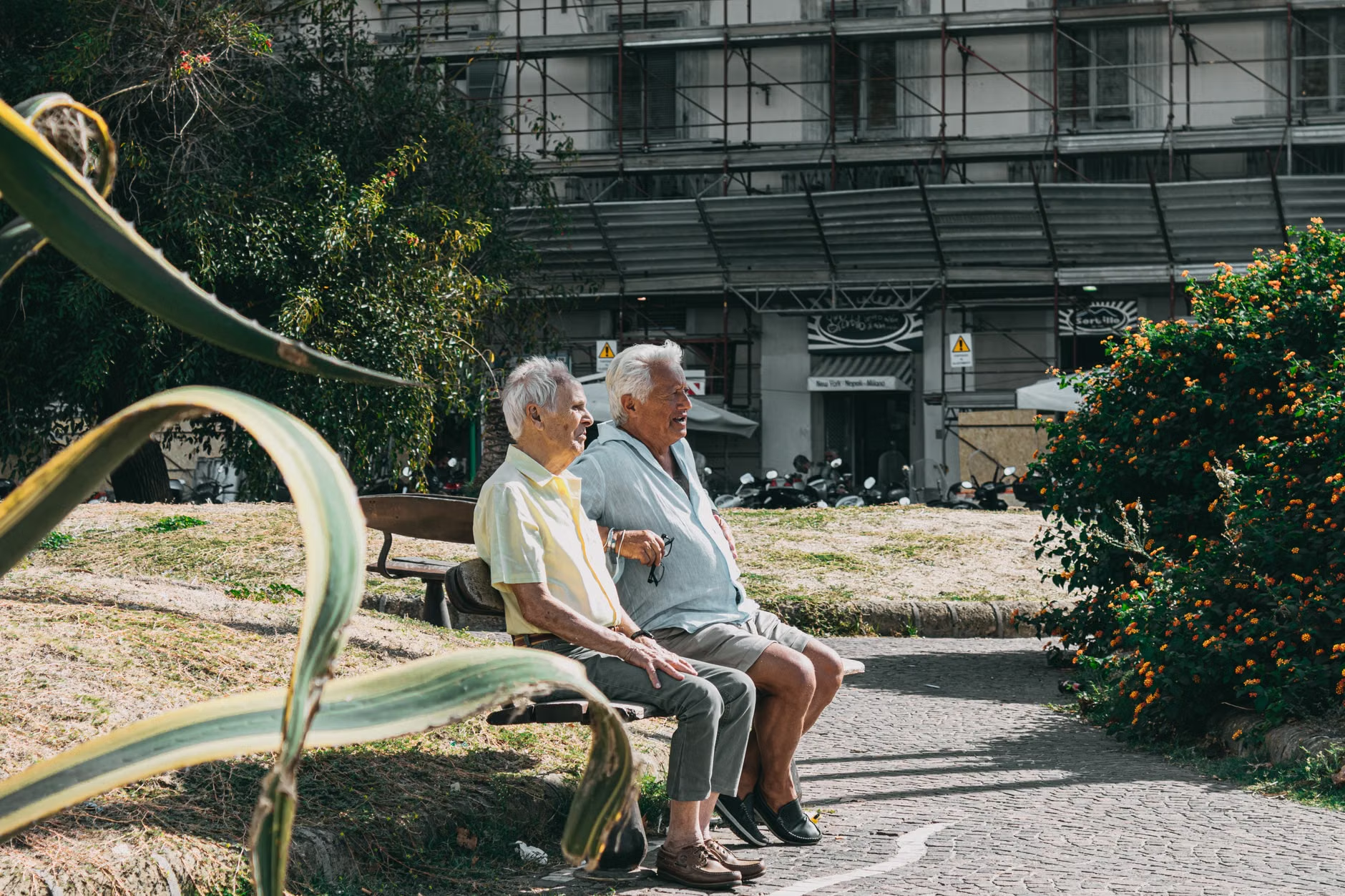
It is natural to feel hesitant about sharing personal work. Many people worry that their poetry isn’t “good enough” or that they don’t have a “literary background.” It is important to remember that poetry groups are not literary competitions. They are community spaces.
Overcoming Performance Anxiety
If you feel nervous reading your work, try reading your poem to a friend or recording it on your phone first. Listening to your own voice can help you identify where you might want to adjust the rhythm or word choice. Remember that the audience in a local group is likely there to support you, not to judge you.
Managing Different Skill Levels
In a diverse group, you will find members with varying levels of experience. This is a strength, not a weakness. Experienced writers can share techniques, while those newer to poetry often bring a fresh, unpretentious perspective that can invigorate the group’s discussions.

The Role of Technology in Modern Poetry Groups
While in-person meetings offer the best social benefits, digital tools can help you bridge the gap if mobility is an issue or if you want to connect with a wider circle. Video conferencing platforms (like Zoom or Skype) allow you to participate in groups globally.
Safety Note: When using digital platforms, ensure you are comfortable with the privacy settings. If you are not tech-savvy, ask a family member or a librarian to help you set up a simple, one-click access link so you don’t have to navigate complex software every time you meet.
Deepening the Connection: Beyond the Meeting
To get the most out of your poetry group, consider how the experience extends into your daily life. Keep a “Poetry Journal” where you jot down observations—a bird in the garden, a snippet of conversation, or a memory that resurfaced while walking. These fragments often become the seeds for your next poem.
Furthermore, consider the social ripple effect. Poetry groups often lead to other activities, such as visiting local museums, attending theater performances, or even collaborating on a small community anthology. This fosters a sense of belonging and purpose that is vital for health and longevity.
Conclusion
The social value of local poetry groups lies in their ability to validate individual experience while building collective bonds. Whether you join to sharpen your mind, express your emotions, or simply find a group of like-minded individuals, you are taking a proactive step toward a more connected and creative life. Start small, look for accessible venues, and remember that the most important part of poetry is the courage to share your voice.
Frequently Asked Questions
1. Do I need to be an experienced writer to join a poetry group?
Absolutely not. Most local poetry groups are open to all skill levels. The primary purpose is often social connection and personal expression rather than professional literary achievement. You are encouraged to join regardless of your prior experience.
2. How do I find a poetry group if I live in a rural or remote area?
If there are no in-person groups nearby, look for online poetry circles. Many libraries and community organizations now offer hybrid or fully virtual meetings. You can also start your own group by posting a simple flyer at your local library or community center.
3. What if I feel uncomfortable reading my work in front of others?
It is perfectly acceptable to attend a group just to listen. Many people participate by listening to others for several sessions before they feel comfortable sharing their own work. You can also ask a trusted member of the group to read your poem for you until you feel ready to do it yourself.
For further information on the benefits of lifelong learning and creative arts, you may refer to the National Institute on Aging (NIA), which provides extensive resources on the importance of social engagement for older adults.