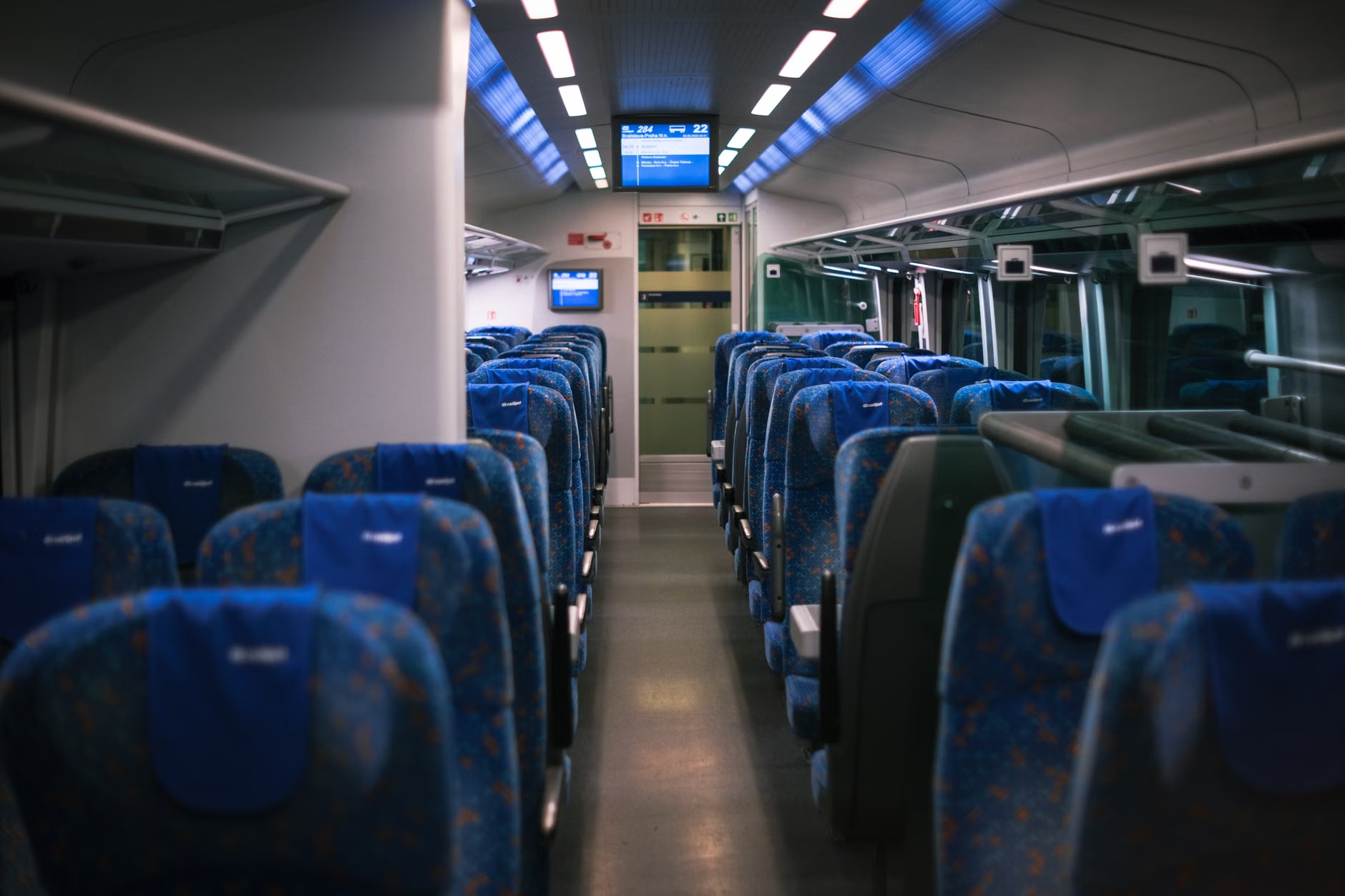
- Strategic Booking: Prioritize seats near carriage entrances and accessible restrooms to minimize walking distance and effort inside the train.
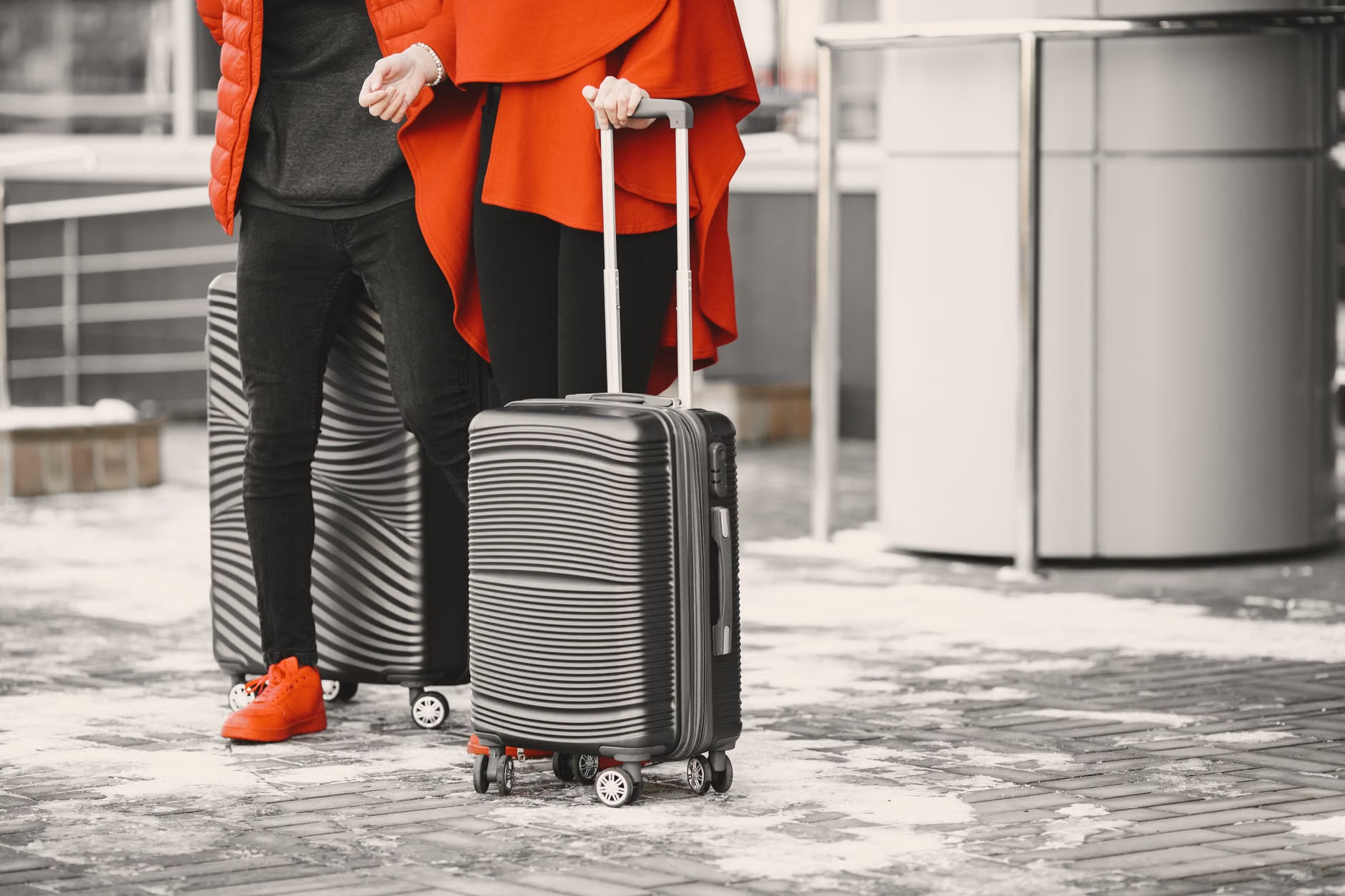
- Luggage Management: Use lightweight, four-wheeled spinner suitcases to reduce physical strain and opt for station porter services or luggage forwarding when necessary.
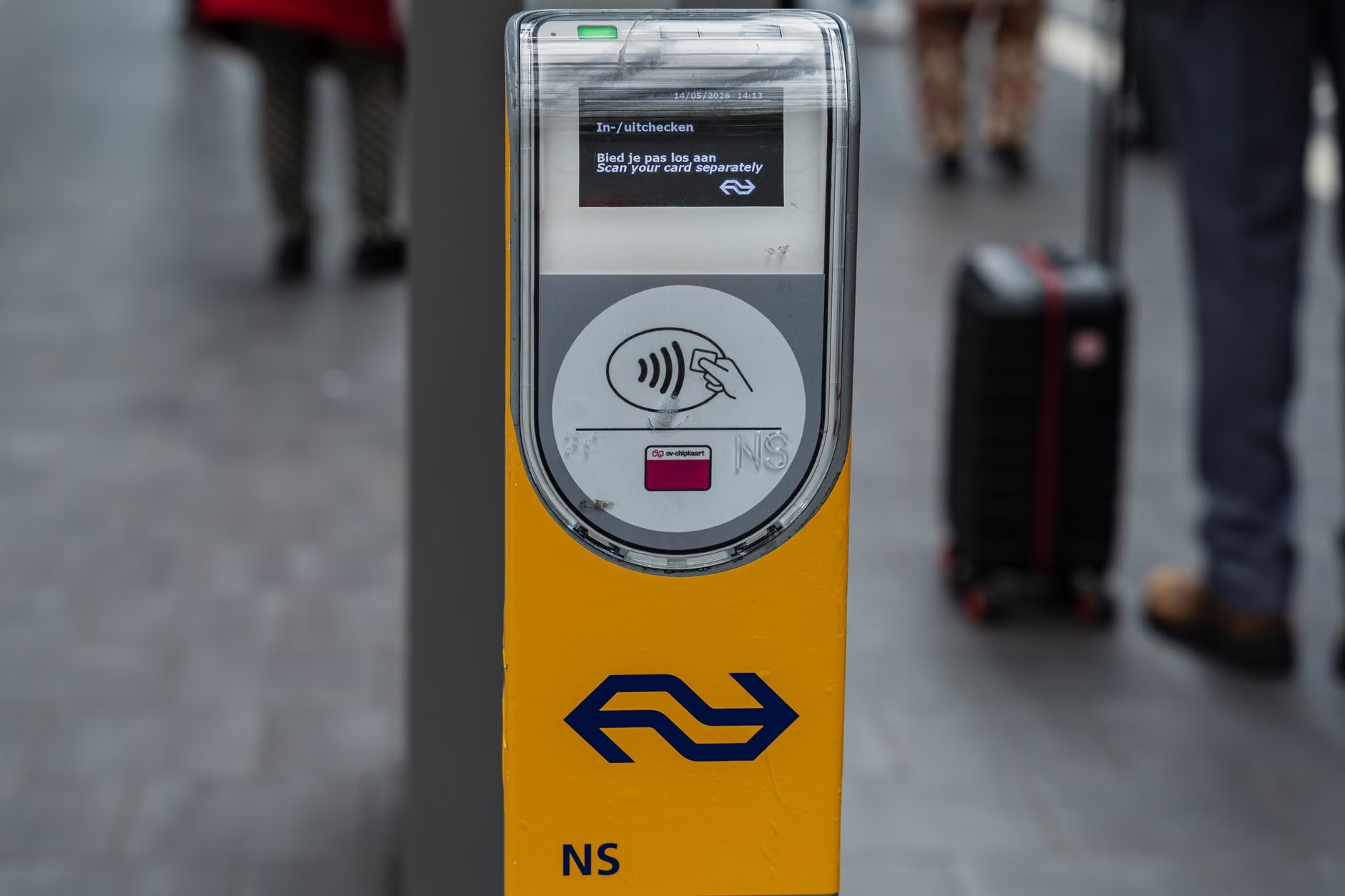
- Platform Navigation: Arrive at the station 30-40 minutes before departure to locate your carriage zone on the platform without rushing, which is the primary cause of travel-related fatigue.
Introduction: The Efficiency of High-Speed Rail
High-speed rail (HSR) has transformed global travel, offering a bridge between the convenience of city-center-to-city-center transit and the comfort missing from modern air travel. For travelers aged 60 to 80, HSR is often the preferred mode of transport, provided the logistical steps—from booking to boarding—are handled with a focus on energy conservation and accessibility. This guide provides a systematic approach to navigating these systems, ensuring your journey is defined by comfort rather than stress.
1. Strategic Booking: Selecting the Right Seat
The success of a rail journey often begins weeks before the departure date. Many travelers prioritize the lowest fare, but for senior travelers, the “accessibility-to-comfort ratio” should be the primary decision factor.
Understanding Carriage Layouts
Most high-speed trains (such as the Shinkansen in Japan, TGV in France, or Amtrak Acela in the US) have specific seat numbering systems. When booking online, look for the “seat map” feature. Avoid seats at the very end of the train if the platform is long, as this increases your walking distance upon arrival. Instead, aim for seats in the middle of the carriage. If you have mobility concerns, look for seats marked as “Accessible” or “Priority,” which are typically located near the carriage vestibule.
The Benefits of Quiet Zones vs. Standard Seating
While “Quiet Zones” are popular, they are often located at the far ends of the train to minimize foot traffic. If you value silence but have limited stamina, weigh the benefit of a quiet environment against the extra walk required to reach those seats. Often, a standard seat in a central car provides better proximity to the boarding doors and onboard facilities.
Checklist for Online Booking
- Verify the boarding platform: Some apps now provide platform numbers in real-time.
- Check for “Station Assistant” options: Many national rail carriers (such as SNCF or JR) offer free assistance services for seniors or those with mobility issues if booked 24-48 hours in advance.
- Identify the “Luggage Zone”: Ensure your seat is near a luggage rack if you are traveling with large bags.
2. Managing Luggage and Physical Stamina
The greatest physical challenge in rail travel is not the transit itself, but the movement of luggage between the station entrance, the platform, and the train cabin. The “spinner wheel” revolution in luggage technology has been a game-changer for senior travelers.
Choosing the Right Luggage
Avoid two-wheeled bags that require you to tilt and pull, as this puts unnecessary strain on your wrists and lower back. Opt for high-quality, four-wheeled “spinner” luggage. This allows you to walk with the bag beside you in an upright position, maintaining better posture and balance.
The Luggage Forwarding Advantage
In countries like Japan (the Takkyubin service) or parts of Europe, luggage forwarding services are highly efficient. For a modest fee, you can have your heavy suitcases sent directly to your hotel. This allows you to travel to your destination with only a small, lightweight daypack. If you have multiple transfers, this is the single most effective way to eliminate travel fatigue.
Rushing is the enemy of safety. The “30-Minute Rule” is a simple but vital strategy: always plan to arrive at the station at least 30 minutes before your scheduled departure. This provides a buffer for navigating crowds, locating the correct platform, and finding your designated carriage zone.
Locating Carriage Zones
On high-speed platforms, there are often markings on the floor (e.g., “Car 5, Zone B”). These indicate exactly where your carriage door will stop. Identifying these markers early prevents the common mistake of having to sprint down the platform when the train arrives, which is both dangerous and exhausting.
Elevators and Escalators
Do not assume the first escalator you see is the most convenient. Look for station maps or digital signage that indicate elevator locations. While escalators are convenient, they can be crowded. Elevators are generally safer for those carrying luggage or those who feel unsteady on moving stairs.
4. Onboard Comfort and Safety
Once you are on the train, your focus should shift to hydration, circulation, and temperature management. High-speed trains are climate-controlled, but the air can be quite dry, and the temperature near windows can fluctuate.
Managing Circulation
Even on short journeys of two to three hours, it is beneficial to stand up and walk to the end of the carriage every 60 minutes. This prevents stiffness and helps maintain circulation. If you are seated in an aisle seat, this is easy; if you are in a window seat, do not hesitate to ask your neighbor to excuse you. It is a standard part of rail etiquette.
Hydration and Nutrition
Avoid relying on the onboard catering service, which may be expensive, limited, or crowded. Pack a small bottle of water and a light, non-messy snack. High-speed travel can lead to mild dehydration due to the recirculated air, so sipping water consistently is more effective than drinking a large amount at once.
5. Comparing Regional Rail Systems
Not all high-speed rail systems are identical. Understanding the nuances of the region you are visiting can save you significant trouble.
| Region | Key Characteristic | Senior-Friendly Tip |
|---|---|---|
| Japan (Shinkansen) | Extreme punctuality; very safe. | Use the station’s “Green Car” (first class) for extra legroom and quiet. |
| Europe (Eurostar/TGV/ICE) | Cross-border complexity. | Check if your ticket covers “Station Assistance” at both departure and arrival points. |
| USA (Amtrak Acela) | Limited HSR network. | Take advantage of the “Red Cap” porter service at major stations for help with bags. |
Note: The table above provides a general guide. Always consult the official rail authority website for the country you are visiting to understand specific accessibility policies. For example, Amtrak’s “Accessible Travel Services” can be found at Amtrak.com.
6. Addressing Common Misconceptions
A common misconception is that “first class” is only for business travelers. For seniors, the investment in a higher class of service is often a health decision. Wider seats, fewer people, and more assistance from staff can significantly reduce the physical tax of a long journey. Furthermore, avoid the temptation to “pack for every scenario.” The more items you have, the more you have to manage, which increases the likelihood of a fall or a strain.
7. Handling Transfers and Connections
If your journey requires a transfer, ensure you have at least 45 minutes between trains. While many systems allow for 15-minute connections, this assumes you are familiar with the station layout and can walk at a brisk pace. For a more relaxed experience, prioritize longer connection windows. If you find yourself in a large station, look for the “Information Desk” immediately upon arrival; staff there can direct you to the shortest path to your next platform.
8. The Importance of Travel Insurance
While rail travel is statistically very safe, travel insurance that covers “trip interruption” or “medical assistance” is a wise precaution. Ensure your policy includes coverage for lost luggage or missed connections due to delays. For seniors, having a policy that offers a 24/7 medical assistance hotline can provide significant peace of mind if you experience a minor health issue while in transit.
Conclusion: The Joy of the Journey
High-speed rail is a magnificent way to see the world, allowing you to watch the landscape change in comfort. By taking control of the logistical aspects—booking strategically, managing your luggage, and allowing yourself extra time—you can transform a potentially stressful transit into a highlight of your trip. Remember, the goal is not to see how quickly you can move, but to enjoy the movement itself. Prioritize your comfort, use the resources provided by the rail operators, and pace yourself to ensure you arrive at your destination refreshed and ready to explore.
Frequently Asked Questions (FAQ)
1. Can I request special assistance for boarding if I have trouble walking?
Yes. Most major rail operators provide “Special Assistance” or “Passenger Assistance” services. You must generally request this at least 24 to 48 hours in advance via the carrier’s website or customer service line. This service can include staff meeting you at the station entrance with a wheelchair or helping you navigate to your platform.
2. Is it better to book tickets online or at the station?
Booking online is highly recommended. It allows you to select your seat, view the layout, and avoid the stress of standing in queues at the station. Additionally, many systems offer senior discounts that are easier to apply and verify during the online booking process.
3. What should I do if my train is delayed or cancelled?
First, remain in a safe, seated area. Check the station’s digital boards for updates and listen for announcements. If the delay is significant, approach the station’s customer service desk immediately. Do not wait until the last minute, as staff will be better able to assist you with alternative travel arrangements if you speak to them early.