- Stamina Management: Treat museum visits as high-intensity physical activity; plan for 45 minutes of movement followed by 15 minutes of seated rest.
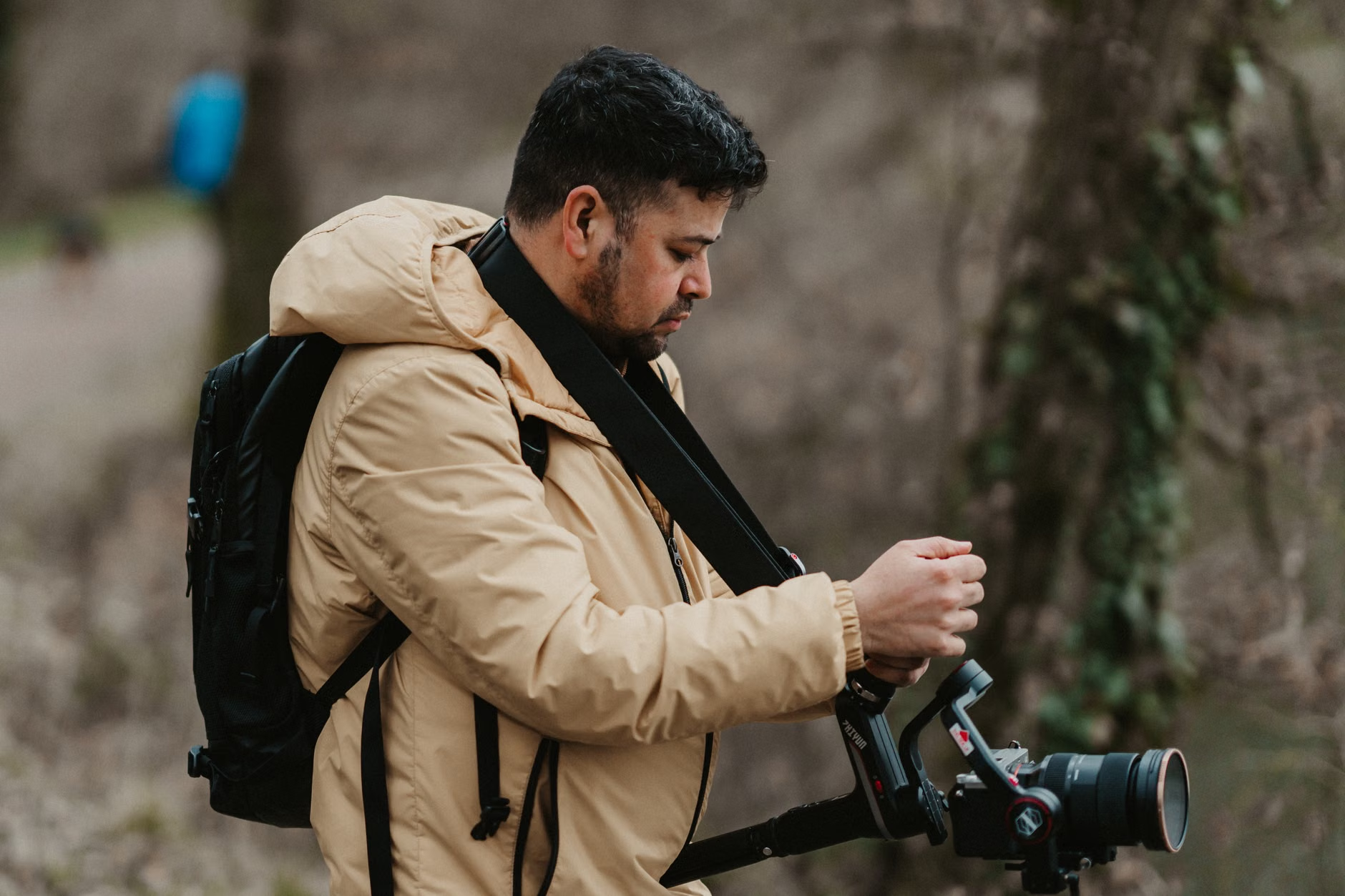
- Minimalist Packing: Prioritize a “one-bag” philosophy using a lightweight cross-body or ergonomic daypack to keep your center of gravity stable and hands-free for mobility aids.
- Accessibility First: Always verify museum floor plans for elevator locations, seating availability, and “quiet hours” before arriving to ensure a stress-free experience.
The Philosophy of Minimalist Museum Exploration
For the seasoned traveler, a trip to a world-class museum is often the highlight of an itinerary. However, museums are deceptive environments. They are vast, climate-controlled, and physically demanding, often requiring hours of standing on hard surfaces. For travelers aged 60 to 80, the secret to enjoying these cultural treasures lies not in how much you see, but in how effectively you manage your physical and mental energy. Minimalist travel is not just about packing light; it is about intentionality and protecting your stamina to ensure that the experience remains enjoyable from the first gallery to the last.
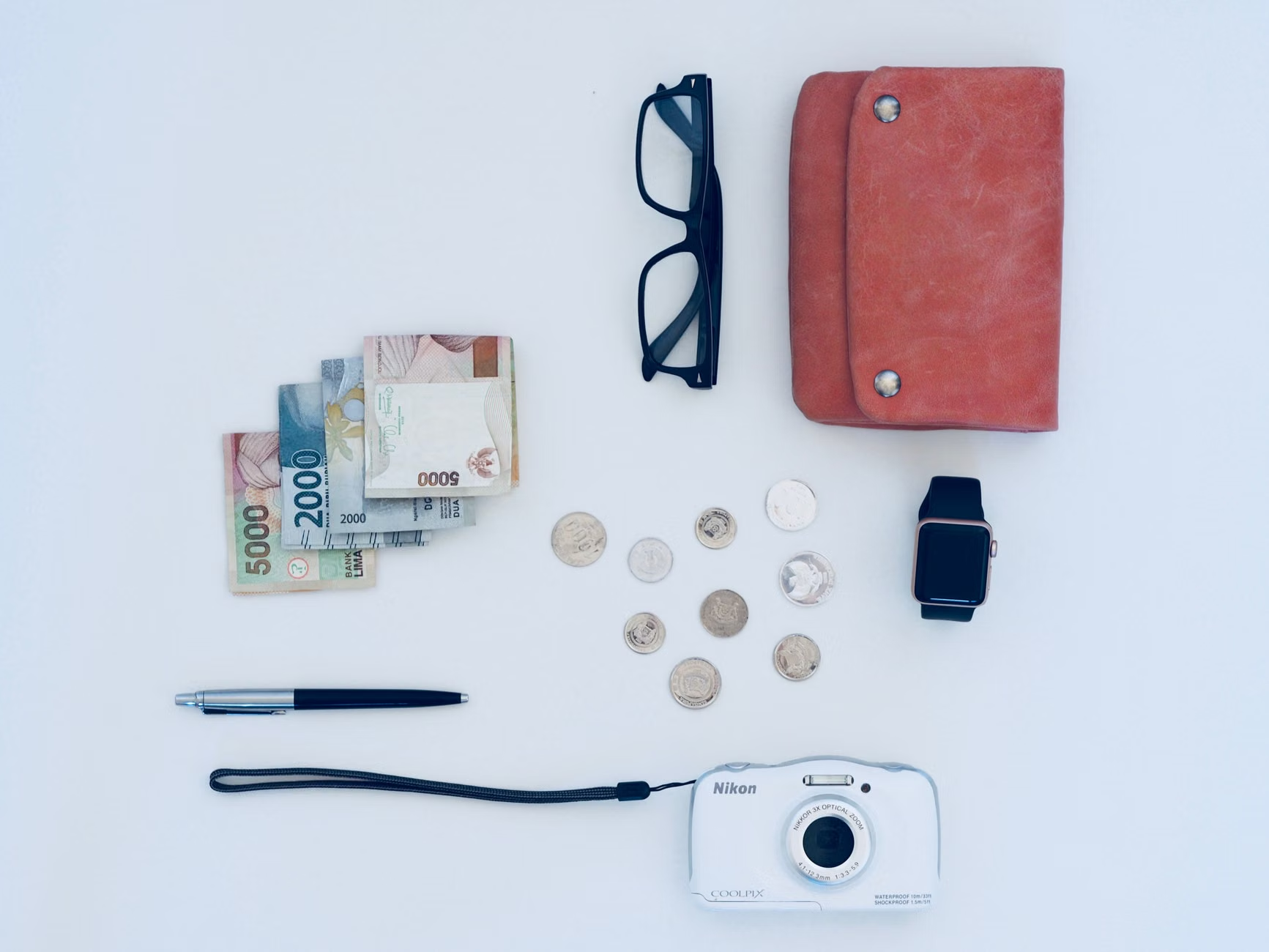
When we adopt a minimalist approach, we strip away the non-essential burdens—the heavy cameras, the overstuffed handbags, and the rigid schedules—that contribute to fatigue. By focusing on mobility, safety, and comfort, you transform the museum visit from an endurance test into a curated experience. This guide provides a framework for preparing for these trips, focusing on the practical logistics of gear, physical preparation, and navigating large cultural institutions.
Evaluating Your Mobility and Stamina Requirements
Before packing a single item, you must assess your personal mobility requirements for the specific museum you plan to visit. Museums are not uniform; a historic building with stone floors and stairs poses a different challenge than a modern, glass-and-steel structure with elevators and polished concrete floors.
The “Stamina Budget” Framework
Think of your physical energy as a finite daily budget. Every step taken on hard museum floors is a withdrawal from this budget. To manage this effectively, categorize your museum visits using the following criteria:
| Museum Type | Floor Surface | Accessibility Level | Recommended Duration |
|---|---|---|---|
| Historical/Palace | Uneven stone/wood | Low (stairs common) | 90 minutes maximum |
| Modern Art Gallery | Concrete/Carpet | High (elevators/ramps) | 2-3 hours |
| Natural History/Vast | Tile/Hard floor | Moderate | 2 hours with breaks |
Decision Criteria: If you have existing concerns regarding joint health or balance, always prioritize institutions that provide complimentary wheelchair rentals. Many major museums, such as the British Museum or the Metropolitan Museum of Art, offer these as a standard service. Utilizing a wheelchair—even if you are capable of walking—allows you to conserve energy for the specific exhibits you truly wish to see, rather than wasting it on transit between galleries.
Curating Your Minimalist Packing List
The goal of minimalist packing for a museum day is to minimize weight on your shoulders and spine while ensuring you have the necessary tools for self-care. A heavy bag shifts your center of gravity, which can affect your balance on slippery floors or while navigating crowded exhibit halls.
The Essential Gear Checklist
- The Bag: Choose a lightweight, water-resistant cross-body bag or a small, ergonomic daypack with a chest strap. A chest strap distributes weight across your torso rather than pulling on your shoulders.
- The Footwear: Wear shoes with a non-slip rubber sole and adequate arch support. Do not wear new shoes; use footwear that has been “broken in” over several weeks of daily walking.
- The “Rest” Kit: A lightweight, foldable cane seat or a collapsible stool is an invaluable asset. If you are worried about carrying one, verify if the museum provides portable folding stools at the information desk.
- Hydration and Nutrition: Carry a small, refillable leak-proof bottle. Avoid sugary snacks that cause energy spikes and crashes; instead, pack a small portion of nuts or a piece of fruit.
Insight: Many travelers overlook the impact of ambient temperature. Museums are kept cold to preserve artifacts, which can lead to muscle stiffness in older adults. Pack a lightweight, compressible layer—such as a cashmere or merino wool cardigan—that can be easily stowed in your bag when not in use.

Once you arrive, your strategy should shift from “what to see” to “how to move.” A common mistake is attempting to see every exhibit in chronological order. This is a recipe for exhaustion. Instead, use the “Hub and Spoke” method.
The Hub and Spoke Method
Identify one “Hub” exhibit you are most interested in—perhaps a specific collection or a temporary exhibition. Once you have seen your primary interest, use the remaining time to visit one or two smaller galleries nearby. Do not feel compelled to walk the entire perimeter of the museum.
Managing Safety and Accessibility
Museums are often crowded, which can be disorienting. If you are traveling with a partner or caregiver, establish a “rendezvous point” at the information desk or a specific landmark within the museum. This removes the anxiety of losing track of one another in a labyrinthine building.
Communication with Staff: Do not hesitate to ask staff for the shortest route to the nearest seating area. In many cases, staff are trained to assist visitors with limited mobility and may be able to provide access to staff-only elevators or quieter routes that avoid heavy foot traffic.
Preventive Health and Recovery
Museum trips are physically taxing. The combination of walking and standing still—which is actually harder on the muscles than walking—requires a recovery strategy.
Post-Visit Recovery
After leaving the museum, do not immediately head to another activity. Schedule a “recovery hour.” Find a nearby café where you can sit with your legs elevated if possible, and hydrate. This period allows your muscles to recover from the static standing, which reduces the risk of inflammation or swelling in the lower extremities.
Warning Signs of Overexertion: If you experience sharp joint pain, sudden dizziness, or excessive shortness of breath, stop immediately and ask for assistance. Museum staff are equipped with basic first aid protocols and can provide access to a quiet room or medical assistance if necessary. Never push through physical pain in an environment where you are navigating unfamiliar terrain.
Planning Your Itinerary: The 60-80 Age Bracket Considerations
When planning your trip, consider the “Time of Day” factor. Museums are significantly less crowded—and therefore safer and more accessible—during weekday mornings shortly after opening. Avoid weekends and public holidays, which increase the risk of being bumped in crowds, a significant concern for those who value stability.
Digital Tools for Preparation
Most major museums now offer digital floor maps on their websites. Download these before you leave home. Look for the “Accessibility” or “Visitor Information” tab on the museum’s official website. This will often provide specific details on:
- Elevator locations and dimensions.
- Restroom accessibility and placement.
- The number of stairs involved in specific routes.
- Temporary closures of galleries.
Professional Tip: If you rely on digital devices for your health, such as a continuous glucose monitor or a hearing aid, ensure your phone or controller is fully charged. Carry a slim, high-capacity power bank. A dead phone in a large, confusing museum can be a source of significant, unnecessary stress.
Conclusion: The Joy of Curation
Minimalist museum travel is about choosing quality over quantity. By preparing your gear, understanding your physical capacity, and utilizing the accessibility resources provided by institutions, you can enjoy the world’s greatest cultural sites without compromising your wellbeing. Remember that the goal is not to “conquer” the museum, but to engage with the art or history at a pace that allows for true appreciation and reflection. Keep your load light, your pace steady, and your focus on the experience rather than the exhaustion.
Frequently Asked Questions
1. Is it considered rude to ask for a folding stool at a museum?
Not at all. Most major museums provide these as a standard accessibility feature for all visitors, regardless of age. It is a proactive way to manage your stamina, and the staff are accustomed to such requests.
2. How do I know if a museum will be too physically demanding for me?
Check the “Accessibility” page on the museum’s website. Look for mentions of “step-free access,” “elevator availability,” and “seating throughout the galleries.” If the information is unclear, call the museum’s visitor services department directly and ask: “Is there sufficient seating in the galleries for someone who needs to rest frequently?”
3. What should I do if I feel overwhelmed by the size of the museum?
Identify the nearest information desk and speak to a staff member. Tell them you are feeling tired and would like to see the “highlights” in a way that minimizes walking. They can often provide a curated map or direct you to a shuttle or elevator route that bypasses the most strenuous sections.
Official resources for museum accessibility can be found at the following sites: