- Manganese is a vital trace mineral that supports bone health, enzyme function, and metabolic regulation, which are critical for maintaining independence between ages 60 and 80.
- Most seniors can meet their manganese needs through a varied diet of whole grains, nuts, legumes, and leafy greens; supplements are rarely necessary and may lead to toxicity if taken in excess.
- Metabolic health is best supported by integrating manganese-rich foods into a balanced routine that prioritizes fiber and complex carbohydrates rather than relying on isolated nutrient intake.
For adults aged 60 to 80, maintaining metabolic health is a cornerstone of longevity and quality of life. While vitamins like D and B12 often dominate the conversation, trace minerals play an equally significant role in our physiological maintenance. Manganese is one such essential element. Often overshadowed by calcium or iron, manganese acts as a “silent partner” in hundreds of biochemical reactions in the human body, specifically those involving protein metabolism, bone formation, and the regulation of blood sugar.
Understanding Manganese: Beyond the Basics
Manganese is a trace mineral, meaning the body requires it only in small amounts. Despite these small requirements, it serves as a crucial co-factor for enzymes. An enzyme co-factor is a non-protein chemical compound that is “bound” to an enzyme and is required for the enzyme’s biological activity. Without sufficient manganese, your body’s ability to process carbohydrates, amino acids, and cholesterol is significantly impaired.
For the aging population, the importance of manganese is twofold. First, it is integral to the synthesis of cartilage and bone tissue. As we move into our 60s, 70s, and 80s, preserving bone density and joint flexibility is essential for mobility. Second, it plays a role in the body’s antioxidant defense systems, specifically through the enzyme superoxide dismutase (SOD). This enzyme helps neutralize free radicals, which are unstable molecules that can cause cellular damage over time.
The Role of Manganese in Metabolic Regulation
Metabolic health refers to how efficiently your body turns food into energy and manages blood sugar levels. As we age, our metabolic rate naturally slows, and our insulin sensitivity—the ability of our cells to respond to insulin—often decreases. This shift can lead to higher blood glucose levels and an increased risk of type 2 diabetes or metabolic syndrome.
1. Blood Sugar Management
Research suggests that manganese is involved in the production and secretion of insulin. While it is not a “cure” for diabetes, adequate levels of manganese support the body’s natural regulatory systems. For older adults, focusing on diet-derived manganese is a safer, more sustainable strategy than attempting to influence these pathways through high-dose supplementation.
2. Carbohydrate and Lipid Metabolism
Manganese-dependent enzymes are responsible for the breakdown of carbohydrates and the metabolism of cholesterol. When these processes function optimally, the body is better equipped to maintain stable energy levels throughout the day, avoiding the “crashes” associated with poor glucose metabolism.
Sources of Manganese: A Practical Dietary Approach
Unlike some nutrients that require fortification or supplementation, manganese is widely available in whole, unprocessed foods. The following table outlines common sources of manganese and their utility in a daily diet.
| Food Group | Examples | Practical Usage Tip |
|---|---|---|
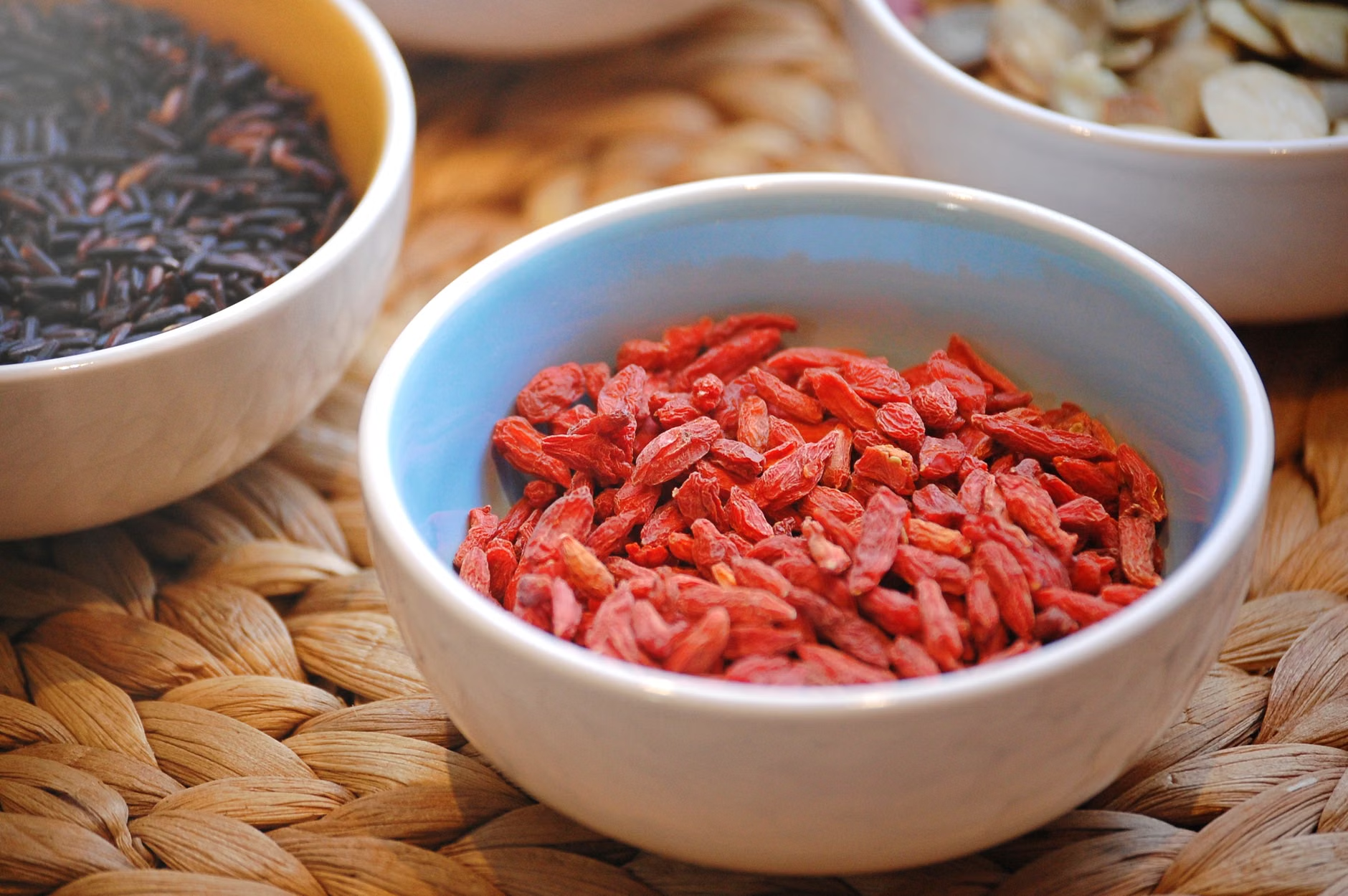
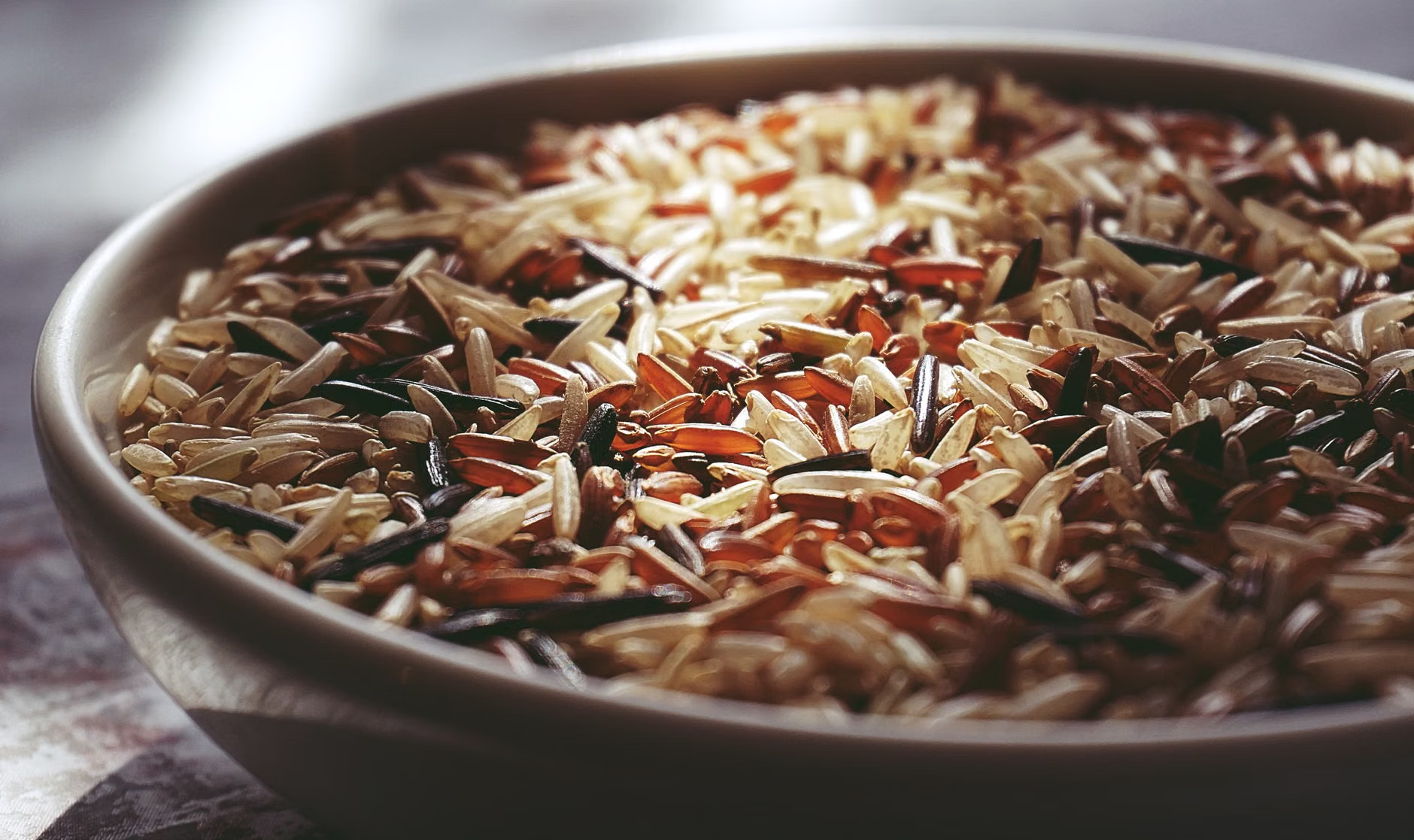
| Whole Grains | Brown rice, oats, quinoa, buckwheat | Swap white bread/rice for whole-grain alternatives in at least two meals daily. |
| Nuts and Seeds | Hazelnuts, pecans, pumpkin seeds | Keep a small portion (a handful) as a snack or add to morning yogurt. |
| Legumes | Chickpeas, lentils, black beans | Add to soups or salads to increase fiber and mineral density simultaneously. |
| Leafy Greens | Spinach, kale, Swiss chard | Lightly steam or sauté to improve digestibility for those with sensitive stomachs. |
It is important to note that the bioavailability of manganese—the amount that your body actually absorbs—varies based on the food source. Plant-based sources are generally excellent, but they also contain compounds like phytates, which can slightly inhibit absorption. This is a normal part of digestion and rarely an issue unless the diet is extremely restrictive.
The Risks of Over-Supplementation
In the world of senior health, there is a common misconception that “more is better.” When it comes to trace minerals like manganese, this is dangerous. Manganese toxicity is a real clinical concern, particularly because the mineral can accumulate in the brain if taken in excessive amounts via supplements.
Unlike dietary manganese, which is regulated by the body’s natural absorption mechanisms, high-dose supplements bypass these checks and balances. For older adults, particularly those with liver function concerns or neurological conditions, excessive manganese intake can mimic symptoms of movement disorders. Always consult with a primary care physician or a registered dietitian before starting any mineral supplement. If you are eating a varied, whole-food diet, the likelihood of needing a manganese supplement is extremely low.
Integrating Manganese into Your Lifestyle
Making dietary changes in your 60s, 70s, and 80s should be about convenience and enjoyment rather than rigid restriction. Here is a practical framework for incorporating manganese-rich foods into your routine:
- Morning: Start your day with a bowl of oatmeal topped with a tablespoon of pumpkin seeds or crushed pecans. This provides immediate access to manganese and healthy fats.
- Midday: If you enjoy salads, mix in dark leafy greens like kale or spinach. If you prefer a warm lunch, a lentil or bean-based soup is an excellent source of manganese and protein.
- Evening: Choose whole grains as your primary side dish. Brown rice or quinoa pairs well with lean proteins like fish or poultry.

When to Consult a Professional
If you are concerned about your metabolic health or suspect a deficiency, do not attempt to self-diagnose through blood tests you may find online. Clinical assessment for mineral status is complex. A doctor will typically consider:
- Your Medication List: Some medications interact with nutrient absorption. Bring a full list of all prescriptions, over-the-counter drugs, and herbal supplements to your appointment.
- Symptoms of Metabolic Dysfunction: Persistent fatigue, unexplained blood sugar fluctuations, or joint pain should be discussed in the context of your overall health, not just nutrition.
- Dietary History: Be prepared to explain what you eat in a typical week. Keeping a 3-day food log before your appointment can be incredibly useful for your physician.
As you read about health, you will inevitably encounter conflicting reports on minerals. Much of this research is conducted in laboratory settings or animal models. When applying this to your life, prioritize human-based, observational, or clinical studies that look at long-term outcomes. Remember that no single nutrient is a “magic bullet.” Metabolic health is the result of a cumulative lifestyle that includes consistent movement, adequate hydration, social engagement, and a diet rich in diverse, whole foods.
For those interested in official guidance, the Office of Dietary Supplements (ODS) at the National Institutes of Health (NIH) provides evidence-based fact sheets that are excellent for understanding standard requirements. For international readers, checking your local health ministry’s dietary guidelines (such as the NHS in the UK or similar government health portals) will provide the most relevant context for your specific region’s food supply and public health advice.
Conclusion: A Sustainable Approach to Vitality
Manganese is a vital, yet often overlooked, component of a healthy aging strategy. By focusing on whole, manganese-rich foods—grains, legumes, nuts, and greens—you provide your body with the tools it needs to maintain metabolic efficiency, support bone strength, and defend against cellular stress. Rather than seeking out supplements, look to your kitchen as the primary source of these essential nutrients. By making small, sustainable shifts in your daily meals, you build a foundation of health that supports you in remaining active, independent, and energized throughout your 60s, 70s, and beyond.
Frequently Asked Questions (FAQ)
1. Can I get enough manganese from a vegetarian or vegan diet?
Yes, in fact, plant-based diets are often naturally higher in manganese because the best sources are whole grains, nuts, seeds, and legumes. As long as your diet is varied and not overly reliant on processed foods, you will likely meet your nutritional needs.
2. Are there any medications that interact with manganese absorption?
Yes. Certain medications, including some antacids, antibiotics, and blood pressure medications, can potentially interfere with the absorption of various minerals. Always review your medication list with your doctor or pharmacist to see if your specific regimen requires you to space out your intake of certain foods or supplements.
3. How do I know if I have a manganese deficiency?
Manganese deficiency is very rare in healthy adults because it is found in so many common foods. Symptoms of deficiency are not easily identified through self-assessment and can mimic many other conditions. If you are experiencing symptoms like chronic fatigue or joint issues, it is best to consult your doctor for a comprehensive check-up rather than assuming a nutrient deficiency.