By 2026, the landscape of residential housing for older adults is undergoing a significant transition toward intergenerational models. These communities, which intentionally mix age groups, are moving from niche social experiments to mainstream housing solutions designed to combat isolation, share resources, and provide mutual support. For those aged 60 to 80, understanding these shifts is essential for planning a sustainable and socially vibrant future.
- Intergenerational housing is shifting from informal arrangements to structured, architecturally designed communities that offer both private independence and shared social infrastructure.
- Legal frameworks and government subsidies are increasingly favoring “age-in-place” developments that integrate social services, reducing the need for premature transitions to institutional care.
- Choosing the right community requires evaluating not just location and cost, but the “social contract”—the level of expected interaction and shared responsibility among residents.
The Evolution of Intergenerational Living: Why 2026 Marks a Turning Point
For decades, housing for older adults was often categorized as either independent living, assisted living, or traditional family homes. However, the 2026 housing market reflects a growing recognition that these silos often contribute to loneliness and a loss of community connection. The current shift is defined by the integration of “co-living” principles where residents of different ages—often students, young professionals, and retirees—live in the same building or complex with shared common areas.
This model matters because it addresses two critical issues simultaneously: the housing affordability crisis for younger generations and the social isolation experienced by many older adults. In 2026, we are seeing a rise in “purpose-built” intergenerational housing that includes universal design features—such as wider hallways, zero-threshold showers, and smart home technology—that benefit all residents regardless of age.
The Shift from Passive to Active Community Engagement
In previous years, many “senior-friendly” developments were designed to isolate older adults from the bustle of the wider community. The 2026 model flips this. Developers are now prioritizing “active engagement” zones. These are not just recreation rooms; they are functional, shared spaces like workshops, community kitchens, or co-working offices that encourage natural, daily interactions between a 70-year-old resident and a 25-year-old neighbor.
What does this look like in real life? Imagine a residential complex in a mid-sized city where the ground floor is a public-facing cafe and library managed by the residents. The older residents might mentor the younger ones in professional skills or local history, while the younger residents assist with digital tasks or heavy lifting. It is a symbiotic relationship, not a service-based one.
Evaluating Your Options: A Framework for Decision Making
When considering a move into an intergenerational community, it is vital to look beyond the brochure. You must assess the “social contract” of the facility. Some communities are highly structured, with mandatory volunteer hours or social events, while others are “laissez-faire,” offering shared spaces but minimal social requirements.
Use the following criteria to evaluate whether a community fits your lifestyle and physical needs:
| Criteria | Structured Model | Flexible/Independent Model |
|---|---|---|
| Social Expectation | High; participation in committees or events is expected. | Low; residents interact at their own pace. |
| Management | Professional staff manage social programming. | Resident-led; democratic governance. |
| Cost Structure | Higher, due to included services and staff. | Lower, typically closer to market-rate rent. |
| Best For | Those seeking active daily engagement. | Those valuing privacy with optional social access. |
Practical Decision Rule: If your goal is to reduce your household maintenance and increase social interaction, look for a community with a “resident-curated” calendar. If you prefer to maintain a quiet, private life but want the safety of a neighborly environment, prioritize developments that focus on “universal design” rather than “programmed social activities.”

As of 2026, government policies in many regions—including parts of the EU, Canada, and Australia—have begun to offer tax incentives for developers who dedicate a percentage of their units to intergenerational housing. However, the legal structure of these arrangements can be complex. You may encounter “Life Lease” models, “Co-operative” ownership, or traditional rental agreements.
Key Legal Considerations
- Tenancy Agreements: Ensure your lease clearly defines your rights regarding common area use. In some jurisdictions, shared spaces are considered “amenities” that can be restricted by management.
- Governance Rights: In co-operative housing, you have a vote in how the community is run. Verify if your contract allows for participation in building decisions.
- Exit Clauses: Always check the terms for leaving the community. Does the housing entity buy back your interest, or are you responsible for finding a new tenant?
Hidden Inconvenience: One often-overlooked factor is the “turnover rate” of younger residents. Because younger demographics are more transient, you may find that your social circle in an intergenerational community changes more frequently than in a traditional retirement village. This is not necessarily a negative, but it is a reality of the dynamic.
Universal Design and Mobility: The 2026 Standards
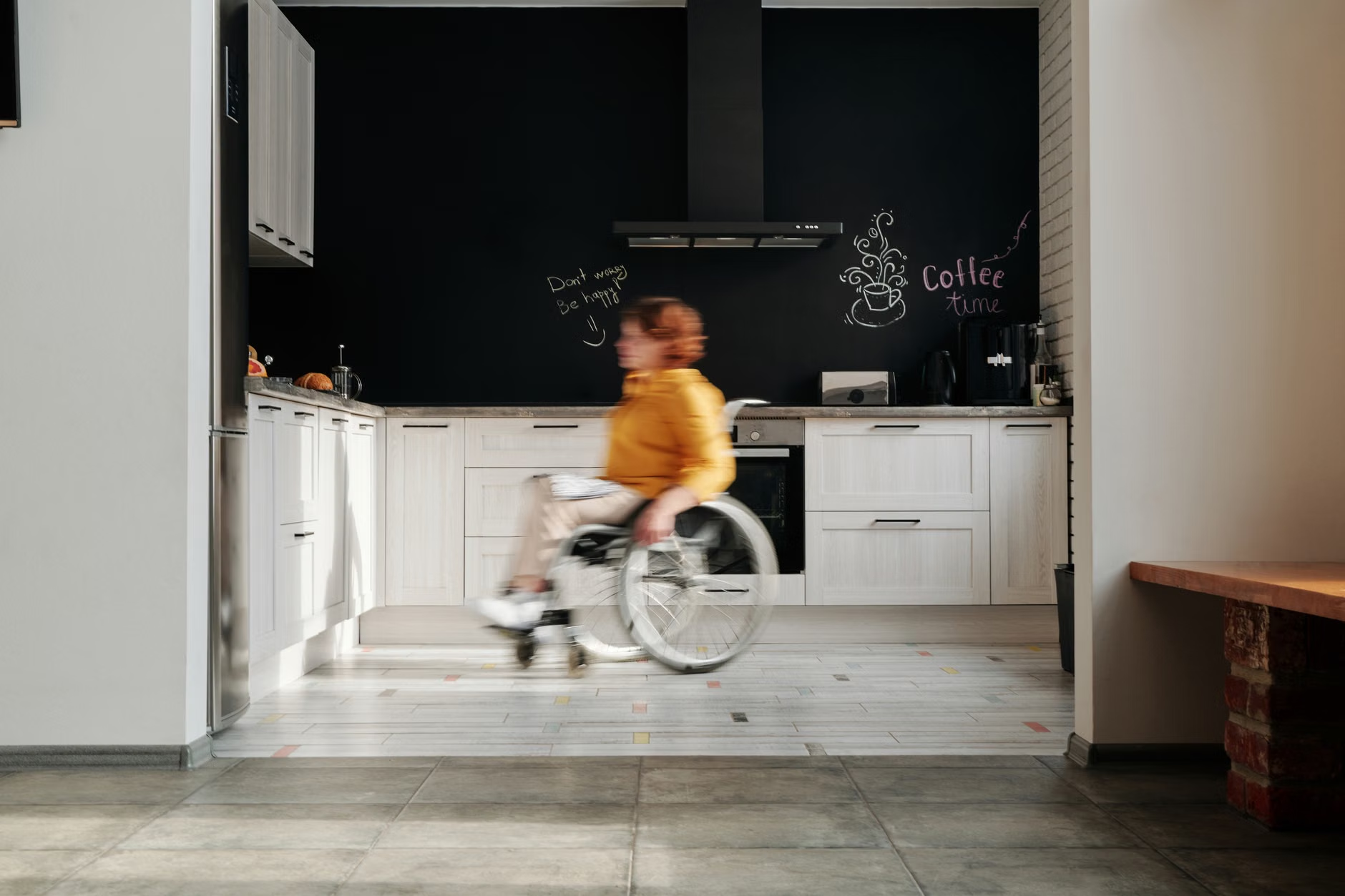
Any housing community marketed as “intergenerational” must, by definition, be accessible to all. By 2026, the standard for these communities includes more than just ramps. We are seeing the adoption of “smart aging” technology. This includes voice-activated lighting, fall-detection sensors that do not require wearables, and automated climate control systems.
When touring a potential new home, check for these specific features:
- Zero-Step Entrances: Ensure there is no lip between the balcony/patio and the interior.
- Lighting Quality: Look for high-CRI (Color Rendering Index) lighting that reduces glare, which is critical for those with changing vision.
- Acoustic Privacy: In shared buildings, soundproofing is often a weakness. Test the sound isolation between your unit and the hallways or common rooms.

Safety and Support Infrastructure
While these communities are not assisted-living facilities, they often partner with local home-care agencies. In 2026, many developments are offering “on-call” coordination services. This means if you have a temporary health setback, the building management can help facilitate the arrival of home-health aides or meal deliveries. This is a crucial middle-ground, allowing you to maintain independence while having a safety net in place.
Warning Sign: If a developer promises “full healthcare integration” but cannot provide a list of local, licensed providers they work with, treat this as a red flag. You should always maintain your own relationship with your primary care provider and not rely solely on the housing facility’s network.
Practical Steps for Transitioning
Moving is a significant life event. When considering a move to an intergenerational model, follow this step-by-step approach to minimize stress and ensure the best outcome:
- Audit Your Current Needs: Write down the three activities of daily living that you find most challenging or time-consuming (e.g., yard work, grocery shopping, home repairs).
- Define Your Social Threshold: Determine how much social interaction you want daily. Do you want to eat dinner with others, or just have a neighbor to say hello to?
- Visit During Off-Hours: Don’t just tour the property during the official open house. Visit the neighborhood on a Tuesday morning or a Saturday evening to see how the community actually functions when it isn’t being “shown.”
- Review the Bylaws: Ask for the community’s “community standards” or bylaws. These documents will tell you more about the culture of the place than any marketing materials.
- Check Local Transit: Even if you drive, evaluate the proximity to public transport. Intergenerational communities are often located in urban or semi-urban areas to encourage walkability, which is a major benefit for long-term mobility.
Conclusion: Balancing Independence and Connection
The rise of intergenerational housing in 2026 represents a shift toward a more holistic view of aging. It is not about retreating from the world, but about finding a living environment that supports your independence while fostering meaningful connections across age groups. By focusing on communities that offer a balance of private space, universal design, and a clear, manageable social contract, you can secure a living situation that remains viable and enjoyable for years to come.
Ultimately, the best housing choice is one that allows you to remain the primary decision-maker in your life while benefiting from the shared resources and social energy of a diverse community. As you explore these options, prioritize your own comfort and long-term physical needs above the novelty of the community model. The most successful residents in these environments are those who enter with a clear understanding of their own boundaries and a genuine interest in the community life around them.
Frequently Asked Questions
1. Is intergenerational housing the same as assisted living?
No. Intergenerational housing is generally designed for independent living. While some communities may offer optional services or be located near care facilities, they do not provide 24/7 medical supervision. They are residential communities, not healthcare institutions.
2. How do I find these communities in my country?
Start by searching local government housing portals for “co-living” or “multigenerational housing” initiatives. Additionally, non-profit organizations focused on senior advocacy often maintain directories of innovative housing models. In many jurisdictions, you can also filter real estate listings by specific community-living keywords.
3. What if I feel uncomfortable living with younger people?
It is perfectly acceptable to prioritize housing that caters to your age group. If you prefer a quieter environment, look for “Active Adult” communities (often 55+). These offer the benefits of a community and shared amenities without the potential noise or high-energy interactions that can sometimes accompany intergenerational developments.
Official resources for further research: