- Succulents are ideal for indoor environments because they require minimal watering and thrive in natural, indirect light, making them perfect for those who want a low-stress, rewarding hobby.
- Prioritize ergonomics and accessibility by setting up your succulent garden at waist-height or on rolling carts to avoid unnecessary bending, kneeling, or heavy lifting.
- Mindful gardening is a practice of observation; learning to read the subtle signs of your plants—such as leaf texture or color changes—promotes cognitive engagement and provides a sense of accomplishment without the physical strain of traditional outdoor gardening.
The Intersection of Mindful Living and Indoor Gardening
For many adults, the transition into retirement or a slower pace of life brings a desire for hobbies that are both mentally stimulating and physically manageable. Indoor succulent gardening has emerged as a premier choice for this demographic. Unlike high-maintenance outdoor vegetable patches that require extensive digging, weeding, and seasonal labor, succulents offer a controlled, quiet, and deeply satisfying engagement with nature.
Mindfulness in this context is not merely about relaxation; it is about the intentional observation of life cycles. When you care for a succulent, you are participating in a slow-motion biological process. By observing how a plant responds to sunlight, water, and seasonal changes, you cultivate a heightened awareness of your immediate environment. This practice can reduce cortisol levels, improve focus, and provide a structured routine that anchors your day.
Selecting the Right Succulents for Your Home
Not all succulents are created equal. When selecting plants, it is crucial to consider the specific light conditions of your home and the level of maintenance you prefer. Many beginners make the mistake of choosing plants based solely on aesthetics, only to find that some species require specific light intensities that their living space cannot provide.
Recommended Species for Indoor Success
| Plant Name | Light Requirement | Watering Frequency | Ease of Care |
|---|---|---|---|
| Snake Plant (Sansevieria) | Low to Bright Indirect | Every 3-4 weeks | Excellent for beginners |
| Jade Plant (Crassula) | Bright Indirect | Every 2 weeks | Moderate |
| Aloe Vera | Bright Direct/Indirect | Every 2-3 weeks | Moderate/Functional |
| Haworthia | Low to Moderate Indirect | Every 3 weeks | Very easy |
The table above highlights that plants like the Snake Plant and Haworthia are highly resilient, making them suitable for rooms with less natural light. Conversely, plants like Aloe Vera require a bit more attention to light exposure to prevent them from becoming “leggy” or stretching out in search of the sun.
Creating an Ergonomic Gardening Station
The primary barrier to indoor gardening for older adults is often the physical strain associated with maintaining plants. To make this hobby sustainable and enjoyable, you must rethink the traditional “floor-level” gardening approach. The goal is to bring the garden to you.
Designing for Accessibility
- Elevated Surfaces: Utilize waist-high tables or sturdy shelving units. This eliminates the need to bend over, protecting your lower back and knees.
- Mobility: Place your larger succulent arrangements on rolling plant caddies. This allows you to easily move your plants to follow the sun or to clear space for cleaning without heavy lifting.
- Lightweight Materials: Use plastic or resin pots that look like ceramic but weigh a fraction of the amount. When you need to rotate or repot plants, the reduced weight makes a significant difference in preventing muscle strain.
- Precision Tools: Invest in long-handled tweezers or specialized scoops. These tools extend your reach and allow for delicate work without requiring fine motor precision that might be hindered by arthritis or other conditions.
The Science and Practice of Watering
The most common cause of succulent failure is overwatering. Succulents are designed by nature to store water in their leaves, stems, or roots. When you water them too frequently, the roots have no time to dry out, leading to rot. Learning to “listen” to your plants is a key component of the mindful gardening experience.
The “Soak and Dry” Method
Rather than watering on a fixed calendar schedule—which can ignore variables like home humidity or temperature fluctuations—use the “soak and dry” method. This involves waiting until the soil is completely dry to the touch before providing a thorough watering. To test this, you can use a simple wooden skewer: insert it into the soil, leave it for a minute, and pull it out. If it comes out damp or with soil clinging to it, the plant is not yet ready for water.
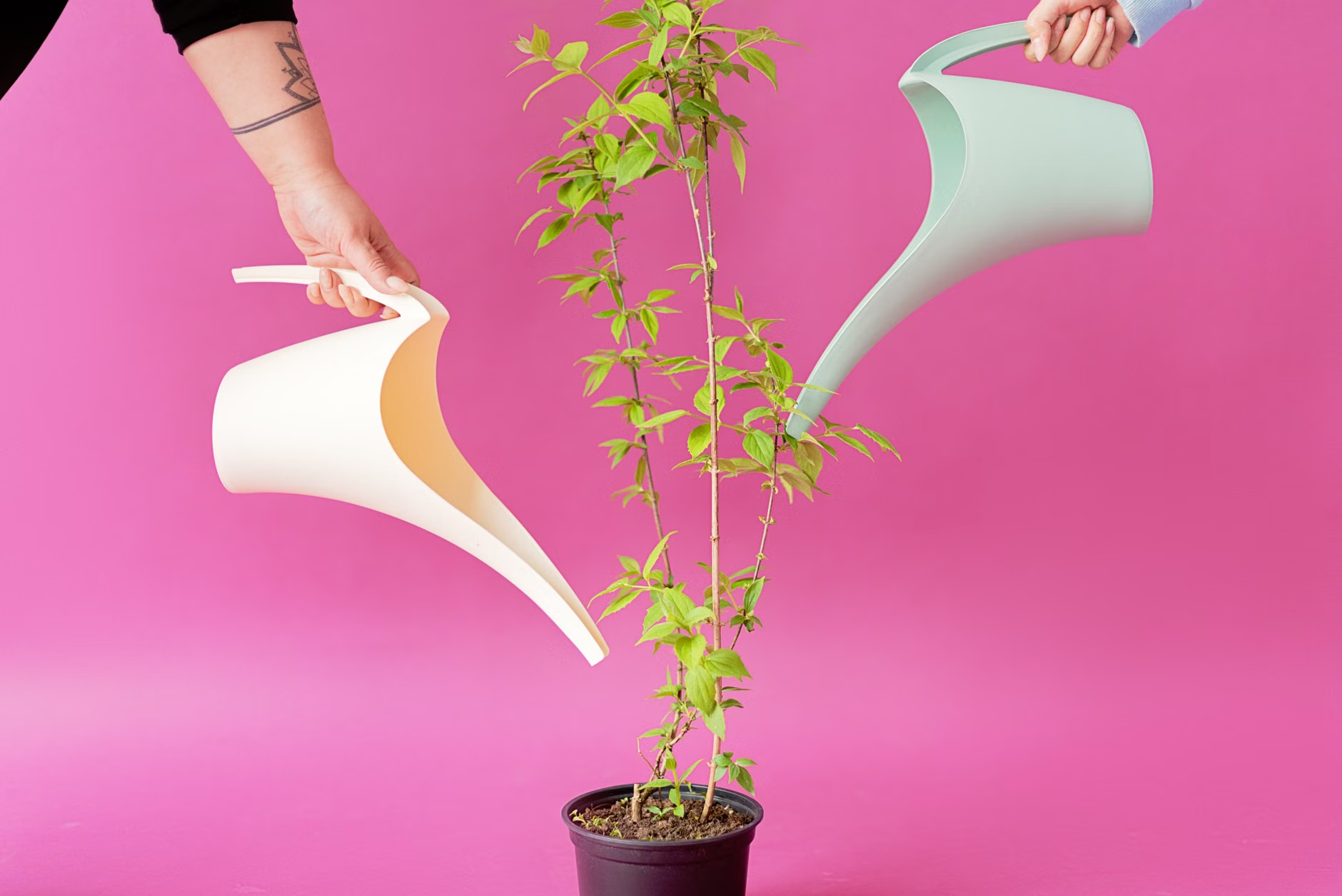
When you do water, focus on the base of the plant. Avoid getting water on the leaves, as this can cause fungal issues, especially in humid environments. A narrow-spout watering can is an essential tool for this task, as it provides the precision needed to direct water exactly where it is needed without creating a mess on your furniture.
Advanced Care: Repotting and Propagation
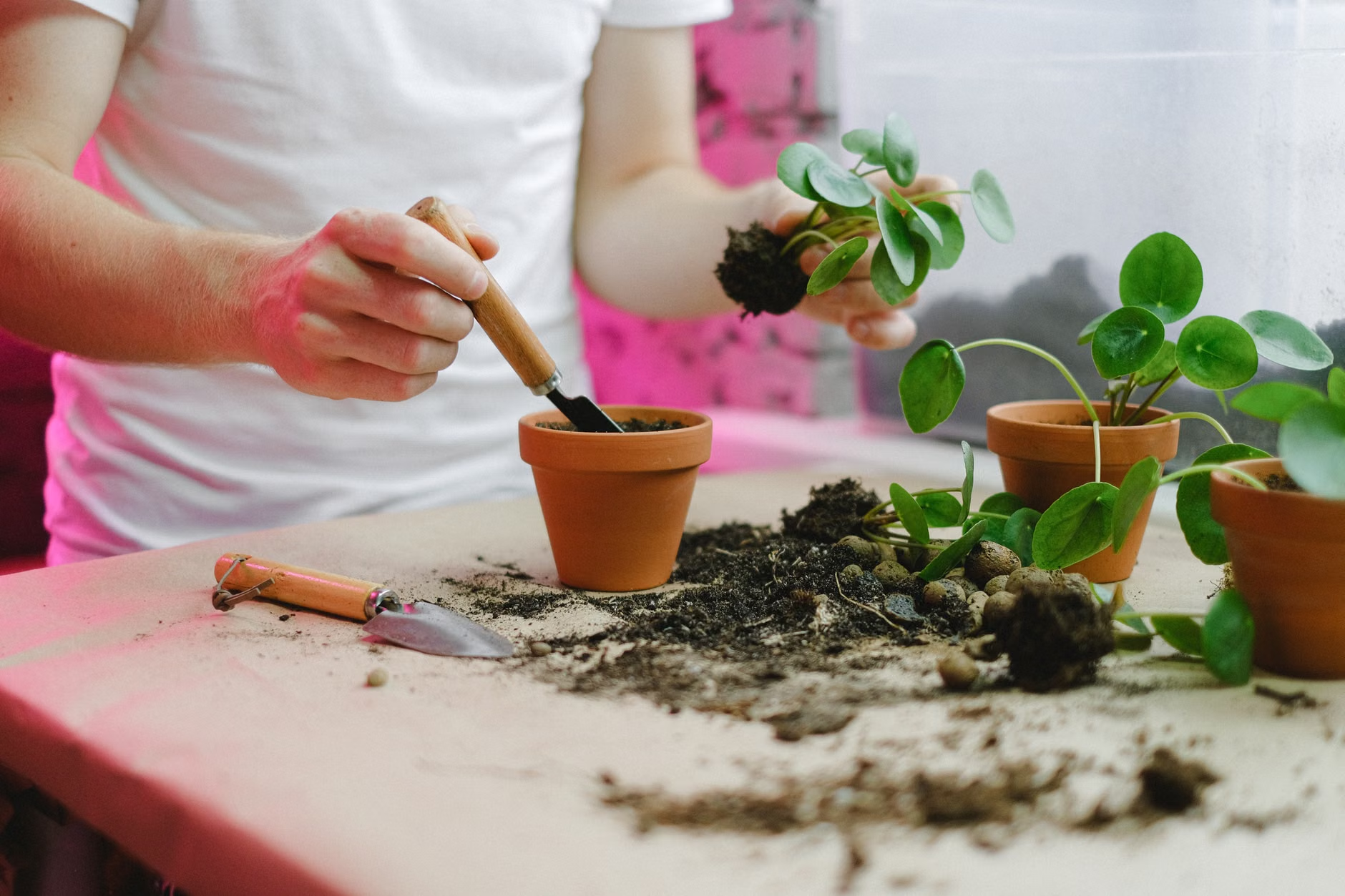
As your succulents grow, they may eventually outgrow their containers. Repotting is a rewarding activity that allows you to inspect the health of the root system. Use a well-draining soil mix specifically formulated for cacti and succulents. These mixes contain pumice, perlite, or sand, which prevent the soil from becoming compacted—a common issue with standard potting soil.
Propagation is another fascinating aspect of this hobby. Many succulents can be grown from a single leaf or a stem cutting. This is a slow, methodical process that requires patience. By placing a healthy leaf on a dry bed of soil and waiting for tiny roots and “pups” (baby succulents) to emerge, you are witnessing the resilience of life firsthand. This process is highly recommended for those who enjoy the “nurturing” aspect of gardening.
Overcoming Common Misconceptions
There is a widespread belief that succulents require almost no care at all. While they are low-maintenance compared to other plants, they are not “set and forget” items. Ignoring them entirely often leads to pests like mealybugs or scale, which can be difficult to manage if not caught early. A quick weekly inspection—looking at the undersides of leaves and the base of the stems—is all that is required to keep these issues at bay.
Another misconception is that all succulents require intense, direct desert sun. While many do, some varieties—such as the Gasteria or Haworthia—can suffer from sunburn if placed in harsh, direct light behind a south-facing window. Understanding the specific needs of your chosen species is the difference between a thriving collection and a struggling one. Always check the plant label or look up the specific genus online when you bring a new plant home.
Safety and Environmental Considerations
When gardening indoors, it is important to consider the environment. Ensure that your gardening space is well-lit and ventilated. If you are using fertilizers, ensure they are stored safely and that you follow the dilution instructions precisely. Using too much fertilizer can cause “burn” to the roots and leaves. Opt for a balanced, water-soluble fertilizer formulated for succulents, and apply it only during the growing season (typically spring and summer) rather than year-round.
Furthermore, be mindful of where you place your plants if you have pets. Some succulents, such as those in the Euphorbia family, can produce a milky sap that is irritating to the skin and toxic if ingested. Always research the toxicity of a plant before bringing it into a home with curious pets or small children.
Cultivating Cognitive Engagement
The hobby of succulent care provides a natural, low-stakes cognitive challenge. Keeping a simple logbook—either digital or handwritten—where you record the date of the last watering, the growth spurts, or the appearance of flowers, can serve as a great mental exercise. It encourages pattern recognition and helps you become more attuned to the subtle changes in your home environment. This type of record-keeping is not just functional; it is a way to track your own progress and success as a gardener.
The joy of indoor succulent care lies in the balance between structure and spontaneity. By setting up an ergonomic space, choosing the right plants for your specific environment, and adopting a mindful approach to care, you create a sustainable hobby that offers beauty, tranquility, and a sense of purpose. Whether you have one small pot on a windowsill or an entire shelf of diverse specimens, the process of nurturing these plants is a testament to the fact that growth and care are lifelong pursuits.
Frequently Asked Questions
1. How do I know if my succulent is getting enough light?
The most common sign of insufficient light is “etiolation,” where the plant begins to stretch, losing its compact shape and growing taller with more space between its leaves. If your succulent looks like it is “reaching” for the window, move it to a brighter location. If the leaves are turning yellow or translucent, it may be receiving too much direct, harsh sunlight.
2. Should I use special soil for my indoor succulents?
Yes, standard potting soil holds too much moisture, which can lead to root rot in succulents. You should use a “cactus and succulent mix,” which is specifically designed to drain water quickly. If you cannot find this at a local garden center, you can mix two parts standard potting soil with one part perlite or coarse sand to create your own well-draining medium.
3. What should I do if I notice pests on my succulents?
If you see small white cotton-like spots (mealybugs) or tiny bumps (scale), isolate the plant immediately to prevent the infestation from spreading. You can often remove these pests by dabbing them with a cotton swab dipped in 70% isopropyl alcohol. For larger infestations, insecticidal soaps formulated for houseplants can be used, but always test on a single leaf first to ensure the plant does not react negatively.
For further information on indoor plant safety and care, you can refer to the Royal Horticultural Society’s Guide to Houseplants, which provides comprehensive, science-backed advice on maintaining a healthy indoor garden.