- Request in advance: Always book Special Assistance (WCHR, WCHS, WCHC) at least 48 hours before your flight to guarantee service.
- Understand the codes: Familiarize yourself with International Air Transport Association (IATA) codes to ensure you receive the correct level of support.
- Be your own advocate: Carry printed confirmation of your assistance request and be prepared to communicate your mobility limitations clearly to gate staff.
Travel remains one of the most enriching experiences in life, offering the chance to discover new cultures and reconnect with loved ones. For travelers aged 60 to 80, however, the logistics of navigating modern, sprawling airport terminals can present physical challenges. Whether you are dealing with reduced stamina, joint pain, or the need for a mobility aid, understanding how to utilize airport assistance services is the key to maintaining independence and comfort throughout your journey.
Understanding IATA Special Assistance Codes
Airports and airlines operate using a standardized set of codes developed by the International Air Transport Association (IATA). These codes are the “language” used to communicate your specific needs to ground staff worldwide. Knowing these ensures that when you arrive at check-in, the agent knows exactly what equipment and personnel are required for your transit.
| Code | Description | Best For |
|---|---|---|
| WCHR | Ramp: Passenger can walk up/down stairs and move about the cabin but needs a wheelchair for long distances. | Travelers with reduced stamina or mild joint fatigue. |
| WCHS | Steps: Passenger cannot walk up/down stairs but can move about the cabin. | Travelers who can walk short distances but struggle with stairs or steep inclines. |
| WCHC | Cabin: Passenger is completely immobile and requires a wheelchair to and from the seat. | Travelers who require full assistance and lift support. |
It is a common mistake to under-report your mobility needs out of a desire for independence. If you have any doubt about your ability to walk the long, often carpeted distances between gates, request a WCHR. It is better to have the service and not need it than to arrive at a distant gate exhausted, which can impact your recovery time after the flight.
The Timeline for Booking Assistance
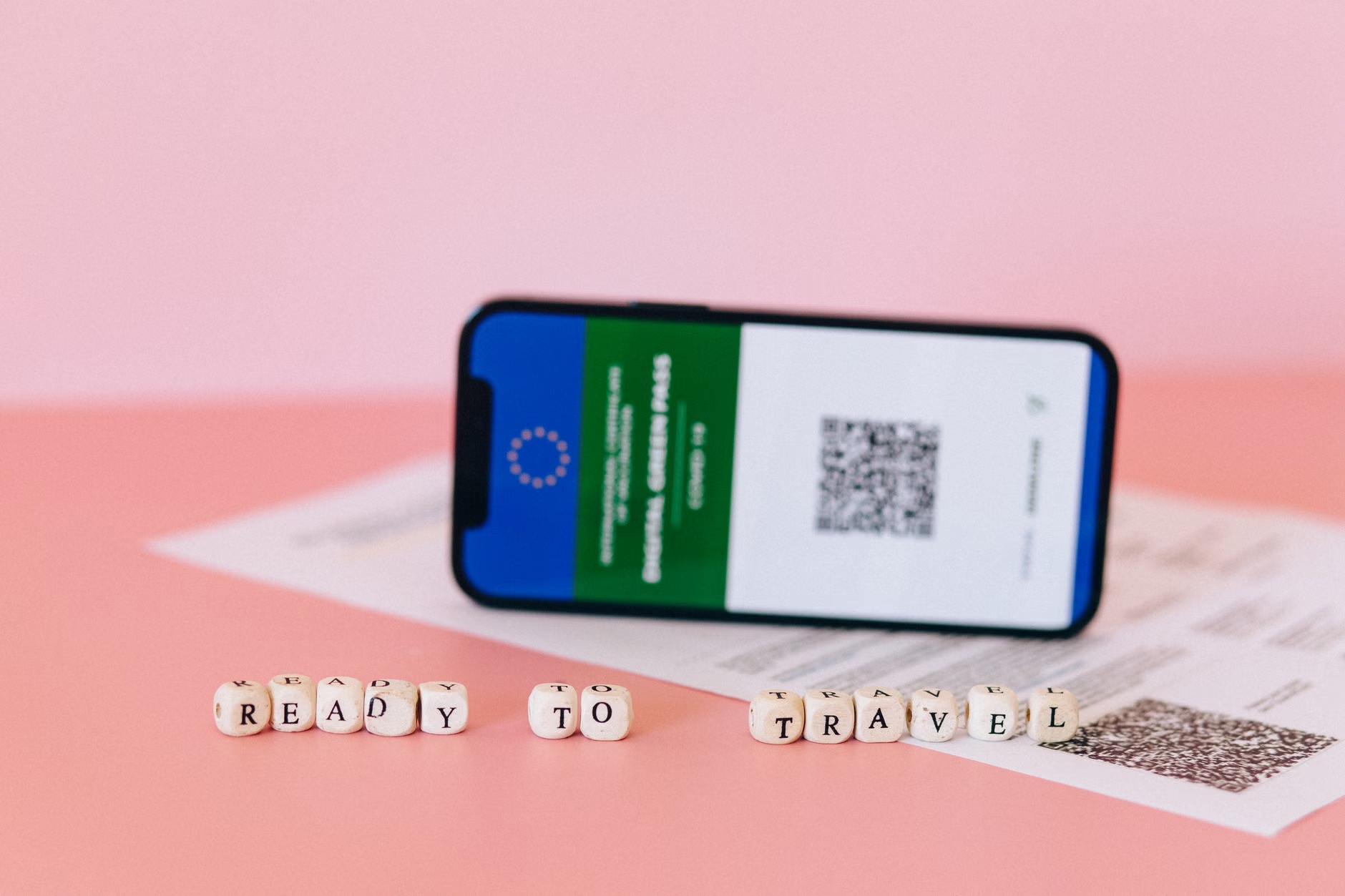
Assistance is not a “walk-up” service; it is a resource that must be allocated. The most critical rule is to book your assistance at the same time you book your flight. If you have already booked, contact the airline’s special assistance department no later than 48 hours before departure. This window allows the airport to staff the required number of personnel and prepare the necessary transport equipment.
What to do if you miss the 48-hour window
While 48 hours is the industry standard for guaranteed service, it is not always a hard stop. If you find yourself in a last-minute travel situation, call the airline immediately. Most major carriers will do their best to accommodate you, but be prepared for longer wait times at the airport. In such cases, arriving at the terminal at least three hours before an international flight or two hours before a domestic flight is essential.
Security is often the most anxiety-inducing part of the airport experience. However, travelers with disabilities or limited mobility are entitled to specific accommodations. You do not need to stand in the general queue if you have a medical condition that makes standing painful or difficult.
Practical steps for a smooth security experience:
- Declare your aid: If you use a cane, walker, or wheelchair, inform the security officer immediately.
- Request a private screening: If you prefer privacy due to medical devices or physical limitations, you have the right to request a private screening room.
- Know your rights: You are not required to walk through a metal detector if you cannot. You can request a physical pat-down, which will be performed by an officer of the same gender.

Managing mobility equipment
If you are traveling with your own wheelchair or scooter, understand the difference between “gate-checked” and “checked at the counter.” Gate-checking allows you to use your own mobility aid until the very moment you board the plane. This is almost always the preferred option, as it ensures you have your own familiar equipment upon arrival at your destination.
Communication Strategies at the Gate
Even with a confirmed booking, ground staff change shifts and communication gaps can occur. Treat your assistance confirmation as a starting point, not the final word. When you arrive at your departure gate, approach the desk well before boarding begins.
Introduce yourself clearly: “Good morning, my name is [Name]. I have a pre-booked WCHR request for this flight. Could you please confirm that the assistance team has been notified?”
This simple act of proactive communication serves two purposes: it alerts the staff to your presence, and it allows you to verify that the information is correctly entered in their current system. If you see a long line forming for boarding, do not wait until the very end. The best time to approach the gate agent is 45 to 60 minutes before departure, once the initial boarding preparation has settled.
Physical Stamina and Airport Recovery
One of the most overlooked aspects of senior travel is the “recovery time” required for the body to adjust to long-haul travel. Modern airports are designed for efficiency, not necessarily for comfort. Long walks, climate control that can be drying, and the physical stress of sitting for extended periods all contribute to fatigue.
Tips for managing energy:
- Use the lounge: If your budget allows, consider purchasing a day pass to an airport lounge. These spaces offer comfortable, quiet seating, accessible restrooms, and easy access to water and light snacks, which are vital for maintaining hydration and energy levels.
- Hydration and movement: Even when seated, perform gentle ankle rotations and calf stretches. If you are not using a wheelchair, walk the length of the terminal at a slow, steady pace to maintain circulation.
- The “Two-Hour Rule”: For every two hours spent traveling, plan for 30 minutes of “recovery” time where you are not moving, lifting bags, or navigating complex environments.
Addressing Potential Challenges: The “Hidden” Inconveniences
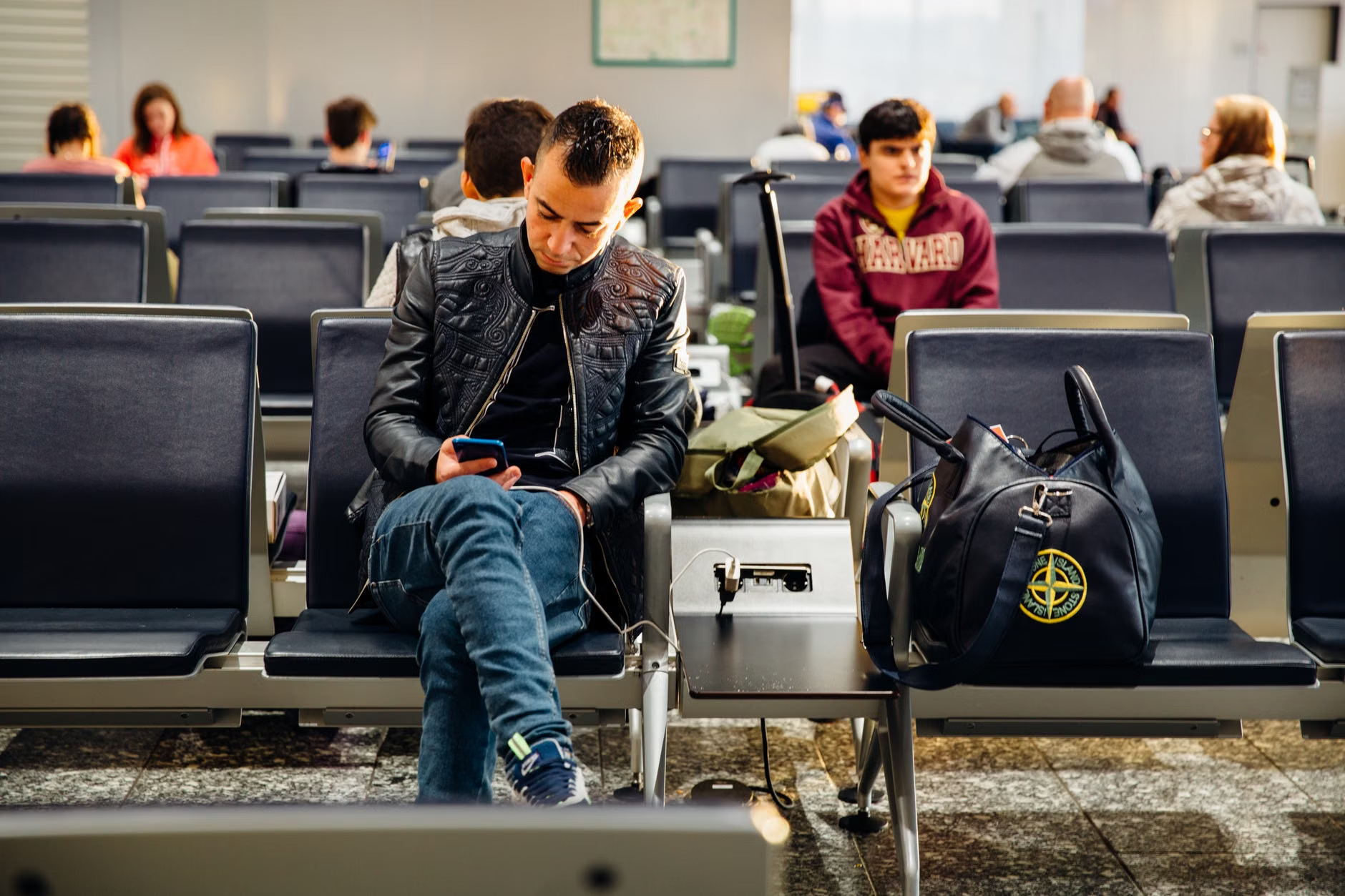
Sometimes, despite the best planning, things do not go perfectly. A wheelchair agent might be delayed, or the designated elevator might be out of service. Being prepared for these edge cases is what separates a stressful trip from a manageable one.
What to do if assistance is late:
If you have been waiting at your gate for more than 20 minutes past the expected arrival of your assistant, ask a fellow traveler or a nearby staff member to help you locate a gate agent. Do not attempt to walk to another part of the airport to find help if you have mobility issues. Stay visible at the gate, as the assistance team will be looking for you there.
The issue of terminal transfers:
If your journey involves a connecting flight, ensure your assistance booking covers the transfer. Some airlines have separate systems for domestic and international legs. Always confirm at the check-in counter that your assistance is confirmed for both the arrival and the transfer at your connecting airport.
Conclusion: Empowerment Through Preparation
Navigating an airport with limited mobility is a skill that improves with practice. By utilizing IATA codes, booking in advance, and being your own advocate at the gate, you can remove the uncertainty that often accompanies travel. Remember that airport staff are there to assist you; by providing them with clear information and allowing for sufficient time, you turn a logistical hurdle into a smooth, predictable part of your journey. Prioritize your comfort, respect your body’s limits, and focus on the destination that awaits you.
Frequently Asked Questions
1. Do I need a doctor’s note to request airport assistance?
In most cases, no. Airlines generally do not require a medical certificate for standard mobility assistance (like a wheelchair). However, if you are traveling with specialized medical equipment, such as a portable oxygen concentrator (POC), you should check with your airline’s policy, as these items often require prior approval and specific documentation.
2. Is there a cost for requesting wheelchair assistance?
No, airport assistance is a standard service provided by airlines and airports to ensure accessibility. It is provided free of charge. However, it is customary in some cultures to offer a small tip to the staff member pushing your chair, though this is entirely voluntary and not expected as a condition of service.
3. Can I bring my own walker or mobility device?
Yes, you are encouraged to bring your own mobility aids. These are typically not counted as part of your baggage allowance. Always ensure your device is tagged at the check-in counter, and if it is battery-operated, be prepared to provide the battery specifications (e.g., lithium-ion vs. dry cell) to the gate staff, as safety regulations regarding batteries on aircraft are strict.
For further information on air travel accessibility, you may consult the IATA Accessibility Guidelines or the specific accessibility pages provided by your airline’s official website.