2026 Intergenerational Gardening: A Practical Guide to Shared Green Spaces
- Infrastructure Shift: By 2026, community gardens are prioritizing “Universal Design,” featuring waist-high raised beds and wide, level pathways to accommodate mobility aids.
- Knowledge Exchange: Modern programs now formalize the “Mentor-Mentee” model, where seniors provide horticultural expertise in exchange for digital or physical assistance from younger generations.
- Health and Safety: Participating in these gardens offers low-impact physical activity, but success relies on selecting appropriate tools and setting realistic physical boundaries to prevent strain.
As we move into 2026, the concept of the “community garden” has evolved from a simple plot of land into a sophisticated hub of social and physical health. For adults aged 60 to 80, these spaces no longer represent just a hobby; they have become essential infrastructure for combating social isolation and maintaining functional mobility. This guide explores how to navigate these new intergenerational spaces effectively.
The 2026 Shift: Why Community Gardens Are Changing
The primary shift in 2026 is the movement toward “Inclusive Horticultural Therapy.” Historically, many gardens were designed with ground-level plots that required bending, kneeling, or squatting—movements that can be difficult for those with arthritis or balance concerns. Current urban planning guidelines in many jurisdictions, such as those seen in the UK’s “Green Social Prescribing” initiatives and similar programs in North America and Japan, now mandate that new public garden projects incorporate accessibility as a foundational requirement.
Why does this matter? It transforms gardening from an exclusionary activity into a sustainable, long-term lifestyle choice. When a garden is designed for all ages, it reduces the risk of injury and lowers the barrier to entry for those who may have previously felt that their physical limitations precluded them from participating.
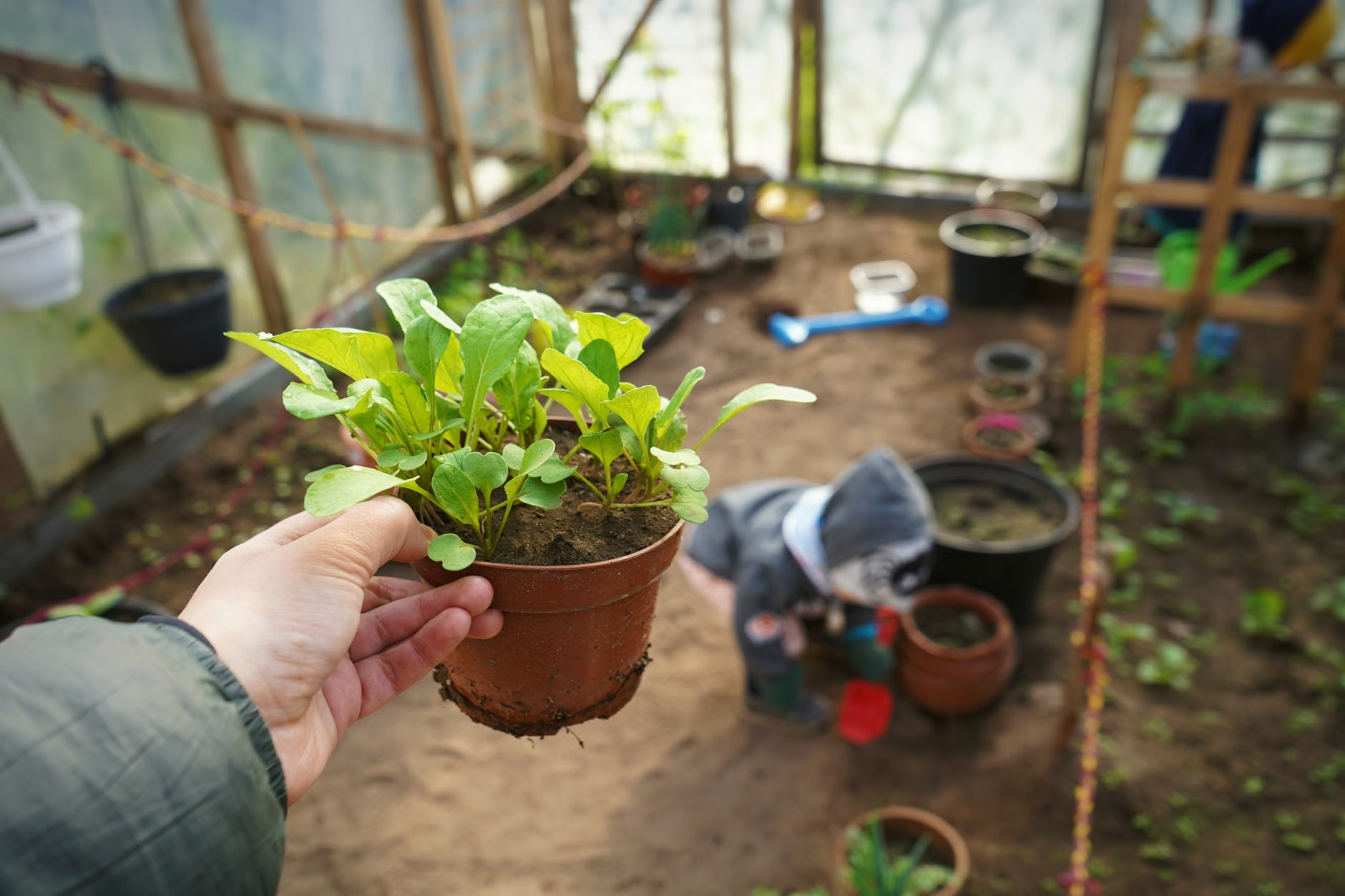
Evaluating Garden Accessibility: A Practical Checklist
Before committing to a community garden, it is vital to evaluate the site’s physical infrastructure. Not all gardens are created equal, and “community-run” does not always mean “accessible.” Use the following criteria to determine if a space fits your mobility needs:
| Feature | Standard for Accessibility | Why it Matters |
|---|---|---|
| Bed Height | 60cm to 90cm (waist height) | Eliminates the need for deep bending or kneeling. |
| Path Width | Minimum 1.2 meters | Allows for wheelchairs, walkers, or two people walking side-by-side. |
| Surface Material | Paved, concrete, or compacted gravel | Prevents tripping hazards and sinking of mobility aids. |
If a garden lacks these features, it does not mean you cannot participate, but it does mean you will need to adjust your approach. For example, if the paths are uneven, you may need to prioritize gardens with fixed, paved areas rather than those with natural dirt paths, especially during wet seasons when mud becomes a slip hazard.
The Role of Intergenerational Mentorship
The hallmark of 2026 community gardening is the intentional pairing of older adults with younger volunteers, students, or families. This is not merely a social gesture; it is a functional division of labor. Many younger participants lack the deep horticultural knowledge—such as understanding soil cycles, pruning techniques, and climate-specific planting—that older generations possess.
Conversely, younger participants often bring the physical strength required for tasks like hauling heavy soil bags, installing trellis systems, or managing high-reach areas. This symbiotic relationship works best when roles are clearly defined from the outset. If you are joining a garden, ask the coordinator if there is an existing “buddy system” or a mentorship framework. This prevents the common mistake of assuming you must perform every physical aspect of gardening yourself.
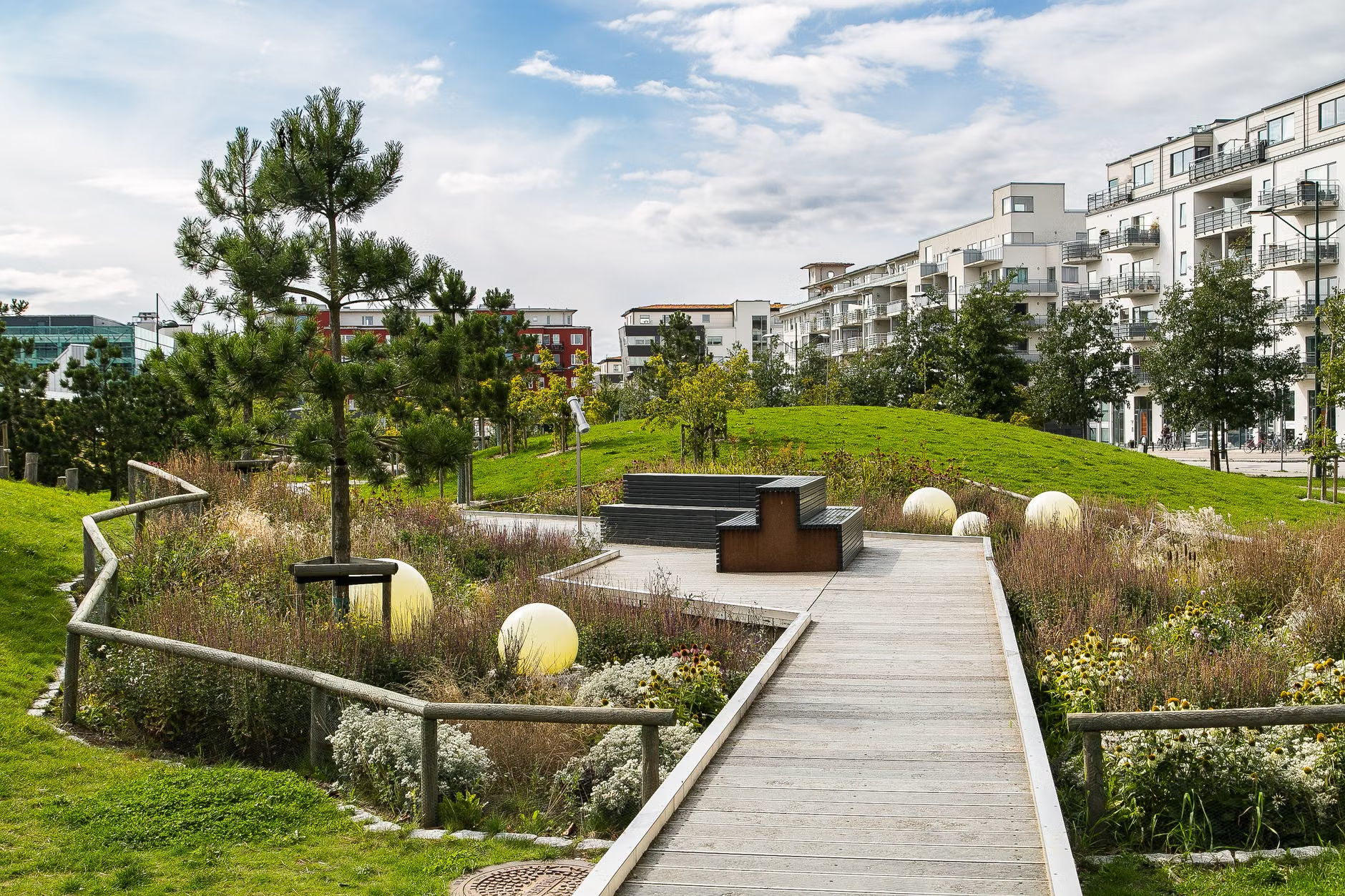
Managing Your Physical Energy and Safety
Gardening is a form of exercise, and like any exercise, it requires a strategy to prevent injury. The most common mistake for older adults is the “weekend warrior” syndrome—attempting to clear, weed, and plant for hours at a time after a period of relative inactivity.
Practical Energy Management Rules:
- The 30-Minute Rule: Limit active gardening to 30-minute intervals followed by a 10-minute seated break. Dehydration and fatigue set in faster than you might realize, especially in outdoor environments.
- Ergonomic Tooling: Invest in or request tools with long handles and padded, non-slip grips. Avoid tools that require a tight “pinch” grip, as these can exacerbate hand arthritis.
- Hydration and Sun Protection: Always carry a water bottle and wear a wide-brimmed hat. Even in temperate climates, extended sun exposure can lead to heat exhaustion in older individuals.
If you have pre-existing health conditions, such as cardiovascular issues or respiratory concerns, speak with your healthcare provider about appropriate activity levels for outdoor labor. The goal of 2026 gardening is longevity in the hobby, not immediate productivity.
In 2026, many community gardens have moved their management systems to digital platforms. You may find that plot sign-ups, tool bookings, and watering schedules are now handled via smartphone apps or community websites. While this increases efficiency, it can be a barrier for some.
If you encounter a digital barrier:
- Ask for a Paper Alternative: Most public-funded gardens are required to provide equitable access. If a digital-only system excludes you, ask the garden board for a physical sign-up sheet.
- Utilize the Intergenerational Bridge: This is a perfect opportunity to ask a younger member to help you navigate the app. Most younger participants are happy to assist in exchange for your gardening wisdom.
- Check Local Council Resources: In many urban centers, local government websites (such as municipal parks and recreation departments) maintain directories of community gardens. These sites often provide contact information for human coordinators who can assist with the application process offline.
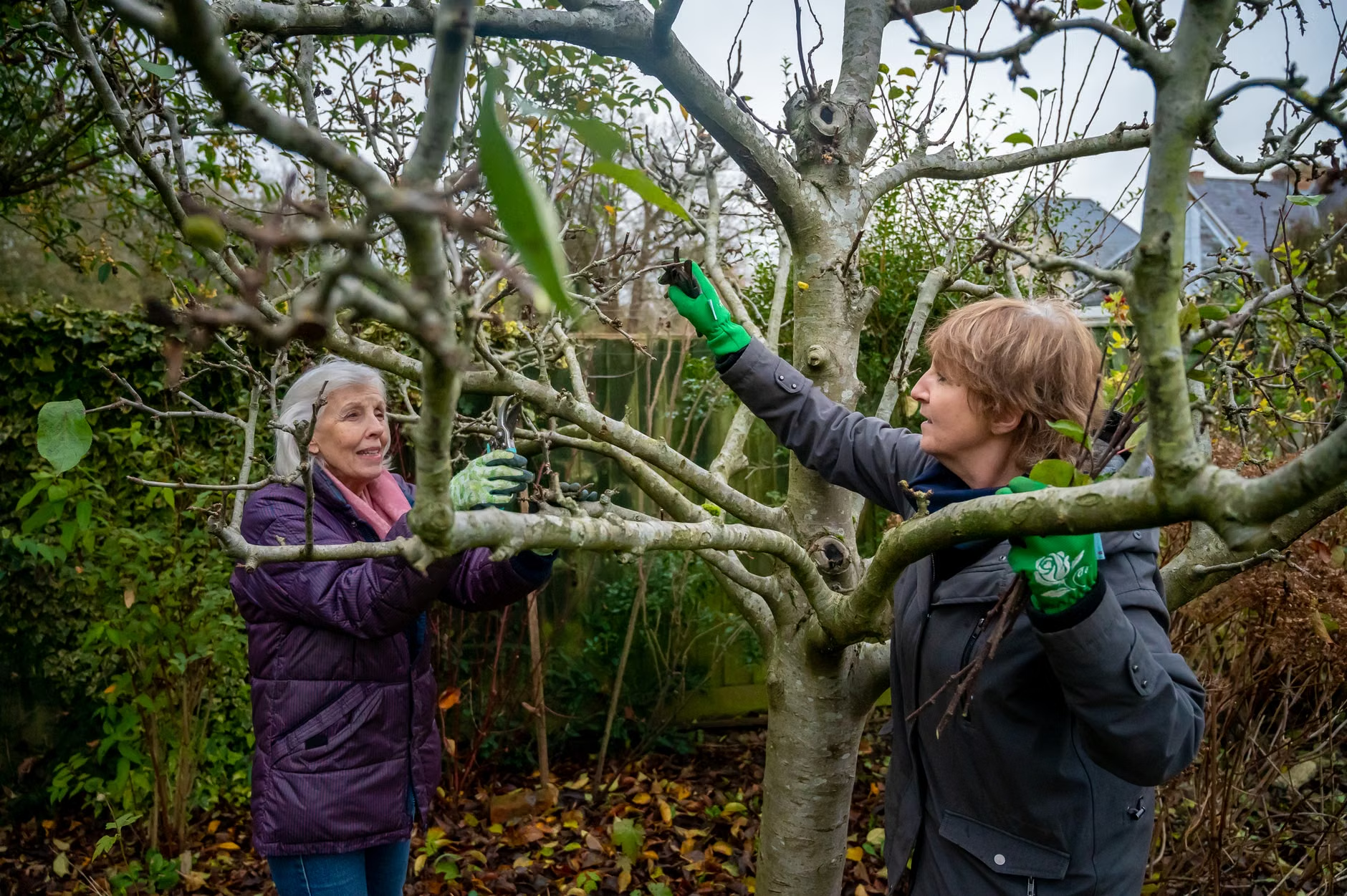
Hidden Challenges and Unexpected Trade-offs
One overlooked variable in community gardening is the “shared responsibility” aspect. When you share a space, you must accept that others may not maintain the plot to your exact standards. This can be a source of frustration. Before joining, clarify the garden’s governance policy. Does the garden have a strict “code of conduct” regarding plot maintenance? Knowing these rules beforehand can save you from potential conflicts with neighbors who may have a different definition of “weeding” or “pruning.”
Additionally, be aware of the “seasonal intensity” of gardening. There are periods of high physical demand (spring planting and autumn harvesting) and periods of low activity. Plan your participation around these cycles. It is perfectly acceptable to reduce your presence during the peak heat of summer or the heavy labor periods if your stamina does not allow for it.
Conclusion: Taking Your First Step
Participating in an intergenerational community garden in 2026 is about more than just growing vegetables or flowers; it is about securing a place in a vibrant, supportive community. By choosing a space that prioritizes accessibility, leveraging the strengths of younger partners, and respecting your own physical limits, you can turn gardening into a sustainable, lifelong source of joy and health. Start by visiting your local council or parks department website to locate a garden that meets your mobility requirements, and don’t be afraid to ask for a tour before you commit to a plot.
Frequently Asked Questions (FAQ)
1. What if I have mobility issues—can I still participate in a community garden?
Yes. Many modern community gardens are designed with universal access in mind. Look for gardens that offer “raised beds” which allow you to work from a standing or seated position. Always inquire about the path surfaces to ensure they are stable enough for a walker or cane.
2. How do I find a community garden in my area?
The best starting point is your local municipal government or city council website, often under the “Parks and Recreation” or “Community Services” sections. You can also check sites like the American Community Gardening Association or local equivalents in your country for national databases of registered gardens.
3. Do I need to have prior gardening experience to join?
Absolutely not. Many community gardens are actively seeking new members and offer workshops for beginners. The intergenerational model is designed to facilitate learning, so you will likely find many people willing to share their knowledge, regardless of your current skill level.
For further information on community garden standards and accessibility, you can refer to official local government guidelines for public green spaces. Always check your specific jurisdiction’s website for local rules and safety protocols.