Key Takeaways
- Request at least 48 hours in advance: Most airlines require advance notice for special assistance to guarantee staff availability.
- Understand the codes: Familiarize yourself with IATA assistance codes (like WCHR, WCHC) to ensure you receive the correct level of support.
- Prioritize pacing: Airport terminals are vast; always build in 60-90 minutes of “buffer time” beyond standard check-in requirements to account for transit distances.
Traveling by air remains one of the most efficient ways to explore the world, yet the physical demands of modern airport infrastructure—long corridors, rapid security screenings, and complex boarding processes—can be daunting. For travelers aged 60 to 80, maintaining independence while managing mobility or stamina is not about avoiding travel, but about strategic planning and utilizing the professional support systems designed to facilitate a smooth journey.
Understanding Your Rights and the Assistance Ecosystem
Air travel assistance is not a favor; it is a standardized service regulated by international aviation bodies and, in many jurisdictions, national civil aviation authorities. In the United States, the Air Carrier Access Act (ACAA) ensures that airlines cannot discriminate against passengers with disabilities. In the European Union, Regulation (EC) No 1107/2006 mandates that airports and airlines provide free assistance to passengers with reduced mobility (PRM). Knowing that these services are a legal requirement empowers you to request what you need without hesitation.
The system is built on the premise of “assistance,” not “care.” It is important to distinguish between the two. Airport staff are trained to navigate the terminal, assist with luggage, and facilitate boarding. They are not medical professionals and are not responsible for personal care, such as assistance with medication or using the restroom during flight. If your mobility requirements include personal care, you may need to travel with a companion.

The IATA Assistance Codes: Speaking the Language of Airlines
The International Air Transport Association (IATA) uses specific codes to communicate your needs across different airlines and airports. When booking your flight, you will often be asked to select an assistance level. Understanding these codes ensures that the correct equipment—such as a ramp-accessible vehicle or a specialized aisle chair—is ready for you.
| Code | Description | Best For |
|---|---|---|
| WCHR | Ramp wheelchair: Passenger can walk up/down stairs and move about in the cabin. | Those who can walk but struggle with long distances. |
| WCHS | Steps wheelchair: Passenger cannot walk up/down stairs but can move about in the cabin. | Those with limited leg strength or balance issues. |
| WCHC | Cabin wheelchair: Passenger is completely immobile and needs a chair to reach the seat. | Those who require full assistance throughout the entire process. |
Choosing the correct code is vital. If you request a WCHR but actually need a WCHS, you may find yourself at the bottom of a jet bridge with no way to reach your seat. Always err on the side of caution. If you are uncertain, contact the airline’s special assistance desk directly rather than relying on the online booking portal.
Navigating an airport with mobility constraints requires a “hub-and-spoke” mentality. The terminal is the hub, and your gate is the spoke. Here is how to manage the transition effectively.
1. Pre-Departure Preparation (The 48-Hour Rule)
Contact your airline no later than 48 hours before your flight. While some airlines accept requests 24 hours in advance, 48 hours provides a safety buffer. Confirm your assistance request with the airline, and then, if you are departing from a major international hub, check the airport’s website for their specific accessibility contact point. Some airports allow you to pre-book a “meet and assist” service that provides a dedicated staff member to walk with you through security.
2. The Check-in and Security Phase
Arrive at the airport earlier than the general recommendation. If the airline suggests two hours for domestic flights, aim for three. This extra hour accounts for the time it takes for an assistance agent to locate you and for security to process your mobility aids (such as canes or walkers). When going through security, inform the agent immediately if you cannot stand for long periods. They are required to provide a chair or an alternative screening process.
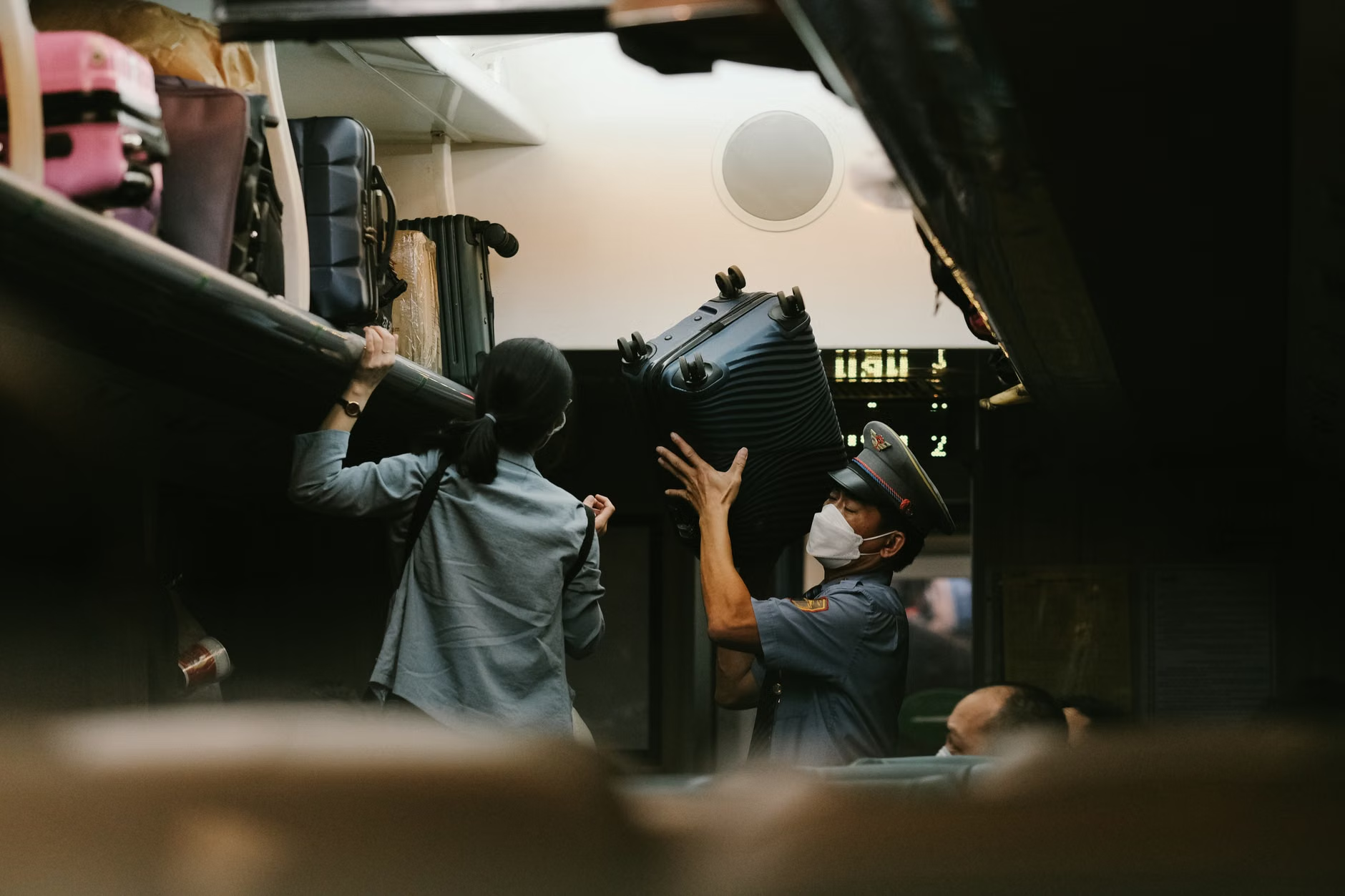
Once through security, you have two options: stay in the gate area or use the lounge. For travelers with limited stamina, an airport lounge is a significant investment. Lounges offer quiet, comfortable seating, accessible restrooms, and proximity to gate areas, which reduces the physical stress of navigating crowded terminal halls. If your mobility is low, ask your assistance agent to take you directly to the lounge or your gate, rather than dropping you off at the main terminal concourse.
Managing Stamina and Physical Limitations
Stamina is often the hidden variable in senior travel. Even if you are mobile, the cumulative effect of walking through a massive terminal can leave you exhausted before you even board the plane.
Use the “Rule of Two”: If you think you can walk the distance, assume you will be twice as tired as you expect. Airports are designed for efficiency, not comfort; floors are often hard, and the air is dry. Wear comfortable, supportive shoes—not just for the destination, but for the transit. If you use a cane, ensure it is a folding model that can be easily stowed in your carry-on or checked luggage if you choose to use the airline’s wheelchair service.
Hydration is another critical factor. The recirculated air in airports and aircraft dehydrates the body rapidly. Drink water consistently, but avoid excess caffeine, which can lead to frequent trips to the restroom—a stressful endeavor in a cramped airplane cabin.
Comparing Assistance Options: Airline vs. Private Services
Many travelers wonder if they should hire a private travel companion or use the airline’s free assistance. The choice depends on your specific needs.
- Airline Assistance: Best for those who are generally independent but need help with long distances or heavy luggage. It is free, but you are part of a queue. You may have to wait for an agent to become available.
- Private Assistance Services: Some airports offer premium “meet and greet” services for a fee. These agents stay with you from the curb to the seat, handle all check-in documentation, and wait with you until you are comfortable. This is ideal if you have high anxiety about the process or need a dedicated person to manage your itinerary.
The Hidden Inconvenience: Connecting Flights
Connecting flights are the greatest risk for senior travelers. When booking, try to avoid connections of less than 90 minutes. If you have a mobility issue, you are often the last person to deplane. By the time you reach your next gate, boarding may have already begun.
If you must have a connection, inform the flight attendant before landing. They can arrange for a wheelchair to meet you at the aircraft door. Do not assume this will happen automatically; remind the crew as the plane begins its final descent. Having a “transfer plan” written down—such as the gate number of your next flight—can help you communicate quickly with the ground agent who meets you.
Practical Decision Rules for Your Next Trip
When planning your next trip, use these criteria to decide your level of support:
- Distance: If the gate is more than 15 minutes of walking from the security checkpoint, request a wheelchair.
- Time of Day: Early morning flights are less crowded and easier to navigate. If you have mobility issues, avoid mid-day flights when terminals are at their peak.
- Luggage: Use a high-quality, four-wheel spinner suitcase. It requires significantly less force to move than a two-wheel bag, protecting your wrists and shoulders.
Finally, keep a “Travel Health Folder.” This should include a printed list of your medications, a record of your assistance requests, and the phone number for the airline’s special assistance desk. Digital versions are convenient, but in the event of a dead battery or technical glitch, paper remains the most reliable format.
Conclusion: Taking Control of the Journey
The key to successful senior travel is shifting your mindset from “enduring” the airport to “managing” it. By using the assistance codes, booking early, and prioritizing your physical stamina through adequate rest and support, you can ensure that the journey is as enjoyable as the destination. Remember that airport staff are professionals who handle thousands of passengers with mobility needs; your request is a standard part of their daily operation. Do not hesitate to ask for what you need to ensure a safe, comfortable, and dignified travel experience.
Frequently Asked Questions
Q: Is there a cost for requesting wheelchair assistance at the airport?
A: No. In most major jurisdictions, including the US, EU, and UK, wheelchair assistance is a mandatory service provided by the airline or airport authority at no additional cost to the passenger. However, it is customary to tip private porters if you use their services to carry extra luggage to the curb.
Q: What happens if I am traveling alone and need to use the restroom during the flight?
A: Airlines are not required to provide personal care assistance. If you have mobility limitations that make using a small airplane restroom difficult, you should travel with a companion who can assist you, or ensure you are capable of navigating the aisle independently. Always check the aircraft type when booking to see if it features an accessible, larger restroom.
Q: Should I bring my own wheelchair, or use the airport’s?
A: If you use a wheelchair daily, it is often better to bring your own, as it is customized to your needs. You can check it at the gate for free. If you only need assistance due to the airport’s size, use the airport’s provided wheelchair to avoid the risk of your personal equipment being damaged during baggage handling.
Official Resources for Further Research: