- Housing Diversity: By 2026, the shift is moving away from age-segregated facilities toward “integrated neighborhoods” where seniors live alongside younger families and students.
- Economic Practicality: Intergenerational housing, such as home-sharing or co-housing, can significantly reduce living costs while providing mutual support that delays the need for institutional care.
- Legal Due Diligence: Before entering any shared living arrangement, it is vital to formalize agreements regarding privacy, maintenance responsibilities, and exit clauses to protect your rights.
The Evolution of Housing: Why 2026 Marks a Turning Point
As we move deeper into 2026, the traditional model of senior living—often characterized by isolated retirement communities or institutional nursing facilities—is undergoing a significant transformation. Driven by global demographic changes, rising urban housing costs, and a growing desire for social connection, policymakers and developers are increasingly prioritizing intergenerational housing models. This shift is not merely a trend but a structural response to the reality that aging in place requires more than just a house; it requires a community.
For those aged 60 to 80, this represents a new set of choices. Whether you are considering downsizing, seeking lower costs, or simply wanting to live in a more vibrant environment, understanding these models is the first step toward making a proactive housing decision. This article explores how these models work, the practical considerations for your daily life, and how you can evaluate whether a shift in your living situation is the right path for your future.
Understanding the Three Primary Intergenerational Models
Intergenerational housing is not a “one-size-fits-all” concept. To make an informed decision, it is essential to distinguish between the three primary models currently gaining traction in international markets.
1. Co-housing Communities
Co-housing consists of private homes supplemented by shared spaces, such as large kitchens, gardens, or workshops. Residents manage the community collectively. Why it matters: It offers the privacy of a traditional home while providing the social safety net of a village.
2. Student-Senior Home-Sharing Programs
Popular in cities like London, Berlin, and Tokyo, these programs match students needing affordable housing with older adults who have extra space. The student provides companionship or light assistance in exchange for reduced rent. What it looks like in real life: A retired teacher might offer a spare bedroom to a graduate student for a nominal fee, with the agreement that they share grocery shopping or simple technology support.
3. Integrated Multi-Generational Developments
These are purpose-built housing complexes designed to house a mix of ages—from young families to older adults—in the same building or block. These developments often include shared amenities like daycare centers and senior wellness hubs.
| Model | Primary Benefit | Main Requirement |
|---|---|---|
| Co-housing | Strong community and shared resources | Active participation in management |
| Home-Sharing | Financial efficiency and companionship | High level of trust and clear boundaries |
| Integrated Units | Convenience and modern accessibility | Higher initial cost or long-term lease |
Which option fits you? If you value independence but want social interaction, co-housing is often the most stable choice. If you are looking to supplement your pension and enjoy mentoring, home-sharing programs are highly effective. For those requiring modern, accessible infrastructure without the burden of property maintenance, integrated developments are the most suitable.
The Practical Reality: Mobility, Stamina, and Accessibility
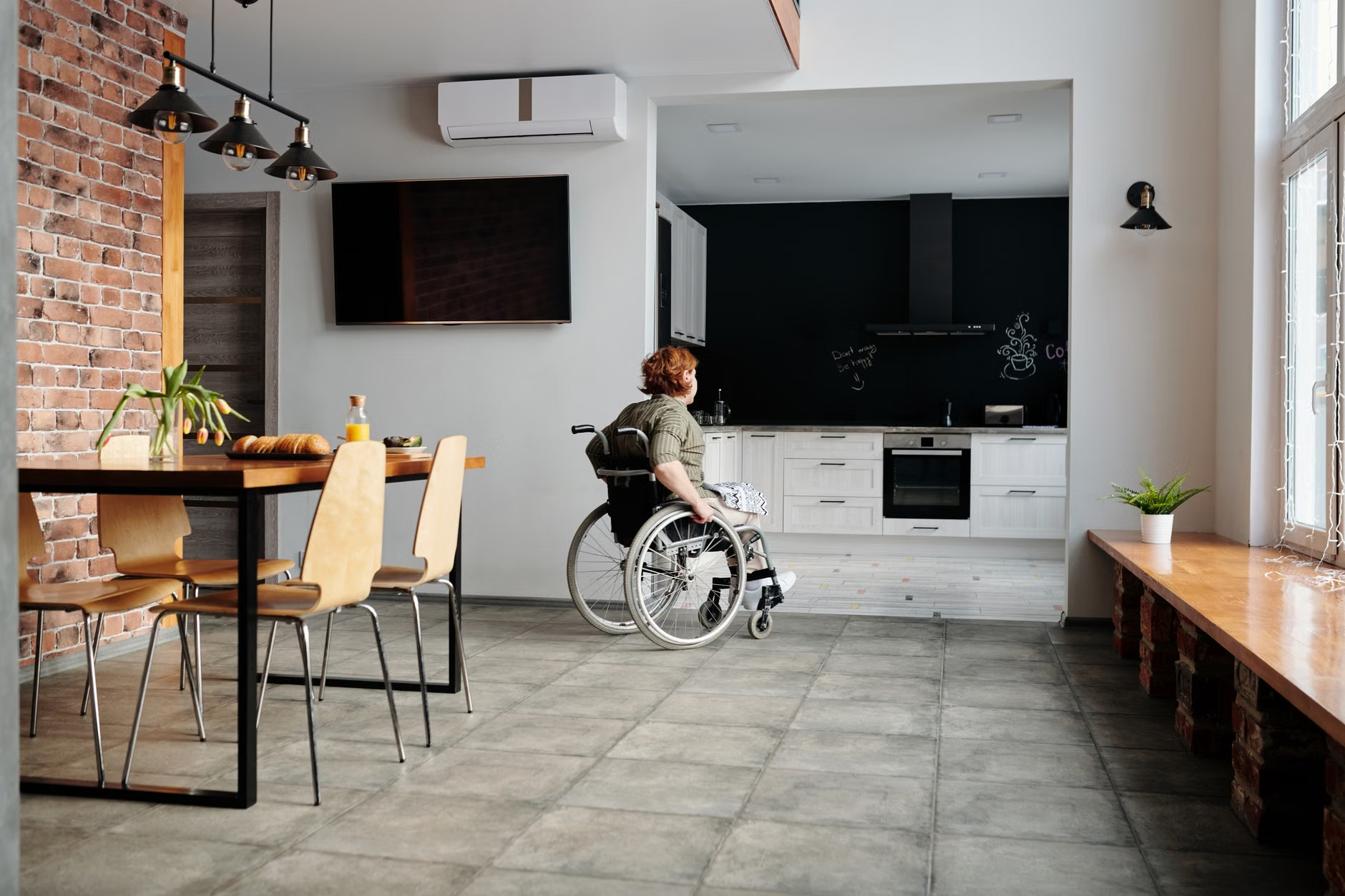
When considering a move, especially to a shared environment, you must evaluate the physical infrastructure. It is not enough for a building to be “senior-friendly”; it must be “universally designed.”
Assessing Physical Infrastructure
Before committing to an intergenerational space, look for these specific indicators of accessibility:
- Step-free access: Ensure that the entire route from the street to your front door is free of stairs.
- Doorway width: Standard doorways are often too narrow for walkers or wheelchairs. Look for a minimum width of 85cm (approx. 33 inches).
- Lighting levels: As we age, our eyes require more contrast and brightness. Ensure common areas have high-contrast flooring and ample, non-glare lighting.
- Elevator proximity: If the unit is not on the ground floor, the distance from your apartment to the elevator is a critical factor in your daily stamina.

Financial and Legal Considerations: Protecting Your Interests
Entering an intergenerational arrangement involves more than just moving boxes. It involves legal and financial agreements that can impact your long-term security. Common mistake: Failing to draft a formal agreement for informal arrangements like home-sharing.
Key Clauses to Include in Agreements
If you are participating in a home-sharing program, your contract should clearly define the following:
- Scope of Assistance: Clearly state what is expected (e.g., “shared grocery shopping”) and what is not (e.g., “medical care”).
- Privacy Rights: Define “quiet hours” and the use of shared spaces to avoid misunderstandings.
- Exit Strategy: Establish a notice period (typically 30 to 60 days) for either party to terminate the arrangement without penalty.
- Guest Policy: Agree on how frequent overnight guests are handled.
For those interested in co-housing, ensure you review the “Articles of Association” or the community charter. These documents govern how decisions are made. Ensure you have a voice in the process and that you are not subject to the decisions of a majority that does not account for your specific needs.
A common misconception is that intergenerational living replaces the need for professional care. This is incorrect. Intergenerational living provides social support, not medical support.
If you have chronic health conditions, you must ensure that your chosen living environment allows for:
- External Care Access: Check if local health agencies can easily reach your unit.
- Emergency Response: Is there a clear path for an ambulance stretcher? Are the hallways wide enough?
- Connectivity: Ensure your home is equipped with high-speed internet, which is vital for telemedicine appointments and digital health monitoring tools.
Warning Sign: If a developer or a home-sharing agency suggests that they provide “care” as part of the rent, ask for a clear breakdown of what that includes. If they are not a licensed healthcare provider, they cannot provide medical services. Always verify if they are providing “supportive services” (like meal prep) or “medical services” (like nursing care).

How to Start Your Search: A Step-by-Step Approach
Finding the right living situation is a process that should be treated as a project. Do not rush. Follow these steps to ensure you make a decision that supports your lifestyle for years to come.
Step 1: Identify Your “Must-Haves”
Before looking at listings, write down your non-negotiables. Is it proximity to public transport? Is it having a private garden? Is it being within 30 minutes of your family? Create a checklist and stick to it.
Step 2: Research Local Programs
Many governments are now subsidizing intergenerational initiatives. Check your local municipal website or housing authority. For example, in many parts of the EU, there are “seniors-for-students” housing platforms. In North America, look for “co-housing associations.”
Step 3: Conduct a “Trial Visit”
Never sign a contract without visiting the site at different times of the day. Visit during the morning rush hour to check noise levels and transport accessibility, and visit in the evening to gauge the lighting and safety of the area.
Addressing Potential Challenges and Trade-offs
It is important to be realistic about the trade-offs of intergenerational living. The most common challenge is lifestyle misalignment. A student might have a different sleep schedule or noise tolerance level than a retiree.
To mitigate this:
- Be Transparent: During the interview or application phase, be honest about your habits. If you like the house quiet by 9:00 PM, state that clearly.
- Focus on Mutual Benefit: The most successful arrangements are those where both parties see a clear benefit. You might value the student’s help with technology; they might value your life experience and mentorship.
- Maintain Boundaries: Even in a shared space, your room is your sanctuary. Ensure you have a lockable door and that your private space is respected.
The Role of Digital Public Services
By 2026, many cities are integrating “digital housing portals” that allow you to view the accessibility ratings of buildings before you visit. These portals often include 360-degree virtual tours, which are excellent for checking floor plans and door widths from your home. Use these tools to narrow down your search before physically visiting a property. This saves energy and ensures you only visit locations that meet your physical requirements.
Conclusion: Taking the Next Step
The shift toward intergenerational housing is a positive move toward creating more inclusive, vibrant, and sustainable communities. For those aged 60 to 80, it offers a way to maintain independence while fostering meaningful social connections. By focusing on physical accessibility, clear legal agreements, and your personal lifestyle needs, you can find a living arrangement that enhances your quality of life.
Your next step should be to assess your current living situation. Are you isolated? Are you paying for space you no longer use? Are you finding maintenance tasks overwhelming? If the answer to any of these is yes, begin by researching the intergenerational housing options in your specific region. Start small—perhaps by attending a local town hall meeting or contacting a local housing advisory group. The future of housing is collaborative, and there is a place for you in it.
Frequently Asked Questions
1. Is intergenerational housing the same as assisted living?
No. Intergenerational housing is a residential model focused on community and social integration. Assisted living is a healthcare-focused model designed for individuals who require daily medical or personal care support. Always verify the level of care provided before moving into any facility.
2. How do I know if a home-sharing program is legitimate?
Check if the program is affiliated with a reputable non-profit, university, or local government agency. Avoid private, unverified online advertisements. Legitimate programs will always conduct background checks on both the homeowner and the student, and they will provide a clear, written agreement for you to review.
3. Can I move back to a traditional home if I don’t like an intergenerational arrangement?
Yes, but you must plan for this. When signing an agreement, ensure there is a clear “exit clause.” This clause should specify how much notice you must provide to leave and how your deposit will be returned. Always keep your long-term housing options open and consult with your family or legal advisor before entering into any long-term lease or ownership agreement.
Official sources for further information:
- For general housing rights and standards, consult your national or regional Department of Housing and Urban Development (or equivalent local ministry).
- Research local “Co-housing Associations” in your country for verified community listings.
- Consult the World Health Organization’s (WHO) Age-friendly World initiative for global standards on accessible community design.