Key Takeaways
- Mindful Selection: Choose leaves that are flexible and free of decay; timing is essential for capturing the best color and texture.
- The Pressing Process: Patience is the primary tool; using heavy, absorbent materials and allowing adequate time for moisture removal prevents mold and browning.
- Preservation and Display: Properly dried leaves can last for years if protected from direct sunlight and humidity, allowing for creative home décor projects.
The transition of autumn brings a unique sensory experience: the crisp air, the crunch of foliage underfoot, and a vivid tapestry of colors. For many adults, this season offers more than just a change in weather; it provides a quiet invitation to slow down and engage in the mindful practice of leaf pressing. This hobby is not merely about preserving nature; it is a deliberate exercise in patience, fine motor engagement, and the appreciation of seasonal cycles.
Understanding the Science of Seasonal Change
To press leaves effectively, one must first understand what occurs within the leaf itself. As daylight hours decrease and temperatures drop, deciduous trees—those that shed their leaves annually—begin to shut down their food-making processes. The green pigment, chlorophyll, begins to break down, revealing the underlying pigments: carotenoids (yellows and oranges) and anthocyanins (reds and purples).
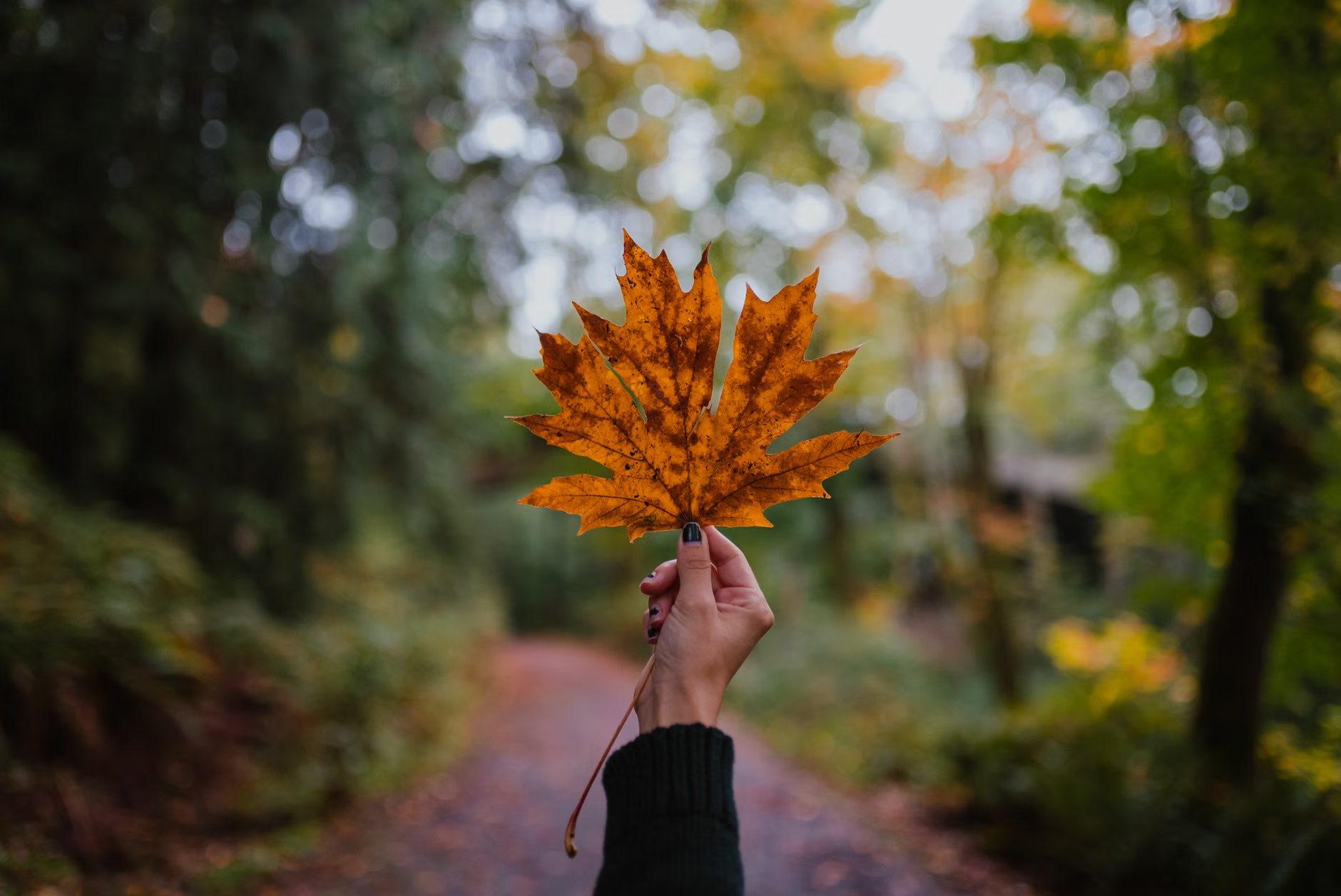
When you select a leaf for your collection, you are essentially capturing a specific moment in the chemical transformation of the tree. Choosing a leaf that is still slightly flexible ensures that it will not crumble during the pressing process. If a leaf is already brittle, it has lost too much moisture and will likely break rather than flatten.
Selecting the Ideal Specimen
Not every leaf is a candidate for preservation. A common mistake is choosing leaves that are already brown or damp from the ground. These leaves often harbor fungi or bacteria, which can lead to rapid decay even after they have been pressed.
Look for these criteria when selecting leaves:
- Flexibility: The leaf should bend easily without cracking.
- Color Integrity: Avoid leaves with large brown spots or insect damage, as these areas are already degrading.
- Cleanliness: Gently wipe away any dirt or debris with a soft, dry cloth. Do not wash the leaves, as excess moisture is the enemy of the pressing process.
The Mechanics of Pressing: Step-by-Step
The goal of leaf pressing is to remove moisture from the leaf while keeping it flat and preserving its color. The most reliable method for home enthusiasts involves the use of heavy, absorbent materials. Unlike “quick” methods involving irons or microwaves—which can cause the leaves to lose their natural luster or become brittle—traditional book pressing produces the most durable results.
Required Materials
You do not need specialized equipment to begin. Most of what you require is likely already in your home:
| Material | Purpose |
|---|---|
| Heavy Books | Provides consistent, flat pressure across the leaf surface. |
| Parchment or Wax Paper | Prevents moisture from transferring to the book pages. |
| Absorbent Paper (Cardstock or blotting paper) | Draws moisture away from the leaf. |
The Step-by-Step Process
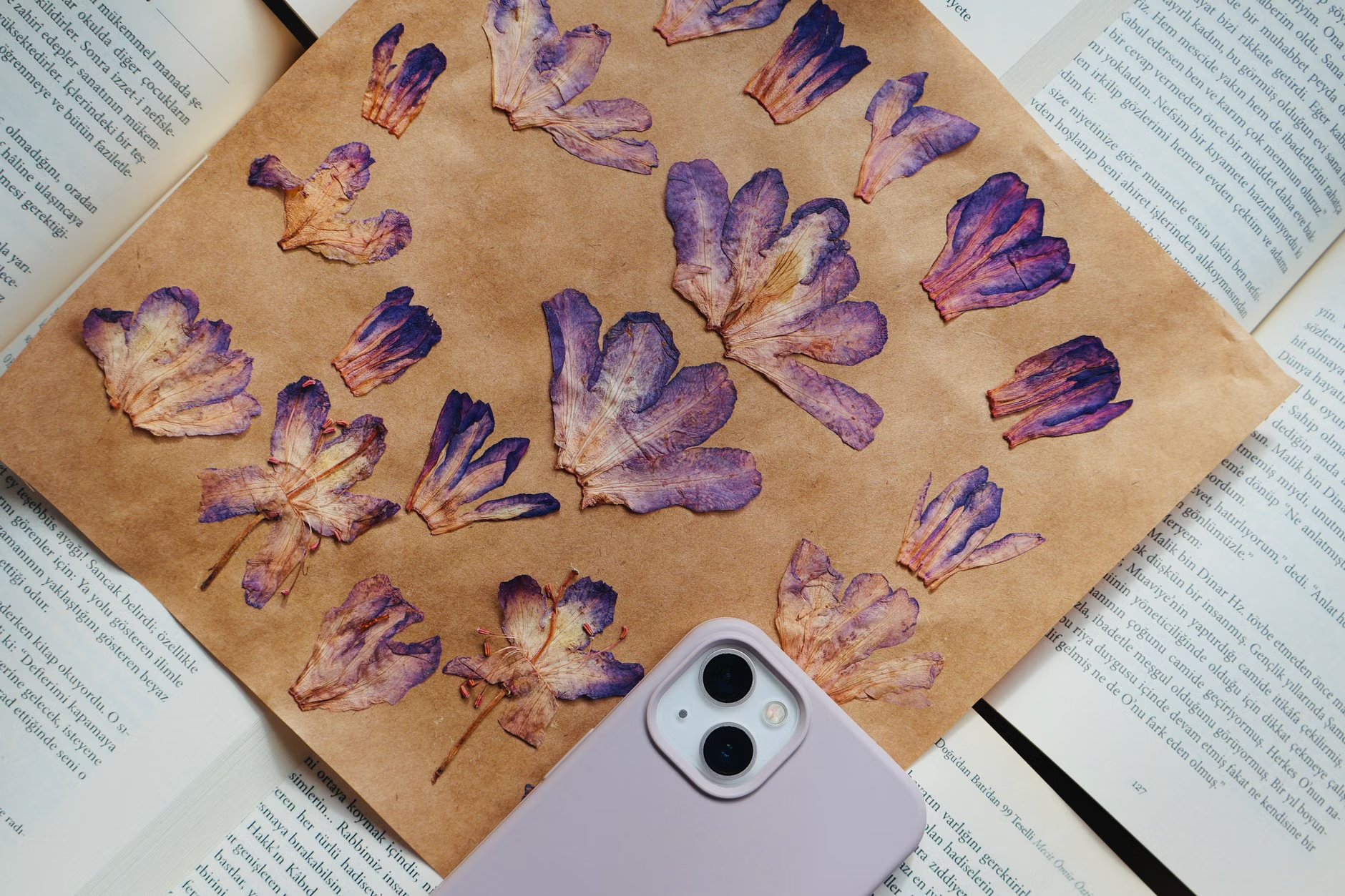
- Prepare the Book: Open a heavy, hardcover book to the middle. Place a sheet of absorbent paper on the page.
- Position the Leaf: Place your leaf on the absorbent paper. Ensure it is flat. If the stem is very thick, you may gently trim it or place a small piece of folded paper on either side of the stem so that the pressure remains even across the entire leaf.
- Cover the Specimen: Place another sheet of absorbent paper over the leaf, followed by a piece of parchment paper to protect the book pages.
- Apply Weight: Close the book and place additional heavy books or a weighted object on top.
- Patience: Allow the leaves to sit undisturbed for at least 7 to 10 days. Resist the urge to check them, as moving them prematurely can cause tears.
Addressing Common Challenges and Misconceptions
Many beginners become discouraged when their leaves turn brown or develop mold. This is almost always a result of trapped moisture. If the environment is particularly humid, the leaves may take longer to dry. In such cases, replacing the absorbent paper after the first three days can help speed up the process and prevent mold growth.
Another common concern is the preservation of color. While some fading is natural over time, keeping your pressed leaves out of direct, harsh sunlight is the most effective way to maintain their vibrancy. UV rays break down the pigments, leading to rapid bleaching.
When to Use Alternative Methods
While the book-pressing method is the gold standard, some people prefer using a dedicated flower press. These devices often feature wooden boards tightened with screws, providing more uniform pressure than a book. If you have limited space or find handling heavy books difficult, a small, lightweight wooden press is a practical alternative that offers a more ergonomic experience.
Creative Ways to Utilize Your Collection
Once your leaves are perfectly preserved, they can be used for various projects that bring the beauty of the outdoors inside. Before starting any project, ensure the leaves are completely dry; if they feel cold to the touch, they likely still contain moisture and require more time in the press.
Displaying in Glass Frames
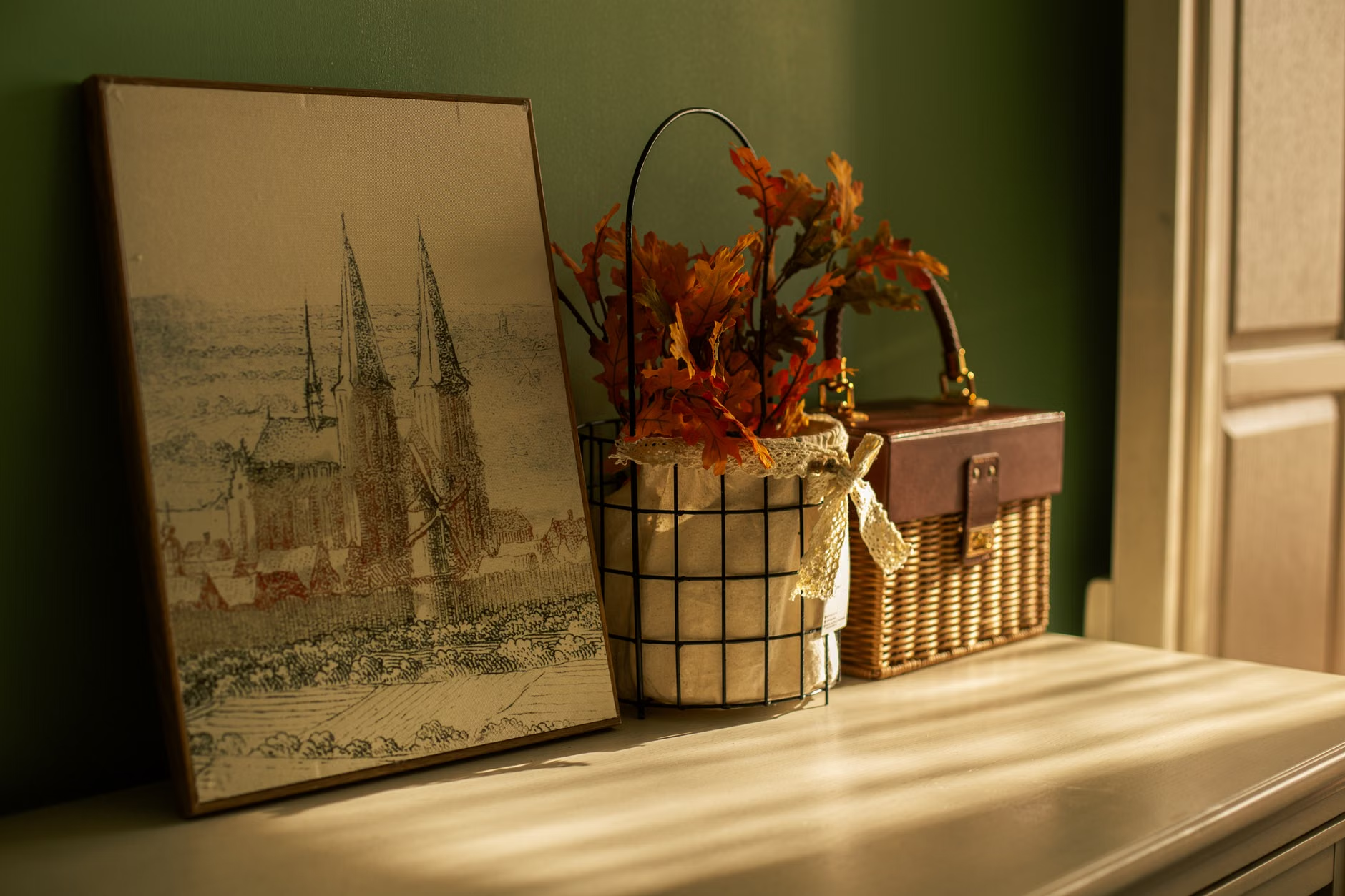
Floating frames, which consist of two panes of glass, are an excellent way to display pressed leaves. They allow light to pass through the leaf, highlighting the intricate vein structure. When arranging them, consider using a small dab of archival-safe glue on the stem only, allowing the leaf to remain “free” within the frame.
Memory Keeping and Documentation
Many individuals find joy in creating seasonal journals. By mounting a pressed leaf next to a short note about where it was found or what the day felt like, you create a tangible record of your experiences. This is a wonderful activity to share with family members, providing a bridge for storytelling across generations.
Cognitive and Physical Benefits of Mindful Crafting
The practice of leaf pressing acts as a form of “slow living.” It requires the practitioner to engage in slow, deliberate movements. This can be particularly beneficial for maintaining fine motor skills and hand-eye coordination. Furthermore, the act of hunting for leaves encourages light, low-impact physical activity, which is essential for cardiovascular health and joint mobility.
From a cognitive perspective, the focus required to select and arrange specimens encourages a state of “flow.” In this state, the mind is fully immersed in the task, which can help reduce stress and improve concentration. Unlike digital pastimes, which can lead to eye strain, nature-based crafts provide a tactile experience that grounds the individual in the present moment.
Practical Considerations for Safety and Accessibility
When engaging in the collection of leaves, it is important to prioritize safety. Always be mindful of your surroundings. Walking in parks or forests can involve uneven terrain, slippery paths, or hidden obstacles. Wear supportive, non-slip footwear and, if necessary, use a walking aid to maintain stability. If you have limited mobility, remember that many botanical gardens and parks have paved, accessible pathways that are perfect for finding beautiful specimens without the need for strenuous hiking.
Additionally, be aware of your local environment. Avoid collecting leaves from private property without permission and be mindful of protected plants. In some regions, there may be local regulations regarding the collection of natural materials in public parks; a quick search on your local municipal website can clarify the rules for your specific area.
The Long-Term Care of Pressed Specimens
A properly pressed leaf is a long-term investment. To ensure your collection lasts for years, consider the following environmental factors:
- Humidity Control: Avoid hanging your displays in bathrooms or kitchens where steam is prevalent. High humidity will cause the leaves to re-absorb moisture, leading to curling or mold.
- Mounting Techniques: Use only acid-free paper and adhesives. Standard tapes and glues can yellow over time and damage the delicate leaf tissue.
- Rotation: If you have a large collection, consider rotating your displays seasonally. This keeps your home environment fresh and reduces the time any single specimen is exposed to light.
Frequently Asked Questions
How can I tell if a leaf is fully dried?
A fully dried leaf will feel papery and light. It will not have any “cool” spots when you touch it, as coolness usually indicates remaining moisture. If you are unsure, leave it in the press for an extra two days; the extra time will not harm the leaf, but rushing the process will.
What should I do if my leaves start to curl after I take them out of the book?
Curling usually indicates that the drying process was not complete. If this happens, you can place the leaf back between layers of clean, dry blotting paper and return it to the press for another week. Ensure that the humidity in your home is not too high, as the leaves can absorb moisture from the air even after they are dried.
Is it necessary to seal the leaves with a spray or coating?
Generally, it is not recommended. Many sprays can alter the natural texture and color of the leaf, sometimes causing it to look artificial or causing the colors to bleed. A naturally pressed leaf, kept in a dry, low-light environment, is more than durable enough on its own.
For more information on the flora of your specific region, you may wish to consult the Botanic Gardens Conservation International to locate botanical resources near you. Engaging with local nature groups can also provide insights into the specific tree species that offer the best color variations in your climate.