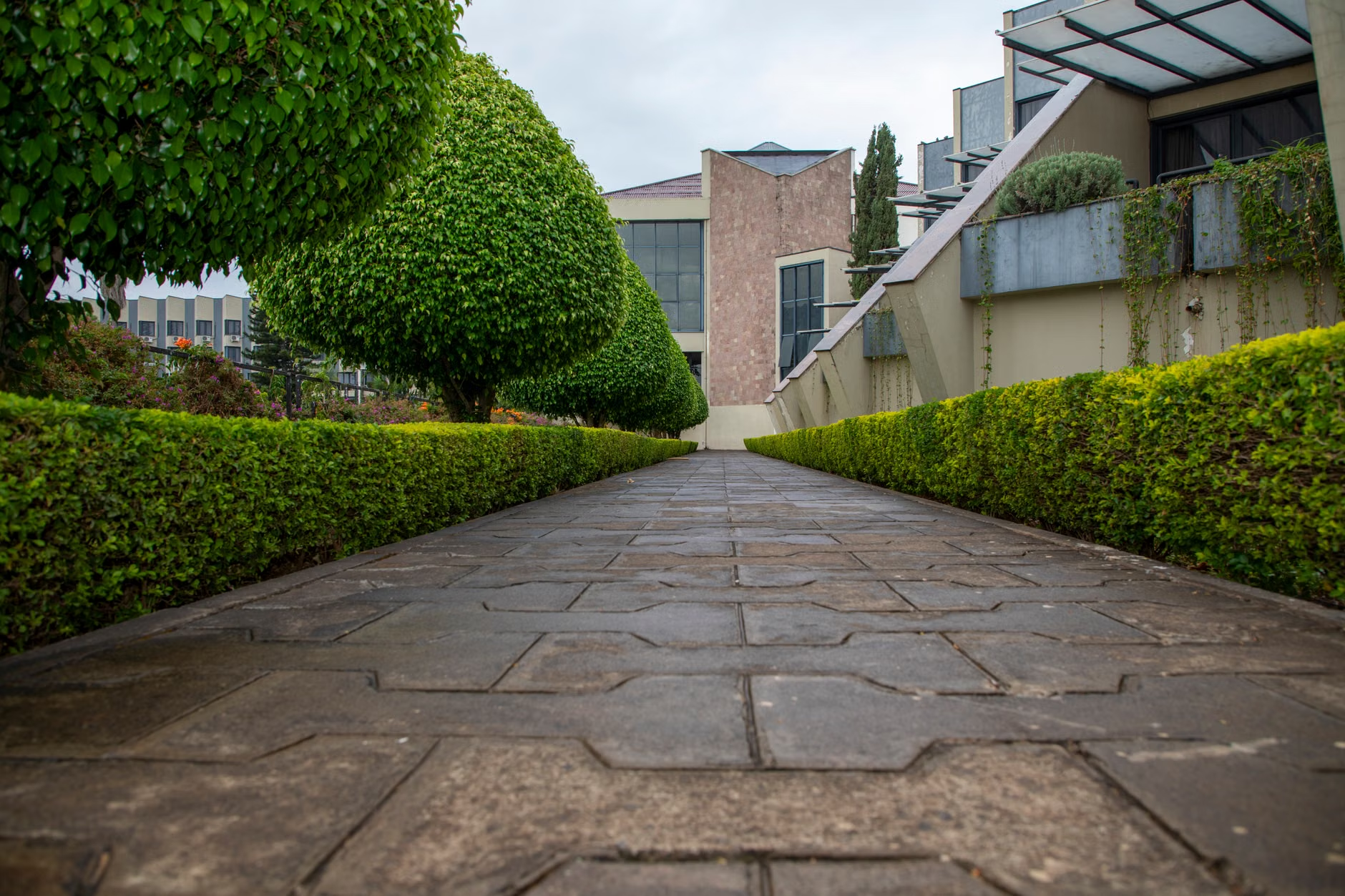
- Prioritize “hard-surface” accessibility: When selecting a garden, confirm the presence of paved or compacted gravel paths, as loose mulch or steep inclines can significantly impact mobility and stamina.
- Adopt the “Half-Day Rule”: To prevent fatigue, limit major garden visits to three hours, ensuring you have time for hydration and rest before returning to your accommodation.
- Verify essential amenities: Always check the garden’s official accessibility map for the location of toilets, rest areas, and shuttle services before arrival, rather than relying on general brochures.
For many travelers aged 60 to 80, a visit to a world-class botanical garden or a historic estate offers the perfect blend of physical activity and restorative peace. However, the difference between a memorable outing and a physically taxing experience often comes down to the details of site accessibility. In temperate regions—where gardens flourish with seasonal blooms and lush greenery—the challenge lies in navigating varying terrains, distances, and climate fluctuations.
This guide provides a comprehensive framework for selecting and navigating garden tours, ensuring your travel remains safe, comfortable, and deeply rewarding.
Evaluating Garden Accessibility: Beyond the “Wheelchair Accessible” Label
When a website claims a garden is “accessible,” it often means they meet the minimum legal requirement for wheelchair access. For a senior traveler, this may not tell the whole story. A path might be “accessible” in theory but remain difficult to navigate due to long distances without shade, steep gradients, or uneven surfaces that make using a cane or walker tiring.
The “Surface and Slope” Assessment
The most critical factor in your comfort is the nature of the ground. In temperate gardens, you will often encounter three main types of paths:
- Paved/Asphalt: These are the gold standard. They provide a stable, non-slip surface ideal for walkers, canes, and wheelchairs.
- Compacted Gravel: Common in historic estates. While generally stable, they can be tiring to push a wheelchair over and may cause slight instability for those with balance concerns.
- Mulch/Bark: Avoid these if possible. They are soft and provide significant resistance when walking, which can lead to rapid muscle fatigue and increased risk of tripping.
Practical Decision Rule: Before booking, look for a “Virtual Tour” or a high-definition video of the garden on YouTube. Observe the paths. If you see deep gravel or soft dirt, consider whether you have the stamina to navigate them for an extended period. If you use a mobility aid, prioritize gardens that explicitly mention “solid-surface paths.”
Mapping the “Rest-Stop Ratio”
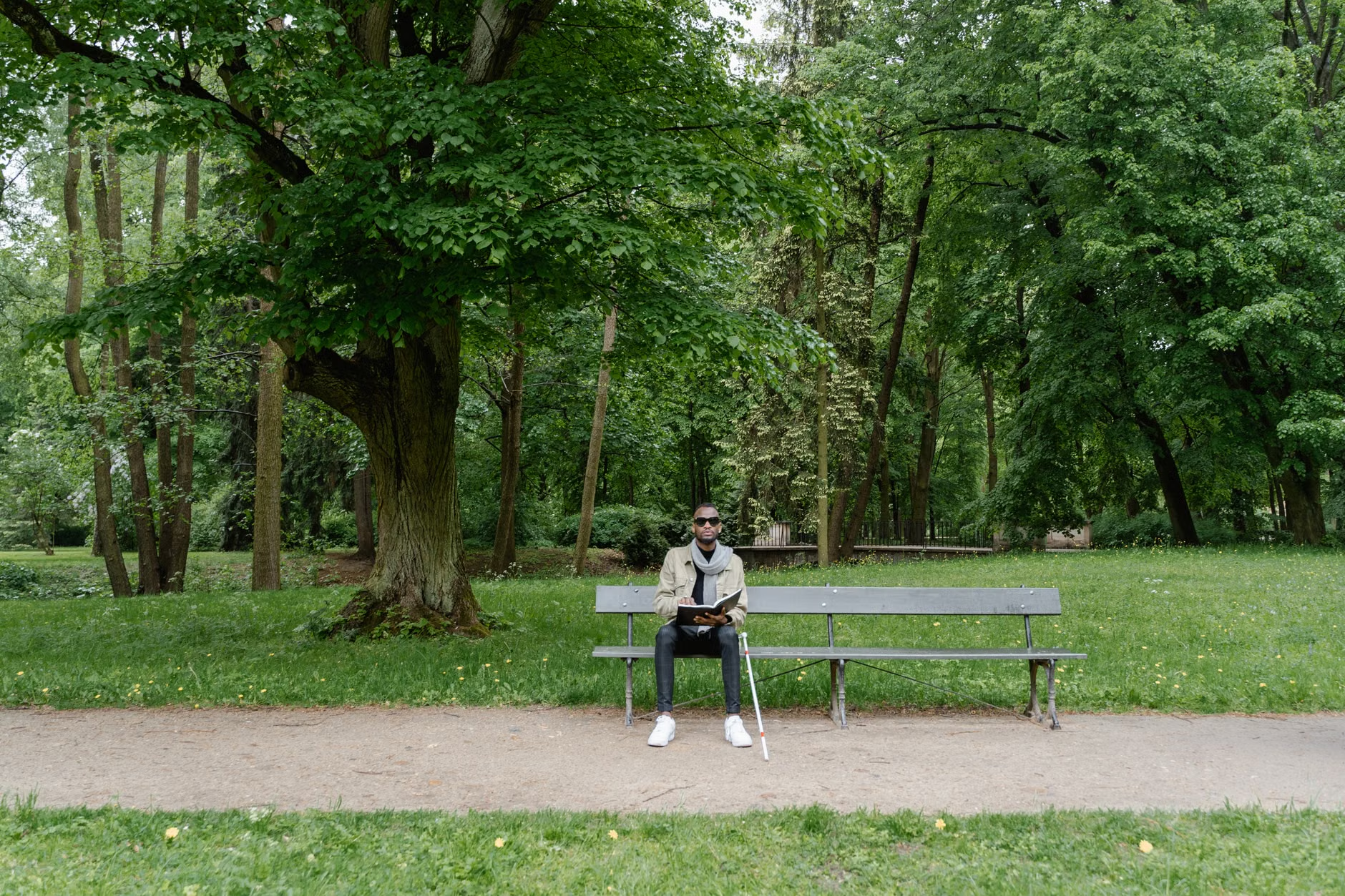
A common mistake is assuming that because a garden is large, it is better. For a 60-80-year-old traveler, a massive estate with sparse seating is actually a liability. You need a “Rest-Stop Ratio”—a garden should provide a bench or a shaded seating area at least every 100 to 150 meters.
How to check this: Visit the official garden website and look for an “Accessibility Map.” If they do not provide one, email their visitor services department. Ask specifically: “How frequent is the seating along the primary walking routes?” If the answer is vague, plan to bring a portable, lightweight folding stool, which can serve as a “safety net” for your energy levels.
Strategic Planning: The Logistics of a Garden Tour
Successful garden travel is about managing your energy budget. Think of your stamina as a daily currency; spending it all on a massive, hilly garden at the start of your trip will leave you depleted for the rest of your holiday.
The Half-Day Pacing Strategy
Most gardens in temperate zones are best enjoyed in the morning or late afternoon when the light is softer and the heat is manageable. A three-hour window is usually the “sweet spot.”
| Time Segment | Activity | Purpose |
|---|---|---|
| 0–30 mins | Arrival & Orientation | Locate toilets, cafe, and pick up a map. |
| 30–90 mins | The “Main Loop” | Visit the primary attractions while energy is high. |
| 90–120 mins | Rest & Hydration | Sit in the shade; re-evaluate energy. |
| 120–180 mins | Leisurely Exit | Walk back at a slow, comfortable pace. |
By breaking the visit into these segments, you avoid the “pushing through” mindset that leads to sore joints and exhaustion. If you reach the 90-minute mark and feel fatigued, the 120-180 minute segment should be spent in the cafe or a garden-side bench rather than trying to see the “far side” of the grounds.
Transport and Arrival Logistics
Do not assume that the entrance to the garden is where you will be dropped off. Many historic estates have long, uphill walks from the parking lot to the ticket office. Always check:
- The “Last Mile” Transport: Does the garden offer a shuttle or golf cart service from the parking lot to the main entrance?
- Drop-off Zones: If you are traveling by taxi or private car, confirm if there is a dedicated drop-off area right at the entrance gate.
- Walking Distance: Use mapping tools like Google Earth to measure the distance from the parking area to the core of the garden. Anything over 500 meters of walking before even entering the display area should be factored into your total daily exertion.
Health Considerations: Prevention and Comfort
Travel in temperate regions often involves fluctuating humidity and temperature. For older adults, these shifts can affect blood pressure, joint comfort, and hydration levels.
Managing Hydration and Medication
It is easy to forget to drink water when you are distracted by beautiful scenery. Dehydration is a leading cause of fatigue and lightheadedness in older travelers. Carry a reusable water bottle that is easy to open—look for “push-button” or “flip-top” lids if you have arthritis or reduced grip strength.
If you take daily medication, carry a small, clearly labeled pill organizer and a copy of your prescription in your day bag. Keep these in a cool, dry section of your bag. If you are traveling internationally, ensure your medications are in their original packaging to avoid customs issues.
Footwear and Clothing
The “garden look” often implies light shoes, but for a tour, prioritize function. Wear shoes with:
- Arch Support: Essential for long hours on your feet.
- Non-slip Soles: Many gardens have stone paths that can be slippery when damp.
- Breathable Material: To prevent overheating.
Layering is your best friend. A lightweight, windproof jacket is often more useful than a heavy coat, as it protects against sudden breezes without adding unnecessary weight to your frame.
Essential Tools for the Modern Senior Traveler
Modern technology has made travel significantly safer and more accessible. Here are three tools you should consider adding to your preparation checklist:
- Digital Accessibility Maps: Many gardens now provide apps that show the location of elevators, ramps, and toilets. Download these before you leave your hotel.
- Portable Mobility Aids: If you have mild balance issues, a “seat-cane” (a cane that unfolds into a small stool) is an invaluable tool for garden visits. It provides the support of a cane with the reassurance that you can sit down anywhere.
- The “Early Bird” Strategy: Most popular gardens offer “member” or “early access” hours. These are often less crowded, which is crucial for those who prefer a slower pace and want to avoid the anxiety of navigating around large, fast-moving tour groups.
Hidden Nuances: What Most Guides Overlook
One variable that is frequently ignored is noise pollution and sensory overload. Large botanical gardens can be overwhelming on weekends. The noise of crowds, children, and maintenance equipment can be tiring. If you are sensitive to noise, aim for mid-week visits. Furthermore, consider the “glare factor.” In open, sunny gardens, the reflection of light off white paths or water features can cause eye strain. A good pair of polarized sunglasses is not just a fashion accessory; it is a vital tool for maintaining your comfort during a long day in the sun.
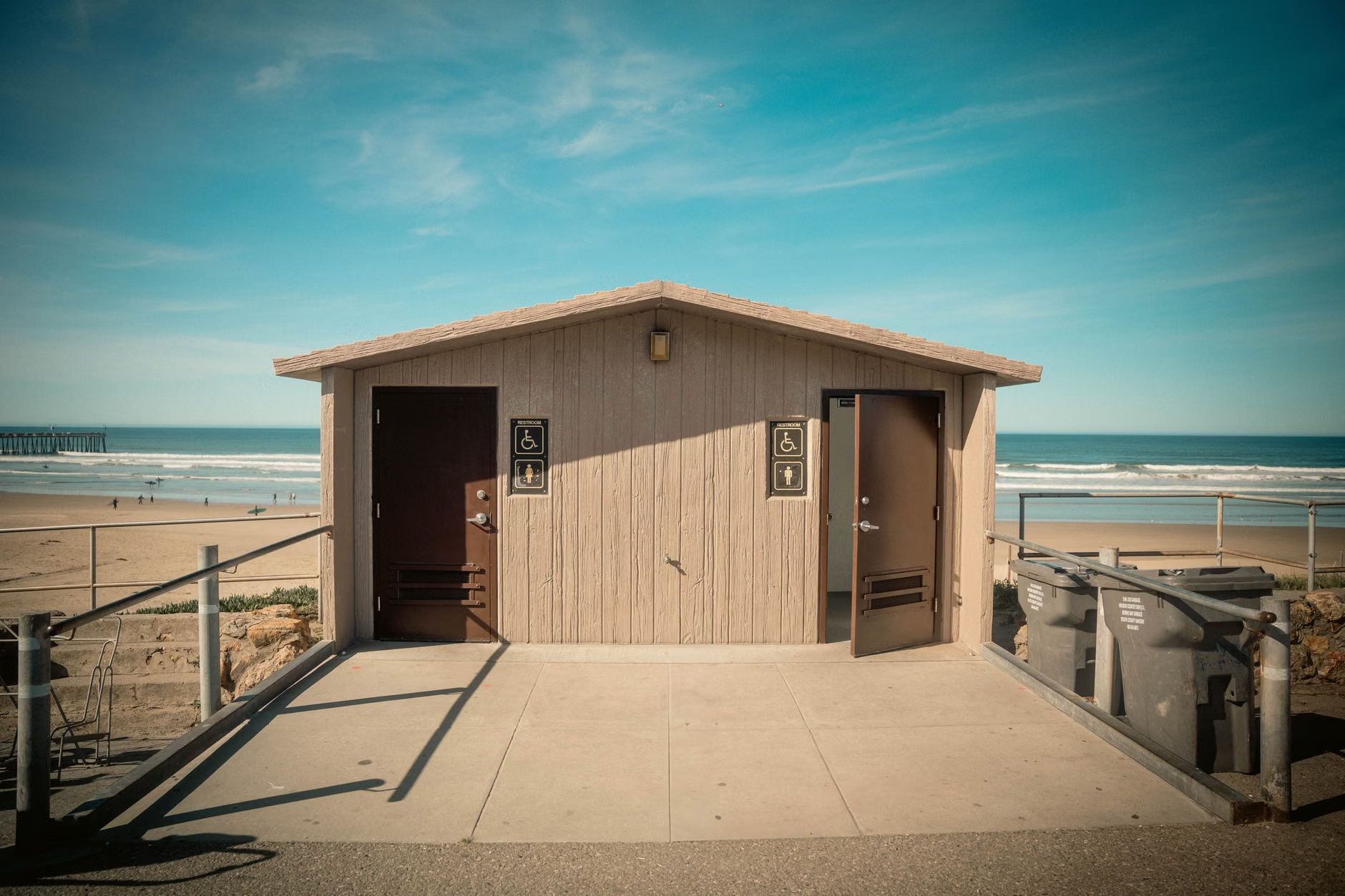
Another overlooked factor is restroom availability. In older, historic gardens, restrooms may be confined to the main visitor center. Always identify the location of the second or third restroom facility on the map. Assuming you can “just head back to the entrance” can lead to unnecessary distress if you are far into the garden.
Conclusion: The Art of the Slow Tour
The true joy of a garden tour is not in checking off every flower bed or greenhouse, but in the quality of the experience. By choosing destinations with solid, flat paths, pacing your visit to align with your energy levels, and prioritizing your comfort with the right gear, you can transform a potential chore into a highlight of your travels.
Remember: You are on holiday to enjoy the beauty of nature, not to conquer the terrain. If you find a bench in a beautiful spot, stay there. Let the garden come to you. The most successful garden tour is one where you finish the day feeling refreshed, not depleted.
Frequently Asked Questions
1. How can I confirm if a garden is truly accessible before I book my trip?
Do not rely solely on the website’s “Accessibility” page. Email the garden’s visitor services and ask three specific questions: “What is the primary surface material of your paths?”, “Is there a shuttle service from the parking area?”, and “Are there benches available at least every 150 meters?” If they cannot answer these, look for reviews from other senior travelers on platforms like TripAdvisor, specifically searching for keywords like “walking,” “hills,” or “accessible.”
2. What is the best way to handle “hilly” gardens if I have limited stamina?
If a garden is known for its hills, check if they offer a guided golf cart tour. Many larger botanical gardens provide these for a small fee or upon request for those with limited mobility. If no cart is available, look for a map that highlights a “flat loop.” Most gardens have a main, level route that covers the highlights, while the hilly sections are often secondary paths. Stick to the main loop to conserve your energy.
3. Should I bring my own wheelchair or walker even if the garden offers rentals?
It is generally safer to bring your own equipment if you use it daily. Rental equipment at gardens is often limited in number, may not be ergonomically adjusted to your needs, and is sometimes unavailable on busy days. If you are traveling by air, contact your airline well in advance to arrange for your mobility aid to be checked at the gate, ensuring you have it available the moment you land.
For further information on accessible travel standards, you may consult resources like the European Network for Accessible Tourism (ENAT), which provides comprehensive guidelines on accessible travel infrastructure.