- Cognitive Engagement: Learning to interpret atmospheric patterns acts as a complex mental exercise, promoting pattern recognition and memory retention.
- Proactive Safety: Understanding local weather signs allows for better planning of daily activities, reducing risks associated with sudden temperature drops or heatwaves.
- Structured Routine: Keeping a weather journal creates a meaningful daily ritual that encourages outdoor interaction and environmental awareness.
Weather observation is more than just checking a smartphone app; it is a discipline that connects the observer to the rhythm of the natural world. For adults aged 60 to 80, this practice offers a unique blend of intellectual stimulation and practical utility. By learning to identify cloud types, understand barometric pressure, and interpret local winds, you are engaging in a form of “amateur meteorology” that sharpens the mind and enhances your daily decision-making.
The Cognitive Benefits of Amateur Meteorology
Engaging with the environment through systematic observation requires several high-level cognitive functions. When you look at the sky and attempt to predict the likelihood of rain or a shift in temperature, you are not merely “looking”; you are analyzing data. This process involves pattern recognition, deductive reasoning, and long-term memory retrieval.
The Science of Pattern Recognition
The human brain thrives on identifying patterns. Cloud formations—such as the wispy, high-altitude cirrus or the dense, towering cumulonimbus—serve as visual data points. Learning to categorize these clouds based on their appearance and the weather they typically precede strengthens the neural pathways associated with visual processing and categorization. Unlike passive activities like watching television, active observation forces the brain to classify and predict, which is a potent exercise for maintaining mental agility.
Memory and Data Retention
Maintaining a weather journal—a practice recommended for both beginners and enthusiasts—requires consistent recording of temperature, humidity, wind direction, and personal observations. This habit encourages the retention of recent information and fosters a sense of longitudinal thinking. When you compare today’s conditions to those of the previous week, you are engaging in cognitive synthesis, which is far more beneficial for brain health than rote memorization.

Developing Your Weather Observation Toolkit
You do not need an expensive professional weather station to begin. The most valuable tools are your eyes, a basic understanding of atmospheric variables, and a consistent method for recording your findings. Below is a breakdown of essential tools and how they contribute to your practice.
Core Equipment for the Home Observer
| Tool | Purpose | Practical Value |
|---|---|---|
| Analog Thermometer | Measures ambient air temperature | Provides a baseline for daily activity planning. |
| Barometer | Measures atmospheric pressure | Predicts incoming fronts; falling pressure often signals approaching storms. |
| Wind Vane | Indicates wind direction | Helps understand the source of incoming weather systems. |
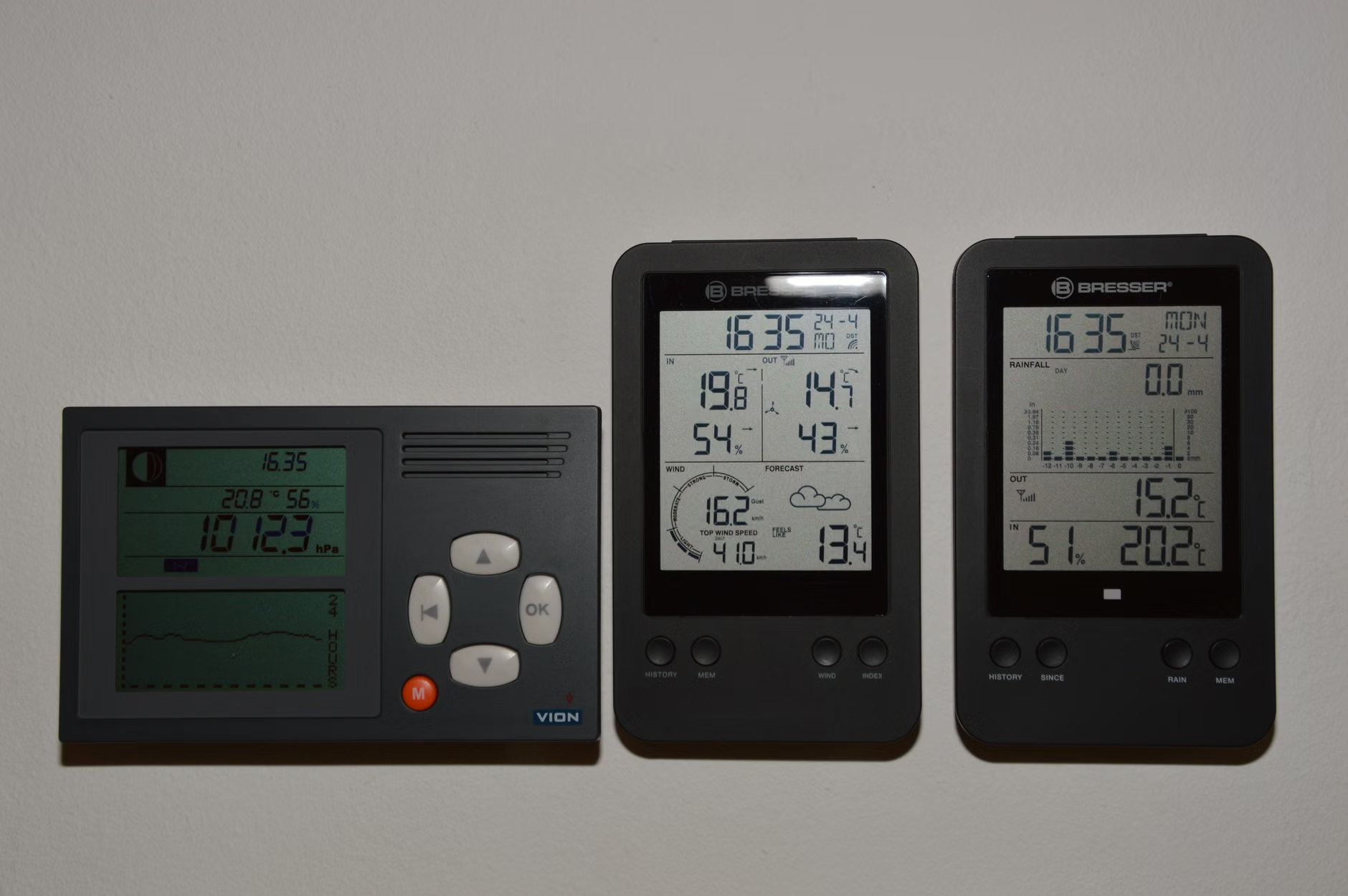
When selecting these tools, prioritize readability and durability. Digital weather stations are popular, but analog tools often provide a more “tactile” experience that can be more rewarding for those who enjoy the process of manual measurement. If you have limited mobility, consider a digital display that can be placed in your main living area, allowing you to monitor conditions without needing to step outside repeatedly.
The Practicality of Observation for Daily Safety
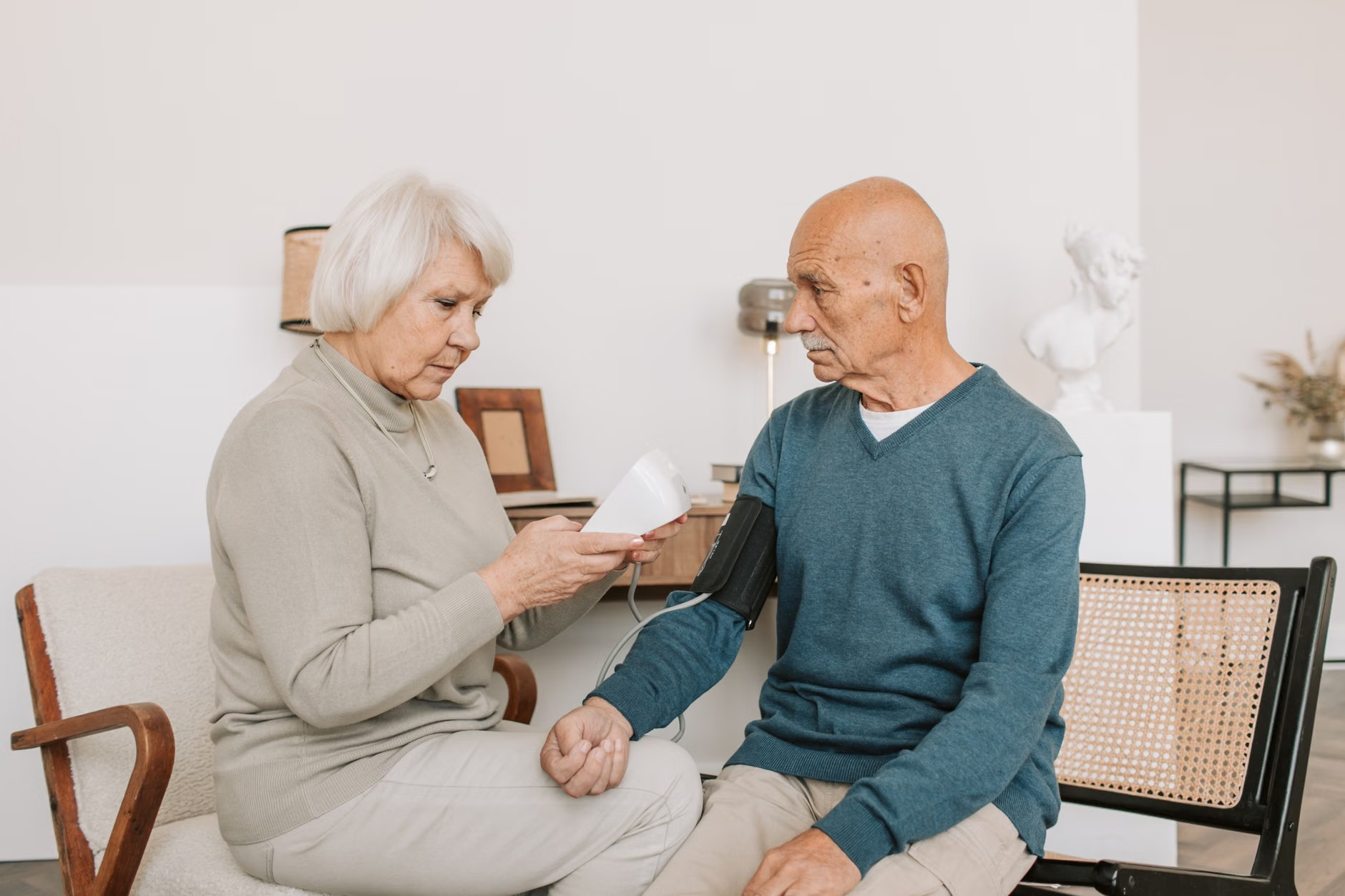
Beyond the mental exercise, weather observation is a vital safety skill. For older adults, temperature extremes and sudden weather changes can have significant health impacts. By becoming more attuned to the signs of changing weather, you can make informed decisions about your daily routine.
Managing Temperature Sensitivity
As we age, our bodies become less efficient at regulating core temperature. Being able to read the signs of an impending heatwave or a cold front is not just a hobby; it is a preventative health measure. If you observe high humidity and a drop in barometric pressure, you can preemptively plan to stay indoors, hydrate, or adjust your heating and cooling systems before the conditions become uncomfortable or dangerous.
Planning Outdoor Activities
Mobility and balance can be affected by wind conditions and surface changes caused by weather. By observing the wind speed and cloud cover, you can decide whether it is a safe day for a walk in the park or if it is better to engage in indoor exercise. This autonomy, based on your own observations, empowers you to maintain an active lifestyle while minimizing unnecessary risks.
Establishing a Consistent Observation Routine
To turn weather observation into a meaningful hobby, structure is essential. Treat it as a daily appointment with the sky. A simple routine might look like this:
- Morning Assessment: Record the temperature and check the sky for cloud cover immediately after breakfast.
- Midday Check: Note any changes in wind direction or humidity levels.
- Evening Review: Write a brief summary in your journal, noting if your predictions matched the actual weather.
This routine is not about being “correct” all the time; it is about the process of observation. If you predicted rain and it remained sunny, analyze why. Was the wind coming from a different direction than you thought? Did the clouds look different than your guide suggested? This analytical step is where the cognitive “heavy lifting” happens.
To deepen your knowledge, look for reliable sources that provide scientific explanations for weather phenomena. The World Meteorological Organization (WMO) offers excellent educational resources on cloud classification and global climate patterns. For local, specific information, your national meteorological service (such as the National Weather Service in the US or the Met Office in the UK) provides the data you need to ground your observations in reality.
Avoid “hype” websites that promise miraculous long-range predictions. Weather is inherently chaotic, and any site claiming to predict exact conditions weeks in advance is likely using simplified algorithms rather than scientific rigor. Stick to official government sources for data and use your own journals for observation.
Addressing Common Misconceptions
A common mistake is assuming that weather observation requires a background in science or mathematics. In reality, it is a skill learned through observation over time. You do not need to understand complex fluid dynamics to recognize that dark, low-hanging clouds often precede rain. Start small, focus on one variable at a time, and build your confidence gradually.
Another misconception is that the “best” observers are those with the most expensive technology. While technology is useful, the true value of this hobby lies in the human element—the act of looking, recording, and reflecting. A notebook and a simple thermometer are often enough to start a lifelong journey of discovery.
Conclusion: The Sky as a Lifelong Teacher
Weather observation is a gentle, rewarding, and intellectually stimulating hobby that fits perfectly into the lifestyle of an active older adult. By turning your attention to the horizon, you are not only tracking the weather but also training your brain to stay sharp, observant, and connected to the world around you. Start today by simply noting the clouds in your journal, and you will find that the sky becomes a source of endless fascination and practical wisdom.
Frequently Asked Questions
- Is it necessary to have a professional weather station to practice this hobby?
No. While digital stations are convenient, you can start with a simple outdoor thermometer and a notebook. The primary goal is the habit of observation, not the precision of the data. - How does weather observation help with my physical safety?
By learning to identify signs of changing weather (such as falling pressure or shifting winds), you can better plan your physical activities, ensuring you are not caught in extreme temperatures or conditions that might affect your balance and mobility. - What should I do if my observations are consistently different from the local weather forecast?
Local geography, such as hills, bodies of water, or urban heat islands, can create “microclimates” that official forecasts may not capture. Your observations are likely correct for your specific location, which makes your journal even more valuable.
Disclaimer: This article is for informational and leisure purposes only. It does not provide medical or emergency safety advice. Always rely on official government weather alerts for warnings regarding severe weather events.