- Sensory Management: Active Noise-Canceling (ANC) technology significantly reduces travel fatigue by lowering ambient background noise, which helps maintain stamina during long journeys.
- Choosing the Right Fit: Over-ear models generally offer better passive isolation and comfort for long-duration wear compared to in-ear buds, which may cause ear canal irritation.
- Safety First: While ANC is excellent for transit, always keep “transparency mode” enabled when navigating busy terminals to stay alert to announcements and surroundings.
The Impact of Sensory Load on Senior Travel
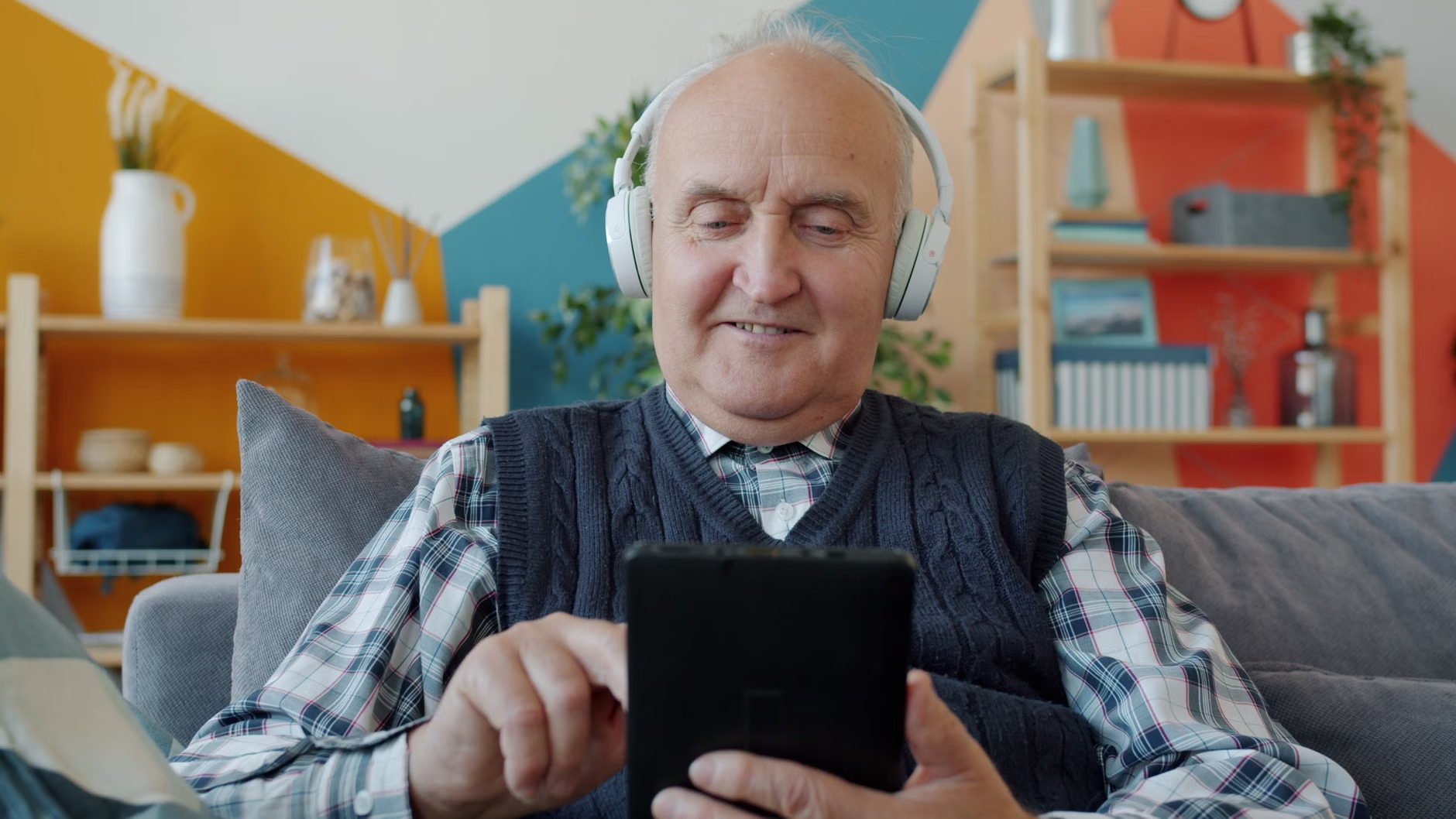
Travel, while enriching, is inherently sensory-heavy. For older adults, the constant hum of airplane engines, the chatter of crowded transit hubs, and the unpredictable acoustic environments of city streets can contribute to what experts call “sensory overload.” This state is not merely a feeling of annoyance; it manifests as physical fatigue, heightened stress, and a measurable decrease in cognitive energy. When your brain is constantly processing high levels of background noise, your stamina for the actual activities of your trip—walking, sightseeing, and socializing—is significantly diminished.
Digital noise-canceling technology, specifically Active Noise-Canceling (ANC), provides a practical solution to this challenge. By using tiny microphones to pick up ambient sound and generating an “anti-noise” frequency to cancel it out, these devices create a calm, controlled auditory bubble. This article explores how to integrate this technology into your travel routine to enhance your comfort, safety, and overall enjoyment.
Understanding How Active Noise-Canceling (ANC) Works
To make an informed decision, it is helpful to understand the mechanism behind the technology. ANC is not just “turning up the volume” to drown out noise; it is an active physical process. The headphones contain microphones that sample the sound waves around you. A digital processor then creates an inverted sound wave—the exact opposite of the noise—which effectively “cancels” the sound before it reaches your eardrums.
The Difference Between Passive and Active Isolation
It is important to distinguish between two types of noise reduction:
- Passive Isolation: This is achieved through the physical seal of the ear cup or the tip of the earbud. It is effective at blocking high-frequency sounds like human voices or sharp clicks.
- Active Noise-Canceling (ANC): This is an electronic process best suited for low-frequency, repetitive sounds like the drone of an airplane cabin, a train engine, or the rumble of a bus.
For the senior traveler, the best results come from a device that offers a strong combination of both. When selecting a headset, look for “Hybrid ANC,” which uses microphones both inside and outside the ear cup to provide the most comprehensive coverage.
Choosing the Right Form Factor: Over-Ear vs. In-Ear
When selecting your device, the most critical decision is the form factor. Your choice should depend on your specific needs regarding comfort, hearing health, and portability.
| Feature | Over-Ear Headphones | In-Ear Earbuds |
|---|---|---|
| Comfort | High; distributes pressure around the ear. | Variable; can cause canal fatigue. |
| Battery Life | Superior; often 30+ hours. | Moderate; requires charging cases. |
| Portability | Bulky; requires more luggage space. | Excellent; fits in a pocket. |
| Best For | Long-haul flights and trains. | Short trips and walking tours. |
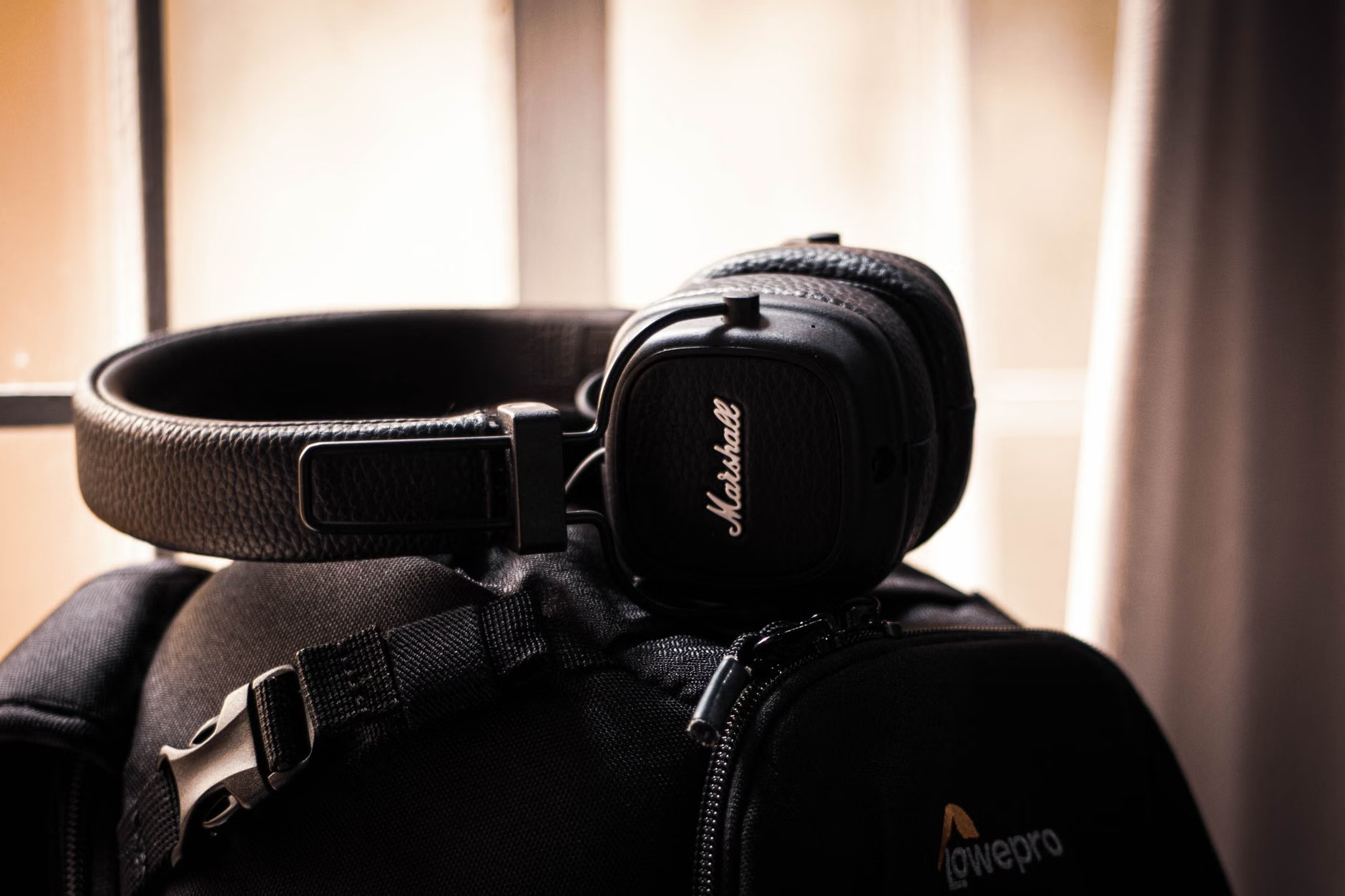
Recommendation: For most seniors, over-ear headphones are the preferred choice for long-distance travel. They do not require insertion into the ear canal, which can be sensitive, and they provide a more stable, comfortable fit that can be worn for several hours without irritation. If you wear hearing aids, ensure the ear cups are deep enough to fit over them without creating feedback or pressure points.
Practical Application: Managing Your Sensory Environment
Integrating this technology is about more than just buying a device; it is about creating a “travel ritual” that protects your energy levels. Here is how you can use these tools effectively in real-life scenarios.
While we want to block out the noise, safety is paramount. In busy transit hubs, you must remain aware of your surroundings. Most modern ANC devices include a “Transparency Mode” or “Ambient Mode.” This allows you to hear important announcements and traffic sounds while still enjoying a reduced level of background noise. Practice switching between “Full ANC” and “Transparency Mode” at home before you leave. Never wear full-cancellation headphones when walking in high-traffic pedestrian areas or crossing streets.
2. The “Cabin Calm” Strategy
On an airplane or train, the low-frequency drone is a major source of dehydration and fatigue. By engaging ANC as soon as you sit down, you prevent the subconscious stress response that occurs when the brain is forced to process constant, loud background noise. This simple habit can leave you feeling significantly more refreshed upon arrival.
3. Managing Battery Life and Charging
One common mistake is running out of power mid-journey. Always pack a dedicated, small power bank for your headphones. Because many modern headphones charge via USB-C, you can often use the same charger as your smartphone or tablet. Check your device’s battery status before leaving your accommodation each morning.
Addressing Common Concerns and Myths
There are many misconceptions regarding digital audio technology. Addressing these can help you feel more confident in your purchase.
“Does ANC damage my hearing?”
No. ANC technology does not generate harmful sound waves. In fact, it can be beneficial for hearing health because it allows you to listen to your music or podcasts at a lower, safer volume. Without noise cancellation, you might naturally turn the volume up to compete with the ambient noise of a plane or train, which is far more likely to cause auditory damage over time.
“Is the technology too difficult to use?”
Most modern devices are designed for intuitive use. Many connect automatically via Bluetooth to your smartphone. Once paired, you rarely need to interact with complex menus. Many models also feature physical buttons rather than touch-sensitive surfaces, which can be easier to operate if you have limited dexterity or arthritis in your hands.

Maintenance and Hygiene for Travel
Travel gear is exposed to sweat, dust, and varying temperatures. To ensure your investment lasts, follow these maintenance tips:
- Cleaning: Use a soft, dry cloth to wipe down the ear pads after each travel day. If they are made of synthetic leather, you can use a slightly damp cloth, but ensure they are completely dry before storing them.
- Storage: Always use the provided hard-shell carrying case. This prevents the hinges from snapping when packed in a suitcase and protects the internal microphones from debris.
- Humidity: Avoid leaving your headphones in very high-humidity environments, such as a bathroom after a shower or in a hot car, as this can degrade the internal electronics over time.
The Hidden Benefit: Mental Energy Conservation
The most overlooked benefit of noise-canceling technology is the preservation of “cognitive bandwidth.” When traveling, you are constantly making decisions: navigating maps, tracking boarding times, and managing luggage. This requires significant mental effort. By reducing the “background noise” of the world, you are effectively lowering the cognitive load on your brain. This leaves you with more mental energy to enjoy the sights, engage in conversation, and navigate the complexities of travel with a clearer, calmer mind.
Consider a hypothetical scenario: A couple is traveling through a busy European capital. The city is loud, with trams, construction, and crowds. By wearing ANC headphones during the transit portions of their day, they reach their museum or restaurant visit feeling composed rather than frazzled. This small technological intervention creates a buffer that allows for a more relaxed and spontaneous travel experience.
Final Considerations Before You Purchase
Before buying, consider these three factors:
- Compatibility: Ensure the device connects easily to the devices you currently use (e.g., your tablet or smartphone).
- Weight: If you have neck or shoulder sensitivity, look for “lightweight” models. The weight difference between brands can be significant.
- Return Policy: Purchase from a retailer that allows a trial period. Comfort is subjective, and you should ensure the fit is perfect for your head shape and ear sensitivity before committing.
Conclusion
Digital noise-canceling technology is a powerful tool for the modern senior traveler. By managing your sensory environment, you can reduce fatigue, protect your hearing health, and maintain your stamina throughout your journey. Start by testing different models for comfort, practice using the “transparency” features for safety, and treat your headphones as an essential part of your travel health kit, just like your walking shoes or travel documents. When you control the noise, you regain control over your travel experience.
Frequently Asked Questions
1. Can I use noise-canceling headphones if I use hearing aids?
Yes, but it requires careful selection. Over-ear headphones are generally better than in-ear buds, as they can fit over the hearing aid. Look for models with deep ear cups to avoid physical pressure on the hearing aid, which can cause feedback (a whistling sound). It is recommended to test this combination at a local store before purchasing.
2. Do I need to be tech-savvy to use these devices?
Not at all. Most modern ANC headphones are “plug and play.” Once they are paired with your phone, you usually only need to use a single button to turn the noise cancellation on or off. You do not need to use complex apps unless you want to customize specific sound settings.
3. Are these headphones worth the high cost?
For frequent travelers, the investment is usually justified by the significant reduction in travel-related fatigue. While cheaper versions exist, high-end models offer superior “noise floor” reduction and better battery life. If you travel more than twice a year, the improvement in your comfort level is generally considered a worthwhile expense.
For further information on hearing health while traveling, you may consult resources from the World Health Organization on hearing care.