- Request early: Always book your specific mobility assistance (WCHR, WCHS, or WCHC) at least 48 hours before your flight to ensure availability.
- Understand the codes: Familiarize yourself with International Air Transport Association (IATA) codes to ensure you get exactly the level of support you need.
- Advocate for yourself: Carry a printed copy of your assistance request and be prepared to communicate your specific mobility limitations clearly to ground staff.
Traveling by air remains one of the most efficient ways to explore the world, yet the complexities of modern airport infrastructure can present significant challenges for older adults with limited mobility. Navigating vast terminals, long security queues, and boarding gate distances requires careful planning and a proactive approach to utilizing available support services. By understanding how to effectively request and manage airport assistance, you can transform a potentially stressful journey into a comfortable and dignified experience.
The Three Pillars of Airport Mobility Assistance
Airport assistance is not a one-size-fits-all service. Airlines and airports categorize support based on the specific physical or medical needs of the passenger. To ensure you receive the correct level of care, you must understand the standard IATA codes used globally.
1. WCHR (Wheelchair – Ramp)
This category is for passengers who can walk up and down steps and move about in the aircraft cabin but require a wheelchair for the distance between the terminal entrance and the aircraft seat. This is the most common request for seniors who experience fatigue or have difficulty with long-distance walking due to arthritis or reduced stamina.
2. WCHS (Wheelchair – Steps)
Designed for passengers who cannot walk up or down steps but are capable of moving about in the cabin. These travelers require assistance to reach the aircraft door and are often transported using specialized lift equipment or ramps.
3. WCHC (Wheelchair – Cabin Seat)
This is for passengers who are completely immobile. They require assistance from the terminal entrance to their seat on the aircraft and often need specialized equipment, such as an on-board wheelchair, to move within the cabin or access the lavatory.
| Code | Primary Need | Mobility Capability |
|---|---|---|
| WCHR | Long distances | Can climb stairs |
| WCHS | Stairs and distances | Cannot climb stairs |
| WCHC | Total mobility support | Fully immobile |
Choosing the right code is a matter of safety and comfort. If you are unsure, always err on the side of requesting more assistance rather than less. It is far easier for ground staff to accommodate a passenger who needs less help than expected than it is to scramble for a wheelchair at the gate when one wasn’t requested.

Strategic Planning: The 48-Hour Rule
The most common mistake travelers make is assuming that assistance can be requested upon arrival at the airport. While most airlines will attempt to accommodate last-minute requests, they are under no obligation to do so if resources are fully booked. The industry standard is to request assistance at least 48 hours before your scheduled departure.
Steps for a Successful Request
- Booking Phase: Add the “Special Assistance” request directly during the online booking process. Most airline websites have a dedicated checkbox or section for this.
- Follow-Up Call: After booking, call the airline’s customer service line to confirm the request is attached to your Passenger Name Record (PNR). Ask the agent to read back the specific assistance code they have entered.
- Documentation: If you are traveling with your own mobility aid (such as a foldable walker or a collapsible wheelchair), ensure the dimensions and battery type (if electric) are recorded in your booking.
- Re-confirmation: Call the airline 48 hours prior to the flight to ensure the request is still active and that the airport staff at both your departure and arrival points are notified.
Hidden Variable: Many travelers forget that assistance must be coordinated for both the departure and the arrival airport. If you have a connecting flight, ensure the assistance is booked for every leg of the journey. A common error is assuming that because you have assistance at the start, it will automatically follow you through the entire itinerary.
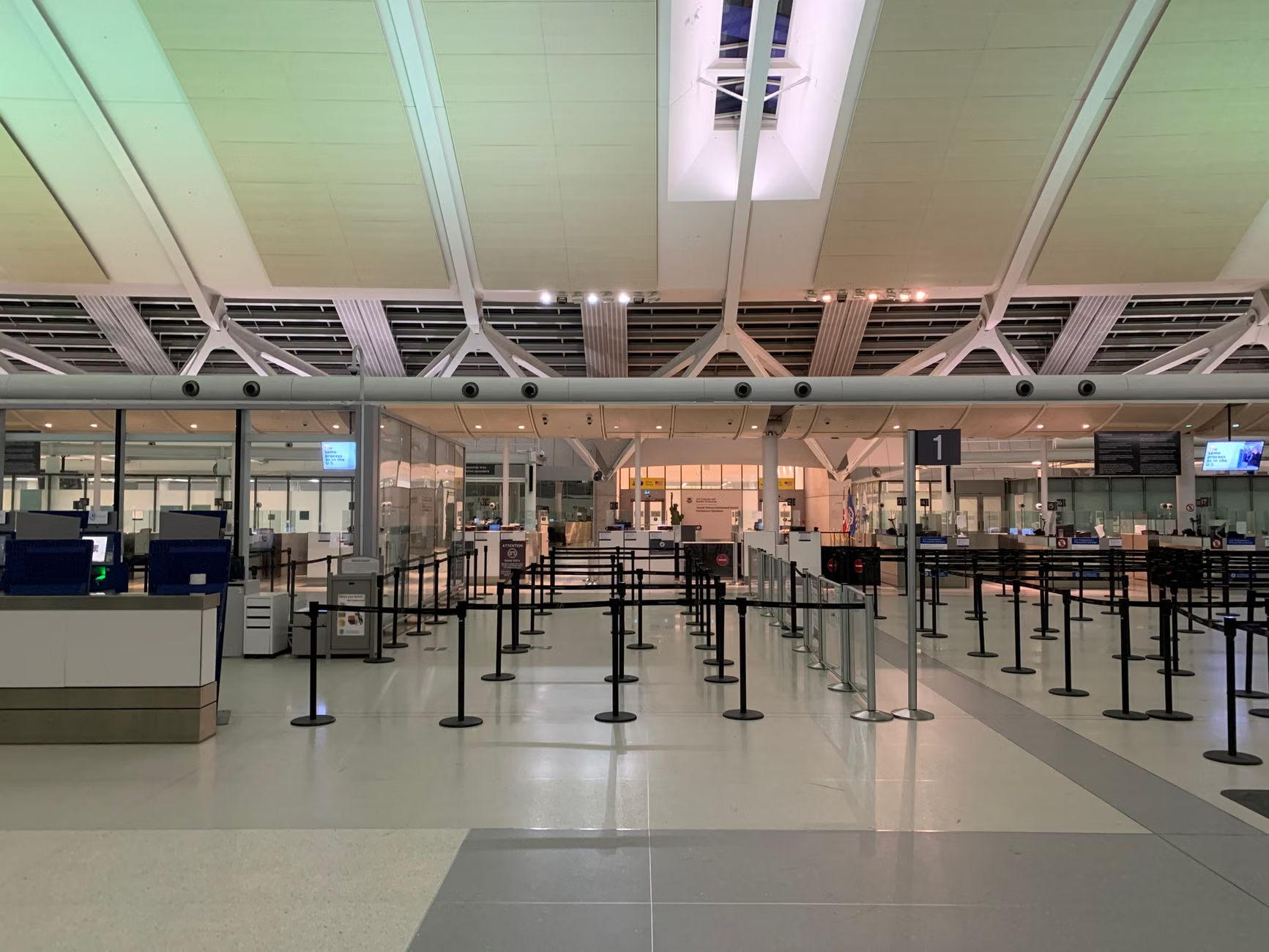
Security checkpoints can be intimidating, but travelers with mobility assistance are entitled to specific accommodations. In many jurisdictions, such as the United States (TSA Cares) or the European Union (Regulation EC 1107/2006), passengers with disabilities or limited mobility have the right to prioritized screening.
What to Expect at Security
When you arrive at the security checkpoint, inform the officer immediately that you have a mobility assistance request. You do not need to disclose your specific medical condition in detail, but you should clearly state what you need. For example, “I have difficulty standing for long periods; can I be directed to the accessible screening lane?”
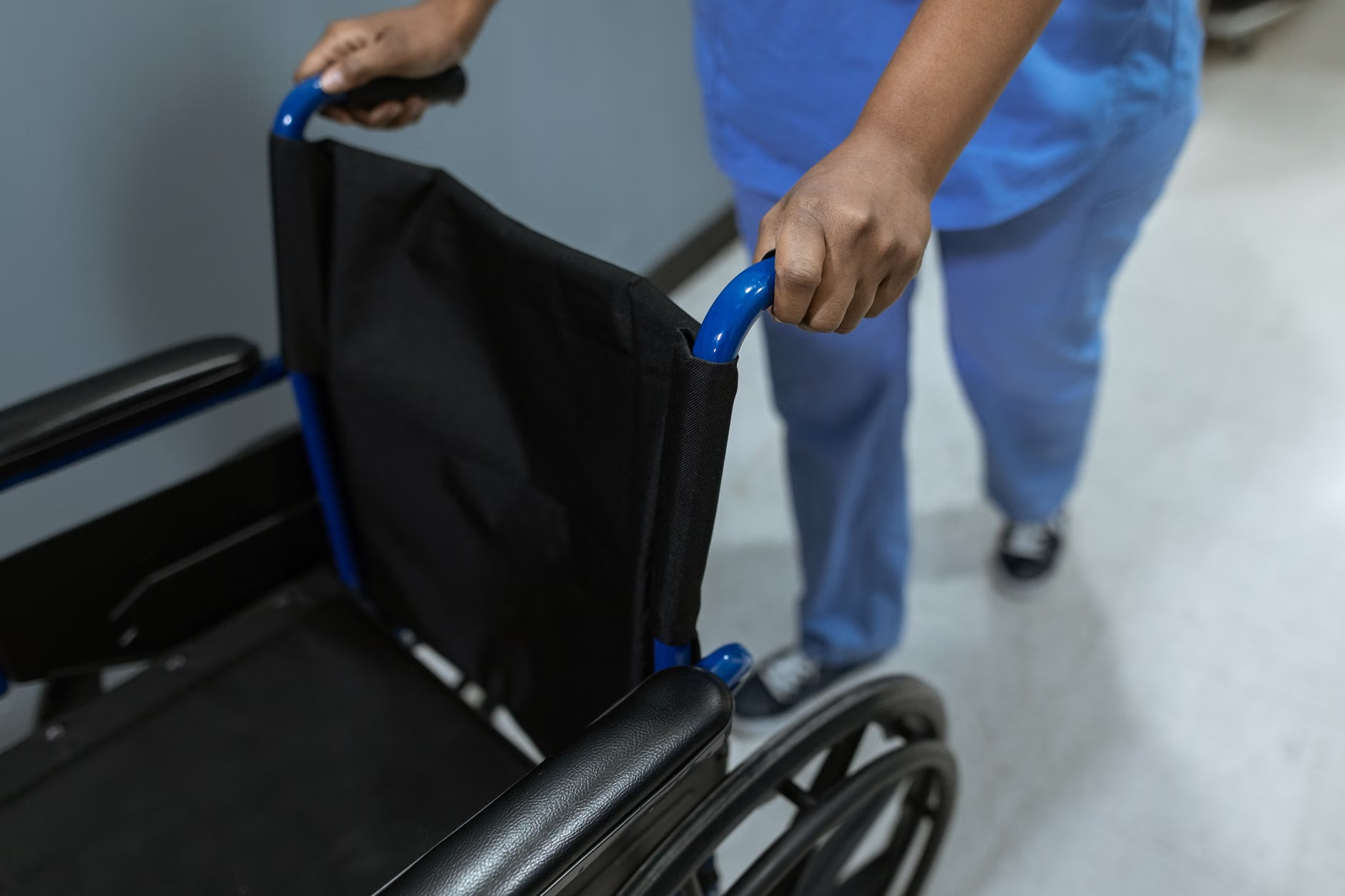
Pro Tip: If you use a cane, walker, or wheelchair, you are generally allowed to keep these items with you until the last possible moment. If you are using a wheelchair, the officer will screen the chair while you are assisted through the metal detector or body scanner. Always keep your essential medications, mobility aids, and travel documents in a carry-on bag that you can manage easily while seated.
Managing Your Energy: The “Stamina Budget”
Traveling involves significant physical exertion, from the moment you leave your home to the moment you reach your final destination. Older adults should treat their stamina as a finite “budget.”
Practical Energy Conservation Strategies
- Gate Proximity: When choosing your seat, prioritize seats near the front of the aircraft. This minimizes the time spent standing in the aisle while waiting to deplane.
- The “Meet and Greet” Service: If you are traveling alone and feel anxious about navigating a massive international hub, check if the airline offers a “Meet and Greet” or “Escort” service. This goes beyond a wheelchair and provides a staff member to guide you through customs and baggage claim.
- Airport Lounges: Consider purchasing a one-time pass to an airport lounge. These areas offer comfortable seating, accessible restrooms, and a quieter environment, which can be invaluable during long layovers.
What it looks like in real life: Imagine a scenario where a traveler has a four-hour layover. Instead of walking to a distant gate, they use their pre-booked WCHR assistance to be transported directly from their arrival gate to a lounge near their departure gate. They spend the time resting rather than navigating crowds, arriving at their final destination with significantly more energy.
Addressing Potential Challenges and Unexpected Trade-offs
Even with meticulous planning, things can go wrong. Perhaps the requested wheelchair is not waiting at the gate, or the lift equipment is delayed. It is essential to remain calm and assertive.
Handling Service Failures
If you arrive at the gate and find that no assistance is provided, do not wait in silence. Politely but firmly address the gate agent. Use the confirmation number of your booking and mention that you requested assistance 48 hours in advance. If the gate agent is busy, look for a supervisor or a representative from the airport’s dedicated accessibility desk.
The Trade-off of Independence: Some travelers feel that using a wheelchair reduces their sense of independence. However, it is more helpful to reframe this as a tool for efficiency and safety. By conserving your energy during the transit phase, you are actually preserving your ability to enjoy your destination upon arrival. The goal is to arrive at your destination refreshed, not exhausted.
The Role of Caregivers and Family Members
If you are a caregiver or family member accompanying an older adult, your role is to act as an advocate and a logistical coordinator. Your primary responsibility is to ensure that all assistance requests have been confirmed and to maintain the “human link” between the traveler and the airline staff.
Checklist for Caregivers
- Confirm the PNR: Keep a digital copy of the booking on your phone and a printed copy in your bag.
- Medication Management: Ensure that all necessary medications are in your carry-on, clearly labeled, and accompanied by a doctor’s note if required by international regulations.
- Communication: If your loved one has hearing or vision impairments, ensure the airline is aware of this so they can provide verbal or written instructions as needed.
- Advocacy: If the assistance provided is inadequate, be the voice that speaks up to the airline staff. You are the most effective advocate for your loved one’s comfort.
Important Warning: Never pack essential mobility equipment—such as a custom cushion, a specific type of brace, or a CPAP machine—in your checked luggage. These items are critical to the traveler’s health and must remain in the cabin to avoid the risk of loss or damage.
Understanding Jurisdiction-Specific Regulations
It is crucial to remember that accessibility regulations vary by country. In the United States, the Air Carrier Access Act (ACAA) prohibits discrimination against passengers with disabilities. In the European Union, Regulation (EC) No 1107/2006 ensures that disabled persons and persons with reduced mobility have opportunities for air travel comparable to those of other citizens. However, in some regions, the level of service and the speed of response may differ significantly.
Research the airport’s website specifically before you travel. Most major international airports have a dedicated “Accessibility” or “Special Assistance” page that outlines exactly what you can expect and provides contact numbers for the local assistance team.
Conclusion: A Path Forward
Navigating airport assistance is not about admitting limitations; it is about utilizing the infrastructure designed to keep travel accessible for everyone. By taking ownership of the request process, understanding the specific codes that define your needs, and advocating for yourself at each step, you can remove the barriers that might otherwise discourage you from traveling. Your mobility should never be a reason to stay home, but rather a factor to be managed with foresight and preparation.
The next time you book a flight, treat your assistance request with the same level of importance as your passport or your flight ticket. Ensure it is documented, confirmed, and understood. With these measures in place, you can focus on the joy of the journey itself, knowing that the logistics of your mobility are well-handled.
Frequently Asked Questions (FAQ)
1. Is there an extra cost for requesting airport mobility assistance?
No, airport mobility assistance is a mandatory service provided by airlines and airports at no additional cost to the passenger. It is a fundamental right in many jurisdictions to ensure equitable access to air travel.
2. Can I bring my own wheelchair on the plane?
Yes, you can bring your own wheelchair. However, depending on whether it is manual or electric, there are specific protocols. Electric wheelchairs require specific battery handling and must be declared at the time of booking. Always check with your airline regarding their specific requirements for transporting mobility aids.
If you have a hidden disability that affects your ability to navigate the airport, you can still request assistance. Many airports now participate in the “Hidden Disabilities Sunflower” program, where wearing a sunflower lanyard signals to staff that you may need additional time, patience, or assistance, without requiring you to explain your condition in detail.
For further official guidance, you may consult the IATA guidance on travelers with disabilities or the specific accessibility pages provided by your airline’s official website.