- Ankle circles are a low-impact, high-reward exercise that promotes synovial fluid circulation, essential for lubricating aging joint cartilage.
- Consistency is more important than intensity; performing 10–15 controlled circles per direction twice daily can significantly improve ankle range of motion.
- Poor ankle mobility is a primary contributor to tripping and balance loss; maintaining flexibility is a direct strategy to preserve independent mobility.
The health of your ankles is the foundation of your independence. As we move into our 60s, 70s, and 80s, the tissues surrounding our joints—the tendons, ligaments, and cartilage—naturally lose some of their elasticity. This process, while normal, can lead to stiffness that affects how we walk, how we balance, and ultimately, how we navigate our daily lives. Seated ankle circles are one of the most effective, accessible, and safe preventive habits you can adopt to maintain joint lubrication and functional mobility.
Understanding the Mechanics of Ankle Stiffness
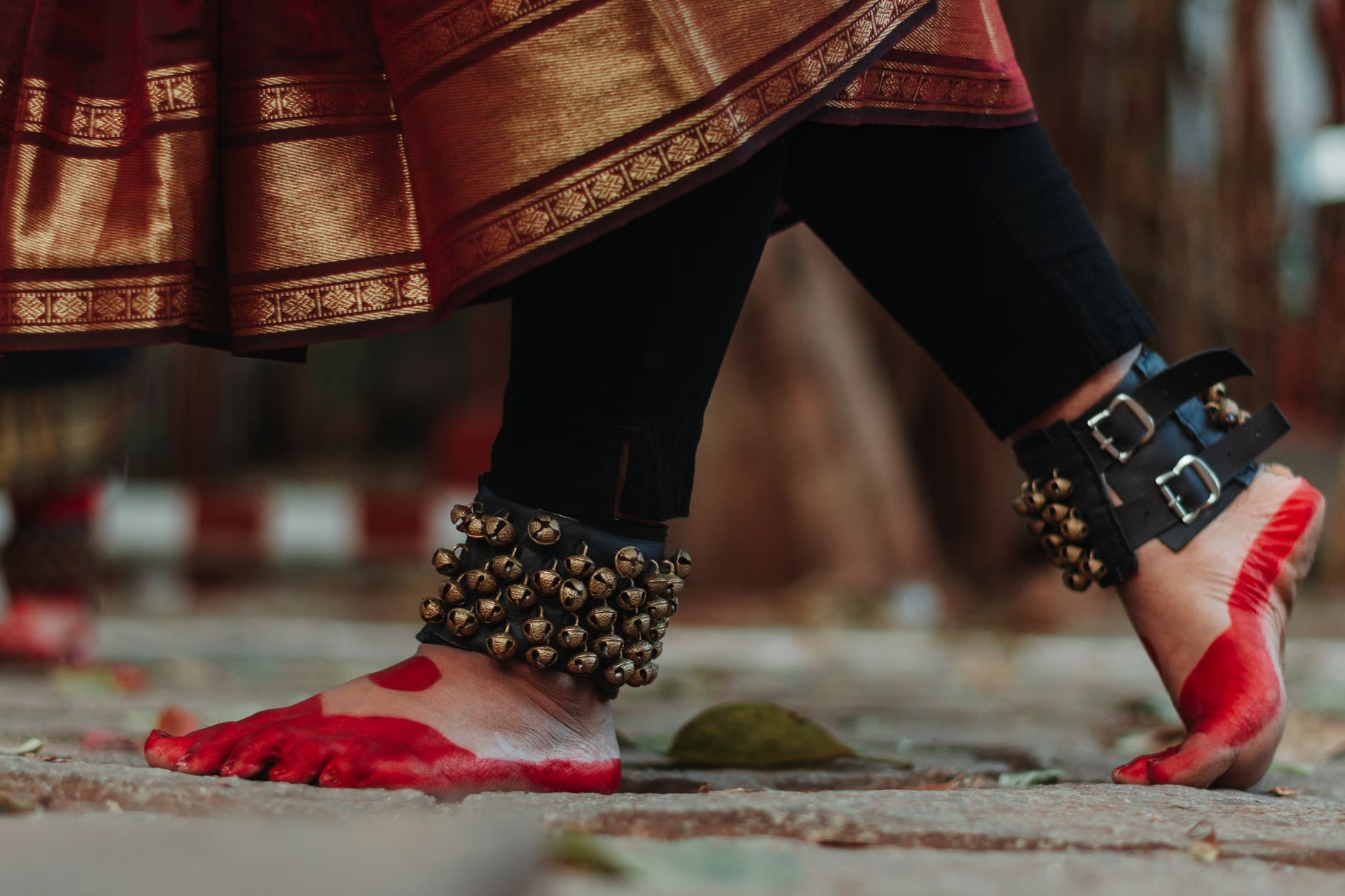
To understand why ankle circles matter, we must first look at what happens inside the joint. The ankle is a complex hinge joint that supports the entire weight of your body. It relies on synovial fluid, a natural lubricant that keeps cartilage smooth and joints moving without friction. As we become less active or simply due to the aging process, the production and circulation of this fluid can decrease, leading to that “stiff” feeling first thing in the morning or after sitting for long periods.
Stiffness is not just a nuisance; it is a physiological signal. When the ankle joint lacks a full range of motion, the body compensates by altering your gait. You might take shorter steps, lift your feet less, or shift your weight unevenly. These subtle changes increase the risk of trips, falls, and chronic discomfort in the knees and hips, which often bear the brunt of the compensation. By regularly performing ankle circles, you are essentially “greasing the gears” of your lower body, ensuring that the joint remains supple and capable of absorbing the impact of daily movement.
The Physiology of Joint Lubrication
Joints are not static structures; they require movement to remain healthy. The cartilage in your ankle does not have a direct blood supply. Instead, it relies on the compression and release of movement to “soak up” nutrients from the surrounding synovial fluid. When you move your ankle through a full, controlled range of motion, you are actively pumping this nutrient-rich fluid into the cartilage. This process, known as imbibition, is the primary way that joints stay nourished and resilient against wear and tear.
Think of it like a sponge. If a sponge is left to dry out, it becomes brittle and cracks when you try to bend it. If it is kept moist, it remains soft and pliable. Your ankle cartilage behaves in a similar fashion. By performing ankle circles, you are preventing the “drying out” of the joint space. This is particularly important for adults who may spend a significant portion of their day seated. Prolonged sitting stagnates fluid circulation; therefore, incorporating these circles into your daily routine—perhaps while watching the news or waiting for the kettle to boil—is a high-leverage health habit.
Step-by-Step: Executing the Perfect Ankle Circle
While the movement seems simple, the effectiveness lies in the execution. Many people perform “lazy” circles that only move the toes rather than the entire ankle joint. To gain the full preventive benefits, follow this precise method:
| Step | Instruction |
|---|---|
| 1. Positioning | Sit upright in a sturdy chair with your feet flat on the floor. Ensure your back is supported. |
| 2. Elevation | Lift one foot off the ground. You may extend your leg slightly, but do not lock the knee. |
| 3. The Circle | Trace a large, slow circle with your big toe. Imagine you are drawing a circle on a wall in front of you. |
| 4. Direction | Perform 10-15 circles clockwise, then switch and perform 10-15 circles counter-clockwise. |
| 5. Repeat | Switch to the other foot and repeat the process. |
Common Mistake: Moving too quickly. The goal is lubrication, not speed. If you move too fast, you are using momentum rather than the muscles around the ankle to guide the movement. Slow, deliberate circles engage the stabilizers that protect your joint from injury.
Integrating Mobility into Daily Life
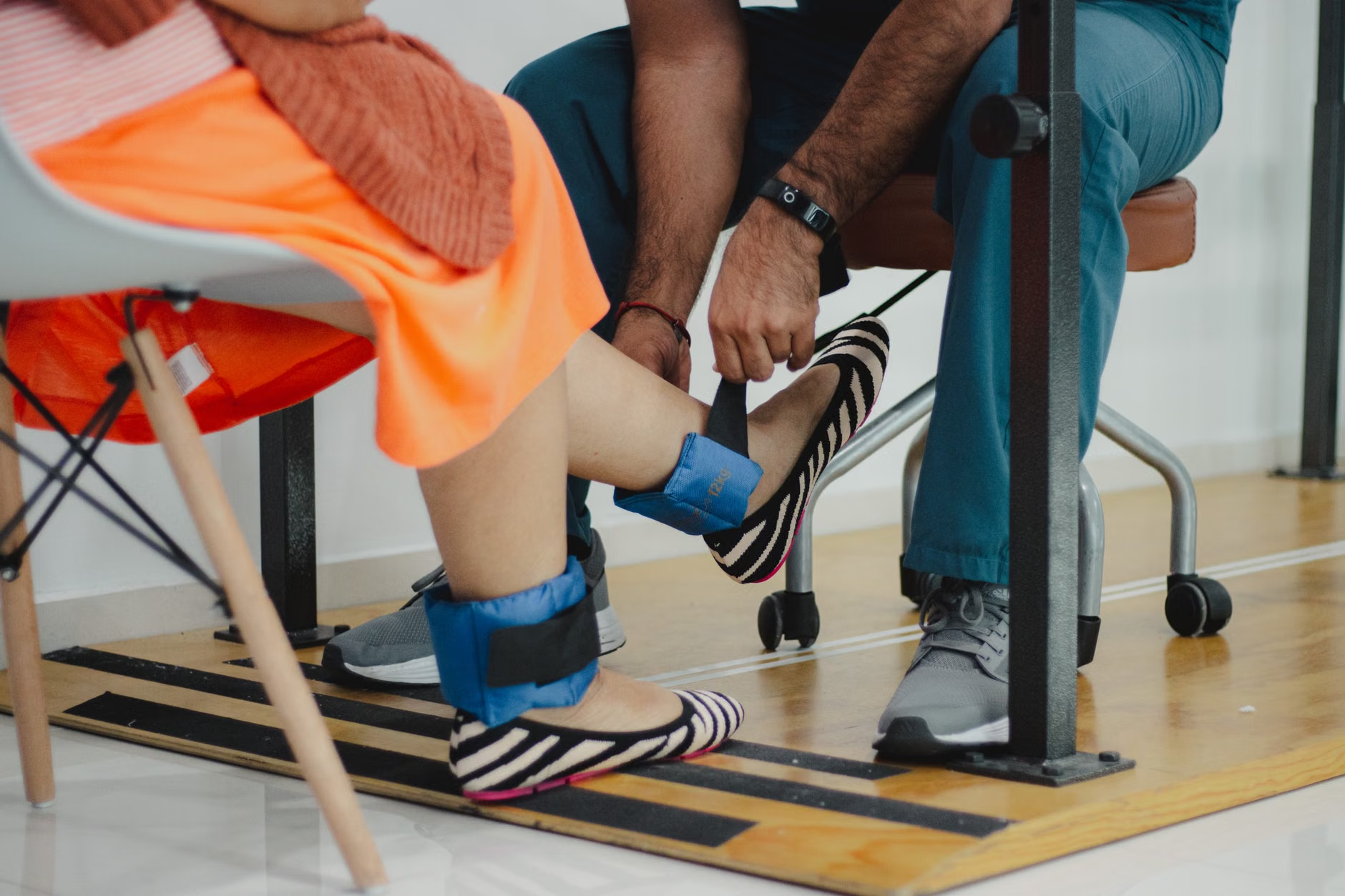
The greatest barrier to preventive health is not physical ability, but habit formation. Integrating ankle circles does not require a gym membership or specialized equipment. It is a “hidden” exercise that you can perform anywhere. To make this a lasting habit, pair it with an existing activity. For instance, make it a rule to perform one set of circles every time you sit down to check your email or read the morning paper. By anchoring the exercise to a consistent daily trigger, you bypass the need for willpower.
Consider the environment. Ensure the chair you use is stable. If you have mobility challenges, you may feel more secure holding onto the armrests of the chair while performing the circles. The goal is to isolate the movement to the ankle. If you find yourself leaning or moving your entire leg, reduce the size of the circle until you can maintain stability. Over time, as your flexibility improves, you will naturally be able to increase the range of motion.
When to Consult a Professional
While ankle circles are a safe preventive measure, they are not a substitute for medical treatment if you are experiencing active pain or injury. If you notice persistent swelling, sharp pain during movement, or a feeling of instability (the “giving way” of the ankle), these are indicators that you should consult a physical therapist or a primary care physician. These symptoms may suggest underlying conditions such as osteoarthritis, tendonitis, or chronic instability that require a tailored rehabilitation program rather than general maintenance.
When you speak to a healthcare professional, bring a list of your questions. Specifically, ask: “Is my current range of motion in the ankle within the expected range for my age?” and “Are there specific strengthening exercises I should combine with these mobility circles to better support my joint?” Having this conversation transforms a general health concern into a specific, actionable plan that respects your individual medical history.
The Hidden Link Between Ankle Mobility and Fall Prevention
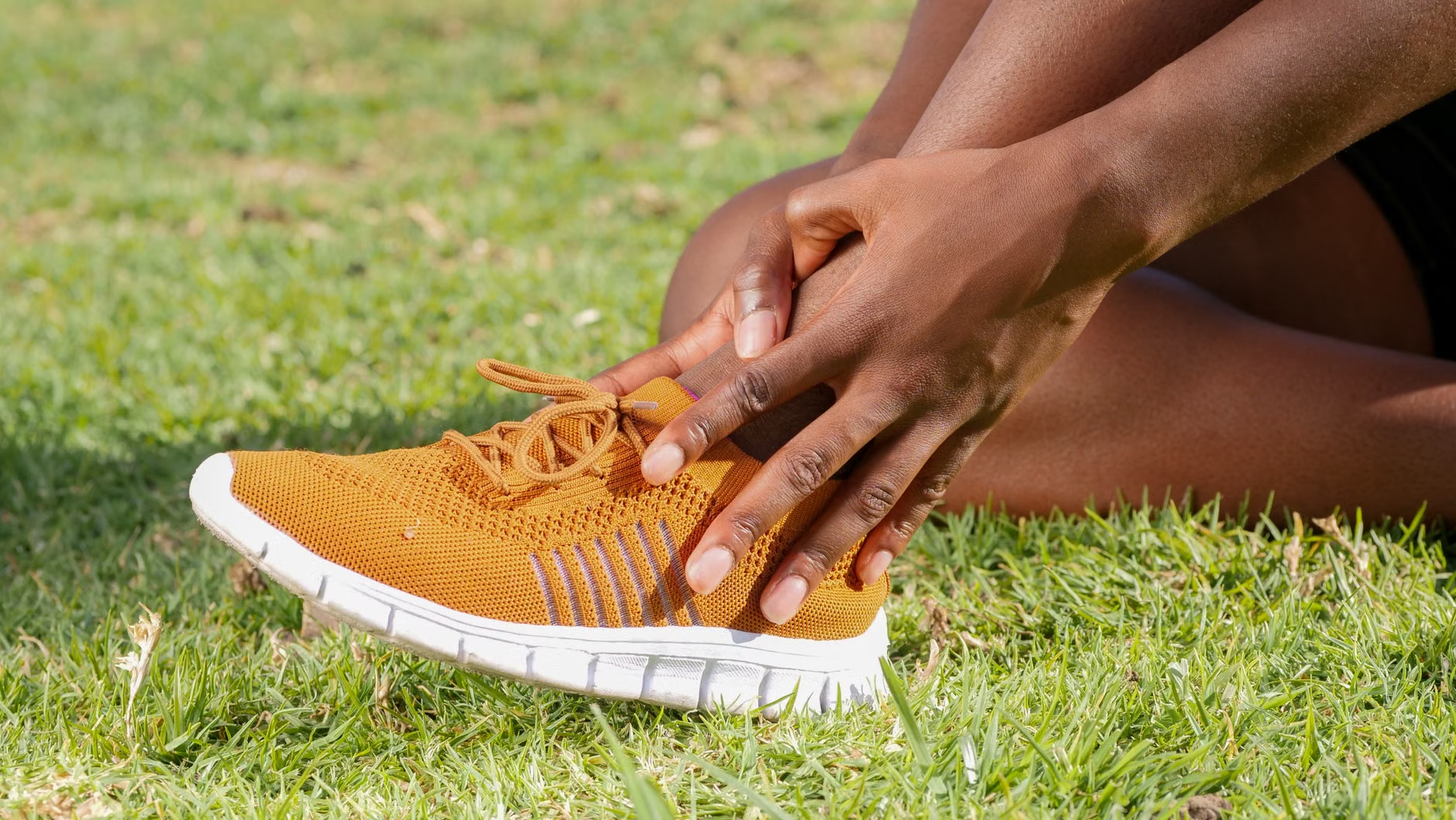
We often talk about balance as a core strength issue, but the ankle is the “first responder” to balance threats. When you trip, your ankle must react instantly to stabilize your body and prevent a fall. If the ankle joint is stiff, this reaction is delayed or incomplete. This is why maintaining flexibility is so critical for fall prevention. By keeping the joint lubricated and the muscles around it responsive, you are effectively training your body’s emergency response system.
Furthermore, research suggests that limited ankle dorsiflexion (the ability to pull your toes toward your shin) is a significant predictor of gait changes in older adults. When you cannot flex your ankle properly, you are forced to lift your foot higher or shuffle, both of which increase the risk of catching your toes on uneven surfaces. By practicing ankle circles, you are maintaining the necessary range of motion to keep your step length consistent and your stride confident.
Advanced Considerations: Beyond the Circle
Once you have mastered the seated ankle circle, you may consider adding variations to further support joint health. For example, “alphabet writing” with your toes is an excellent way to move the ankle through planes of motion that simple circles might miss. By writing out the letters of the alphabet with your big toe, you force the ankle to navigate diagonal and complex paths, which mimics the real-world demands of walking on uneven ground or stepping over obstacles.
Another consideration is the role of footwear. While we often focus on the support provided by shoes, wearing them all day can sometimes restrict the natural movement of the ankle. Taking a few minutes throughout the day—while you are safely seated—to perform these exercises barefoot can help the intrinsic muscles of the foot and ankle work more effectively. Ensure you are in a safe, carpeted, or non-slip area if you choose to practice barefoot, and always prioritize stability over intensity.
A Holistic Approach to Joint Longevity
It is important to remember that joint health is a multifactorial issue. While ankle circles are a powerful preventive tool, they work best when paired with adequate hydration and general movement. Synovial fluid is largely composed of water; staying hydrated ensures that your body has the raw materials needed to maintain fluid volume in the joints. Furthermore, general movement—such as walking—complements the targeted lubrication provided by ankle circles. Think of ankle circles as the “spot treatment” and walking as the “full-body maintenance.”
Finally, avoid the trap of “all or nothing” thinking. If you miss a day, do not feel discouraged. The goal is to accumulate a lifetime of small, consistent actions that preserve your mobility. By viewing your body as a system that requires regular, gentle maintenance rather than a machine that only needs fixing when broken, you empower yourself to live with greater confidence and physical freedom.
Frequently Asked Questions
1. Can I perform these ankle circles if I have had a previous ankle fracture?
If you have a history of fractures, it is essential to consult your orthopedist or physical therapist before starting any new movement routine. They can provide specific guidelines on whether your ankle is fully healed and if there are particular angles of movement you should avoid to prevent re-injury or irritation of scar tissue.
2. How long does it take to notice an improvement in ankle stiffness?
Consistency is key. Many individuals report feeling a decrease in morning stiffness within two to three weeks of performing these exercises daily. However, long-term improvements in joint range of motion and functional stability often build over months of consistent practice. Think of this as a long-term investment in your mobility rather than a quick fix.
3. Is it normal to hear “clicking” or “popping” sounds during the circles?
In most cases, mild clicking or popping (crepitus) without pain is considered normal. It is often caused by air bubbles in the synovial fluid or tendons moving over bony prominences. However, if the clicking is accompanied by pain, swelling, or a feeling of the joint “locking,” you should discontinue the exercise and seek professional advice to rule out underlying structural issues.
Disclaimer: This article is for informational purposes only and does not constitute medical diagnosis or treatment. Always consult with a healthcare professional before starting any new exercise program, especially if you have existing health conditions or mobility limitations.
Official Reference and Further Reading: