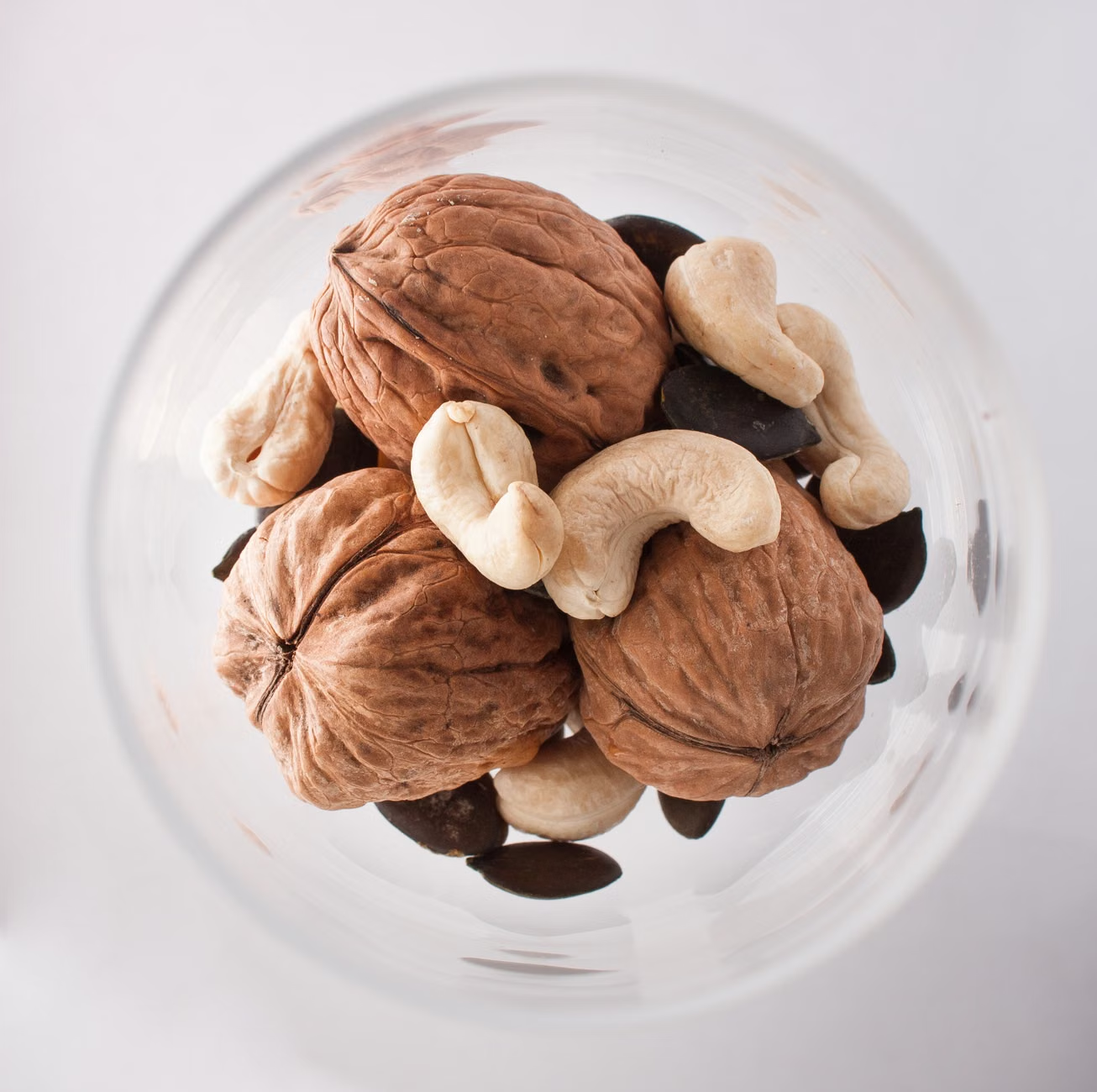
- Food over supplements: Vitamin E is best absorbed through whole-food sources like nuts, seeds, and plant oils, which offer a synergistic blend of nutrients that supplements often lack.
- Fat-solubility matters: Because Vitamin E is fat-soluble, pairing it with healthy fats (like those found in olive oil or avocado) is essential for your body to absorb and utilize the nutrient effectively.
- Skin and cellular protection: Vitamin E acts as a powerful antioxidant that neutralizes free radicals, supporting skin barrier integrity and cellular repair, which are vital for healthy aging.
Vitamin E is a group of fat-soluble compounds that serve as one of the body’s most potent antioxidants. For adults between the ages of 60 and 80, maintaining adequate levels of this nutrient is not just about cosmetic skin health; it is about supporting the fundamental integrity of your cells against the cumulative effects of oxidative stress.
Understanding Vitamin E: The Cellular Protector
In biological terms, Vitamin E is not a single substance but a family of eight compounds known as tocopherols and tocotrienols. Its primary role in the human body is to protect cell membranes from oxidative damage. As we age, our bodies experience a natural increase in oxidative stress—a process where unstable molecules called free radicals cause damage to healthy cells.
When these free radicals impact skin cells, they contribute to the thinning of the dermis and the breakdown of collagen. Internally, this same process affects the cardiovascular system and the health of our immune response. By consuming Vitamin E, you are providing your body with a chemical “shield” that intercepts these free radicals before they can cause damage to cellular structures.
Why Dietary Sources Outperform Supplements
There is a persistent misconception that the best way to get Vitamin E is through high-dose synthetic supplements. However, clinical research consistently points to the superiority of obtaining nutrients through whole foods. When you eat an almond or a serving of spinach, you are consuming Vitamin E alongside a complex matrix of fiber, minerals, and other phytonutrients that aid in digestion and bioavailability.
Supplementing with high-dose Vitamin E, particularly in isolation, does not always provide the same protective benefits and, in some cases, can interfere with blood-thinning medications. For older adults, the safest and most effective strategy is to treat your kitchen as your pharmacy.
Top Dietary Sources for Your Daily Routine
Integrating Vitamin E into your diet does not require a radical change in your eating habits. It requires a strategic selection of ingredients that are naturally high in alpha-tocopherol, the form of Vitamin E most easily used by the human body.
| Food Item | Average Serving Size | Vitamin E Content (Approx.) |
|---|---|---|
| Sunflower Seeds | 1 ounce (dry roasted) | 7.4 mg |
| Almonds | 1 ounce (dry roasted) | 6.8 mg |
| Hazelnuts | 1 ounce | 4.3 mg |
| Spinach (cooked) | 1/2 cup | 1.9 mg |
| Avocado | 1/2 medium | 2.0 mg |
The table above highlights that nuts and seeds are the most concentrated sources. However, the goal for an adult over 60 is not to consume massive quantities of one item, but to diversify intake to ensure a steady supply throughout the week.
The Critical Role of Fat-Solubility
Vitamin E is fat-soluble, meaning it requires dietary fat to be absorbed by your digestive tract. If you eat a salad of leafy greens—which contain small amounts of Vitamin E—without a source of healthy fat, your body will struggle to absorb the nutrient. This is where the “fat-pairing” principle becomes essential for health optimization.
Practical Fat-Pairing Strategies
- The Salad Rule: Always dress your spinach or kale salads with a healthy oil like extra virgin olive oil or avocado oil. The fat in the oil acts as a carrier, “unlocking” the Vitamin E in the greens.
- The Snack Combo: When eating fruit, pair it with a handful of nuts. The fat in the nuts ensures the absorption of fat-soluble vitamins throughout your afternoon.
- Cooking Techniques: Lightly sautéing vegetables in a small amount of oil is often better than boiling them, as the fat helps retain the fat-soluble vitamins that might otherwise be lost in the water.
Skin Health: Beyond Topical Creams
While many topical lotions claim to rejuvenate aging skin, the most profound changes occur from the inside out. Vitamin E helps maintain the skin’s lipid barrier, which holds in moisture and keeps out irritants. For older adults, the skin becomes naturally thinner and drier; keeping the internal levels of Vitamin E optimized helps support the skin’s natural resilience against environmental stressors like UV rays and pollution.
It is important to understand that Vitamin E is not a sunscreen, nor is it a cure for deep wrinkles. Instead, think of it as a structural support system. By ensuring your diet is rich in antioxidants, you are helping your skin maintain its elasticity and hydration levels for longer, which can reduce the frequency of dry, itchy skin patches often experienced in the 70s and 80s.
For individuals over 60, one of the most important considerations is the interaction between dietary habits and existing medical treatments. Vitamin E has natural anticoagulant (blood-thinning) properties. If you are currently prescribed blood thinners such as Warfarin or Clopidogrel, or if you are taking daily aspirin, you must be mindful of your Vitamin E intake.
While consuming Vitamin E through whole foods is rarely a problem, “mega-dosing” through supplements can potentially increase the risk of bleeding. Always consult your primary care physician or a clinical dietitian before making significant changes to your supplement regimen or if you are planning to consume large quantities of concentrated Vitamin E sources daily.
Warning Signs to Watch For
If you notice unexplained bruising, prolonged bleeding from minor cuts, or frequent nosebleeds, these may be indicators that your blood is thinner than it should be. In such cases, review your current supplement list and your daily dietary intake with your healthcare provider immediately.
Building a Sustainable Daily Habit
To make Vitamin E a staple of your longevity plan, focus on small, consistent additions rather than drastic changes. For example, replacing butter with almond butter on your morning toast, or sprinkling sunflower seeds over your yogurt, adds significant nutritional value with minimal effort.
Consider keeping a small container of mixed raw nuts in your pantry. A small handful—roughly the size of your palm—is sufficient to meet a large portion of your daily requirements. This is a low-cost, high-impact habit that supports everything from cellular repair to heart health.
The Importance of Professional Guidance
Preventive health is a team effort. When you visit your doctor for your annual check-up, ask specifically about your nutritional status. If you have concerns about skin changes or cellular health, bring a list of your daily food intake to your appointment. This allows your doctor or a registered dietitian to provide advice tailored to your specific health history, current medications, and lifestyle needs.
Remember that nutritional needs change as we age. Your metabolism, digestive efficiency, and absorption rates at 75 are different than they were at 50. Periodic reviews of your diet ensure that you are not just eating “enough,” but eating the right things to support your specific goals for healthy aging.
Conclusion
Vitamin E is a foundational nutrient for the aging body, providing essential defense against the oxidative stress that impacts our skin and cellular health. By prioritizing whole-food sources like nuts, seeds, and healthy oils, and by understanding how to pair these foods with fats for optimal absorption, you can take a proactive role in your own wellbeing. Focus on consistency, be aware of your current medications, and consult with your healthcare team to ensure your nutritional strategy aligns with your overall health goals. Your journey to healthy aging is built on these small, daily, and evidence-based choices.
Frequently Asked Questions
1. Can I get enough Vitamin E just from my daily meals?
Yes, for most healthy adults, a balanced diet that includes nuts, seeds, vegetable oils, and green leafy vegetables provides sufficient Vitamin E. There is rarely a need for high-dose supplements unless a doctor has identified a specific deficiency or malabsorption issue.
2. Does cooking destroy the Vitamin E in my food?
Vitamin E is relatively stable when exposed to heat, but it can be degraded by excessive exposure to high temperatures, light, and air. To maximize your intake, store oils in a cool, dark place and opt for gentle cooking methods like steaming or quick sautéing rather than deep-frying.
3. Are there specific medical conditions where I should avoid extra Vitamin E?
If you are on blood-thinning medications or have a condition that affects blood clotting, you should exercise caution. High intake of Vitamin E can enhance the effects of these medications. Always discuss your diet and any supplements with your physician to ensure they do not interfere with your medical treatment plan.
Sources and Further Reading:
National Institutes of Health (NIH) Office of Dietary Supplements: Vitamin E
Mayo Clinic: Vitamin E and Healthy Aging