- Verify Physical Accessibility: Never assume “accessible” means wheelchair-friendly; specifically confirm ramp gradients, door widths, and the availability of pool hoists or entry steps.
- Prioritize Thermal Safety: Seniors should monitor hydration and session duration, as high heat can affect blood pressure and stamina; always consult a physician if you have underlying cardiovascular concerns.
- Strategic Booking: Choose resorts that offer “in-room” thermal water or private bathing options to eliminate the risks associated with slippery public wet zones.
Introduction: Wellness Without Compromise
For many adults aged 60 to 80, a hot-spring getaway is more than just a vacation; it is a restorative practice that supports joint health, circulation, and mental well-being. However, the physical environment of traditional thermal resorts—often characterized by slippery surfaces, uneven terrain, and steep stairs—can pose significant challenges. Selecting the right destination requires a shift in focus from “scenic beauty” to “functional accessibility.”
This guide provides a systematic framework for evaluating hot-spring resorts. By focusing on mobility infrastructure, thermal safety, and facility management, you can ensure that your next wellness retreat is both relaxing and safe. We will explore how to audit a property’s accessibility, what specific questions to ask reservation desks, and how to prepare for the unique physical demands of a thermal spa environment.
1. The Mobility Audit: What to Look for Before You Book
When searching for a resort, the term “accessible” is often used broadly. To avoid frustration upon arrival, you must look for specific indicators of mobility support. A resort that is “accessible” in a marketing brochure might only mean that the lobby is flat, while the actual thermal pools remain inaccessible due to stairs.
The “Path of Travel” Checklist
The most common barrier to a successful trip is the “last mile”—the path from your room to the water. Use this checklist to evaluate prospective resorts:
| Feature | What to Look For | Why It Matters |
|---|---|---|
| Entryways | Zero-step entry or permanent ramps with a gradient of less than 1:12. | Prevents tripping hazards and accommodates mobility aids. |
| Flooring | Non-slip surfaces (tiles with a high coefficient of friction) in wet areas. | Thermal areas are inherently slippery; standard hotel flooring is often insufficient. |
| Pool Access | Waterproof wheelchairs, pool hoists (lifts), or shallow, wide steps with handrails. | Entering and exiting a pool is the highest-risk activity for seniors. |
Insight: Always ask if the pool area has “zero-depth entry.” This allows you to walk into the water gradually rather than descending a ladder or steep steps, which is significantly safer for those with balance issues or joint pain.
2. Managing Thermal Safety and Stamina
Hot springs offer therapeutic benefits, but they also place physical stress on the body. Prolonged exposure to high temperatures can cause vasodilation—the widening of blood vessels—which may lead to a sudden drop in blood pressure. This is a common, yet often overlooked, risk for seniors.
The “Temperature and Time” Protocol
A safe spa experience relies on moderation. Regardless of your physical fitness level, consider these guidelines for managing your time in the water:
- The 15-Minute Rule: Limit initial exposure to 10–15 minutes. Even if you feel fine, step out to cool down, hydrate, and allow your heart rate to stabilize before returning.
- Hydration Logistics: Thermal baths cause significant fluid loss. Always carry a water bottle to the edge of the pool. If the resort does not provide water stations near the bathing area, consider this a warning sign of poor facility management.
- Temperature Gradients: Many resorts offer multiple pools at varying temperatures. Start with a lukewarm pool to allow your body to acclimate before moving to hotter zones.
Warning Sign: If you feel lightheaded, experience a rapid heartbeat, or notice tingling in your extremities, exit the pool immediately. These are signs of heat-related stress. Do not attempt to “push through” to get your money’s worth; your body’s response to heat is a biological limit, not a matter of willpower.
3. Private vs. Public Bathing: Making the Right Choice
One of the most important decisions when booking a resort is whether to opt for public bathing areas or a private, in-room experience. For many seniors, the trade-off between the social atmosphere of public baths and the safety of private facilities is a major consideration.
Evaluating Private Bathing Options
Private thermal baths (often called “family baths” or “in-room hot springs”) significantly reduce the risks associated with public spaces. In a private setting, you control the temperature, the environment is exclusively yours, and you can install your own safety measures (such as a portable rubber mat) if needed.
When inquiring about private options, ask:
- Is the water piped directly into the room? Some “private” baths are simply private rooms with a standard bathtub. Ensure the water is authentic thermal spring water.
- What is the distance from the bed to the tub? If the room layout is cramped, it may be difficult for caregivers to assist you without risking a fall.
- Are there grab bars installed in the private bathing area? If not, ask if the hotel can provide a stable, non-slip stool for seating.

A truly senior-friendly resort is defined as much by its service culture as its architecture. Before finalizing your booking, you should verify the level of support the staff is trained to provide.
Pre-Arrival Communication
Do not rely on online booking forms for accessibility needs. Call the resort directly and speak with a manager or the guest services team. Use the following script as a template for your inquiry:
- “I am traveling with [mobility aid/limitation]. Can you confirm if the path from the parking lot to the room is entirely flat or ramped?”
- “Are there specific pool entry options for someone who cannot use a ladder, such as a lift or wide steps?”
- “Is there a 24-hour medical contact or a clear protocol if a guest requires assistance in the spa area?”
Common Mistake: Assuming that “accessible” implies the entire property is accessible. Often, restaurants, gardens, or observation decks may still have stairs. Ask specifically about the areas you intend to visit most frequently, such as the dining hall.
5. Essential Gear for the Senior Traveler
Preparation extends beyond the resort selection. Bringing the right equipment can turn a challenging environment into a manageable one. Consider packing these items for your trip:
- Non-slip footwear: Even if a resort provides slippers, they are often flimsy. Bring your own high-traction rubber-soled water shoes.
- Portable grab bars: Suction-cup grab bars can be attached to smooth tiles in hotel bathrooms, providing an extra point of stability where the resort may have failed to install permanent ones.
- A waterproof watch: It is easy to lose track of time in a relaxing, quiet environment. A watch will help you adhere to your 15-minute exposure limit.
- Medication list: Keep an updated list of your medications and any relevant health conditions in your waterproof bag. In the event of a medical emergency, this information is vital for responding staff.
6. Financial and Consumer Protection
When booking, consider the “cancellation flexibility” as part of your accessibility strategy. If you arrive and find that the facilities do not meet your mobility needs, you need the ability to relocate without significant financial penalty.
Look for resorts that belong to national or international accessible travel networks. In many countries, such as Japan with its “Universal Design” certification, or various European Union countries with their “Accessible Tourism” standards, there are specific labels you can look for. However, always verify the current status of these certifications, as maintenance and facility updates can change over time.
Conclusion: Empowering Your Wellness Journey
Selecting an accessible hot-spring resort is a deliberate process that prioritizes your safety and comfort over convenience. By conducting a thorough audit of the property, opting for private bathing when necessary, and strictly adhering to thermal safety protocols, you can enjoy the therapeutic benefits of hot springs without the risks associated with inaccessible infrastructure.
Remember that your comfort is the priority. If a resort cannot provide clear, concrete answers to your questions about accessibility, it is a signal to look elsewhere. There are many properties globally that recognize the needs of older adults and have invested in the infrastructure to provide a truly inclusive experience. Plan carefully, prioritize your physical limits, and enjoy the restorative power of your next trip.
Frequently Asked Questions
Q: Can I use a public hot spring if I have balance issues?
A: It is generally safer to avoid public hot springs if you have significant balance issues, as the floors are almost always wet and slippery. If you choose to go, always use a cane or walker until you reach the edge of the pool, use non-slip footwear, and ensure you have a companion to assist you with entry and exit.
Q: How do I know if the “accessible” room is actually suitable for me?
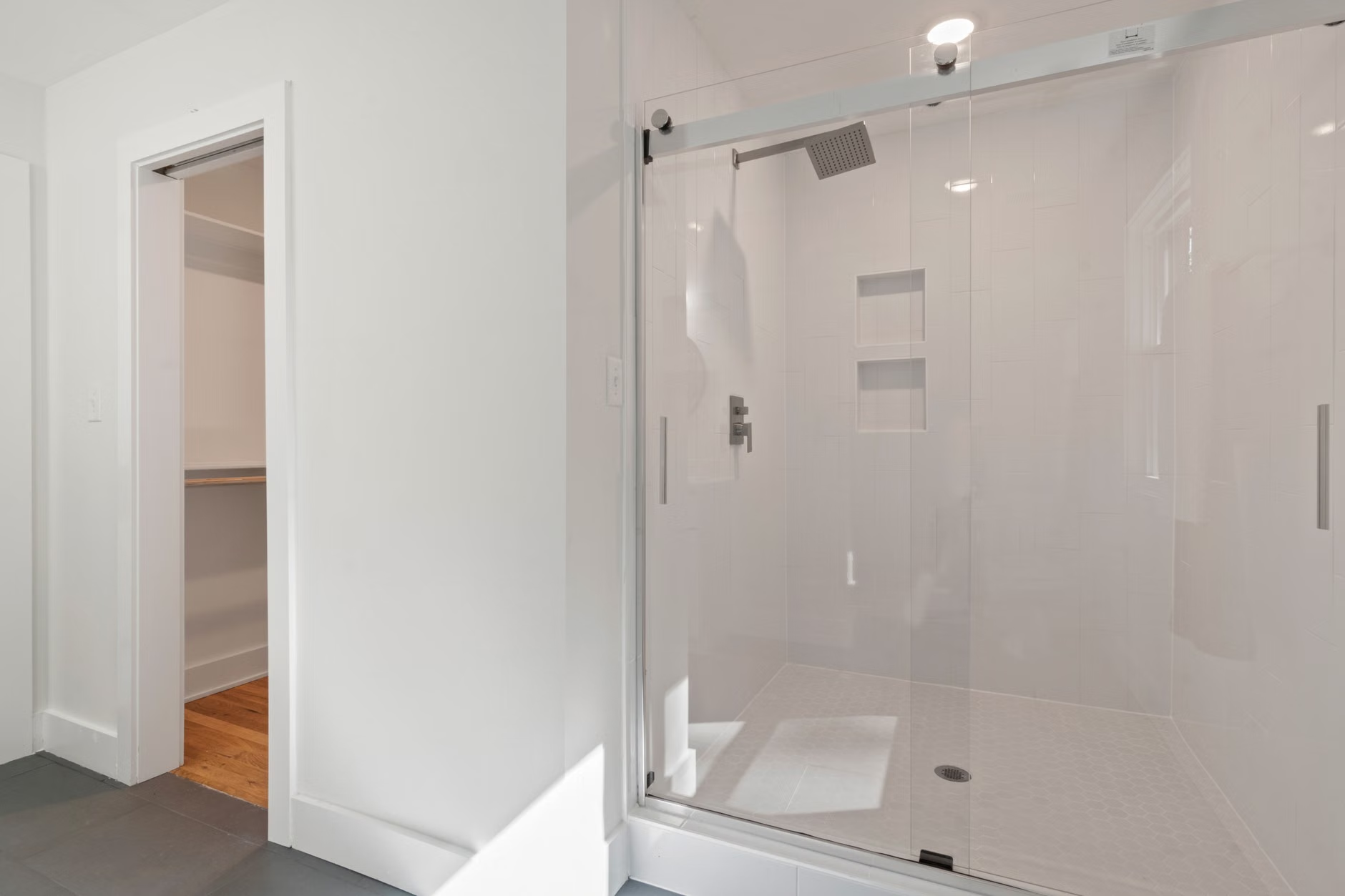
A: Ask for photos of the bathroom, specifically the shower area. Look for a walk-in shower rather than a tub-shower combination. A “roll-in” shower is the gold standard for accessibility. If you are uncertain, ask the staff to confirm the width of the bathroom door—it should be at least 80–90 centimeters (32–36 inches) to accommodate most mobility aids.
Q: Should I consult my doctor before visiting a hot spring resort?
A: Yes, if you have cardiovascular conditions, hypertension, or are taking medication that affects your blood pressure. Hot water can cause blood vessels to expand, which may interact with your medication or exacerbate existing heart conditions. A brief conversation with your doctor about the duration and temperature of your sessions can provide you with a safe, personalized limit.
Disclaimer: This article is for informational purposes only and does not constitute medical advice. Always consult with a healthcare professional regarding your specific health needs before traveling.