- Selenium is an essential trace mineral that supports cellular antioxidant defense, which is vital for protecting brain cells as you age.
- The primary goal for seniors is to obtain selenium through a balanced diet rather than high-dose supplements, as the margin between a healthy dose and toxicity is narrow.
- Brazil nuts are the most potent natural source of selenium, but because of their high density, you should limit consumption to 1–2 nuts per day to avoid exceeding safe upper limits.
Cognitive health is a primary concern for many adults between the ages of 60 and 80. While there is no single “magic pill” to prevent cognitive decline, nutritional science increasingly points to the importance of trace minerals in maintaining cellular integrity. Selenium, a mineral found in soil and water, plays a critical, often overlooked role in brain health.
This article explores how selenium functions within the body, why it is particularly important for the aging brain, and how you can safely incorporate it into your daily diet without relying on risky supplement regimens.
What is Selenium and Why Does the Brain Need It?
Selenium is a trace element, meaning the body only requires it in very small amounts. Despite these small requirements, it is a building block for selenoproteins—specialized proteins that serve as powerful antioxidants. In the human body, oxidative stress—a byproduct of normal metabolism—can damage cells, including the delicate neurons in the brain.
As we age, our body’s natural ability to combat oxidative stress can decrease. Selenoproteins act as a defense mechanism, neutralizing free radicals that would otherwise contribute to cellular aging. Think of selenium as a maintenance crew for your cellular infrastructure; it ensures that the “cleanup” of metabolic waste products in the brain happens efficiently.
Research suggests that adequate selenium levels are associated with better verbal fluency and cognitive performance in older adults. However, it is essential to understand that “more” is not necessarily “better.” Because selenium is a trace mineral, the body operates within a narrow window of optimal intake. Too little can lead to deficiencies, while too much—often caused by excessive supplementation—can cause side effects such as hair loss, nail brittleness, and gastrointestinal distress.
Selenium-Rich Foods: A Practical Dietary Approach
For most healthy adults, the best way to maintain optimal selenium levels is through whole foods. Unlike synthetic supplements, which can deliver concentrated doses that are difficult for the body to regulate, food sources provide selenium alongside other vitamins and minerals that promote absorption.
The Brazil Nut Advantage (and Warning)
The Brazil nut is the most concentrated natural source of selenium in the human diet. A single nut can contain between 60 and 90 micrograms of selenium, which is often more than the entire daily recommended requirement for an adult (usually around 55 micrograms). Because of this extreme concentration, it is not necessary—and potentially harmful—to eat Brazil nuts in large quantities. Limit your intake to one or two nuts per day.
Other Reliable Dietary Sources
If you prefer variety, you can meet your selenium needs through a diverse diet. The following table illustrates common food sources and their approximate selenium contribution.
| Food Item | Typical Serving Size | Selenium Content |
|---|---|---|
| Brazil Nuts | 1 large nut | 60–90 mcg |
| Yellowfin Tuna | 3 ounces (85g) | 90–100 mcg |
| Halibut | 3 ounces (85g) | 45–50 mcg |
| Brown Rice | 1 cup (cooked) | 15–20 mcg |
| Eggs | 1 large | 15–20 mcg |
Note: Selenium content in plant-based foods depends heavily on the selenium levels in the soil where the food was grown. This is why fish and animal products often provide a more consistent intake.
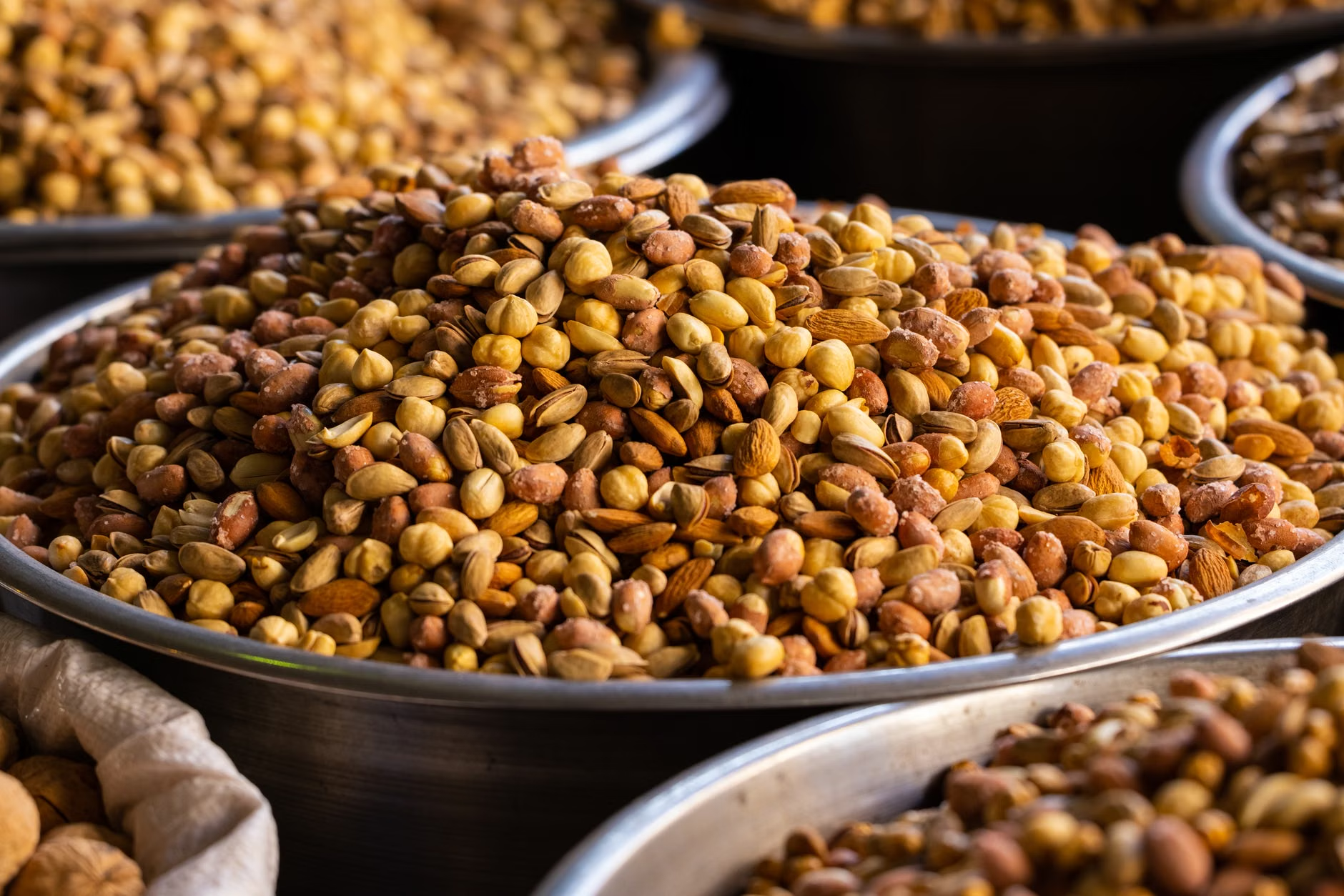
Many older adults consider selenium supplements to “boost” their brain health. However, the medical consensus is that for individuals who eat a balanced diet, supplements are often unnecessary and potentially risky. The “Upper Tolerable Intake Level” (UL) for adults is generally set at 400 micrograms per day. Exceeding this consistently can lead to a condition known as selenosis.
Before considering a supplement, ask yourself the following questions:
- Is my current diet deficient? If you eat regular portions of fish, eggs, or whole grains, you are likely already meeting your needs.
- Am I taking other medications? Selenium can interact with certain medications, including blood thinners and chemotherapy drugs.
- Have I consulted my physician? Never start a high-dose selenium supplement without a blood test to confirm a deficiency.
If your doctor determines you have a clinical deficiency, they may prescribe a supplement. In this case, ensure you follow their specific dosage instructions strictly. Do not “double up” doses if you miss a day, and keep a log of any new symptoms, such as a metallic taste in your mouth, which can be an early sign of excessive intake.
The Role of Lifestyle in Cellular Health
Nutrition is only one pillar of cognitive health. Selenium works best when it is part of a broader lifestyle strategy. Think of your body as a system where all parts must work in harmony.
Beyond the Diet: Synergy for the Brain
Selenium’s antioxidant properties are most effective when paired with other lifestyle habits that reduce systemic inflammation:
- Physical Activity: Regular movement increases blood flow to the brain, which helps the body transport nutrients like selenium more effectively to neural tissues.
- Sleep Hygiene: During deep sleep, the brain’s glymphatic system clears out metabolic waste. If you are sleep-deprived, no amount of nutritional support can fully compensate for the lack of cellular “housekeeping.”
- Cognitive Engagement: Learning new skills or staying socially active keeps neural pathways flexible, creating a “cognitive reserve” that helps your brain remain resilient.

Practical Steps to Manage Your Selenium Intake
You do not need to obsess over every microgram. Instead, focus on building sustainable habits that naturally incorporate selenium into your week. Follow these steps to manage your intake safely:
- Audit Your Current Diet: Spend one week tracking your intake. Are you eating fish 2–3 times a week? Are you eating eggs or whole grains? If yes, you are likely in a safe range.
- The Brazil Nut Rule: If you enjoy Brazil nuts, keep them in a specific container in your kitchen. Limit yourself to one or two per day. Do not keep the bag on your desk where you might mindlessly snack on them.
- Diversify: Do not rely on one single food for your selenium. Rotating between tuna, eggs, legumes, and nuts ensures you get a broader spectrum of nutrients beyond just selenium.
- Monitor for Changes: If you start a new diet or supplement, pay attention to your body. If you notice brittle hair, unexplained fatigue, or a metallic taste in your mouth, stop the supplement and contact your doctor.
Addressing Common Misconceptions
There is a lot of misinformation regarding minerals and cognitive health. It is important to clear up a few common myths that often lead to unnecessary anxiety or dangerous supplement use.
Myth 1: “Taking more selenium will prevent dementia.”
There is currently no clinical evidence to support the claim that selenium supplementation prevents dementia. While it supports cellular health, it is not a cure or a guaranteed preventative measure. Cognitive health is multifactorial, involving genetics, cardiovascular health, and lifelong lifestyle habits.
Myth 2: “If I don’t feel a difference, I should increase the dose.”
This is a dangerous misconception. Many health benefits of trace minerals are cumulative and subtle. You will not “feel” a boost in intelligence from extra selenium. Increasing the dose only increases the risk of toxicity, not the potential for cognitive gain.
Myth 3: “All selenium supplements are the same.”
Selenium comes in different chemical forms, such as selenomethionine and sodium selenite. These have different absorption rates and safety profiles. This is why you should never choose a supplement based on a friend’s recommendation; always follow the guidance of a healthcare professional who knows your specific medical history.
When to Consult a Professional
If you are concerned about your cognitive health, the most important step is to speak with your primary care provider. They can help distinguish between normal age-related cognitive changes and issues that require clinical intervention.
Before your appointment, prepare the following to make the most of your time:
- A Food Diary: A simple record of what you typically eat over a 3-day period.
- A Medication List: Include all prescriptions, over-the-counter drugs, and herbal supplements you currently take.
- Specific Questions: For example, “Based on my current diet, do I need to worry about my selenium levels?” or “Are there any interactions between my current blood pressure medication and mineral supplements?”
Remember that your doctor is your partner in health. If they suggest testing for nutrient deficiencies, they will likely use a blood test. This is the only accurate way to determine if you are actually deficient, as symptoms of deficiency are often non-specific and can mimic other conditions.
Conclusion
Selenium is a vital component of the body’s antioxidant defense system, helping to protect cells from the wear and tear of aging. For adults aged 60 to 80, the most reliable and safest path to maintaining healthy selenium levels is through a varied, whole-food diet. By choosing foods like fish, eggs, and moderate amounts of Brazil nuts, you can support your cellular health without the risks associated with high-dose supplementation.
Focusing on consistent, healthy habits—rather than quick fixes—is the most effective way to preserve your cognitive well-being. Prioritize a balanced diet, stay physically and socially active, and always consult with your healthcare provider before making significant changes to your supplement regimen. Your brain health is a lifelong project, and small, sustainable choices made today provide the best foundation for the years to come.
Frequently Asked Questions (FAQ)
1. Can I get enough selenium from a vegetarian or vegan diet?
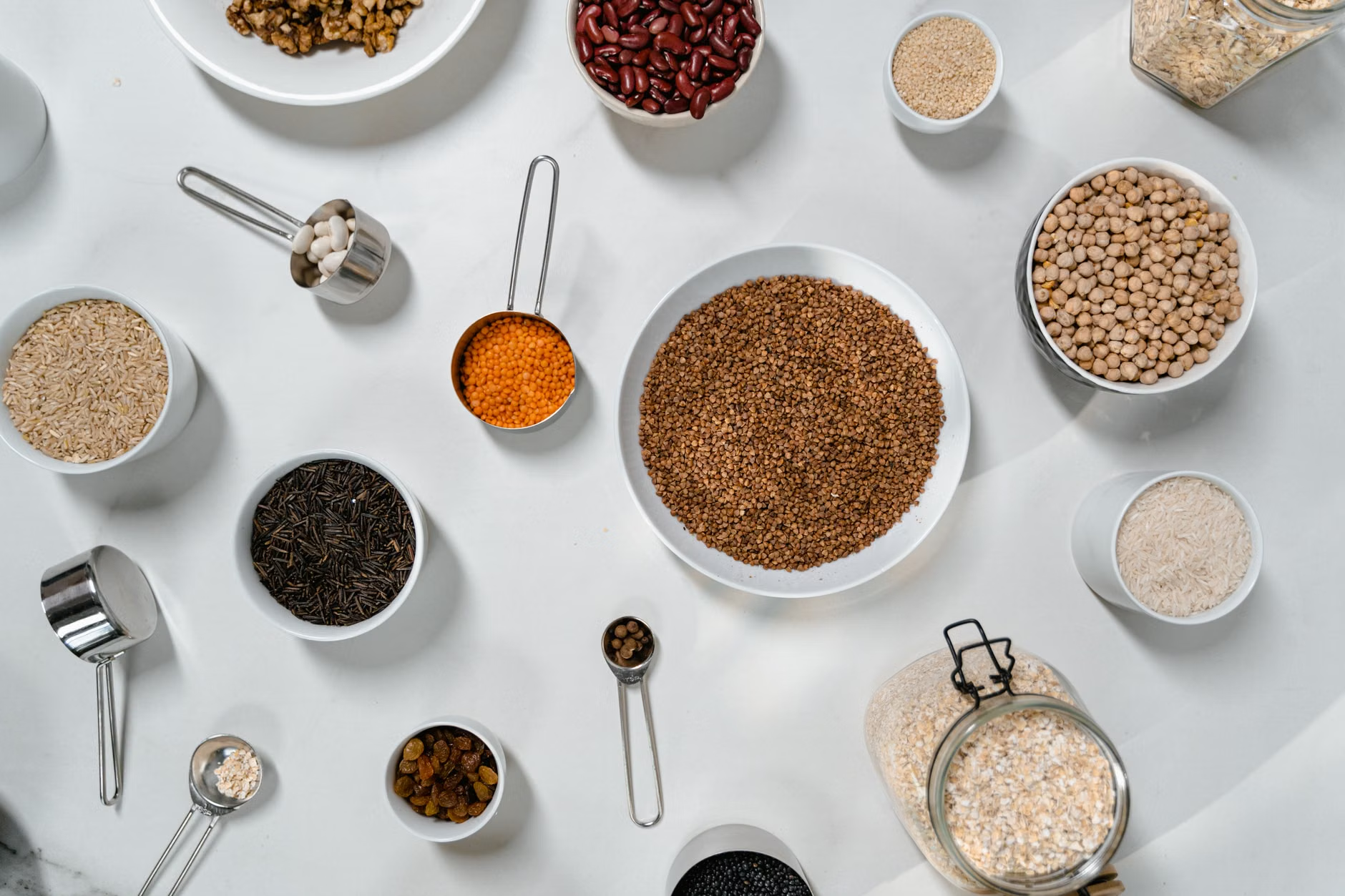
Yes, but you must be intentional. Since plant-based sources of selenium depend on soil quality, you should focus on foods like brown rice, lentils, sunflower seeds, and whole-wheat bread. If you are strictly vegan, you may need to pay closer attention to your intake, but it is entirely possible to meet your requirements without animal products.
2. Is there a specific time of day that is best to consume selenium-rich foods?
There is no specific time of day that is “best” for selenium absorption. The most important factor is consistency. Incorporating selenium-rich foods into your regular meals, such as having a serving of fish for dinner or a few Brazil nuts with breakfast, is sufficient for your body to utilize the mineral effectively.
3. How do I know if I have taken too much selenium?
Early signs of selenium toxicity (selenosis) can include a metallic taste in the mouth, garlic-like breath odor, hair loss, nail changes, and digestive issues like nausea or diarrhea. If you experience these symptoms, stop any supplementation immediately and contact your healthcare provider to discuss your recent intake and current health status.
Official Sources for Further Reading: