- Amateur radio (Ham radio) is a powerful tool for cognitive fitness, requiring the mastery of technical concepts, signal propagation, and international regulations.
- Getting started involves a clear, three-step process: studying for a license, passing a certification exam, and setting up a modest home station.
- Beyond the technology, the hobby offers a unique social network that connects you with a global community, providing meaningful intellectual stimulation and companionship.
The Intellectual Appeal of Amateur Radio
For many adults in the 60-to-80 age bracket, the search for a hobby often balances the need for relaxation with the desire for genuine mental challenge. Amateur radio, frequently called “Ham radio,” is far more than a simple communication tool; it is a complex, multifaceted hobby that integrates physics, geography, electronics, and global diplomacy into a single pursuit. It provides a unique cognitive workout that keeps the mind sharp while offering the thrill of connecting with people across the globe using only radio waves.
Unlike passive hobbies, amateur radio requires active engagement. You must understand how weather patterns affect radio signals (propagation), how to optimize antenna efficiency, and how to operate within international frequency allocations. This is not a “plug-and-play” experience; it is an exploration of the electromagnetic spectrum. For the curious mind, this provides a lifetime of learning opportunities that evolve as technology advances, from classic Morse code (CW) to modern digital modes that use computer interfaces to transmit data across oceans.
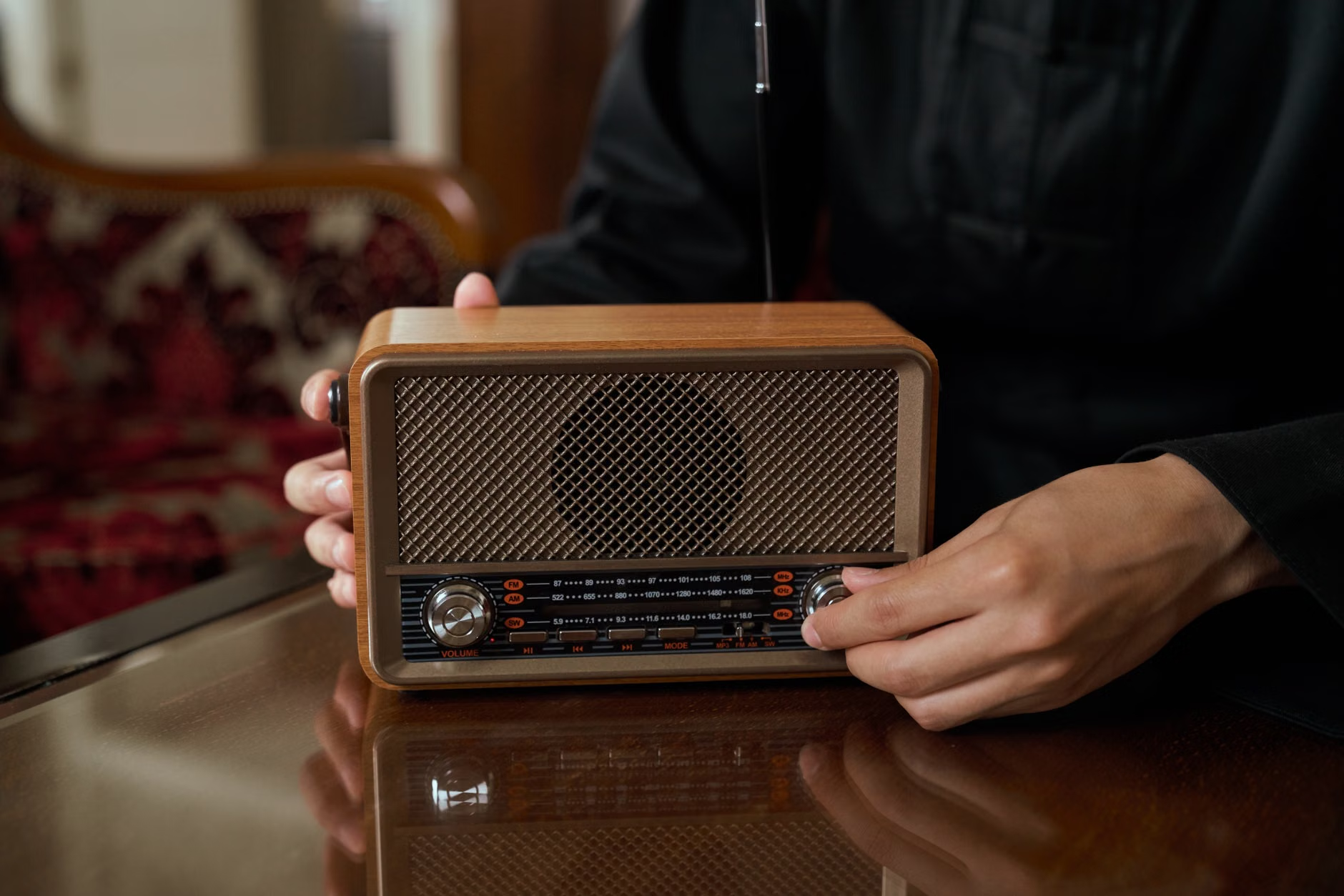
Understanding the Basics: What is Amateur Radio?
At its core, amateur radio is a non-commercial service that allows individuals to communicate over radio frequencies for self-training, technical investigation, and personal communication. It is strictly regulated globally by the International Telecommunication Union (ITU) and locally by national telecommunications authorities. To participate legally, you must earn a license, which confirms that you understand the rules of the air and the basic technical requirements to operate without causing interference.
The Cognitive Benefits of Licensing
Preparing for the amateur radio license exam is an excellent way to exercise neuroplasticity. The curriculum covers:
- Basic Electronics: Understanding voltage, current, resistance, and how components like capacitors and inductors function.
- Radio Theory: Learning how radio waves travel through the ionosphere and how different frequencies (HF, VHF, UHF) behave.
- Operating Procedures: Mastering the “phonetic alphabet” and the etiquette required to communicate clearly and respectfully with others.
- Regulatory Compliance: Navigating national laws, such as those set by the FCC in the United States or Ofcom in the UK.
Why It Matters for Daily Wellbeing
Mental engagement is a cornerstone of healthy aging. The process of studying for an exam—often done through local clubs or online courses—provides a sense of purpose and structure. Once licensed, the hobby encourages “active listening.” You are not just hearing audio; you are analyzing signal quality, tuning equipment to find the clearest path, and adjusting your approach based on the time of day or solar activity. This constant problem-solving fosters a sense of accomplishment that is both rewarding and intellectually stimulating.
Getting Started: A Practical Roadmap
Many seniors worry that amateur radio is too technical or expensive. In reality, you can start with very modest equipment. The journey from novice to active operator generally follows a structured path.
| Step | Action | Goal |
|---|---|---|
| 1. Study | Use online study guides or local club materials. | Master the basics of electricity and regulations. |
| 2. Examine | Register for a local or remote proctored exam. | Obtain your official call sign. |
| 3. Equip | Purchase a handheld radio (HT) or a starter base station. | Make your first contact on the air. |
Important Note: Avoid the temptation to purchase expensive, high-end equipment immediately. Start with a “Handheld Transceiver” (often called an HT). These are small, portable, and relatively inexpensive (often under $100). They allow you to communicate with local repeaters—towers that receive your signal and rebroadcast it, extending your range significantly.

Overcoming Technical Hurdles
A common mistake for beginners is assuming they need to understand complex antenna theory before they can speak to anyone. While antenna placement is critical for long-distance communication, your local club is a vital resource. Most countries have national amateur radio organizations, such as the American Radio Relay League (ARRL) in the US or the Radio Society of Great Britain (RSGB), which provide mentorship programs. These mentors—often called “Elmers”—are experienced operators who can guide you through the setup process, help you troubleshoot interference, and ensure your station is safe.
Safety and Physical Accessibility
Amateur radio is a hobby that can be enjoyed entirely from a seated position, making it highly accessible for those with limited mobility. However, there are two physical considerations to keep in mind:
- Station Ergonomics: Ensure your desk is at a comfortable height. Since you may spend an hour or more tuning equipment, a supportive chair and good lighting are essential to prevent strain.
- Antenna Safety: If you install an outdoor antenna, always use a professional or seek assistance from a club member. Never climb ladders or roofs yourself if you are not experienced or physically confident. Many operators find that an “attic antenna” or a simple wire antenna strung in a garden works perfectly well for local and regional communication.
The Social Dimension of the Airwaves
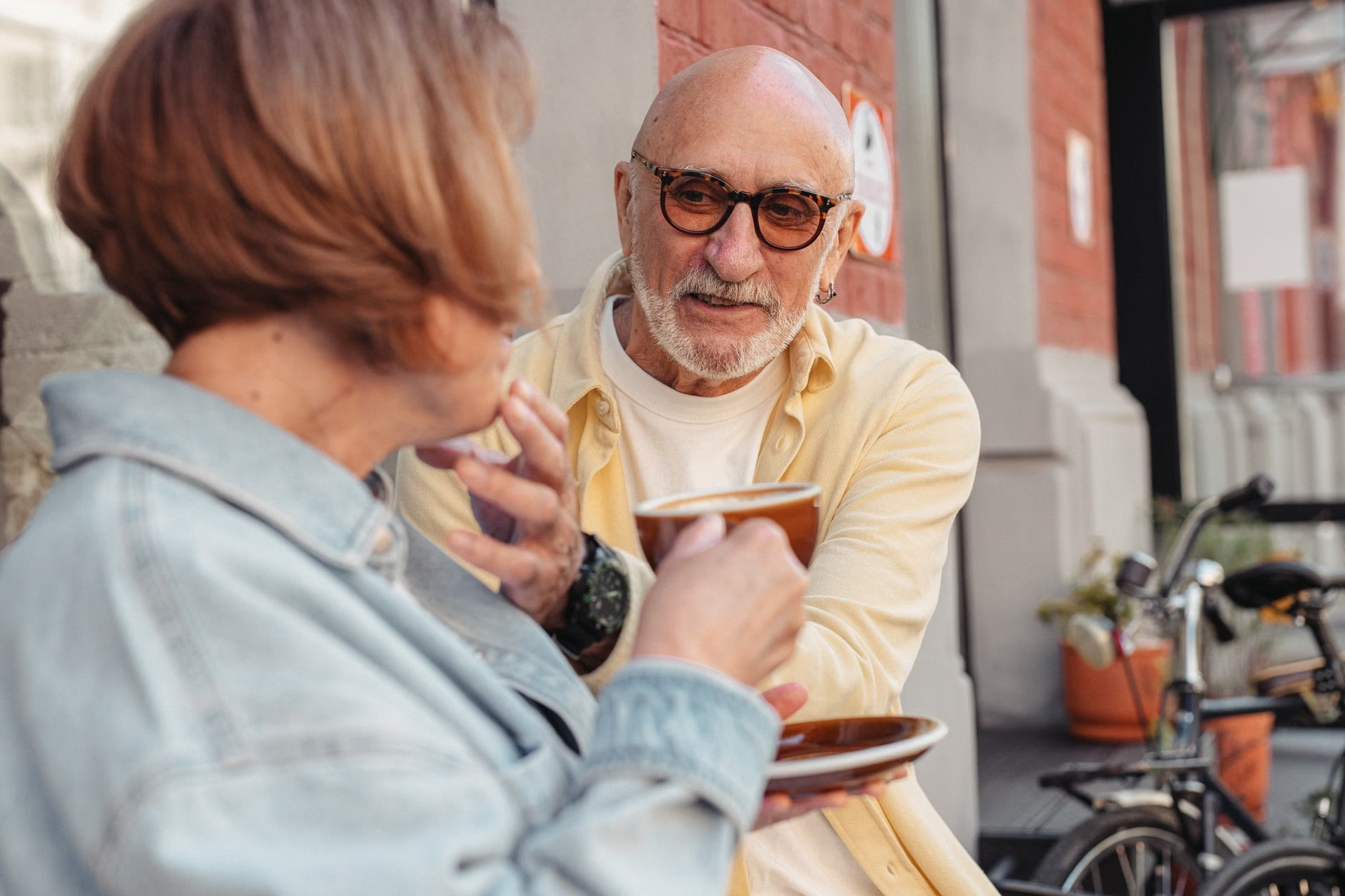
One of the most profound benefits of amateur radio is the community. The “Ham” community is global and spans all ages. It is not uncommon to speak with a teenager in Japan, a fellow retiree in Brazil, and an engineer in Germany all in the same afternoon. This provides a sense of connection that transcends physical borders and daily routines.
For many, this social aspect helps combat the feelings of isolation that can sometimes accompany retirement. Conversations on the air are generally structured and polite. Participants often share information about their local weather, their equipment setups, or their personal history. It is a community built on mutual respect and the shared joy of discovery.
Hidden Nuances: What You Might Not Expect
While the technical side is rewarding, there is an unexpected trade-off: the “noise” of the modern world. Modern electronics, including LED lights, switching power supplies, and even some home appliances, can create “Radio Frequency Interference” (RFI). This can manifest as a buzzing sound on your radio. Troubleshooting this interference is, in itself, a cognitive challenge. It involves mapping your home, identifying the source of the noise, and learning how to shield your equipment or install filters. While it can be frustrating, it is also a fascinating way to understand the invisible electromagnetic environment of your own home.
Another insight: don’t be discouraged by the “slang.” You will hear terms like “QSO” (a conversation), “73” (best regards), and “DX” (long-distance contact). These are not meant to exclude you; they are shorthand developed over a century to ensure clarity, especially when the signal is weak. You will pick these up naturally within your first few weeks of listening.
Conclusion: Taking the Next Step
Amateur radio is a hobby that rewards patience, curiosity, and the willingness to learn. It offers a structured way to keep your brain active, a community to engage with, and a technical challenge that can last a lifetime. If you are looking for a hobby that combines the quiet focus of a study with the thrill of global exploration, this is it.
Your first step should be to visit the website of your national amateur radio society. Look for a “Getting Started” or “Find a Club” page. Reach out to a local club—they are almost always looking for new members and are delighted to help newcomers navigate the licensing process. By starting with a local club, you gain not only the technical knowledge but also the social support needed to make this hobby a lasting, enjoyable part of your life.
Frequently Asked Questions (FAQ)
1. Do I need to learn Morse code to get a license?
In most countries, including the US, UK, Canada, and Australia, the requirement to pass a Morse code test has been removed. You can get a license by passing a written exam on radio theory and regulations. However, many operators choose to learn Morse code later because it is an efficient way to communicate, especially when signal conditions are poor.
2. How much does it cost to start?
You can get started for as little as $100 to $200. This covers the cost of a basic handheld radio, a study guide, and the examination fee. As you progress, you may choose to invest in more advanced equipment, but you do not need to spend thousands of dollars to be an active and respected member of the community.
3. Is amateur radio still relevant in the age of the internet?
Absolutely. While the internet is faster for sending data, amateur radio is independent of the grid. It is the only form of communication that does not rely on commercial infrastructure like cell towers or fiber optic cables. This makes it a vital service during emergencies or natural disasters, and it provides a “pure” form of communication that relies on the physics of our planet rather than a digital network.
Disclaimer: This article is for informational purposes only and does not constitute technical or legal advice. Regulations regarding amateur radio licensing and frequency usage vary by country. Please consult your local telecommunications authority for specific rules in your jurisdiction.