- Prioritize Food-First: Vitamin B6 is best absorbed through a diverse diet of lean meats, legumes, and whole grains rather than relying solely on supplements.
- Cognitive Synergy: B6 acts as a crucial co-factor for neurotransmitter synthesis, directly influencing your ability to maintain focus and mental energy throughout the day.
- Monitor Absorption: As we age, digestive efficiency changes; focus on high-bioavailability sources and track your intake to ensure you are meeting the recommended daily allowance for your age bracket.
Vitamin B6 for Cognitive Vitality: A Practical Guide to Dietary Sustenance for Seniors
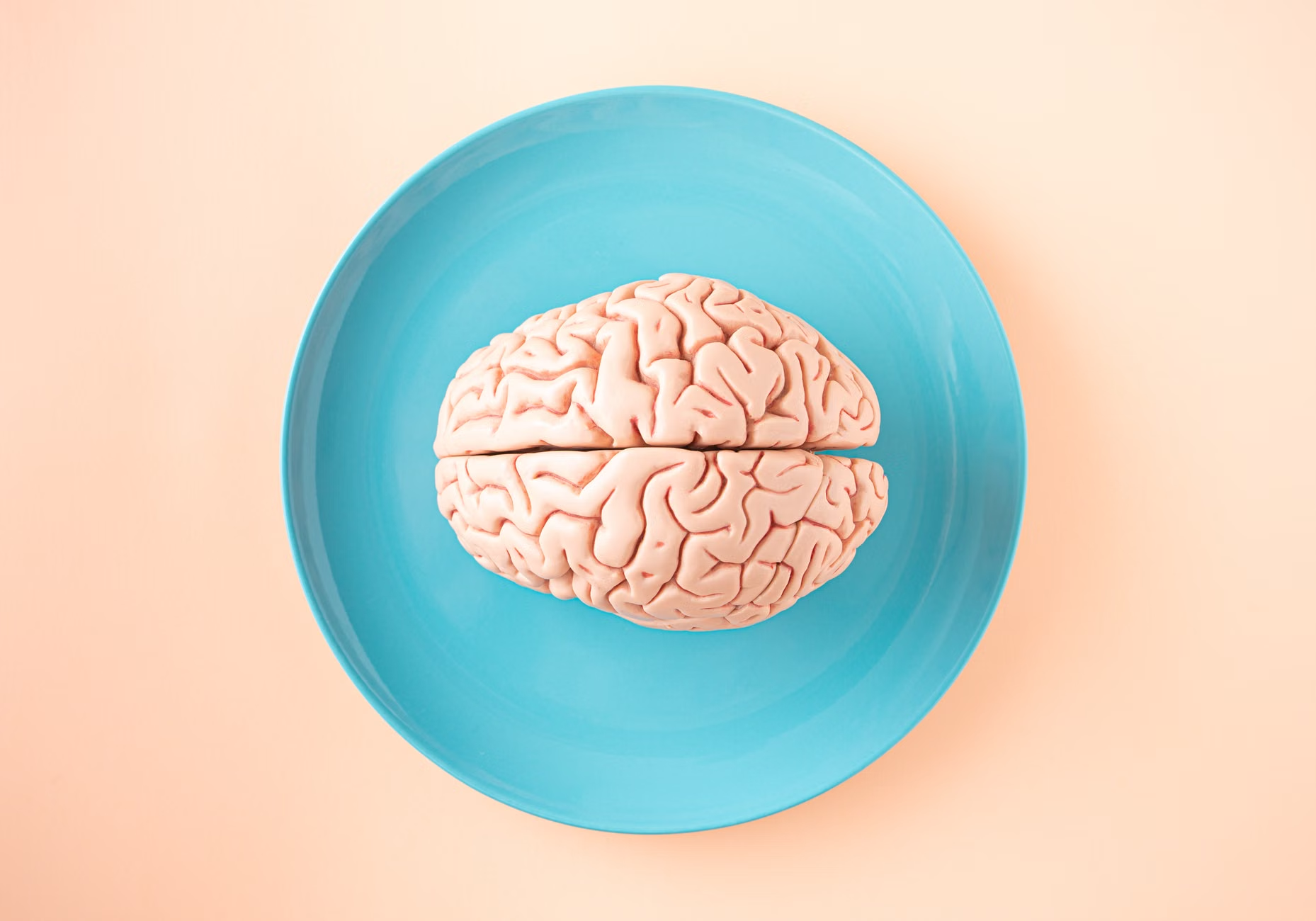
For adults aged 60 to 80, the maintenance of cognitive energy is not merely about “staying sharp”; it is about sustaining the biochemical processes that allow for clear thinking, emotional stability, and the physical drive to engage with daily activities. Among the essential micronutrients, Vitamin B6 (pyridoxine) occupies a central role in brain health. It acts as a vital co-factor in the synthesis of key neurotransmitters—including serotonin, dopamine, and gamma-aminobutyric acid (GABA)—which regulate mood, sleep, and executive function.
This guide explores how to integrate Vitamin B6 into your daily lifestyle through evidence-based dietary habits, moving beyond generic advice to provide a practical framework for supporting your cognitive engine.

Understanding the Role of Vitamin B6 in Cognitive Function
Vitamin B6 is a water-soluble vitamin, meaning the body does not store it in large quantities. Consequently, consistent daily intake is necessary. In the context of aging, the metabolic demand for B6 often increases due to changes in absorption efficiency and the natural decline in certain enzymatic activities. When we discuss “cognitive energy,” we are referring to the brain’s capacity to process information efficiently without succumbing to the “brain fog” often associated with nutritional deficiencies.
The primary mechanism by which B6 supports the brain is through its role in amino acid metabolism. Your brain requires a steady supply of neurotransmitters to communicate between neurons. Without sufficient B6, the conversion of precursors into active neurotransmitters is impaired. This can manifest as irritability, difficulty concentrating, or a general sense of mental fatigue that is distinct from physical exhaustion.
The Link Between B6 and Homocysteine Levels
An often-overlooked aspect of long-term cognitive health is the regulation of homocysteine. Elevated levels of this amino acid in the blood have been associated with increased risk of cognitive decline. Vitamin B6, in conjunction with B12 and folate, helps metabolize homocysteine into safer substances. For individuals in the 60-80 age range, maintaining these levels is a preventive strategy that supports vascular and neurological health simultaneously.
Daily Dietary Strategies: Building a B6-Rich Plate
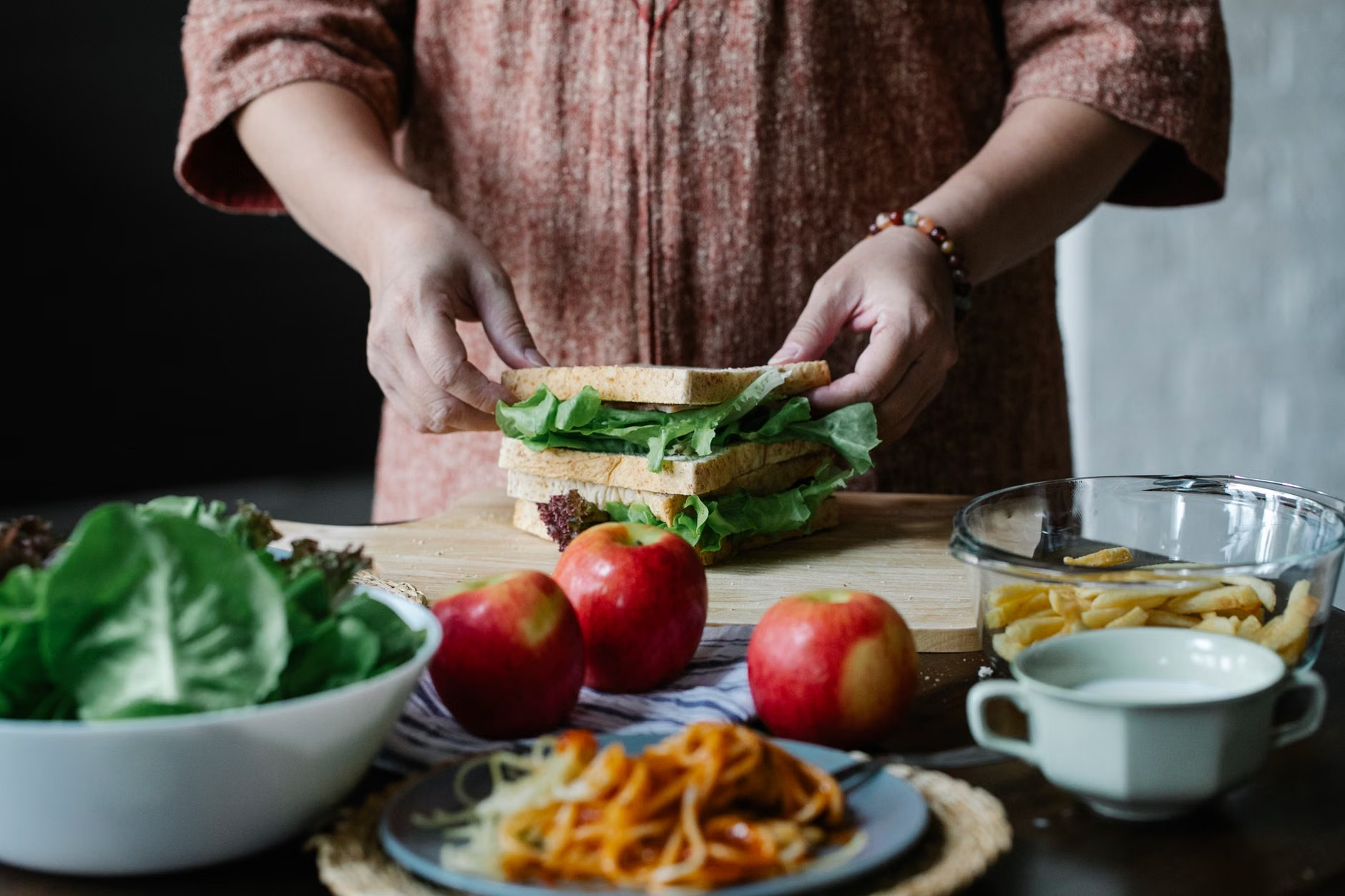
The most effective way to ensure adequate B6 intake is by diversifying your protein and fiber sources. Unlike synthetic supplements, which provide a concentrated dose that may not always be optimally absorbed by an aging digestive system, food sources provide B6 in a matrix of other nutrients (such as magnesium and zinc) that work synergistically.
To maintain consistent energy, aim to distribute your B6 intake throughout the day rather than consuming it in one large meal. This helps stabilize the availability of the vitamin for ongoing neurotransmitter production.
Recommended Sources and Their Practical Application
The following table outlines high-density sources of Vitamin B6. When choosing these, consider your personal dietary preferences and any existing medical conditions (such as kidney function or specific dietary restrictions) that might necessitate adjustments.
| Food Source | Serving Size | Why It Matters for Seniors |
|---|---|---|
| Chickpeas (Garbanzo Beans) | 1 cup (cooked) | High fiber content supports gut-brain axis health. |
| Salmon (Wild-caught) | 3 oz | Provides Omega-3 fatty acids alongside B6 for dual-action brain support. |
| Chicken Breast | 3 oz | Excellent source of high-quality protein for muscle maintenance. |
| Bananas | 1 medium | Convenient snack; easy to digest and provides quick potassium. |
| Sunflower Seeds | 1/4 cup | Great for adding texture to salads; rich in healthy fats. |
Note: If you have chronic kidney disease or other metabolic conditions, consult your healthcare provider or a registered dietitian before significantly increasing your intake of protein-heavy foods like salmon or chicken, as these may impact your specific dietary requirements.
As we navigate our 60s, 70s, and beyond, the digestive system undergoes physiological changes. Gastric acid secretion may decrease, which can impact the absorption of certain nutrients. Furthermore, medications—ranging from blood pressure management to cholesterol-lowering drugs—can sometimes interact with the metabolism of B-vitamins.
Common Pitfalls to Avoid
- Over-reliance on Processed Foods: Many “senior-friendly” pre-packaged meals are high in sodium and preservatives but low in the micronutrient density required for cognitive maintenance.
- Ignoring Hydration: B6 is water-soluble. Without adequate hydration, the transport of water-soluble vitamins to the tissues where they are needed can be hampered.
- Supplement Overdose: Taking high-dose B6 supplements without clinical necessity can lead to peripheral neuropathy. Always prioritize food sources unless a blood test confirms a deficiency that requires therapeutic supplementation.
Practical Steps for Daily Success
To ensure you are meeting your needs without the burden of complex tracking, adopt the “One-Plus-One” rule: At every main meal, ensure you have one source of high-quality protein (like poultry or fish) and one source of legumes or seeds. This simple rule of thumb naturally covers your B6 requirements without the need for meticulous calorie or nutrient counting.
Monitoring Your Cognitive Energy Levels
Cognitive energy is subjective, but it can be tracked. To understand if your diet is effectively supporting your brain health, keep a simple “Energy and Focus” log for two weeks. Note the following:
- Morning Clarity: How long does it take to feel “awake” and focused after waking?
- Mid-day Slump: Do you experience a significant drop in mental energy after lunch? (This may indicate a need for a more balanced, B6-rich lunch rather than a carbohydrate-heavy one.)
- Evening Recall: Do you find it difficult to recall names or details by the end of the day?
If you notice persistent fatigue or “brain fog,” do not immediately assume it is “just aging.” Schedule an appointment with your primary care physician. When you go, bring your log and a list of all medications and supplements you are currently taking. Ask specifically: “Could any of my current medications be affecting my B-vitamin status, and should I have my levels checked?”
The Role of Family and Caregivers in Nutritional Support
For family members or caregivers, supporting an older adult’s cognitive health involves creating an environment where healthy choices are the easiest choices. This does not mean policing their diet, which can feel patronizing. Instead, focus on the social and logistical aspects of eating.
Creating a Supportive Environment
- Shared Meals: The social aspect of eating is strongly linked to nutritional adequacy. When seniors eat alone, they are more likely to opt for convenient, nutrient-poor foods.
- Preparation Assistance: If mobility is an issue, consider pre-prepping ingredients. Having chickpeas rinsed, vegetables chopped, or salmon portioned in the freezer makes it significantly easier to assemble a nutritious meal.
- Accessibility: Ensure that high-B6 snacks like bananas, nuts, and seeds are visible and easily reachable in the kitchen.
Synthesizing Lifestyle and Nutrition for Long-Term Maintenance
Dietary Vitamin B6 is just one piece of the cognitive health puzzle. It works best when paired with other pillars of wellness: physical activity, which increases blood flow to the brain; social engagement, which acts as a cognitive stimulant; and adequate sleep, during which the brain undergoes essential “housekeeping.”
Consider your health as an investment portfolio. You cannot rely on a single asset (like a supplement) to carry the entire load. You need a diversified strategy. By focusing on the dietary sources of B6 discussed here, you are providing the raw materials your brain needs to function at its peak. However, if you find that despite a healthy diet, your cognitive energy remains low, it is imperative to rule out other factors such as thyroid dysfunction, B12 deficiency, or sleep apnea, which are common in this age group and require professional medical evaluation.
Refining Your Approach: A Checklist for the Next 30 Days
To turn this information into action, use the following 30-day checklist:
- Week 1: Audit your pantry. Remove ultra-processed snacks and replace them with sunflower seeds, walnuts, or fresh fruits.
- Week 2: Introduce one new B6-rich recipe per week. Focus on simple preparations like baked salmon with herbs or a chickpea and vegetable stir-fry.
- Week 3: Monitor your energy levels using the log mentioned earlier. Observe if there is a correlation between your meal choices and your midday focus.
- Week 4: Review your progress. If you feel more consistent in your mental energy, continue the habit. If not, consider a visit to your GP for a blood panel to rule out underlying deficiencies.
Remember, the goal is not perfection, but consistency. Small, daily improvements in your nutritional intake will, over time, compound into better cognitive resilience. Focus on the foods you enjoy, prepare them in ways that are physically manageable for you, and keep the focus on how you feel rather than just the clinical numbers.
For more information on nutritional requirements for older adults, you may refer to the National Institute on Aging’s guide on healthy eating, which provides comprehensive resources for seniors worldwide.
Frequently Asked Questions
1. Can I get enough Vitamin B6 from a vegetarian or vegan diet?
Yes, absolutely. While animal products like chicken and fish are excellent sources, a plant-based diet can easily meet B6 requirements through the consumption of chickpeas, potatoes, bananas, and fortified cereals. Ensure you are eating a wide variety of these foods to maintain adequate levels.
2. Are there any side effects to consuming too much Vitamin B6 through food?
It is extremely difficult to reach toxic levels of Vitamin B6 through food alone. Toxicity is almost exclusively associated with the long-term, high-dose use of isolated B6 supplements. Stick to food sources for your primary intake to avoid these risks.
3. How do I know if my brain fog is caused by a B6 deficiency?
You cannot diagnose a deficiency based on symptoms alone. Brain fog can be caused by many factors, including dehydration, sleep disorders, medication side effects, or other nutritional deficiencies. If you are concerned, speak to your doctor about a blood test to check your B-vitamin levels.