- Cognitive Engagement: Genealogy is a high-level intellectual exercise that strengthens memory and pattern recognition through historical research.
- Social Longevity: Participating in local genealogy circles combats social isolation by providing a shared, purposeful objective that builds lasting friendships.
- Practical Legacy: Beyond personal interest, these circles help document family history, preserving cultural heritage for future generations in a structured, accessible format.
Genealogy—the study of family history—is often viewed as a solitary pursuit, involving hours spent in front of a computer or buried in dusty archives. However, for adults aged 60 to 80, the most profound benefits of this hobby are found not in the names on a chart, but in the community circles that form around them. These groups offer a unique intersection of intellectual stimulation, social interaction, and emotional fulfillment.
The Cognitive Benefits of Genealogical Research
Genealogy is effectively a form of “brain training.” When you research your family history, you are engaging in a complex set of cognitive tasks that go far beyond simple data entry. You are performing detective work, cross-referencing disparate sources, and analyzing historical contexts.
Improving Pattern Recognition and Logic
In a genealogy circle, you are often presented with a “brick wall”—a genealogical term for a research dead end. Solving these puzzles requires high-level executive function. You must evaluate the credibility of sources, such as birth certificates, census records, and ship manifests. By comparing these records, you are essentially conducting a forensic analysis of the past. This activity forces the brain to remain flexible, as you must constantly adjust your hypotheses based on new, sometimes contradictory, evidence.
Building Narrative Memory
Unlike abstract puzzles, genealogy is deeply personal. Linking a name to a story—a migration pattern, a military service record, or an ancestral trade—creates a “narrative anchor.” Studies in cognitive health suggest that memory is significantly better when information is tied to a personal narrative. As you share these stories within a community circle, you are rehearsing and reinforcing these memory pathways, which helps maintain verbal fluency and narrative recall.
One of the primary challenges for those in the 60-80 age range is the transition from workplace-based social structures to new forms of engagement. Genealogy circles provide a structured, recurring social environment that is centered on a common purpose rather than just “passing time.”
Social psychologists often note that the strongest bonds between adults are formed through “cooperative tasks.” When you enter a genealogy circle, you are not just socializing; you are helping someone else find a long-lost record or learning how to use a new software tool. This creates a cycle of mutual aid. If you are struggling with a specific regional archive, someone else in the group might have already mastered it. This interdependence fosters a sense of belonging and utility.
Reducing Loneliness through Intergenerational Exchange
Many community genealogy circles are now opening their doors to younger generations or partnering with local history societies. For an adult aged 60 to 80, this provides a platform for mentorship. You possess the context of the 20th century, while younger participants may possess the technical skills to digitize records. This exchange of skills—the “wisdom of the elder” meeting the “technical proficiency of the youth”—is a powerful antidote to the feeling of being sidelined by modern technological shifts.
How to Identify a Quality Genealogy Circle
Not all groups are created equal. To find a circle that truly supports your goals, you need to evaluate the group’s structure, accessibility, and focus. Use the following table to assess if a group is right for you:
| Feature | Ideal Characteristics | What to Look For |
|---|---|---|
| Accessibility | Physical location or hybrid (Zoom/In-person) | Check for wheelchair access, adequate lighting, and hearing-loop systems if necessary. |
| Technical Support | Peer-to-peer learning | Does the group offer tutorials for common software like Ancestry, FamilySearch, or local archives? |
| Focus | Research-based vs. Social-heavy | Is the group focused on active research, or is it merely a casual social club? Choose based on your preference. |
| Cost | Low or non-profit | Avoid groups that require expensive, proprietary software subscriptions just to participate. |
Evaluating the “Culture” of the Group
Before committing, attend a meeting as a guest. Observe how the group leader facilitates discussion. A high-quality circle ensures that everyone has an opportunity to speak. If the group is dominated by one or two individuals who lecture rather than facilitate, it may not offer the social benefits you are seeking. Look for groups that emphasize “sharing findings” over “showing off.”
Practical Steps to Getting Started
If you are ready to join or start a genealogy circle, follow this phased approach to ensure you aren’t overwhelmed by the technical or organizational requirements.
- Start with a Small Scope: Don’t try to document your entire family back to the 1500s immediately. Focus on one ancestor or one specific geographic region. This makes it easier to share your progress with others in the circle.
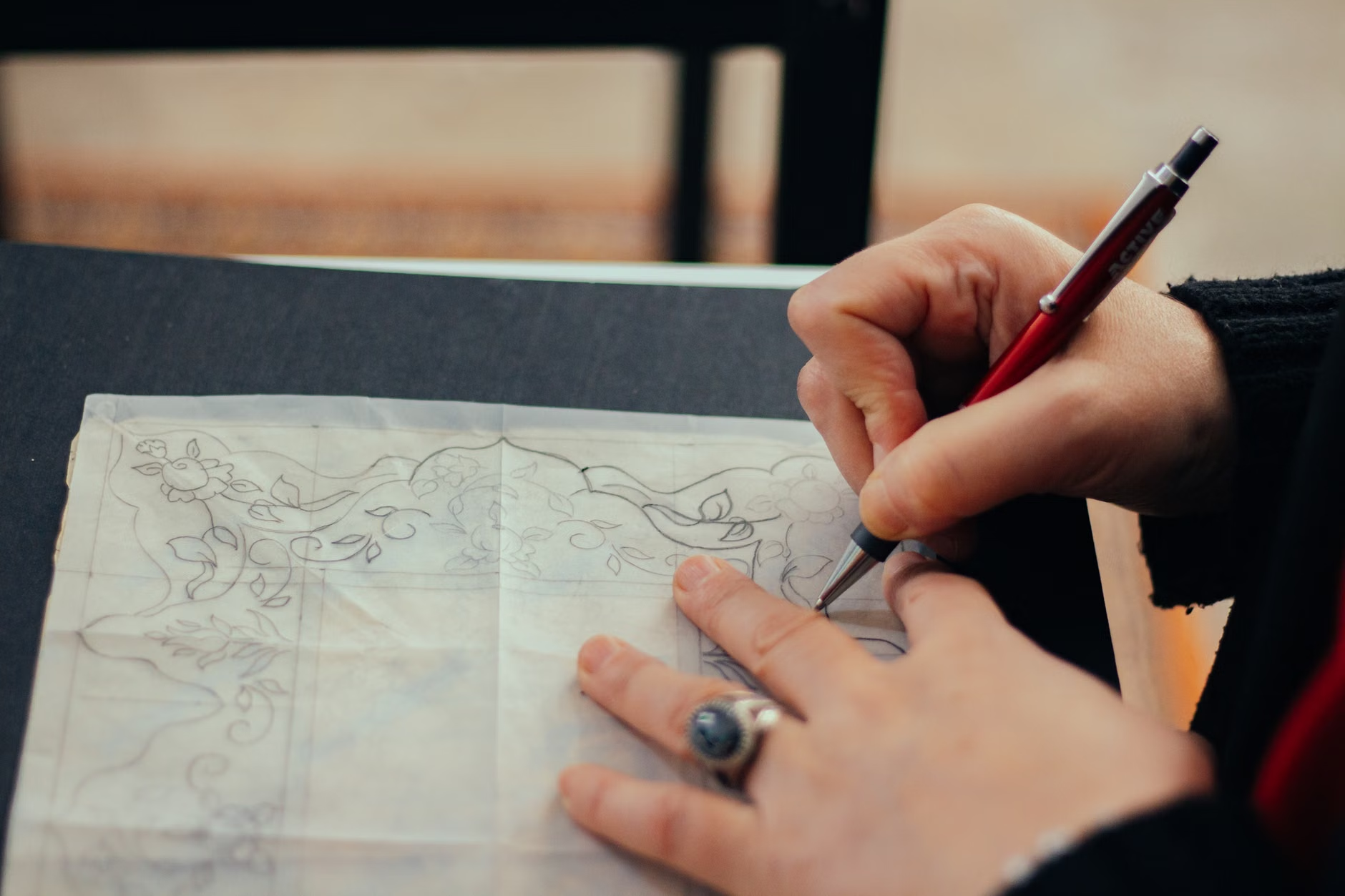
- Organize Your “Analog” Materials First: Before digitizing, gather your physical records—letters, photos, and family bibles. This helps you present tangible items at the circle, which is a great way to initiate conversation.
- Choose Your Digital Tools Wisely: Use free, globally accessible platforms like FamilySearch to start. It is a non-profit service that is excellent for beginners and provides access to a massive global database.
- Set a Realistic Participation Pace: If you are attending meetings, limit your attendance to once or twice a month. Genealogy can be time-consuming; ensure it remains a hobby and not a source of stress.
Overcoming Potential Barriers
It is natural to feel hesitant about starting a new hobby at 60 or 80. Common barriers often include concerns about technology or the perceived difficulty of research. Let’s address these objectively.
Addressing “Technophobia”
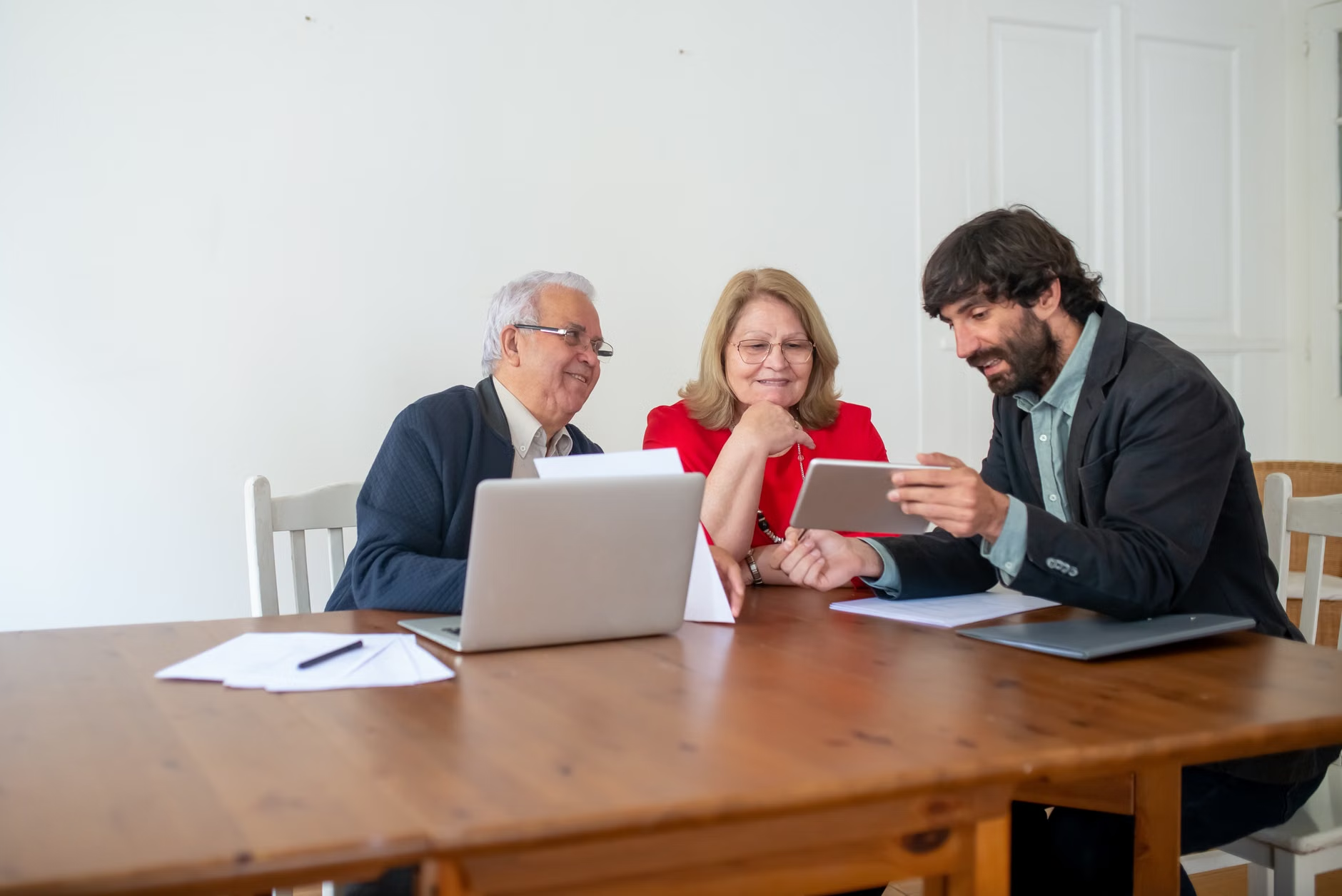
Many older adults worry that they are not “tech-savvy” enough for modern genealogy. However, most modern genealogy software is designed with user interfaces that are increasingly intuitive. Furthermore, the best way to learn these tools is in a group setting. In a community circle, you are not expected to be an expert. You are expected to be a learner. If you encounter a digital hurdle, there is almost always someone in the room who has faced the exact same issue.
Managing Physical Stamina and Travel
If a genealogy circle meets in a library or archive, consider the accessibility of the building. Before attending, call the venue and ask specifically about:
- Proximity of parking to the entrance.
- Availability of elevators if the meeting room is not on the ground floor.
- Comfort of seating—specifically, whether there are chairs with back support for longer sessions.
If you have limited mobility, look for groups that offer “Hybrid Meetings,” where you can participate via your home computer for the research segments and only attend in person for social events.
The Hidden Value: Documenting Your Own History
One of the most overlooked aspects of genealogy circles is the opportunity to record your own life story. As you research your ancestors, you realize the gaps in their stories. This often prompts participants to document their own lives for their children and grandchildren.
Common Mistake: Many people start by writing a long, linear biography. This can be daunting and often leads to burnout. Instead, use your genealogy circle to create a “Life Map.” Use your family tree as a skeleton, and for each ancestor or relative you document, write one page about your own memory of them or your own experience during that time period. This turns your research into a living memoir.
When to Consult Professionals
While genealogy circles are excellent for community and basic research, there are times when you may want to hire a professional genealogist. This is usually not for the sake of the hobby, but for specific legal or medical reasons.
- Legal Proof: If you are attempting to prove lineage for inheritance or dual-citizenship claims, professional certification is often required.
- Medical History: If you are tracing hereditary conditions, professional genetic genealogists can help interpret DNA testing results in a way that is medically relevant. Always consult a healthcare professional regarding any findings that impact your personal health profile.
For most people, however, the professional route is unnecessary. The joy of the hobby lies in the discovery, and the social circle provides the support to make that discovery sustainable and meaningful.
Conclusion: The Legacy of Connection
Genealogy circles offer more than just a trip down memory lane. They provide a structured, intellectually stimulating, and highly social environment that is perfectly suited for the 60 to 80 demographic. By focusing on shared objectives and mutual learning, these groups transform a solitary search into a communal celebration of history. Whether you are looking to sharpen your cognitive skills or simply expand your social circle, the local genealogy group is an accessible, low-cost, and high-reward way to engage with both the past and the present.
Your next step is simple: check your local library or community center website for “Genealogy Interest Groups” or “Historical Societies.” Even if you have zero experience, reaching out to these groups is the best way to start a new chapter of your own history.
Frequently Asked Questions
1. Do I need to be good with computers to join a genealogy circle?
No, you do not. While many groups use digital tools, the core of genealogy is research and storytelling. Many groups are very welcoming to beginners and provide “buddy systems” where more experienced members help those who are less comfortable with technology.
2. Is DNA testing required to participate in genealogy?
Not at all. DNA testing is a tool, but it is entirely optional. Most genealogy research is done through primary documents like birth, marriage, and death records. You can participate fully in any genealogy circle without ever having taken a DNA test.
3. How much does it cost to get started?
It can be entirely free. Many libraries provide free access to premium genealogy databases that would otherwise cost a monthly subscription. Community circles themselves are almost always free or have a very nominal fee to cover room rental or refreshments.