- Mindful Engagement: Leaf pressing is a low-impact, meditative hobby that enhances focus and provides a sensory connection to the changing seasons.
- Technical Precision: Success depends on selecting leaves at the right moisture level and using consistent, even pressure over a minimum of two weeks.
- Safe Display: Use acid-free materials and UV-protective glass to ensure your preserved specimens remain vibrant for years without fading or degrading.
The practice of pressing autumn leaves is more than a simple craft; it is a deliberate act of slowing down. For many adults, the transition of the seasons offers a unique opportunity to engage with nature in a way that is physically gentle, mentally grounding, and aesthetically rewarding. By capturing the fleeting brilliance of autumn foliage, you create a tangible connection to the natural world that can be preserved long after the trees have gone bare.
This guide explores the technical nuances of leaf pressing, from selecting the right specimens to the mechanics of moisture extraction and long-term preservation, ensuring your hobby is both successful and deeply satisfying.
Understanding the Science of Preservation
At its core, leaf pressing is the process of removing moisture from organic material while preventing decay. When a leaf is removed from its branch, it begins to lose its vitality. By applying pressure and utilizing absorbent materials, you halt the biological breakdown of the leaf’s cellular structure, effectively “freezing” its color and shape in time.
Why does this matter for the hobbyist? Understanding the biology helps you avoid common pitfalls such as mold growth or browning. A leaf that is too damp will rot; a leaf that is too dry will crumble. The goal is to reach a “Goldilocks” state—a leaf that is pliable enough to be pressed flat but dry enough to remain stable.
Selecting the Right Specimens
Not every leaf is a candidate for long-term preservation. When you are out on a walk, look for leaves that are:
- Intact: Avoid leaves with insect holes, tears, or significant brown spots.
- Flexible: If a leaf is already brittle, it will crack under pressure. Choose leaves that still feel soft.
- Mid-Cycle: The best leaves are those that have recently changed color but haven’t yet dried out on the forest floor.
Practical Tip: If you are gathering leaves in a public park, check local regulations. Many botanical gardens prohibit the collection of fallen leaves, while local forests or your own garden may be perfectly acceptable. Always prioritize your mobility and safety when gathering; use a sturdy walking stick if the terrain is uneven, and ensure you are wearing supportive footwear.
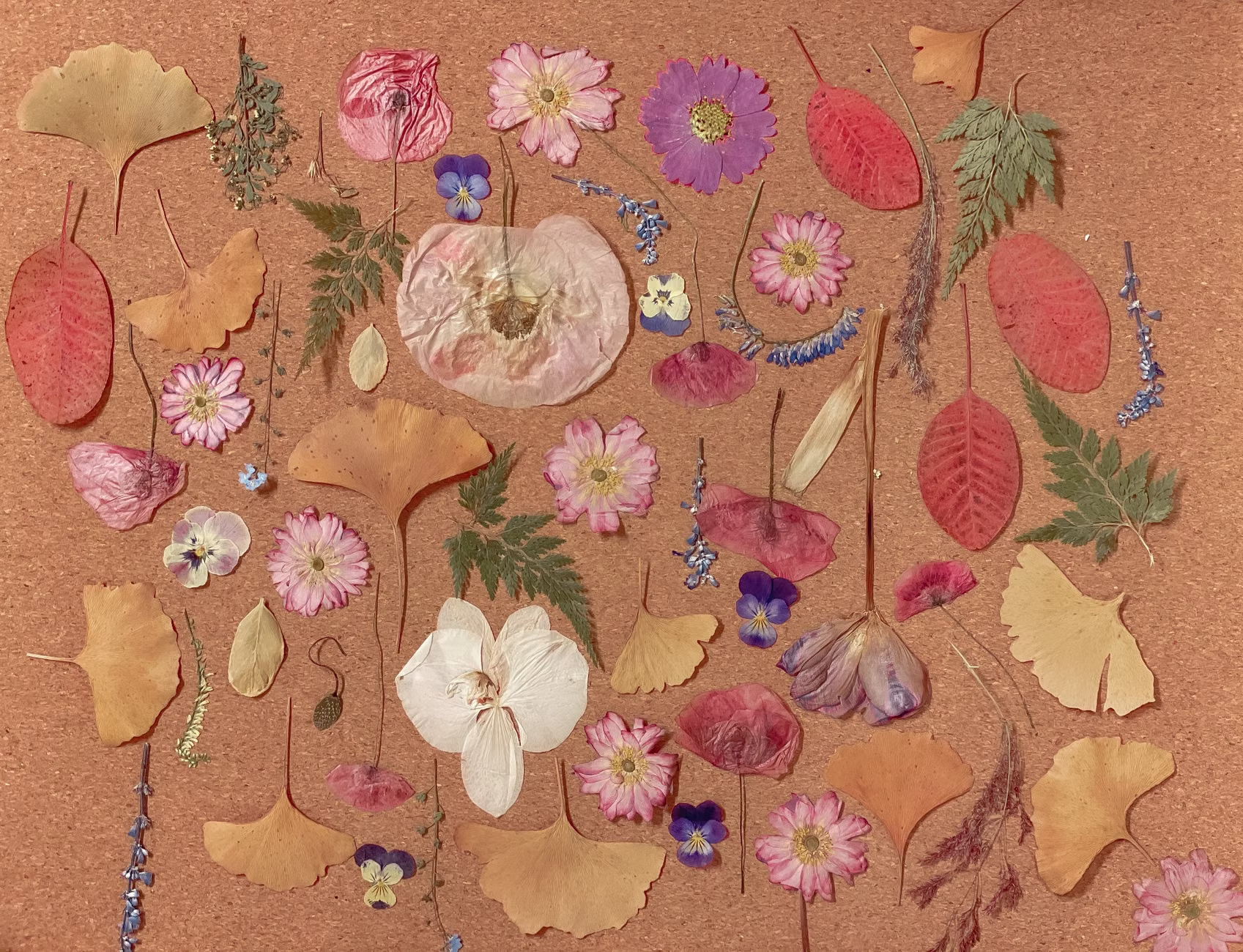
The Mechanics of the Press: Tools and Techniques
While you can press leaves between the pages of a heavy book, a dedicated botanical press offers superior results. A press consists of two wooden boards held together by adjustable screws, which allow you to increase pressure gradually as the leaves lose moisture.
The Layering Process
To achieve a professional-grade press, you must use the right materials to wick away moisture. Follow this step-by-step assembly:
- Base Layer: Place a piece of corrugated cardboard on the bottom board.
- Absorbent Layer: Place a sheet of thick, acid-free blotting paper or plain white parchment paper on top of the cardboard.
- The Leaf: Arrange your leaves. Ensure they do not overlap, as overlapping causes uneven pressure and moisture retention.
- Covering: Place another sheet of blotting paper over the leaves, followed by another piece of cardboard.
- Repetition: You can repeat this “sandwich” process multiple times to press several layers at once.
- Pressure: Tighten the wing nuts on your press until the boards are snug. Do not overtighten on the first day.
Common Mistake: Many beginners tighten the press to its maximum capacity immediately. This can crush the delicate cell walls of the leaf, leading to “bruising” or dark, translucent patches. Instead, tighten the press slightly each day for the first three days.

Managing Moisture and Time
Patience is the most critical tool in your kit. The time required for a leaf to be fully preserved depends on its thickness and the humidity in your home. On average, a leaf needs at least two weeks to be fully “cured.”
The “Check-In” Routine
Once a week, open your press to check the progress. If the blotting paper feels damp, swap it for a fresh, dry sheet. This is a simple but vital step to prevent mold. If you see any signs of fuzz or discoloration, remove that specific leaf immediately to protect the others. This process keeps you actively engaged with your hobby, turning a passive activity into a rhythmic, weekly ritual.
| Leaf Type | Pressing Difficulty | Estimated Time |
|---|---|---|
| Maple | Moderate | 2-3 Weeks |
| Oak | Low | 2 Weeks |
| Ginkgo | High (Very delicate) | 3 Weeks |
| Beech | Low | 1.5 Weeks |
The table above highlights that while some leaves are “hardy” and forgive errors, others like the ginkgo are fragile. If you are new to this craft, start with oak or beech leaves to build your confidence before moving on to thinner, more delicate varieties.
Displaying Your Work: From Press to Art
Once your leaves are dry, they are ready for display. However, they remain organic material and are sensitive to light and humidity. To ensure they last for years, consider these storage and display guidelines.
Choosing the Right Environment
If you intend to frame your leaves, use “archival quality” materials. Acid-free mounting paper is essential; acidic paper will cause the leaf to turn brown over time. Additionally, look for frames with UV-protective glass. Direct sunlight is the enemy of preserved foliage and will bleach the vibrant reds and golds within months.
Insight: Many people believe that applying a sealant, like hairspray or acrylic spray, will preserve the leaves better. In reality, these substances can trap moisture or cause the leaf to become sticky and attract dust. A well-pressed leaf, when kept in a stable, low-humidity environment, does not require chemical sealants.

The Mindfulness Component: Why This Matters
For the adult practitioner, the benefits of leaf pressing extend beyond the final product. The act of searching for the perfect leaf encourages “soft fascination”—a psychological term for the type of attention we give to nature that is restorative rather than draining. It requires you to observe small details: the serration of an edge, the network of veins, and the subtle gradients of color.
This hobby provides a structured way to practice mindfulness. When you are arranging leaves in a press, your focus is entirely on the task at hand. This can be a powerful antidote to the fast-paced nature of modern life, allowing for a moment of quiet reflection that is both accessible and deeply rewarding.
Safety and Physical Considerations
While leaf pressing is a sedentary hobby, there are physical aspects to consider:
- Hand Dexterity: If you have arthritis or reduced grip strength, look for presses with large, easy-to-turn wing nuts rather than small screws. You can also use a small wrench to assist with tightening if necessary.
- Posture: Ensure you are working at a table that allows you to sit with good posture. Avoid hunching over a low coffee table for extended periods.
- Equipment Weight: A full botanical press can be heavy. Keep your press on a dedicated workspace rather than moving it frequently.
Frequently Asked Questions
1. Can I use a microwave to speed up the pressing process?
While there are methods involving microwaves and paper towels, they are often inconsistent and can result in scorched or brittle leaves. For the best results and a more meditative experience, we recommend traditional air-drying through pressure.
2. What should I do if my pressed leaves start to lose their color?
Fading is a natural process for organic material. To minimize it, ensure your leaves are kept away from direct sunlight and high-humidity areas. If they fade, consider it a natural part of the leaf’s life cycle, reflecting the passage of time.
3. Is it possible to press flowers as well as leaves?
Yes, the same principles apply. However, flowers have more complex, three-dimensional structures. You may need to use more layers of blotting paper and be more careful with the initial pressure to avoid flattening the petals into a messy clump.
Conclusion
The joy of mindful leaf pressing lies in the intersection of nature and patience. It is a hobby that asks very little in terms of cost and physical exertion but offers a great deal in terms of creative fulfillment and mental clarity. By following the technical steps—selecting the right leaves, using the correct pressing equipment, and managing moisture—you can create a collection of autumn memories that are as beautiful as they are enduring. As you move through the season, take the time to notice the small, vibrant details of the world around you, and consider preserving them for the quieter days of winter.
For further inspiration on botanical study and preservation, you may find resources from the Royal Botanic Gardens useful for understanding plant anatomy and seasonal changes.