- Root Exposure Risk: Gum recession, common in aging, exposes the tooth root, which lacks protective enamel and is highly susceptible to decay.
- Targeted Fluoride Use: Topical application via high-fluoride toothpaste or professional varnish is significantly more effective for adults than systemic (water-based) fluoride.
- Daily Maintenance: Effective prevention requires a combination of mechanical plaque removal and consistent fluoride exposure to remineralize weakened tooth surfaces.
Understanding Dental Changes in the 60+ Demographic
As we navigate our sixties and beyond, our oral health requirements evolve alongside our bodies. While many adults successfully maintain their natural teeth, the physiological changes associated with aging—most notably gum recession and reduced saliva production—create a unique environment where tooth decay can progress rapidly. Unlike the dental challenges of youth, which often focus on the biting surfaces of teeth, the primary concern for older adults is the health of the tooth root.
The tooth root is covered by a substance called cementum, which is significantly thinner and softer than the enamel that protects the crown of the tooth. When gums recede, this root surface becomes exposed to acids from bacteria and dietary sugars. Because it lacks the hard protective layer of enamel, it is prone to what dentists call “root caries.” Fluoride remains the most effective tool in our arsenal to prevent, stabilize, and even reverse these early stages of decay through a process known as remineralization.
The Mechanism of Fluoride: How It Protects Aging Teeth
Fluoride is a naturally occurring mineral that plays a critical role in dental health. Its function is not merely to “clean” the teeth, but to chemically alter the structure of the tooth surface. When fluoride is present in the mouth, it integrates with the calcium and phosphate in our saliva to create a stronger, more acid-resistant mineral called fluorapatite. This new surface is much harder than the original tooth structure, making it difficult for decay-causing bacteria to create cavities.
Remineralization vs. Demineralization
Our teeth are in a constant state of flux. Every time we eat or drink, bacteria in our mouths metabolize carbohydrates, producing acids that pull minerals out of the tooth surface (demineralization). In a healthy environment, our saliva acts as a buffer, helping to deposit minerals back onto the tooth (remineralization). As we age, if our saliva flow decreases—often due to medications or systemic health conditions—the balance shifts toward demineralization. Consistent exposure to topical fluoride tips the scales back toward health by providing the necessary building blocks for the repair process.
Choosing the Right Fluoride Strategy
Not all fluoride exposure is created equal. For older adults, the focus should be on topical application rather than systemic ingestion. While water fluoridation is a public health success story for children whose teeth are still developing, adults benefit most from direct contact between fluoride and the tooth surface.
Comparison of Fluoride Delivery Methods
| Method | Primary Benefit | Best For |
|---|---|---|
| Standard Toothpaste | Daily maintenance and baseline protection. | General daily use for all adults. |
| Prescription-Strength Paste | Higher concentration (usually 5,000 ppm) for active decay. | Those with dry mouth or high risk of root caries. |
| Professional Varnish | High-dose immediate barrier and long-term release. | Patients with sensitivity or active root exposure. |
| Fluoride Mouthwash | Reaches areas between teeth. | Individuals with limited manual dexterity for flossing. |
For most adults, switching to a high-concentration fluoride toothpaste is the most practical and cost-effective intervention. If you experience dry mouth (xerostomia), which is a common side effect of many blood pressure or antidepressant medications, you should discuss prescription-strength fluoride toothpaste with your dentist. These products provide a higher dose of fluoride that helps compensate for the lack of protective saliva.
Practical Steps for Daily Implementation
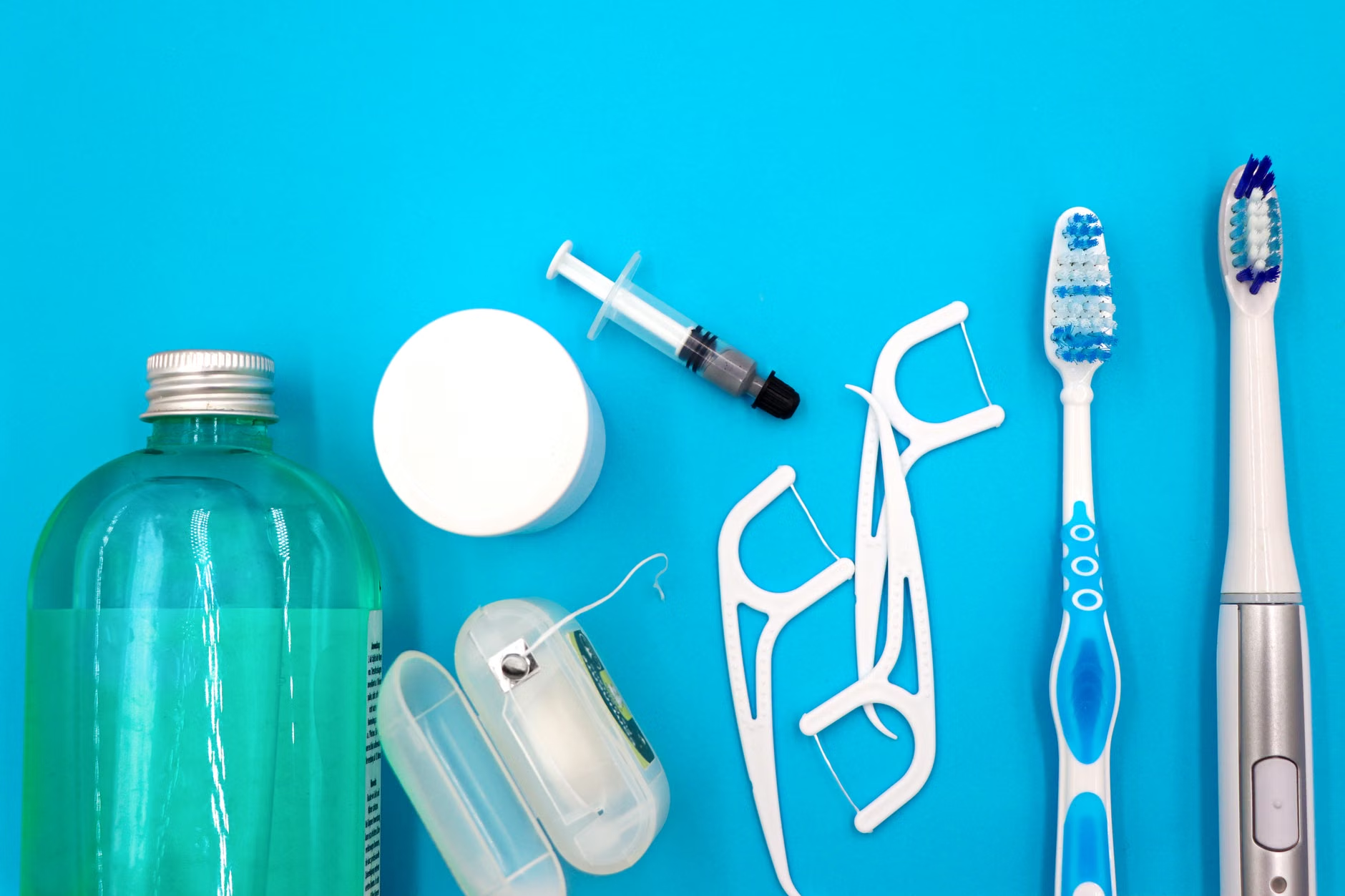
Incorporating fluoride into your daily routine does not need to be complicated. The goal is to maximize the time fluoride stays in contact with your tooth surfaces. Follow these steps to optimize your routine:
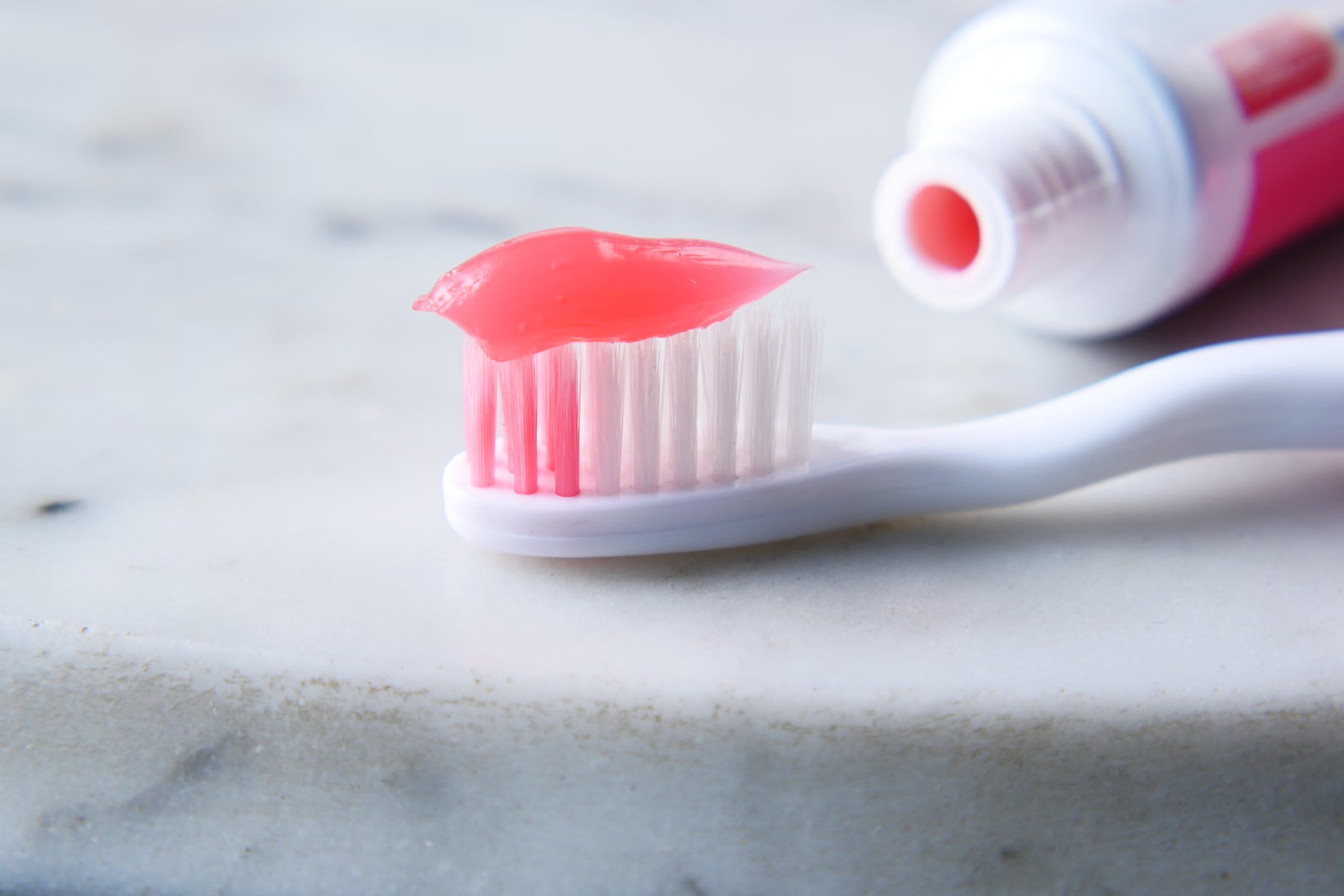
- The “Spit, Don’t Rinse” Rule: After brushing, spit out the excess toothpaste foam, but do not rinse your mouth with water. Rinsing washes away the concentrated fluoride that is meant to stay on your teeth to continue the remineralization process.
- Interdental Cleaning: Use interdental brushes or floss to ensure fluoride reaches the spaces between teeth, where root caries are most likely to begin.
- Timing Matters: Brush immediately before bed. During sleep, your natural saliva production drops significantly. Having a thin layer of fluoride on your teeth throughout the night provides a critical shield against acid attacks.
- Hydration: If you suffer from dry mouth, use alcohol-free moisturizing mouth rinses alongside your fluoride regimen. Alcohol can further dry out oral tissues, exacerbating the problem.
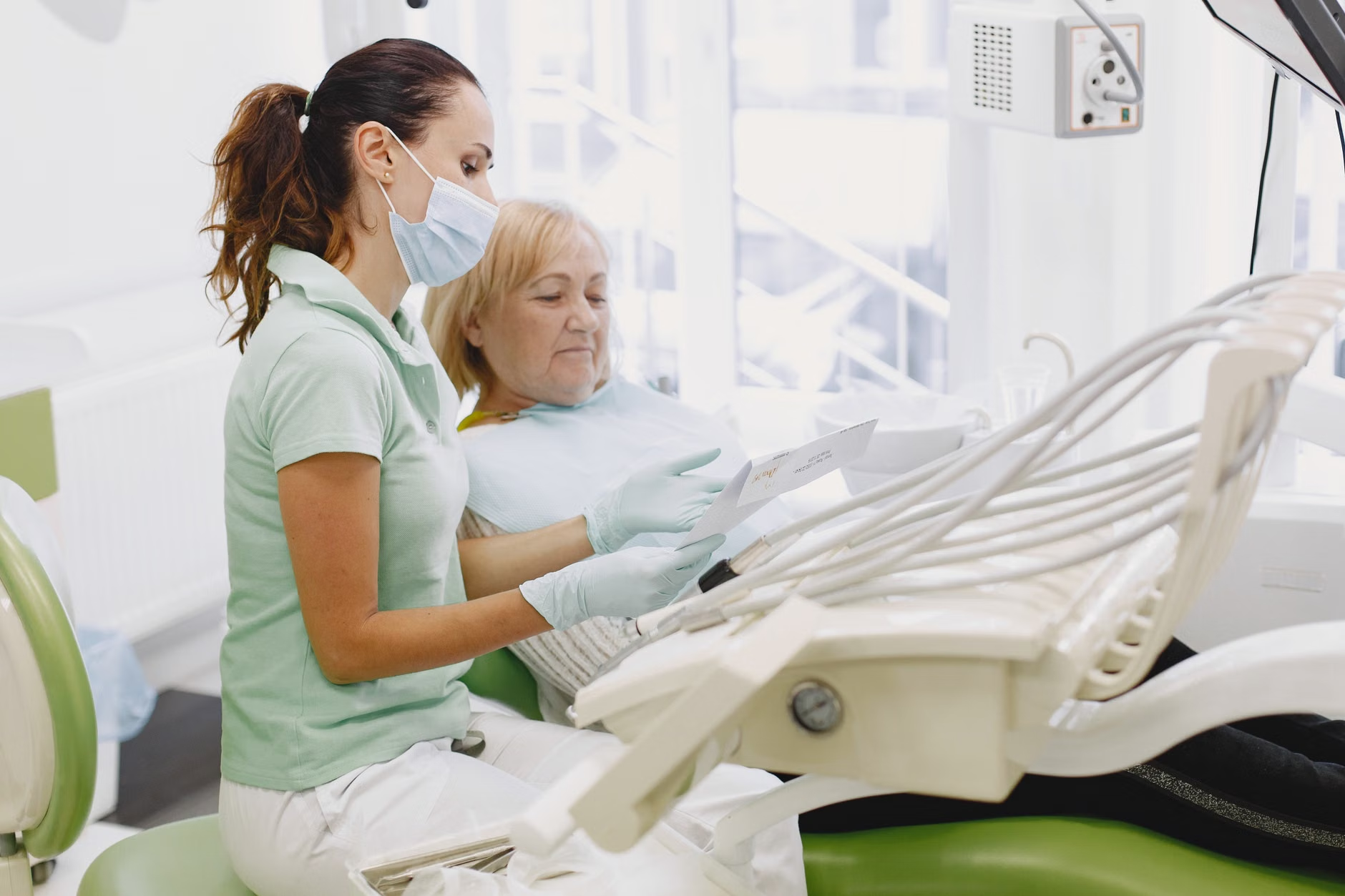
Regular dental visits are more than just cleanings; they are opportunities for risk assessment. During your visit, ask your dental professional specifically about the state of your tooth roots. If you have significant gum recession, your dentist may recommend professional fluoride varnish applications during your check-ups. This is a quick, painless procedure where a concentrated fluoride gel is painted onto the sensitive areas of the teeth.
Preparing for Your Dental Appointment
To get the most out of your visit, come prepared with the following information:
- A current medication list: Many medications cause dry mouth, which directly impacts your risk for cavities.
- A record of symptoms: Note if you have noticed any new sensitivity to hot or cold, or if you feel any rough spots near the gum line.
- Questions about your routine: Ask your dentist, “Based on my gum health, is my current fluoride routine sufficient, or should I move to a higher concentration?”
Common Misconceptions and Overlooked Variables
A common mistake is assuming that because you have no cavities in your sixties, you are “in the clear.” Root caries can develop very quickly, often within a few months, because the root surface is so vulnerable. Another overlooked variable is the role of diet. Even “healthy” foods like dried fruits or certain fruit juices can be highly acidic and sticky, clinging to the root surfaces and feeding bacteria. If you consume these, try to do so with a meal rather than as a standalone snack to reduce the frequency of acid attacks.
Furthermore, be aware of the “whitening” toothpaste trap. Many whitening products are abrasive. If you have exposed roots, these abrasives can wear away the already thin cementum, causing sensitivity and making it easier for decay to take hold. Always check that your toothpaste has the seal of approval from your country’s dental association and verify the fluoride content (usually listed as 1,100 to 1,500 ppm for standard tubes).
Conclusion: Consistency as the Key to Longevity
Maintaining dental health in your sixties and beyond is a proactive process. By understanding that your needs have shifted from protecting the crown to protecting the root, you can make informed decisions about your daily routine. Prioritize topical fluoride, manage dry mouth effectively, and maintain consistent communication with your dental team. Small, daily habits—like not rinsing after brushing—are the most powerful tools you have to ensure your natural smile remains healthy for years to come.
For more information on dental health standards, you may refer to the American Dental Association’s guide on fluoride or the FDI World Dental Federation for global perspectives on geriatric oral health.
Frequently Asked Questions
1. Does drinking fluoridated tap water provide enough protection for my teeth?
While systemic fluoride is beneficial, for adults, the most effective protection comes from topical application. Topical fluoride, such as that found in high-concentration toothpaste or professional varnish, provides the direct contact needed to strengthen exposed root surfaces, which are the primary areas of concern for older adults.
2. I have sensitive teeth. Is fluoride still safe for me?
Yes, fluoride is often the primary treatment for sensitivity. By remineralizing the exposed microscopic tubules in the tooth root, fluoride can actually reduce the sensitivity caused by cold or hot temperatures. If you have extreme sensitivity, consult your dentist about professional-grade fluoride treatments.
3. How often should I see a dentist if I have gum recession?
If you have significant gum recession, your risk for root caries is higher. Most dental professionals recommend check-ups every six months. However, if you are on medications that cause dry mouth or have a history of frequent cavities, your dentist may suggest a more frequent schedule, such as every three to four months, to monitor root health and apply protective fluoride varnish.