- Isometric Efficiency: Seated palm-presses engage the pectoral and arm muscles without the need for heavy equipment or high-impact joint stress.
- Postural Foundation: The effectiveness of this exercise relies entirely on maintaining a neutral spine and stable seating, which also helps prevent slouching.
- Incremental Progress: Consistency is more important than intensity; starting with short, controlled holds builds foundational strength safely over time.
Introduction: Why Seated Strength Matters
Maintaining upper body strength is a cornerstone of independent living for adults aged 60 to 80. Whether it is lifting a grocery bag, pushing open a heavy door, or simply pushing yourself up from a chair, the pectoral (chest) and arm muscles play a vital role. Many seniors shy away from traditional weight training due to concerns about joint pain or the complexity of gym equipment. However, isometric exercises—specifically the seated palm-press—provide a highly effective, low-risk alternative that can be performed anywhere.
This guide explains the mechanics of the seated palm-press, why it is particularly suitable for older adults, and how to integrate it into your daily routine. By understanding the biomechanics of this movement, you can improve your functional strength without the need for specialized gear.
The Mechanics of the Seated Palm-Press
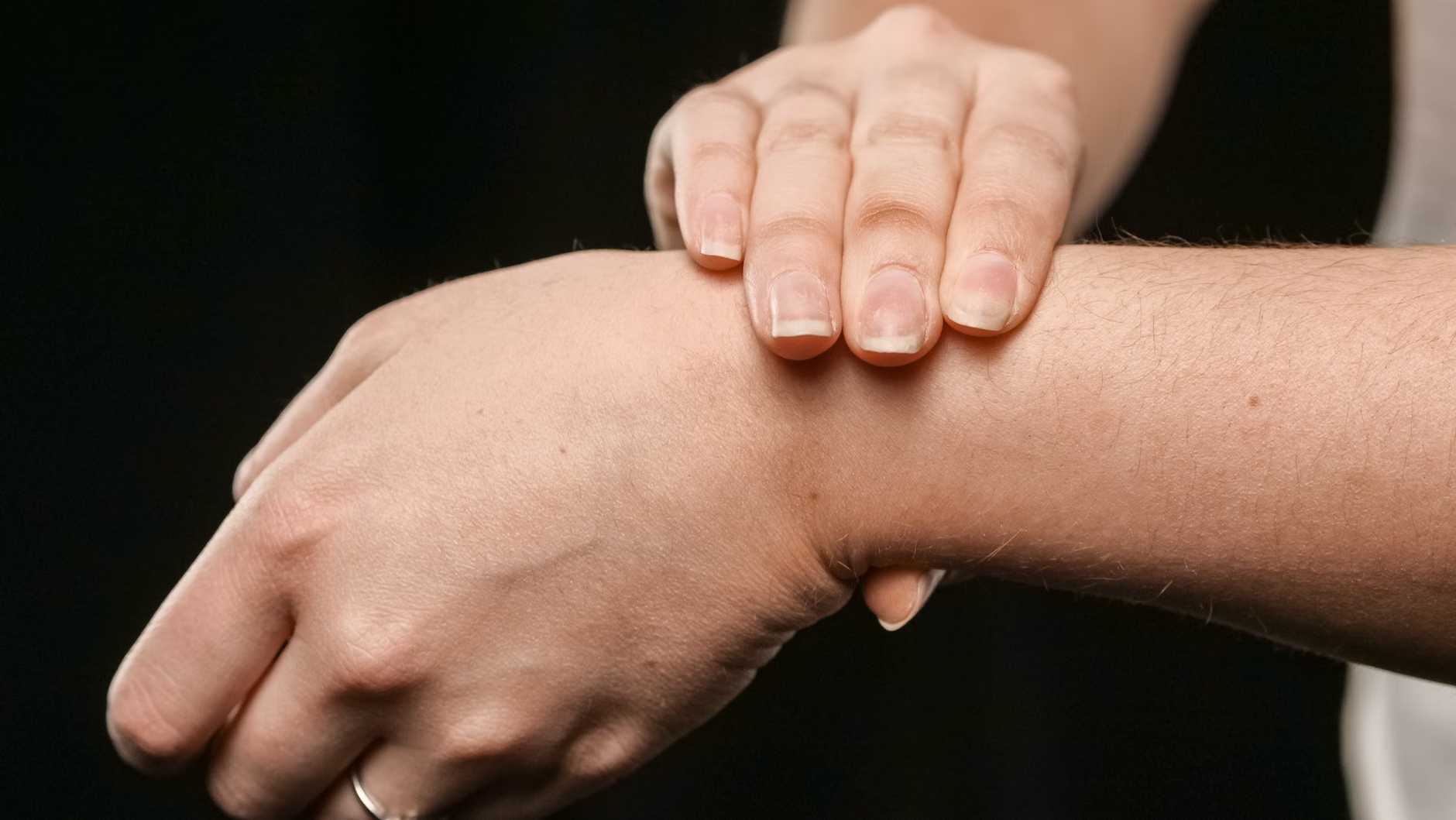
The seated palm-press is an isometric exercise. In isometric training, muscles contract without moving the joints through a full range of motion. For the pectoral muscles, this means you are creating tension by pushing your palms against each other, which forces the chest and arm muscles to fire simultaneously.
Why It Matters for Your Daily Life
As we age, we often experience a natural reduction in muscle mass, a process known as sarcopenia. While resistance training is the gold standard for counteracting this, it must be approached with caution regarding joint health. The seated palm-press offers several distinct advantages:
- Joint Preservation: Because there is no external weight or repetitive joint movement, the risk of aggravating arthritic wrists or shoulders is significantly lower than with traditional push-ups or bench presses.
- Accessibility: It requires no equipment, making it a perfect “micro-exercise” that can be done while watching television, waiting for a kettle to boil, or sitting at your desk.
- Control: You regulate the intensity by how hard you choose to press, allowing you to scale the exercise to your current level of comfort and fatigue.
Step-by-Step Execution: Proper Form
Performing the exercise correctly is essential to avoid unnecessary strain on your neck or shoulders. Follow these steps to ensure you are targeting the right muscle groups.
- Find Your Seat: Sit in a sturdy, stable chair. Avoid chairs with wheels or soft cushions that sink significantly. Your feet should be flat on the floor, hip-width apart.
- Establish Posture: Align your ears over your shoulders and your shoulders over your hips. Imagine a string pulling the crown of your head toward the ceiling. Engage your core gently by pulling your navel toward your spine.
- Hand Placement: Bring your palms together in front of your chest, similar to a prayer position. Keep your elbows slightly away from your ribcage to ensure the pectoral muscles are engaged.
- The Press: Inhale deeply, and as you exhale, push your palms firmly against each other. Focus on feeling the contraction in your chest and the front of your shoulders.
- Hold and Breathe: Hold the press for 5 to 10 seconds. Crucially, do not hold your breath. Continue to breathe rhythmically throughout the contraction to avoid spikes in blood pressure.
- Release: Gradually release the pressure, returning to the starting position. Rest for 10 seconds before repeating.

Common Mistakes and How to Avoid Them
Even simple exercises can be performed incorrectly. Being aware of these pitfalls will help you maximize your results while remaining safe.
| Common Mistake | The Risk | How to Correct It |
|---|---|---|
| Shrugging shoulders | Neck tension and strain | Keep your shoulders down and back, away from your ears. |
| Holding your breath | Dizziness or blood pressure spike | Maintain a steady, rhythmic breathing pattern. |
| Leaning forward | Loss of core engagement | Keep your back firmly against the chair or upright and neutral. |
| Over-gripping with fingers | Wrist discomfort | Focus on the pressure coming from the heel of your palms. |
If you find that your wrists feel uncomfortable, consider using a small, soft item like a stress ball or a folded towel between your palms. This keeps your wrists in a more neutral position, which often alleviates discomfort for those with mild wrist arthritis.
Integrating Exercise into Your Daily Routine
The biggest hurdle to maintaining strength is consistency, not the intensity of the workout. Rather than setting aside a dedicated “gym time” that you might skip, try “habit stacking.” This involves attaching your exercise to a daily task you already perform.
Practical Examples for Habit Stacking
- The “Morning Coffee” Routine: While waiting for your coffee to brew or your tea to steep, perform five repetitions of the palm-press.
- The “Television Commercial” Break: During a show, use the commercial breaks to complete two sets of five repetitions.
- The “Reading” Break: If you are reading a book, perform one repetition every time you turn a page.
Monitoring Your Progress
Because isometric exercise is subtle, you may not see “gains” in the traditional sense of muscle size. Instead, measure your progress through functionality. Ask yourself:
- Does it feel easier to lift a heavy pan from the cupboard?
- Do I feel more stable when I push myself up from my armchair?
- Is there less discomfort in my shoulders during daily activities?
Safety and Professional Consultation
While the seated palm-press is generally considered safe, it is not a substitute for professional medical advice if you have specific conditions. If you have a history of cardiovascular disease, uncontrolled high blood pressure, or recent surgery on your shoulders or chest, consult your primary care physician or a physical therapist before beginning any new exercise regimen.
Warning Signs to Stop: If you experience sharp, shooting pain in your joints, dizziness, lightheadedness, or sudden shortness of breath, stop immediately. If you have been cleared for exercise but experience persistent soreness that lasts more than 24 hours, reduce the intensity of your press or the duration of your hold.
For those interested in more structured guidance, the World Health Organization (WHO) provides global guidelines on physical activity for older adults, emphasizing that even small amounts of activity contribute to health outcomes. You can learn more about these guidelines at the WHO Physical Activity Guidelines portal.
Advanced Variations for Continued Improvement
Once you become comfortable with the basic palm-press, you may find that your muscles adapt, and you want to challenge them further. You can introduce these variations:
- The Overhead Press: Perform the same movement, but raise your hands above your head. This engages the upper chest and the muscles around the shoulder blades. Note: Do not attempt this if you have shoulder mobility issues.
- The Diagonal Press: Instead of pressing palms directly in front of your chest, shift your hands to the left or right, pressing at an angle. This forces the stabilizing muscles of the trunk to engage more heavily.
- The Extended-Lever Press: Hold your hands further away from your chest. The further your hands are from your body, the longer the “lever,” which increases the effort required by the pectoral muscles.
Conclusion
Building strength does not require an expensive gym membership or complicated equipment. The seated palm-press is a testament to the fact that simple, deliberate movements can significantly improve your quality of life. By focusing on your posture, breathing, and consistency, you are investing in your long-term independence. Start slowly, listen to your body, and treat these small moments of exercise as a vital part of your daily health maintenance.
Frequently Asked Questions (FAQ)
- Can I do this exercise if I have arthritis in my hands?
Yes, but you may need to modify your technique. Using a soft cushion or a small, squishy ball between your palms can remove the need for your fingers to touch, placing the pressure on the heels of your hands instead. If the pain persists, consult a physical therapist for alternatives. - How many times a day should I perform these presses?
There is no strict rule, but starting with 5 to 10 repetitions, once or twice a day, is a great baseline. As you feel more comfortable, you can increase the frequency, provided you are not experiencing joint pain or excessive fatigue. - Will this build big muscles like a bodybuilder?
No. This exercise is designed for functional health, stability, and muscle maintenance rather than hypertrophy (muscle growth). Its primary goal is to help you maintain the strength required for daily tasks and to prevent muscle loss associated with aging.