- Bonsai is a low-impact, cognitively engaging hobby that promotes patience and fine motor skill maintenance without requiring strenuous physical activity.
- Success with indoor bonsai depends on selecting species that thrive in home environments, such as the Ficus or Chinese Elm, rather than outdoor-exclusive varieties.
- Consistency is key: establishing a routine for watering, light exposure, and pruning turns a complex art form into a manageable daily habit.
The Intersection of Art and Mindfulness: Why Bonsai Suits the Senior Lifestyle
Bonsai, the ancient Japanese art of growing miniature trees in containers, is often misunderstood as a difficult or time-consuming burden. In reality, for those in their 60s, 70s, and 80s, it serves as a profound exercise in mindfulness and physical dexterity. Unlike high-intensity sports or travel-heavy hobbies, bonsai offers a “slow-living” experience that can be conducted from the comfort of a chair or a dedicated gardening station.
The practice is inherently therapeutic. It requires focused attention, which shifts the brain from the “autopilot” mode of daily routines to a state of flow. This concentration helps manage stress and provides a sense of purpose as you witness the long-term transformation of a living organism. Because a bonsai tree is never truly “finished,” it provides a continuous, gentle goal that rewards patience over speed.
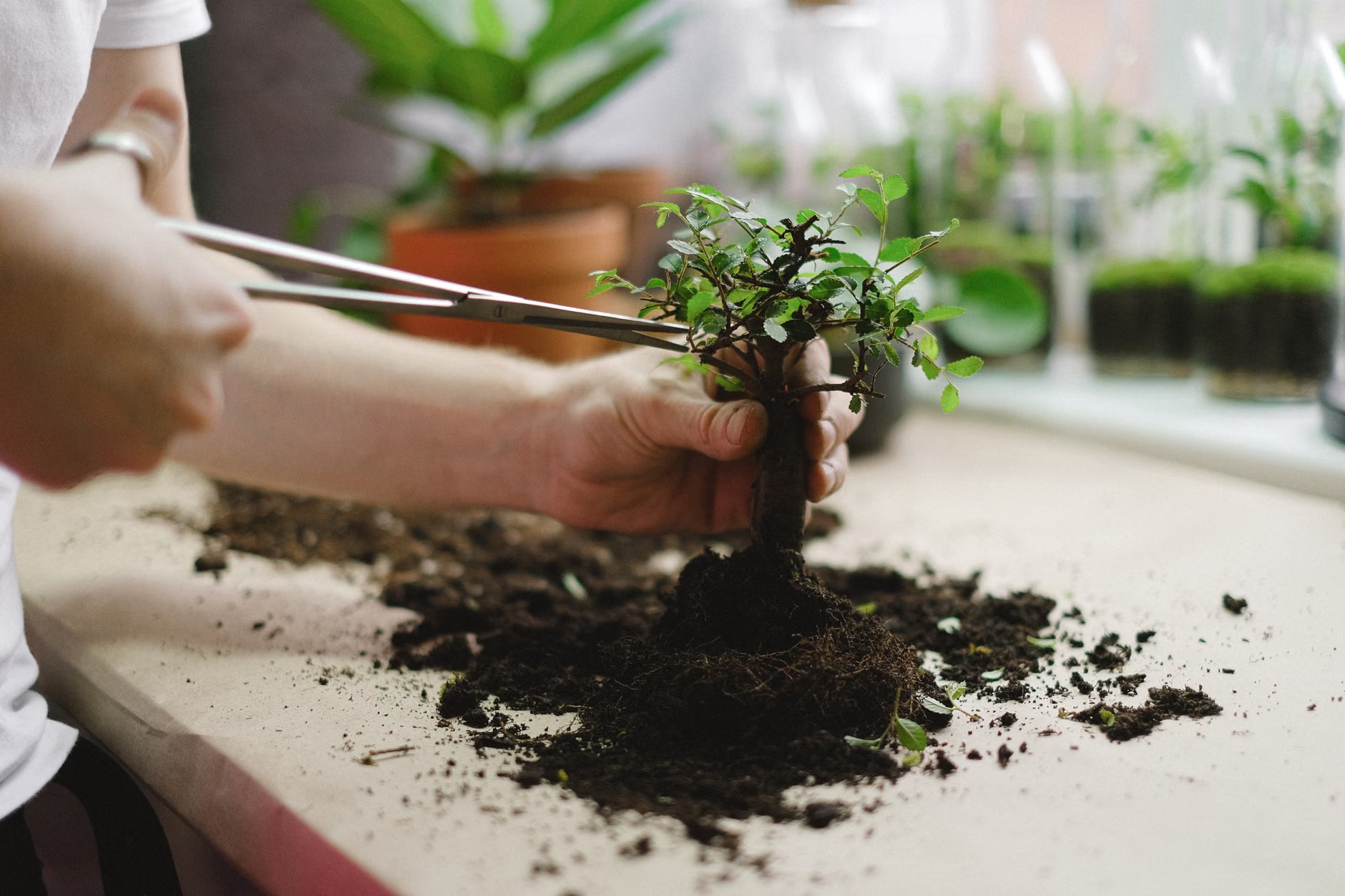
Beyond the mental benefits, the physical requirements are minimal but sufficient to maintain dexterity. Fine-motor tasks like pruning, wiring, and repotting help keep fingers agile and hands steady. Crucially, this hobby is highly adaptable; whether you have a large sunroom or a small apartment window, there is a bonsai configuration that fits your space and physical capacity.
Selecting Your First Tree: The Importance of Species Choice
The most common mistake beginners make is purchasing an outdoor tree—such as a Japanese Maple or Juniper—and attempting to keep it indoors. These trees require a period of dormancy in cold weather; keeping them inside a warm home will eventually exhaust their energy and lead to decline. For an indoor hobby, you must select species that are biologically adapted to stable temperatures and lower light levels.
Recommended Indoor Species
| Species | Difficulty Level | Key Characteristic |
|---|---|---|
| Ficus (Ginseng or Retusa) | Easy | Very tolerant of indoor light and humidity fluctuations. |
| Chinese Elm | Moderate | Fast-growing, responds well to constant pruning. |
| Schefflera (Umbrella Tree) | Easy | Highly resilient, excellent for beginners. |
| Jade (Crassula) | Easy | Succulent-based; requires less frequent watering. |
For those starting out, the Ficus Retusa is the gold standard. It is forgiving of occasional missed waterings and thrives in the ambient light found in most living rooms. If you are concerned about stamina or memory, a Jade tree is perhaps the most “low-maintenance” option, as it stores water in its leaves and stems, meaning it does not demand the strict daily regimen that other species might require.

Establishing a Sustainable Care Routine
The secret to keeping a bonsai healthy is not “green thumbs,” but rather a consistent, observable routine. By breaking down the needs of the tree into a simple schedule, you remove the guesswork and prevent the anxiety of wondering if the plant is “doing okay.”
1. Watering: The Finger Test
Never water on a fixed schedule (e.g., “every Monday”). Instead, check the soil daily. Insert your finger about one inch (2.5 cm) into the soil. If it feels slightly dry, it is time to water. If it feels damp, wait another day. This simple tactile check prevents the most common cause of death for indoor bonsai: root rot from over-watering.
2. Light Exposure
Most indoor bonsai need at least four to six hours of indirect sunlight daily. A south-facing window is ideal. If your home lacks natural light, a simple LED grow light on a timer can provide the necessary energy without requiring you to move the tree back and forth. Note: Ensure the light is placed at a distance that does not cause heat damage to the leaves.
3. Humidity and Airflow
Indoor heating and air conditioning systems often dry out the air, which can stress a tropical tree. Placing your bonsai on a “humidity tray”—a shallow tray filled with pebbles and a small amount of water—can help maintain a microclimate around the pot. Do not let the pot sit directly in the water, as this will cause the roots to suffocate.
Essential Tools and Ergonomics
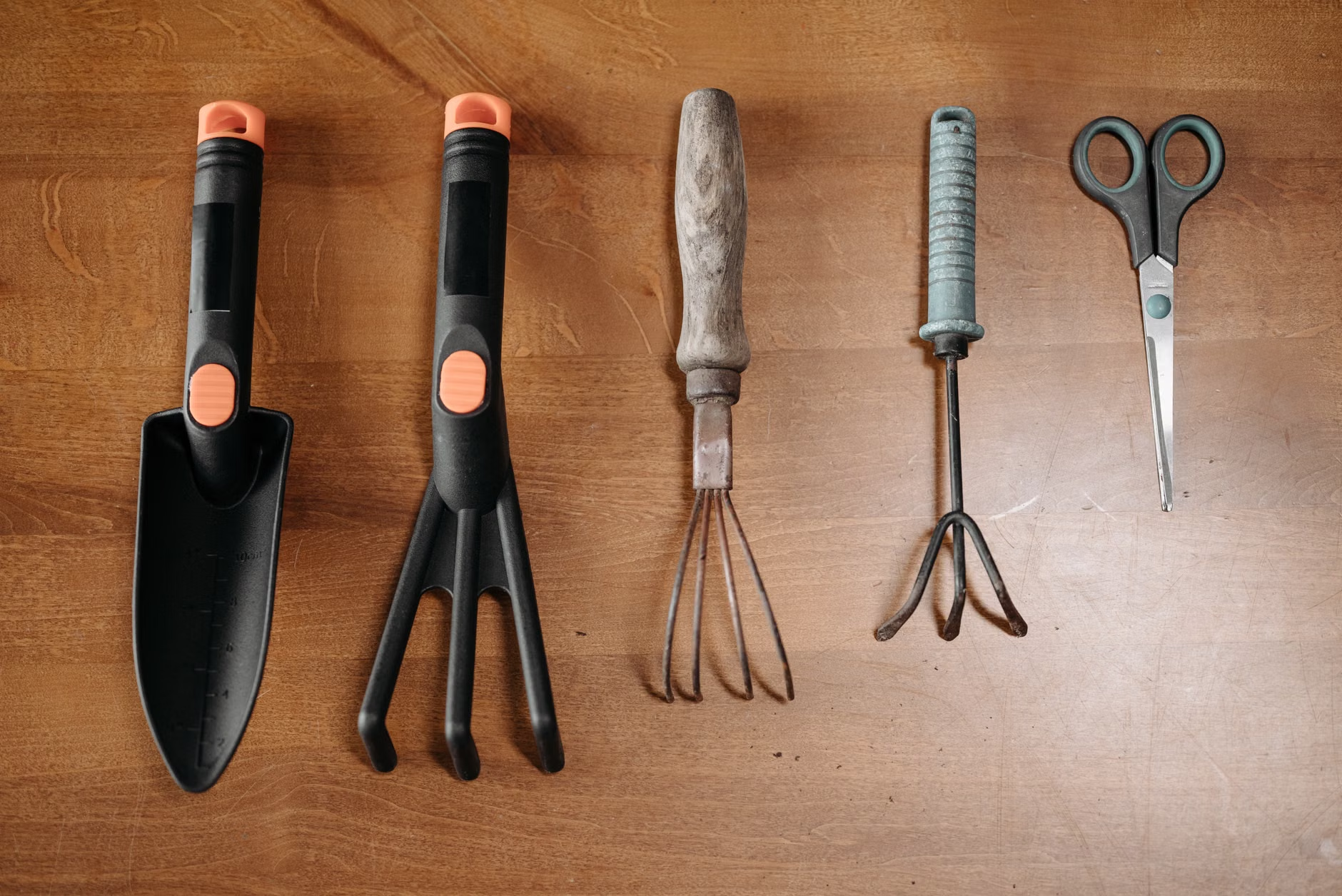
You do not need a vast collection of expensive tools to start. A few high-quality, ergonomic implements will make the process much more comfortable and prevent hand fatigue.
- Concave Cutters: Essential for pruning branches. The concave shape allows the tree to heal over the cut smoothly, preventing unsightly scars.
- Bonsai Shears: Use these for delicate leaf trimming and thinning. Look for a pair with large finger loops to ensure a comfortable grip.
- Long-Reach Tweezers: These are invaluable for plucking dead leaves or pulling weeds from the soil surface without straining your reach.
When working, ensure you are seated at a table of appropriate height. Avoid hunching over; instead, bring the tree to eye level by placing it on a sturdy, elevated stand or a lazy Susan. This allows you to rotate the tree easily to inspect it from all sides without having to move or twist your body uncomfortably.
Addressing Potential Challenges and Long-Term Care
Over time, your bonsai will grow and become root-bound. This is a sign of health, but it means the tree will eventually need “repotting.” For most indoor species, this happens every two to three years. If you find the task physically daunting, you can contact a local bonsai club or a professional nursery. Many bonsai enthusiasts are part of tight-knit communities, and there is often someone willing to assist or mentor a newcomer in the repotting process.
Warning: Be wary of “miracle” fertilizers or growth boosters sold in supermarkets. Bonsai require very little fertilizer. Use a balanced, water-soluble fertilizer at half the recommended strength during the growing season (spring through early autumn), and stop entirely during the winter months.
If you notice yellowing leaves or a sudden drop in foliage, do not panic. This is the tree’s way of communicating. Often, it is a simple adjustment in light or water. Check for pests like spider mites by looking at the undersides of leaves. If you see fine webbing, wipe the leaves gently with a damp cloth dipped in a mixture of mild soap and water.
Integration into Daily Wellbeing
The beauty of bonsai lies in its ability to ground the practitioner. Incorporating a “bonsai check-in” into your morning coffee or tea ritual creates a natural anchor for your day. It is not a chore, but a moment of quiet observation. By observing the subtle changes in your tree, you cultivate a sense of presence that can reduce anxiety and improve mood. This hobby is not merely about gardening; it is about stewardship and the joy of watching something thrive under your gentle, steady care.
For those with family or caregivers, the bonsai can serve as a wonderful conversation piece. Explaining the history of your specific tree or demonstrating how a simple prune improves its shape can be a deeply rewarding way to share your passion and maintain social connections.
Frequently Asked Questions (FAQ)
1. Is it expensive to start a bonsai collection?
It can be, but it doesn’t have to be. You can purchase a “pre-bonsai” (a young tree in a nursery pot) for a very low cost and style it yourself over time. The most important investment is a quality pair of shears; other tools can be added gradually as your skills and interest grow.
2. Can I keep my bonsai in a bedroom?
Yes, provided the room receives sufficient natural light. However, be mindful that bedroom temperatures can fluctuate. Ensure the tree is not placed directly in front of a heating vent or an air conditioning unit, as the sudden changes in temperature and humidity can cause the tree to drop its leaves.
3. What if I have to go away for a week? Will my tree die?
Most bonsai can survive a week away if you prepare correctly. A “self-watering” wick system or a simple water reservoir can keep the soil moist. Alternatively, asking a neighbor or family member to check on the tree once is usually sufficient. Because bonsai are in small pots, they are sensitive, but they are not as fragile as many people fear.
For further information on local bonsai clubs and resources, you may consult the World Bonsai Friendship Federation to find societies in your region.