Key Takeaways
- Iron is essential for oxygen transport: Maintaining adequate levels is crucial for heart, brain, and muscle function as you age.
- Balance is key: Both iron deficiency and iron overload carry health risks; avoid taking iron supplements without a blood test and medical supervision.
- Dietary strategy: Prioritize heme iron (animal-based) for better absorption, and pair non-heme iron (plant-based) with Vitamin C to maximize intake.
Maintaining energy levels and physical stamina into your 60s, 70s, and beyond is not merely a matter of willpower; it is a physiological process heavily dependent on how effectively your body transports oxygen to your cells. Iron is the primary engine behind this process. As a core component of hemoglobin—the protein in red blood cells that carries oxygen from your lungs to the rest of your body—iron is fundamental to your daily vitality.
When iron levels are insufficient, the body’s ability to “breathe” at a cellular level is compromised, often leading to fatigue, reduced exercise tolerance, and cognitive sluggishness. Conversely, as we age, we must navigate the unique challenge of ensuring we get enough iron without exceeding safe levels, as excess iron can accumulate in organs, potentially causing oxidative stress. This guide provides a practical, evidence-based approach to managing your iron intake to support healthy, active aging.
Understanding the Role of Iron in Your Body
Iron is a trace mineral that serves several critical functions. While its role in oxygen transport is most famous, it is also essential for metabolism, DNA synthesis, and immune system function. In older adults, these processes are vital for maintaining muscle mass and cognitive sharpness.
Think of your blood as a delivery system. Iron is the cargo hold that grabs oxygen molecules. If your iron levels are low, the “cargo” doesn’t reach the “delivery points” (your brain, heart, and muscles) efficiently. In your 60s and 70s, this can manifest as feeling out of breath during a brisk walk, experiencing difficulty concentrating, or feeling exhausted long before your day is finished.
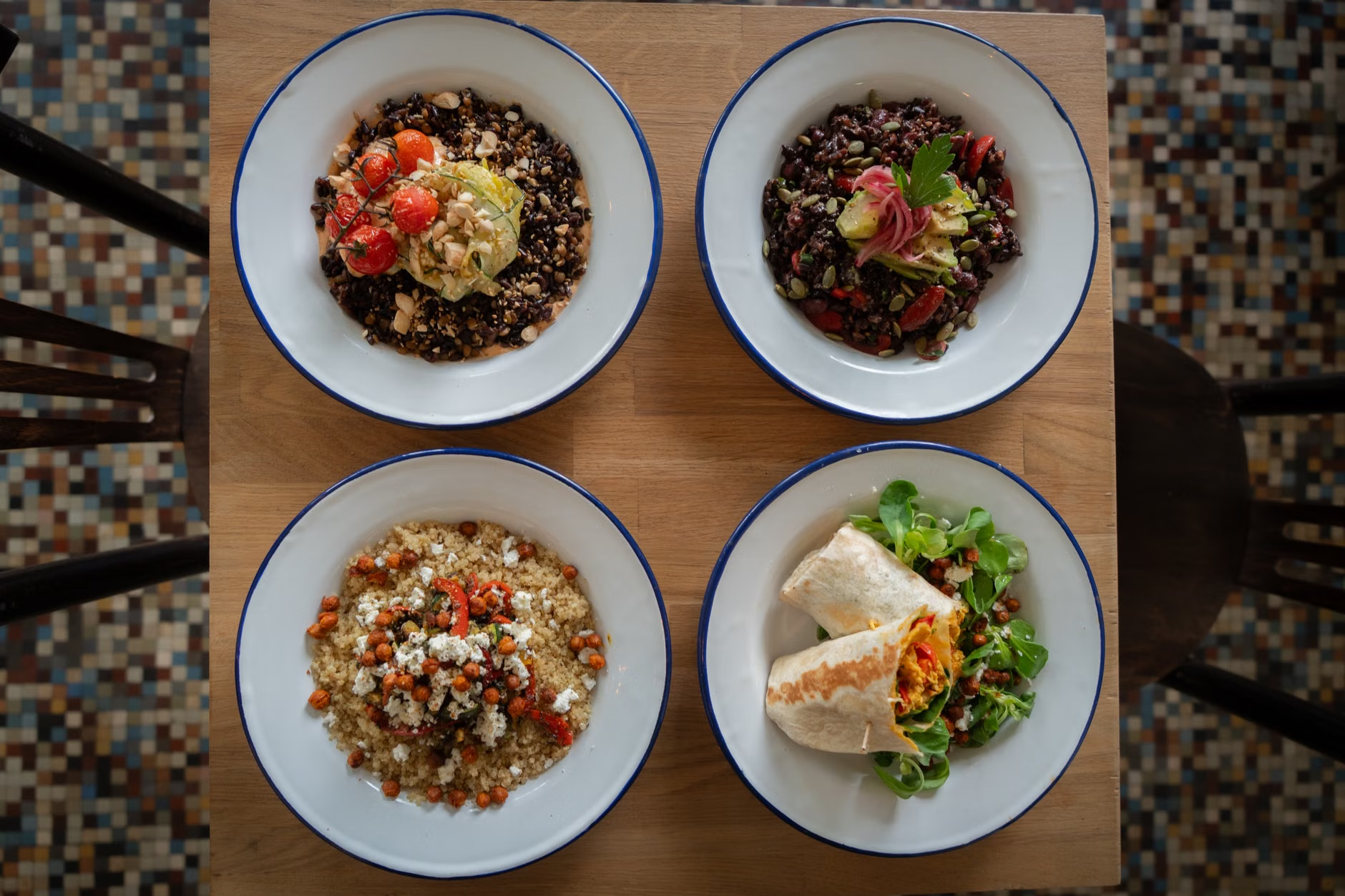
The Two Types of Dietary Iron
Not all iron is absorbed by the body with the same level of efficiency. Understanding the difference between these two types is the first step in optimizing your diet:
- Heme Iron: Found in animal products (red meat, poultry, fish). It is highly bioavailable, meaning your body absorbs it much more easily.
- Non-Heme Iron: Found in plant-based foods (lentils, beans, spinach, fortified cereals). While healthy, it is harder for the body to absorb.
For most older adults, a balanced diet incorporating both sources is ideal. However, if you follow a plant-based or vegetarian diet, you must be more strategic about how you combine foods to enhance the absorption of non-heme iron.
Practical Strategies for Efficient Iron Absorption
Maximizing iron intake is not just about what you eat, but how you eat it. Certain compounds can “block” or “boost” the absorption of iron in your digestive tract.
The Vitamin C Synergy
One of the simplest, most effective habits you can adopt is pairing plant-based iron sources with Vitamin C. When you eat lentils or spinach, add a squeeze of lemon juice, some bell peppers, or a side of strawberries. The Vitamin C chemically alters the non-heme iron, making it significantly easier for your gut to absorb.
Common Inhibitors to Avoid
Conversely, some common daily habits may be hindering your iron uptake. Tannins and polyphenols found in coffee and tea can inhibit iron absorption if consumed during a meal. If you enjoy a morning cup of tea or coffee, try to drink it at least one hour before or after your iron-rich meal to ensure your body gets the full benefit of the nutrients.
| Food Category | Examples | Absorption Tip |
|---|---|---|
| Heme (Animal) | Lean beef, oysters, turkey, sardines | Highly efficient; no special pairing needed. |
| Non-Heme (Plant) | Lentils, chickpeas, spinach, tofu | Pair with Vitamin C (citrus, peppers). |
| Inhibitors | Coffee, tea, high-calcium dairy | Consume separately from iron-rich meals. |
The table above illustrates that while animal products provide a “shortcut” for iron absorption, plant-based sources are perfectly adequate if you manage your meal timing. For example, if you are having a bean salad for lunch, avoid having a cup of tea simultaneously.
It is a common misconception that “more is always better” when it comes to supplements. In the context of iron, this can be dangerous. Unlike some vitamins that the body can easily excrete if taken in excess, iron is stored in the body. If your levels are already sufficient, taking an iron supplement can lead to iron overload, which can damage the liver, heart, and pancreas over time.
When to Consult a Professional
Before adding an iron supplement to your daily routine, a blood test (specifically a Ferritin test) is mandatory. Ferritin measures your body’s stored iron. Do not rely on symptoms alone, as fatigue can be caused by various factors, including Vitamin B12 deficiency, thyroid issues, or sleep disturbances.
Warning Signs for Medical Consultation:
- Persistent, unexplained fatigue that does not improve with rest.
- Unusual shortness of breath during light physical activity.
- Pale skin or brittle nails.
- Dizziness or frequent headaches.
If you suspect an iron deficiency, prepare for your doctor’s appointment by keeping a 3-day food diary. Note what you eat, when you feel most tired, and any medications you are taking, as some medications (like those for acid reflux) can also interfere with iron absorption.
Integrating Iron Management into Daily Life
For most adults, dietary changes are safer and more sustainable than supplementation. Consider these practical steps to integrate iron management into your lifestyle:
- Audit your pantry: Identify 2-3 plant-based iron sources you enjoy and ensure they are part of your weekly rotation.
- Optimize timing: If you are a tea or coffee drinker, move your “tea time” to the mid-morning or mid-afternoon, away from main meals.
- Monitor your energy: Use a simple journal to track your energy levels alongside your dietary changes. If you notice a consistent “afternoon slump,” consider whether your lunch lacked sufficient iron or Vitamin C.
It is also important to recognize that as we age, our digestive system may become less efficient at absorbing nutrients. This is why focusing on nutrient-dense, whole foods is preferable to relying on processed foods that are “fortified” with synthetic iron, which may not be as bioavailable or as healthy for your gut microbiome.

The Importance of Context: Why One Size Doesn’t Fit All
Your iron needs are deeply personal and influenced by your medical history. For instance, if you have conditions like Celiac disease or have had gastric surgery, your body’s ability to absorb iron is fundamentally altered. Always verify your specific health status with your primary care physician before making significant changes to your diet or starting any new supplement regimen.
Furthermore, be aware of the “hidden” iron-drainers. Chronic, low-level inflammation or gastrointestinal issues can cause minor, silent blood loss that eventually depletes iron stores. If you find your iron levels are consistently low despite a good diet, your healthcare provider may need to investigate the underlying cause, rather than simply recommending a supplement.
Conclusion: A Proactive Approach to Vitality
Managing your iron intake is a powerful, low-cost way to support your body’s essential functions as you age. By prioritizing a diet that includes both heme and non-heme iron, being mindful of absorption inhibitors, and ensuring you have medical guidance before choosing supplements, you can maintain the energy required for a fulfilling and active lifestyle. Remember, the goal is not to reach “maximum” iron levels, but to reach “optimal” levels that keep your oxygen transport system running smoothly.
Frequently Asked Questions
1. Can I get enough iron from a plant-based diet after 60?
Yes, it is entirely possible. By focusing on lentils, beans, tofu, and seeds, and pairing them with Vitamin C-rich foods, you can meet your requirements. However, monitor your energy levels closely and consult your doctor for a blood test if you feel consistently fatigued.
2. Why should I avoid taking iron supplements without a doctor’s advice?
Iron is not easily excreted by the body. Taking supplements when you don’t need them can lead to iron overload, which can cause long-term damage to your organs, particularly the liver and heart. Always confirm your iron status with a blood test first.
3. Does coffee really stop me from absorbing iron?
Yes, the tannins and polyphenols in coffee and tea can bind to iron in the digestive tract, significantly reducing the amount your body absorbs. To maximize your iron intake, try to consume these beverages at least one hour before or after your main iron-rich meals.
Sources for further reading:
National Institutes of Health (NIH) – Iron Fact Sheet for Health Professionals
World Health Organization (WHO) – Information on Anaemia and Global Nutrition