- Copper is a critical trace mineral that acts as a catalyst for the enzymes required to cross-link collagen and elastin, the building blocks of your connective tissues.
- For adults aged 60-80, the Recommended Dietary Allowance (RDA) for copper is 900 micrograms per day, which is easily achievable through a varied diet rather than supplementation.
- Excessive copper supplementation can interfere with zinc absorption and lead to toxicity; always prioritize food-first nutrition and consult a physician before starting any new mineral supplement regimen.
Copper is often overshadowed by more famous minerals like calcium or magnesium, yet it plays a foundational role in the maintenance of your connective tissues. As we navigate our 60s, 70s, and 80s, the structural integrity of our skin, joints, blood vessels, and bones becomes increasingly dependent on the strength of our collagen and elastin networks. These proteins rely on copper-dependent enzymes to maintain their elasticity and durability.
Understanding how to incorporate this essential mineral into your daily routine is a practical step toward supporting long-term mobility and tissue resilience. This article explores the physiological importance of copper, the best food sources for your daily needs, and the critical safety considerations regarding supplementation.
Why Copper Matters for Connective Tissue
Connective tissue is the “glue” that holds your body together. It encompasses tendons, ligaments, cartilage, and the dermis of your skin. The strength of these tissues is determined by how well the proteins collagen and elastin are cross-linked. Without proper cross-linking, these proteins remain loose and structurally weak, which can manifest as reduced skin elasticity, joint discomfort, or weakened blood vessel walls.
Copper serves as a necessary cofactor for an enzyme called lysyl oxidase. This enzyme facilitates the chemical bonds between collagen and elastin fibers. Think of lysyl oxidase as a welder and copper as the electricity required to make the welder function. Without sufficient copper, the “welding” process is incomplete, leading to structural instability at the molecular level.
The Physiological Shift in Later Life
As we age, the body’s natural production of collagen slows down. While this is a universal biological process, dietary choices can significantly influence the quality of the collagen that is being produced. By ensuring that your copper intake is consistent, you provide your body with the biological tools required to maintain the integrity of existing connective tissues for as long as possible.
Meeting Your Daily Copper Requirements
For most adults, including those in the 60-80 age range, the Recommended Dietary Allowance (RDA) for copper is approximately 900 micrograms (mcg) per day. The Tolerable Upper Intake Level (UL) is set at 10,000 mcg (10 mg) per day. It is important to note that the vast majority of healthy adults can meet their needs through food alone.
| Food Source | Typical Serving Size | Approximate Copper Content |
|---|---|---|
| Cashews | 1 ounce (28g) | 600 mcg |
| Lentils (cooked) | 1 cup | 500 mcg |
| Sunflower seeds | 1 ounce (28g) | 500 mcg |
| Dark Chocolate (70-85%) | 1 ounce (28g) | 450 mcg |
| Chickpeas (cooked) | 1 cup | 350 mcg |
As shown in the table, a single serving of cashews or a cup of lentils provides a significant portion of your daily requirement. This makes it relatively easy to reach the 900 mcg target without the need for concentrated supplements.
The Hidden Risks of Supplementation
Many individuals are tempted to take mineral supplements to “boost” their health. However, copper is a trace mineral, meaning the body only requires it in very small amounts. Taking copper supplements without a diagnosed deficiency can lead to a dangerous imbalance with zinc.
The Copper-Zinc Interaction
Copper and zinc compete for absorption in the small intestine. If you consume high levels of copper supplements, your body may struggle to absorb adequate zinc. Conversely, long-term zinc supplementation can trigger a copper deficiency. This “seesaw” effect is a common trap for those managing their own supplement regimens without blood work guidance.
Warning signs of potential imbalance include:
- Unexplained fatigue or weakness.
- Persistent numbness or tingling in the extremities (which can sometimes be linked to neurological issues exacerbated by mineral imbalances).
- Anemia that does not respond to standard iron treatment (as copper is required for iron absorption).
If you suspect you have a mineral deficiency, do not start a supplement. Instead, schedule a consultation with your primary care provider. They can order a serum copper test to determine your actual levels before suggesting any intervention.
Practical Strategies for Daily Nutrition
Integrating copper into your diet does not require drastic lifestyle changes. Instead, consider it an opportunity to diversify your pantry and snack choices. For those with limited mobility or those who find cooking physically taxing, focus on shelf-stable, easy-to-prepare options.
1. Incorporate “Low-Effort” Copper Sources
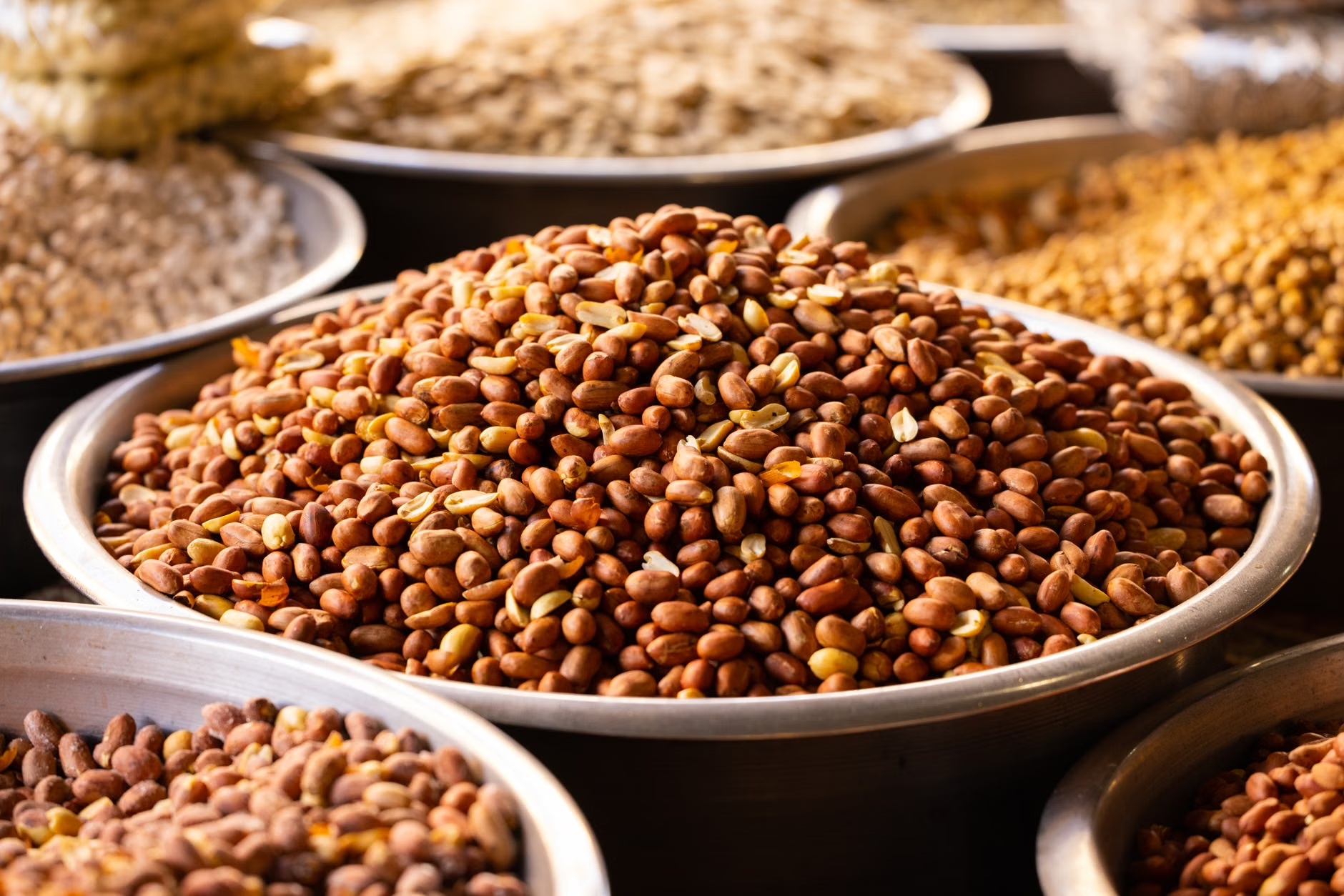
Keep a supply of raw or dry-roasted nuts and seeds in your pantry. A small handful of cashews or sunflower seeds added to your morning oatmeal or yogurt is an effortless way to boost your copper intake. Similarly, canned chickpeas or lentils can be added to soups or salads with zero preparation time.
2. The Role of Variety
Do not rely on a single source of copper. By rotating between legumes, nuts, and occasional dark chocolate, you also gain other beneficial nutrients like fiber, healthy fats, and antioxidants, which work synergistically with copper to support overall health.

When to Consult a Professional
While diet is generally safe, certain health conditions or medications can affect your body’s ability to process minerals. If you have a history of malabsorption syndromes, such as Celiac disease or Crohn’s disease, your ability to absorb nutrients like copper may be compromised. Furthermore, if you are taking medications that interfere with mineral absorption, your physician may need to monitor your levels more closely.
Before your next medical appointment, prepare the following:
- A written list of all supplements and medications you currently take.
- A brief food diary covering 3-4 days to help your doctor assess your typical nutrient intake.
- Specific questions regarding your joint health or skin integrity, as these are the areas most directly linked to connective tissue health.
Synthesizing Lifestyle and Nutrition
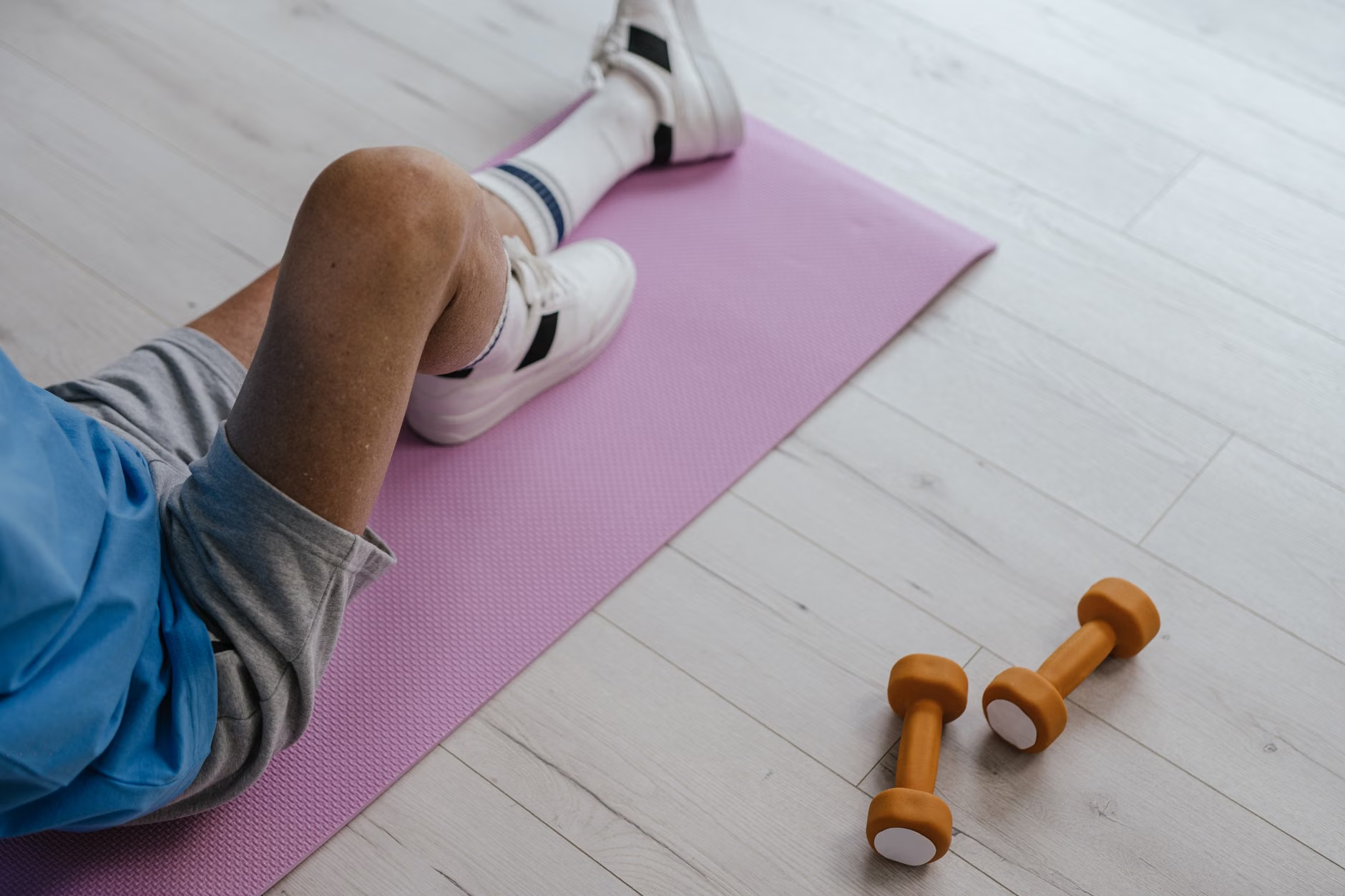
Supporting your connective tissue is not just about one mineral; it is about providing the building blocks for the body’s natural repair processes. Along with adequate copper intake, maintain a routine of low-impact physical activity. Exercises like swimming, walking, or gentle resistance training help stimulate blood flow to the connective tissues, ensuring that the nutrients you consume are effectively delivered to the areas that need them most.
Remember, the goal is to maintain function and comfort. If you experience persistent joint pain, stiffness, or skin issues, view these as signals to seek professional evaluation rather than assuming they are an inevitable part of aging. Proper nutrition, when combined with proactive healthcare, provides the best foundation for a vibrant and active life.
Official Resources for Further Reading
For more information on dietary guidelines and mineral requirements, consult the following authoritative sources:
- National Institutes of Health (NIH) Office of Dietary Supplements: Copper Fact Sheet for Health Professionals
- Dietary Guidelines for Americans (Official Guidance)
Frequently Asked Questions
1. Can I get too much copper from eating a healthy diet?
It is extremely rare to reach toxic levels of copper through a varied, whole-food diet. The body has efficient mechanisms to regulate copper levels. Toxicity is almost exclusively associated with the misuse of concentrated supplements or environmental exposure.
2. Does cooking destroy the copper content in food?
Copper is a mineral, not a vitamin. Minerals are generally heat-stable, meaning that cooking methods like boiling, steaming, or roasting do not significantly reduce the mineral content of foods like lentils, beans, or nuts.
3. Are there specific symptoms of copper deficiency I should look for?
Copper deficiency is rare in developed nations, but its symptoms can be non-specific, including anemia, fatigue, and issues with connective tissue strength. Because these symptoms mirror many other age-related conditions, it is essential to consult a physician for blood tests rather than attempting to self-diagnose through symptom matching.