- Standardization: By 2026, major global cities are adopting unified ‘Quiet Hour’ standards to reduce sensory overload in public transport, libraries, and government offices.
- Practical Impact: These regulations prioritize predictable environments, making it easier for seniors to plan travel and errands during low-stimulation windows.
- Action Required: Check local municipal websites or transit apps for ‘Quiet Zone’ schedules, as compliance and enforcement will vary by jurisdiction.
2026 Global Quiet Hour Standards: How New Noise Regulations Impact Your Daily Life
As of 2026, a significant shift in urban planning and public service management is taking hold across major global metropolitan areas. Following years of research into sensory health and the needs of an aging population, municipal governments are implementing standardized “Quiet Hour” protocols. These are not merely suggestions for courtesy; they are structured, policy-backed windows of time where noise levels in public facilities are strictly controlled to ensure accessibility for all citizens.

For adults aged 60 to 80, this shift represents a move toward more inclusive public spaces. Whether you are navigating a busy transit hub, visiting a government office to manage pension documents, or simply enjoying a local park, understanding these new standards can help you better manage your daily schedule and reduce unnecessary sensory fatigue.
What Are the 2026 Global Quiet Hour Standards?
The “Quiet Hour” initiative is a policy framework designed to minimize auditory and visual clutter in high-traffic public areas. Unlike previous informal arrangements, the 2026 standards require participating facilities to implement specific environmental controls during designated times—typically mid-morning (10:00 AM – 12:00 PM) or mid-afternoon (2:00 PM – 4:00 PM).
What it is: A designated period where public announcements are muted, background music is turned off, and lighting levels are adjusted to be less abrasive. Staff are also trained to speak at lower volumes and prioritize digital communication over loud verbal calls.
Why it matters: Chronic exposure to high-decibel environments can lead to increased stress, difficulty in processing information, and physical fatigue. For many older adults, especially those managing hearing aids or sensory sensitivities, these environments can make essential tasks—like navigating a train station or renewing a permit—physically draining. These standards aim to remove those barriers.
Where You Will See These Changes
The implementation is being rolled out across three primary sectors. Knowing where to expect these quiet periods allows you to tailor your errands for maximum comfort and efficiency.
| Sector | Standard Implementation | Primary Benefit |
|---|---|---|
| Public Transit Hubs | Muted PA systems, reduced visual ads | Easier navigation and less anxiety |
| Government/Pension Offices | Low-volume queuing, quiet waiting areas | Better focus for complex document tasks |
| Public Libraries/Museums | Strict silence zones, dimmed lighting | Enhanced comfort for leisure and research |
How to use this table: If you find yourself feeling overwhelmed by the bustle of city life, prioritize your essential appointments during these “Quiet Hour” windows. For example, if you need to visit a municipal office, check if your local branch participates in the initiative. Many cities now publish these times on their official municipal websites.
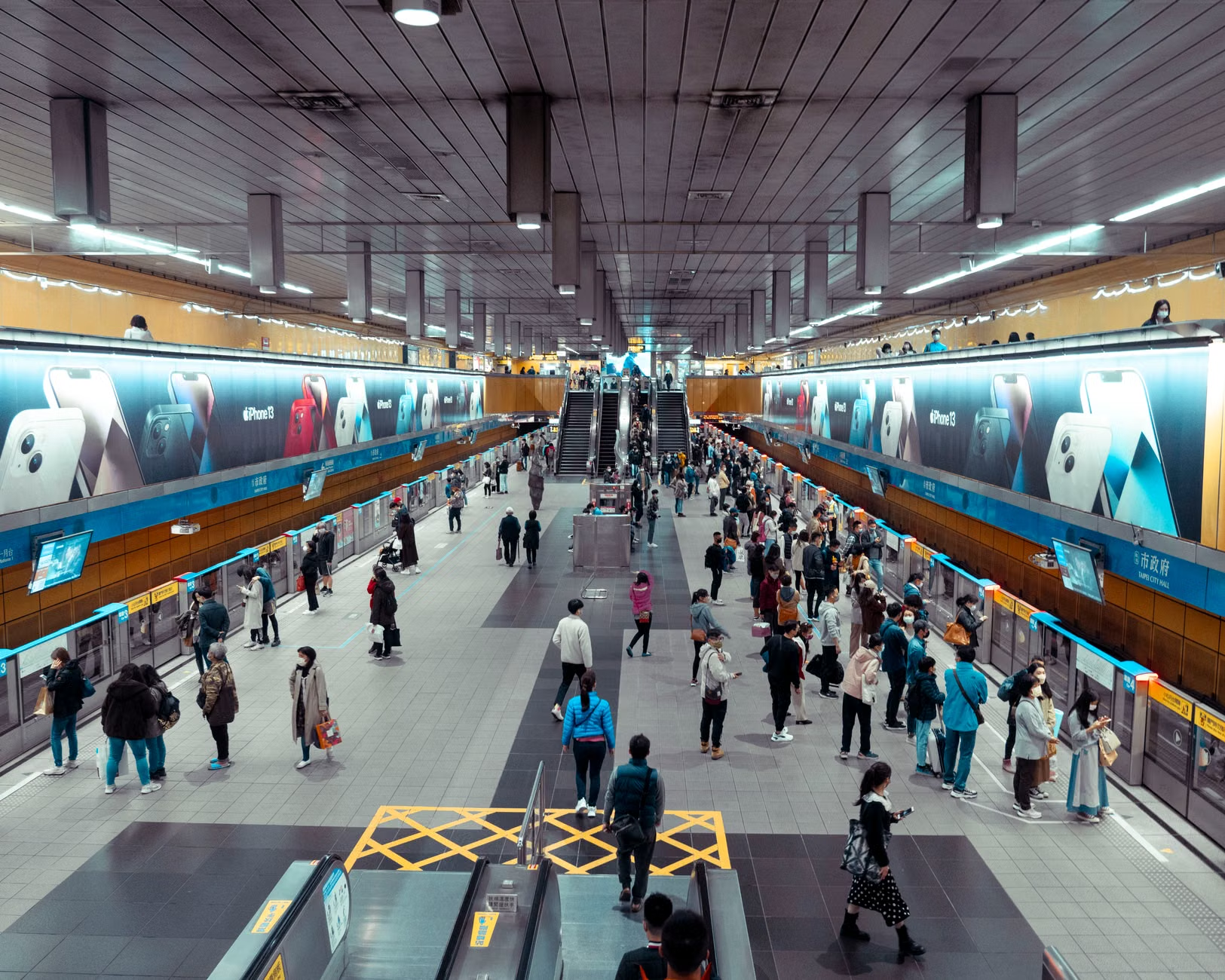
While these standards are designed to make life easier, the transition period in 2026 means that consistency may vary between regions. Here is how you can effectively use these policies to your advantage.
1. Verifying Local Compliance
Do not assume every facility in your city has adopted the same schedule. Use the following checklist before heading out:
- Check the App/Website: Most transport authorities now have an “Accessibility” or “Facilities” tab on their official apps that lists quiet hours.
- Look for Signage: Participating locations are required to post a “Quiet Hour” decal near the main entrance.
- Inquire at the Desk: If you are visiting a government office, feel free to ask, “Are you currently observing quiet hours?” Staff are trained to explain the facility’s policy.
2. Planning Your Travel
If you are planning a trip, look for “Quiet-Certified” transit routes. In many global cities, certain train lines or bus routes are designated as “Low-Sensory Routes” during off-peak hours. These routes are ideal for those who prefer to travel when the environment is more controlled. Always prioritize your stamina over speed; arriving ten minutes later during a quiet period is often less tiring than a stressful, noisy rush-hour commute.
3. Managing Sensory Expectations
Even in a “Quiet Zone,” public spaces are rarely silent. The goal of the 2026 standards is to reduce unnecessary noise—like promotional announcements or loud machinery—rather than eliminating all human activity. If you have specific needs, such as a requirement for a quiet space to discuss sensitive pension data, you are entitled to request a private room or a quieter corner, regardless of the time of day. This is a reasonable accommodation in most modern administrative settings.
The Unexpected Trade-Offs: What to Watch Out For
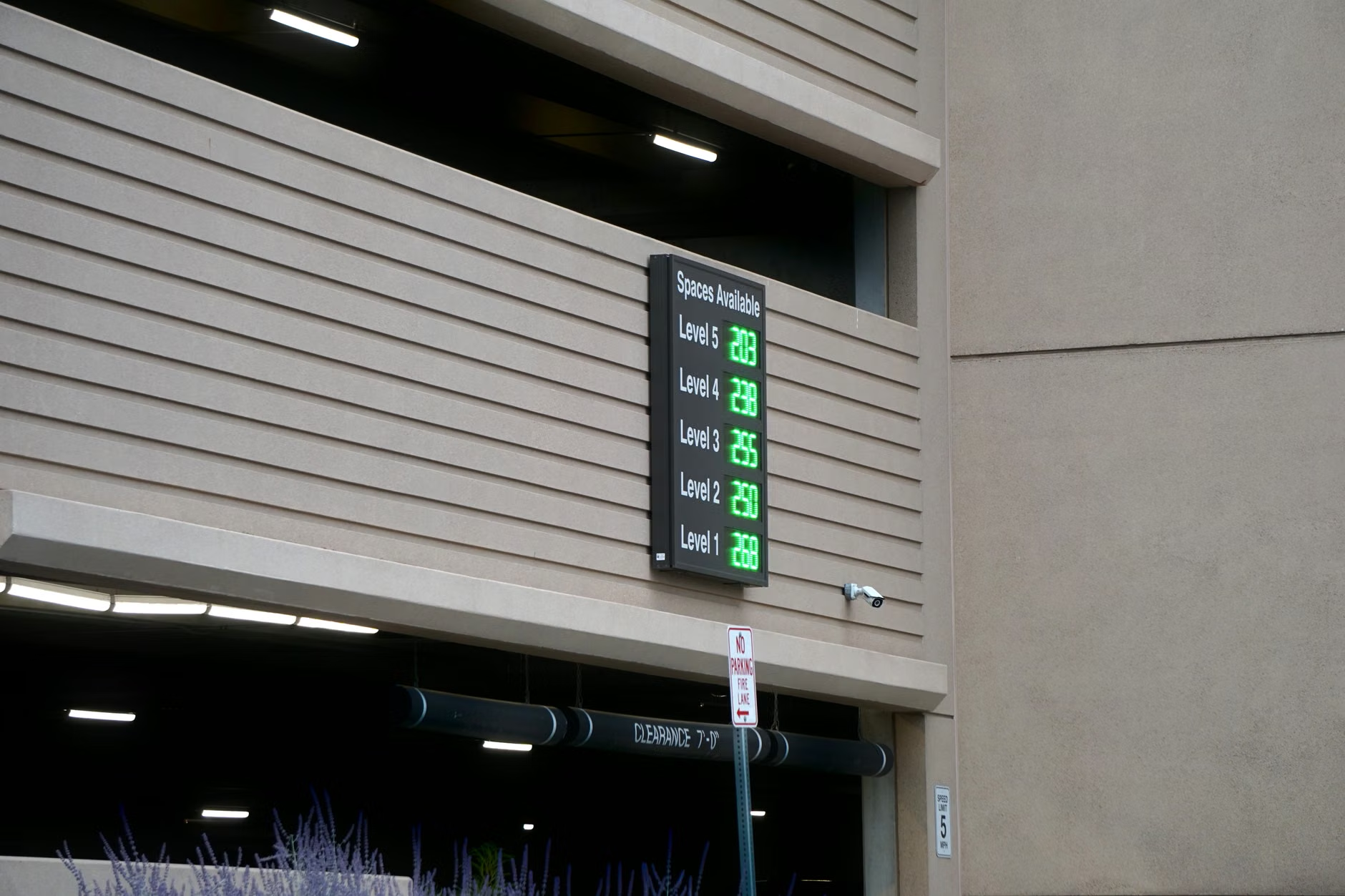
While these initiatives are largely positive, there are minor trade-offs to keep in mind. Because announcements are muted during quiet hours, you must rely more heavily on visual information boards. If you have vision impairments, this may present a challenge. In such cases, ensure you have a companion or use assistive technologies that can read digital signage aloud. Additionally, during quiet hours, some staff may be less available for verbal assistance as they focus on maintaining a low-noise environment. If you need help, approach staff directly and quietly; they are still there to assist you.
Professional Care and Advocacy
If you are a caregiver for an older adult, these standards are a powerful tool for your daily routine. Taking someone with dementia or sensory processing challenges to a public space during a designated quiet hour can significantly improve their experience and reduce behavioral distress. By planning your outings around these windows, you are proactively managing the environment to support their well-being.
If you notice a public space that is consistently failing to uphold these standards, you have the right to file a request for improvement. Most municipalities have a “Citizen Feedback” portal. Reporting an issue—such as a broken visual display or a failure to adhere to the quiet hour policy—helps ensure these services remain effective for everyone in your community.
Conclusion: Making the Shift Work for You
The 2026 global shift toward standardized quiet hours is a fundamental improvement in how we design our public world. By understanding these policies, verifying local schedules, and proactively planning your errands, you can navigate your city with greater comfort and less stress. Remember, these services exist to facilitate your access to the community, not to restrict it. Use them to create a daily routine that supports your health and your independence.
Frequently Asked Questions
- Are these quiet hours mandatory for all private businesses?
No, these standards primarily apply to public sector facilities like government offices, public transit, and municipal libraries. Private businesses may choose to participate, but they are generally not legally mandated to do so. - How do I find out if my local train station participates?
Check the official transit authority website for your region. Look for “Accessibility” or “Passenger Information” sections, where they typically list the hours for their quiet zone initiatives. - What should I do if a public office is noisy during its designated quiet hour?
You are within your rights to politely ask a staff member if they can adjust the volume or assist you in a quieter area. These policies are intended to be enforced, and staff should be prepared to accommodate your request.
For further information on accessibility standards in your specific jurisdiction, please refer to your local government’s official municipal portal or the national department of transportation website.