- Prioritize Accessibility: Always book “Assistance Services” at least 48 hours in advance to receive station-to-platform support.
- Luggage Strategy: Limit yourself to one rolling carry-on and a lightweight personal item to maintain independence and agility.
- Strategic Scheduling: Avoid peak rush hours (7:00–9:00 AM and 5:00–7:00 PM) to minimize stress and ensure easier navigation of station crowds.
International rail travel offers a unique, scenic, and environmentally friendly way to explore the world. However, the sheer scale of major international hubs—such as London St. Pancras, Paris Gare du Nord, or Tokyo Station—can be overwhelming. For travellers aged 60 to 80, the secret to a stress-free journey lies not in rushing, but in precision planning and leveraging the infrastructure designed to support mobility.
Understanding the Infrastructure: What to Expect in Major Hubs
Large rail hubs are essentially small cities. Understanding their layout is the first step in maintaining control over your transit experience. Most major international stations are divided into zones: the main concourse (where shops and departures are located), the platform area (which often requires a ticket for entry), and the transition zones (connecting platforms to the street or local transit).
The “Distance Variable”: In many older European stations, platforms can be a significant walk from the main entrance. You might encounter long, polished corridors or ramps that look short but are deceptively steep. When planning your arrival time, add 30 minutes to whatever the operator recommends. This “buffer time” allows for unexpected lift queues or the need to locate specific signage without feeling the pressure of a departing train.
Accessibility Features: Modern stations are increasingly equipped with “Step-Free Access” routes. Always look for the wheelchair icon or elevator symbols on station maps. Note that in some historic stations, the “shortest” route may involve stairs, while the “accessible” route may require a detour through a different concourse. Familiarize yourself with the station map online before you leave your hotel.
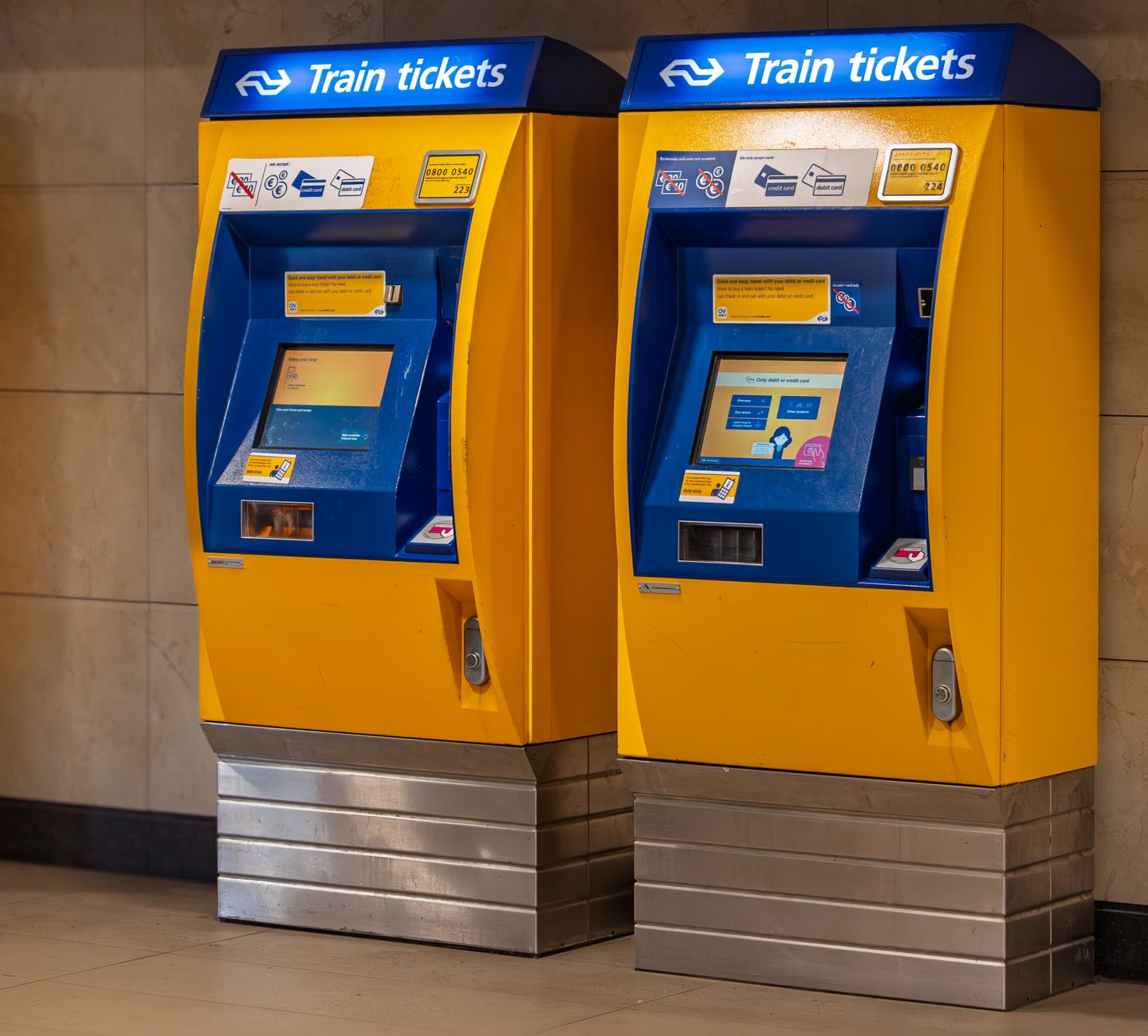
The Art of Luggage Management
The most common cause of fatigue and mobility issues for seniors in transit is, invariably, excessive luggage. The “one-bag rule” is a professional traveller’s secret that is particularly relevant for those wanting to maintain agility.
- The Suitcase Choice: Opt for a four-wheeled (spinner) suitcase. Unlike two-wheeled bags that require you to pull weight, a spinner moves alongside you with minimal effort, putting less strain on your wrists and shoulders.
- The Weight Ceiling: If you cannot lift your suitcase into an overhead rack or onto a luggage shelf without assistance, it is too heavy. Aim for a maximum weight of 10–12 kilograms.
- The “Grab-and-Go” Personal Item: Keep your passport, tickets, medications, and reading glasses in a small cross-body bag or a front-facing daypack. This ensures that you never have to open your main suitcase in a crowded station to find essential items.
If you find yourself with heavy luggage, do not hesitate to use porter services or station trolleys. In many countries, such as Japan or Germany, station luggage lockers are abundant. Using these to store your bags for a few hours allows you to explore the station area with total freedom of movement.
Booking Assistance: A Right, Not a Favor
Many travellers assume that “Assistance Services” are only for those with severe physical disabilities. This is a misunderstanding. Most national rail operators offer assistance to anyone who feels they need extra time or help navigating the station, including seniors who may have reduced stamina.
How to secure assistance:
| Service Type | How to Request | Lead Time |
|---|---|---|
| Station-to-Platform | Operator Website/App | 48 Hours |
| Wheelchair Provision | Telephone/Email | 48–72 Hours |
| Platform Meeting Point | Station Information Desk | Upon Arrival (if available) |
When you book assistance, you are assigned a staff member who will meet you at a designated point—usually the station entrance or an information desk—and escort you directly to your carriage. This removes the anxiety of navigating platform changes, which can be frequent and sudden in busy hubs.

Platform changes are the “hidden obstacle” of rail travel. Even when a platform is listed on your ticket, it can change due to mechanical issues, late-running trains, or congestion.
The Strategy for Platform Changes:
- Monitor the Departure Boards: Do not rely solely on the first board you see. Check the boards at your gate or waiting area every 15 minutes.
- Listen to Announcements: If you are in a foreign country, ensure you are familiar with the English-language announcements. If you are unsure, approach a staff member immediately.
- Use Digital Tools: Official apps for rail operators (such as SNCF in France, DB in Germany, or JR in Japan) provide real-time updates. If a platform changes, the app will often notify you faster than the physical boards.
Common Mistake: Many travellers stand directly in front of the main departure board, causing congestion and becoming overwhelmed by the crowd. Instead, find a quiet area nearby to wait, and check the board periodically. This reduces sensory overload and keeps you away from the “rush-hour crush.”
Physical Stamina and On-Board Comfort
Rail travel is generally more comfortable than flying, but it still requires stamina. Maintaining your physical wellbeing during a long journey is about managing your environment.
Hydration and Nutrition: Station food can be expensive and often high in sodium. Pack your own hydration and light snacks. Avoid heavy meals before a long transit, as sitting for extended periods can lead to mild digestive discomfort or swelling in the legs.
The “Movement” Rule: Even if you have a comfortable seat, stand up and walk the length of the carriage every hour. This encourages circulation and prevents muscle stiffness. If you are travelling on a high-speed train, be aware that the movement of the train can be jerky; always keep one hand on a seat back or handrail when walking to the buffet car or the restroom.
Temperature Control: Train carriages can fluctuate between being overly air-conditioned and quite warm. Dress in layers. A light pashmina or cardigan is essential, as is a pair of comfortable, slip-on shoes that you can easily remove if your feet swell during the journey.
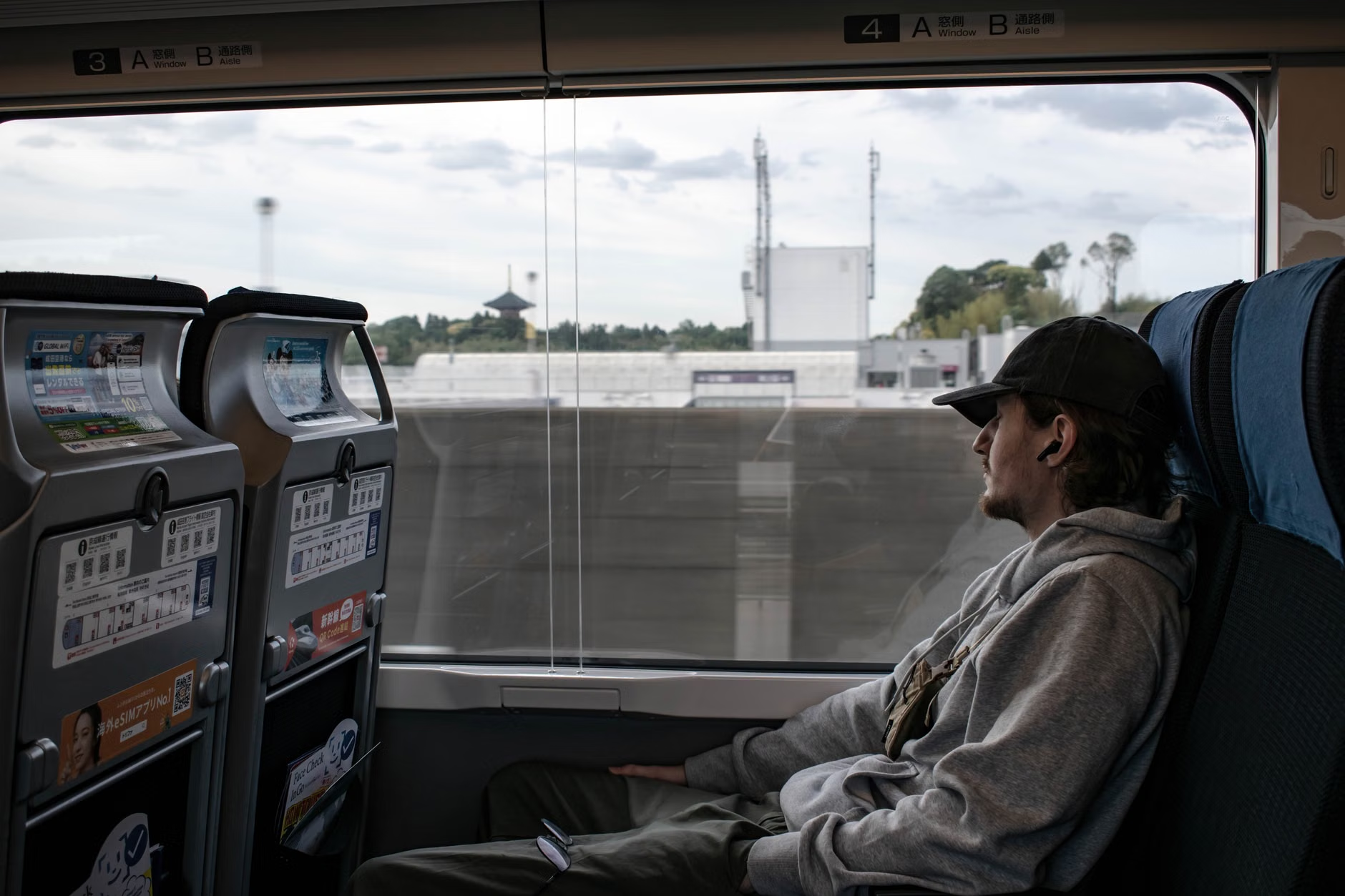
Safety and Security in Busy Hubs
Busy train stations are magnets for pickpockets and scammers, who often target travellers who look distracted or burdened by luggage. Your primary defense is situational awareness.
Tactics for Personal Security:
- Secure Your Valuables: Keep your wallet, phone, and passport in an internal pocket or a secure belt bag worn under your jacket. Never leave your luggage unattended, even for a moment, to buy a coffee or use the restroom.
- The “Helpful Stranger” Caution: While most fellow travellers are kind, be wary of individuals who approach you offering to “help” with your luggage or “guide” you to your train, especially if they are not in official railway uniform. Always look for staff in branded vests or uniforms.
- Digital Security: Avoid using public Wi-Fi in stations for banking or accessing sensitive personal information. If you need to check your bank balance or ticket details, use your mobile data.
Insights for a Better Experience
One often overlooked variable is the “Platform Gap.” In many older stations, there is a significant vertical and horizontal gap between the platform edge and the train door. If you have any concerns about balance, ask the conductor or station staff to deploy a bridge plate (a portable ramp). This is a standard procedure and is there specifically to ensure the safety of all passengers.
Another insight: If you are travelling during a holiday period, the station will be significantly more chaotic. In these instances, consider booking a “Lounge Access” ticket. Many major European stations offer quiet lounges for first-class or premium ticket holders. These lounges provide comfortable seating, private restrooms, and a quiet environment away from the noise of the main concourse. The extra cost is often a small price to pay for the reduction in stress.
Conclusion
Navigating international rail hubs is entirely manageable when you approach it as a series of small, planned steps rather than a single, daunting event. By prioritizing assistance services, limiting your luggage, and maintaining your situational awareness, you transform the station from a source of stress into a seamless part of your journey. Remember that your comfort is a priority; never hesitate to ask for help, take your time, and enjoy the transition between the vibrant destinations you are exploring.
Frequently Asked Questions
Q: How do I know if a station is accessible before I arrive?
A: Most national rail websites have a dedicated “Accessibility” or “Station Information” page. You can search for your specific station to see if it features lifts, escalators, and step-free access. If in doubt, contact the operator’s customer service line via email.
Q: Is it better to book an earlier or later train?
A: For seniors, mid-morning trains (after 10:00 AM) are generally the best choice. You avoid the morning commuter rush, and you have more time to travel to the station without feeling pressured by the early start.
Q: What should I do if I miss my train due to station confusion?
A: Remain calm and head immediately to the customer service or “Ticket Assistance” desk. Many tickets have flexibility, or staff can help you rebook on the next available service. Having your digital booking reference handy makes this process much faster.
For further information on specific country rail networks, you can consult official resources such as Eurail for general European travel or the specific national operator’s website, such as Deutsche Bahn or SNCF.