- Verify Real-Time Accessibility: Rural terminals often lack digital updates; always call the operator 24 hours in advance to confirm ramp functionality and tide-related boarding height.
- Prioritize “Shoulder” Travel Times: Travel during mid-week or mid-day to avoid peak crowds, ensuring you have the time and space to navigate boarding ramps without feeling rushed.
- Master the “Stamina Budget”: Treat your daily energy as a finite resource; prioritize terminal-to-ship distances and plan for rest periods before and after the ferry crossing.
For many travelers aged 60 and older, the allure of a coastal ferry journey lies in the tranquility of the sea and the charm of remote island or peninsular destinations. However, unlike large international airports or urban train stations, rural coastal ferry terminals often operate with minimal infrastructure. Navigating these spaces requires a proactive approach to planning, mobility, and safety.
This guide provides a comprehensive framework for managing the logistical challenges of rural ferry travel, ensuring your journey remains enjoyable rather than exhausting.
Understanding the Infrastructure Gap in Rural Terminals
The primary challenge in rural coastal travel is the discrepancy between modern vessel design and older, legacy terminal infrastructure. While a ferry might be brand new and equipped with elevators, the pier or the gangway connecting it to the shore may be steep, uneven, or prone to tidal fluctuations.
What it is: A “rural terminal” often refers to a site managed by a local municipality or a small private operator with limited staffing. Unlike major hubs, these locations may not have dedicated passenger assistance teams on standby.
Why it matters: If you rely on mobility aids or have concerns about stamina, an unexpected steep ramp at low tide can transform a simple boarding process into a significant physical barrier. Understanding that the “last mile” of your journey is often the least regulated is the first step toward a successful trip.
Assessing Your Personal Stamina Budget
Before booking, evaluate your “stamina budget.” This is not a measure of your capability, but a realistic assessment of how much energy you wish to expend on logistics versus leisure. A terminal that requires a 500-meter walk from the parking lot to the boarding gate is standard in many rural areas. If that walk involves carrying luggage, it consumes energy you might otherwise spend exploring your destination.
| Factor | Low Impact Strategy | High Impact Consideration |
|---|---|---|
| Luggage | Use lightweight 4-wheeled carry-ons. | Avoid heavy, non-rolling bags entirely. |
| Boarding | Board early for stable, level ramps. | Ask if “priority boarding” for mobility is available. |
| Timing | Travel during slack tide (mid-tide). | Avoid low tide if ramps are steep. |
The table above suggests that the most effective way to manage stamina is to reduce the variables you can control—luggage weight and timing—rather than attempting to “push through” physical challenges.
Pre-Trip Verification: The 24-Hour Rule
Digital information is rarely updated in real-time for small, rural ferry terminals. A website might state that a terminal is “accessible,” but this can mean different things depending on the ship and the tide. The most effective strategy is the 24-hour verification call.
Steps for Effective Communication
When calling the ferry operator, do not ask, “Is the terminal accessible?” This is a subjective question that may result in a generic “yes.” Instead, ask specific, concrete questions:
- “What is the current gradient of the gangway at low tide?”
- “Are there seating areas available at the boarding gate while waiting for the ship?”
- “Is there a dedicated drop-off point for passengers with limited mobility directly at the pier entrance?”
- “If I require assistance, what is the protocol for requesting it upon arrival?”
By asking these questions, you force the operator to consider the specific logistical realities of their terminal. If they cannot answer, it is a sign that you should allow extra time (at least 45 minutes) for your arrival to navigate the space at your own pace.
Arrival at a rural terminal should be treated as a two-phase process: the “Approach” and the “Transit.”
The Approach: Minimizing Distance
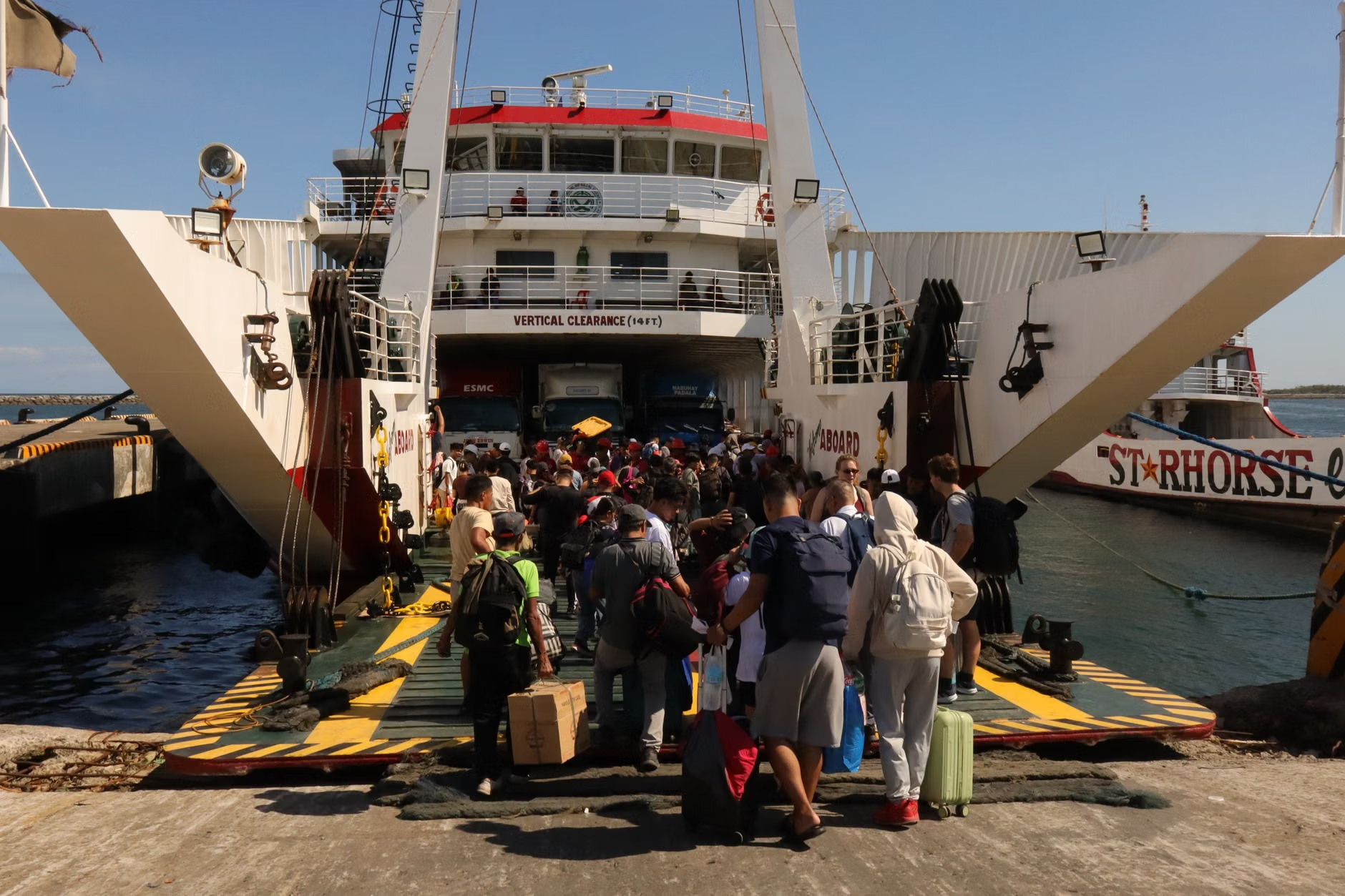
Many rural terminals utilize remote parking lots to maximize space near the water. If you are driving, do not assume you can park at the water’s edge. Research the parking layout via satellite maps (like Google Maps or Bing Maps) before you leave. If the parking is distant, consider using a taxi or a local shuttle service to get dropped off exactly at the terminal entrance.
The Transit: Negotiating the Pier
Piers are often constructed of wood or metal and can be slippery, especially in coastal climates. If you use a cane or walking aid, ensure it has a rubber ferrule (tip) for better traction. If you encounter a steep ramp, do not hesitate to ask a staff member for assistance. This is not a sign of dependency; it is a standard request for safety that maritime staff are trained to handle.

Essential Safety and Health Considerations
Coastal environments present unique health considerations, particularly regarding temperature regulation and hydration. The wind-chill factor on a ferry deck can be significantly colder than on the shore, even on a sunny day.
Managing the Coastal Climate
Layering is the most effective way to manage temperature. A lightweight, windproof outer shell is more valuable than a heavy coat, as it protects against the biting sea breeze without restricting your movement. If you are prone to motion sickness, position yourself in the center of the ship, where the vertical movement is minimized, and keep your gaze on the horizon rather than the movement of the water.
Medication and Documentation
Always carry a “travel health summary” in your carry-on. This should not be your full medical record, but a one-page document listing your current medications, any allergies, and an emergency contact. In a rural area, if an incident occurs, this information is vital for local emergency responders who may not have access to your digital health records.
The Importance of “Shoulder Time”
In the context of travel, “shoulder time” is the buffer you build into your schedule to account for the unpredictable nature of rural transport. A common mistake is planning a tight connection between a bus, a ferry, and a final destination. If the ferry is delayed by a tide change or a mechanical issue, your entire day can collapse.
Practical Decision Rule: Always aim to arrive at the terminal 60 minutes before departure. This is not because you need to check in that early, but because it provides you with a “recovery window.” If you encounter a mobility challenge, an unexpected stair, or a long walk, you have the time to resolve it without the stress of missing your boat.
Advanced Planning: Beyond the Basics
For those who travel frequently, consider investing in a portable, lightweight travel seat. Some rural ferry waiting areas lack adequate seating, and standing for 30 minutes while waiting for a delayed vessel can significantly impact your stamina. A folding, cane-seat combination provides an immediate, portable solution to this common inconvenience.
Evaluating Alternative Transport
If the ferry terminal’s accessibility is poor, investigate whether there is a local water taxi service. While often more expensive, water taxis frequently use smaller, more flexible docking points that may be closer to the town center or your accommodation. The trade-off is higher cost for significantly lower physical effort.
Conclusion
Navigating rural coastal ferry terminals is an exercise in preparation and realistic expectation-setting. By prioritizing your stamina, verifying terminal conditions in advance, and building generous “shoulder time” into your schedule, you can maintain your independence and enjoy the unique beauty of coastal travel. The goal is not to avoid the challenges of these remote locations, but to manage them with the wisdom and foresight that comes with experience.
Always remember that the staff at these terminals are there to assist you. A polite, direct request for help is the most effective tool in your travel kit. Safe travels, and enjoy the journey as much as the destination.
Frequently Asked Questions
1. How can I find out if a specific ferry terminal has elevators or ramps?
Most ferry operator websites have an “Accessibility” or “Facilities” page. If the information is missing, use the official contact number to speak with a terminal manager. Do not rely on third-party travel blogs, as infrastructure can change due to maintenance or weather damage.
2. What should I do if I find the gangway too steep upon arrival?
Stop immediately and alert the nearest crew member. Maritime safety regulations require operators to provide assistance to passengers with mobility needs. They may have a secondary boarding method, such as a side-loading door, or they may be able to provide a manual assist to ensure your safety.
3. Is there a way to avoid the crowds during boarding?
Most ferry lines allow passengers with mobility needs or those traveling with small children to board first. Mention your need for extra time or assistance at the ticket window or the boarding gate check-in point. This allows you to settle into your seat before the main rush of passengers arrives.
For further information on maritime safety and passenger rights, you may consult your local transport authority’s website, such as the International Maritime Organization (IMO) for global standards or your national Department of Transport for specific domestic regulations.