- Audit Before You Arrive: Always verify trail surface materials and incline percentages on official park websites before planning your visit.
- Manage Your Energy: Use the “Rule of Thirds”—allocate one-third of your stamina for the approach, one-third for the destination, and one-third for the return journey.
- Equip for Stability: Invest in adjustable trekking poles and footwear with high-traction outsoles to mitigate risks on uneven coastal terrain.
Accessible Coastal Nature Trails: A Practical Guide for Senior Travelers
Coastal nature trails offer some of the most rewarding experiences for travelers aged 60 to 80, providing fresh air, panoramic vistas, and the mental health benefits of being near the ocean. However, the intersection of rugged coastal topography and accessibility requirements necessitates careful planning. This guide provides a systematic approach to identifying, evaluating, and safely navigating coastal trails, ensuring that your travel remains enjoyable and physically sustainable.
Understanding Trail Accessibility: Beyond the “Easy” Label
The term “accessible” is often used loosely in tourism marketing. For a senior traveler, a trail labeled “easy” might still contain hazards such as loose sand, steep inclines, or narrow passages that do not accommodate mobility aids. To make an informed decision, you must look for specific technical indicators.
Decoding Trail Surface and Topography
When researching a destination, look for the following surface classifications. Not all “nature trails” are created equal:
- Hard-Packed or Paved Surfaces: These are the gold standard for accessibility. Concrete, asphalt, or stabilized crushed stone paths offer a predictable gait, reducing the risk of tripping.
- Boardwalks: Common in coastal regions, these are excellent for stability but can become extremely slippery when wet or covered in sand. Check if the boardwalk has anti-slip grip tape or mesh.
- Natural Earth or Sand: These surfaces are often unstable. Sand, in particular, requires significantly more energy to walk on and can be difficult for those using canes or walkers.
Decision Rule: If a trail description does not explicitly state the surface material or the maximum incline (gradient), contact the park office or local tourism board directly. Ask: “Is this trail suitable for a person using a cane or a folding walker?” rather than asking if it is “senior-friendly.”
The “Rule of Thirds” for Coastal Stamina
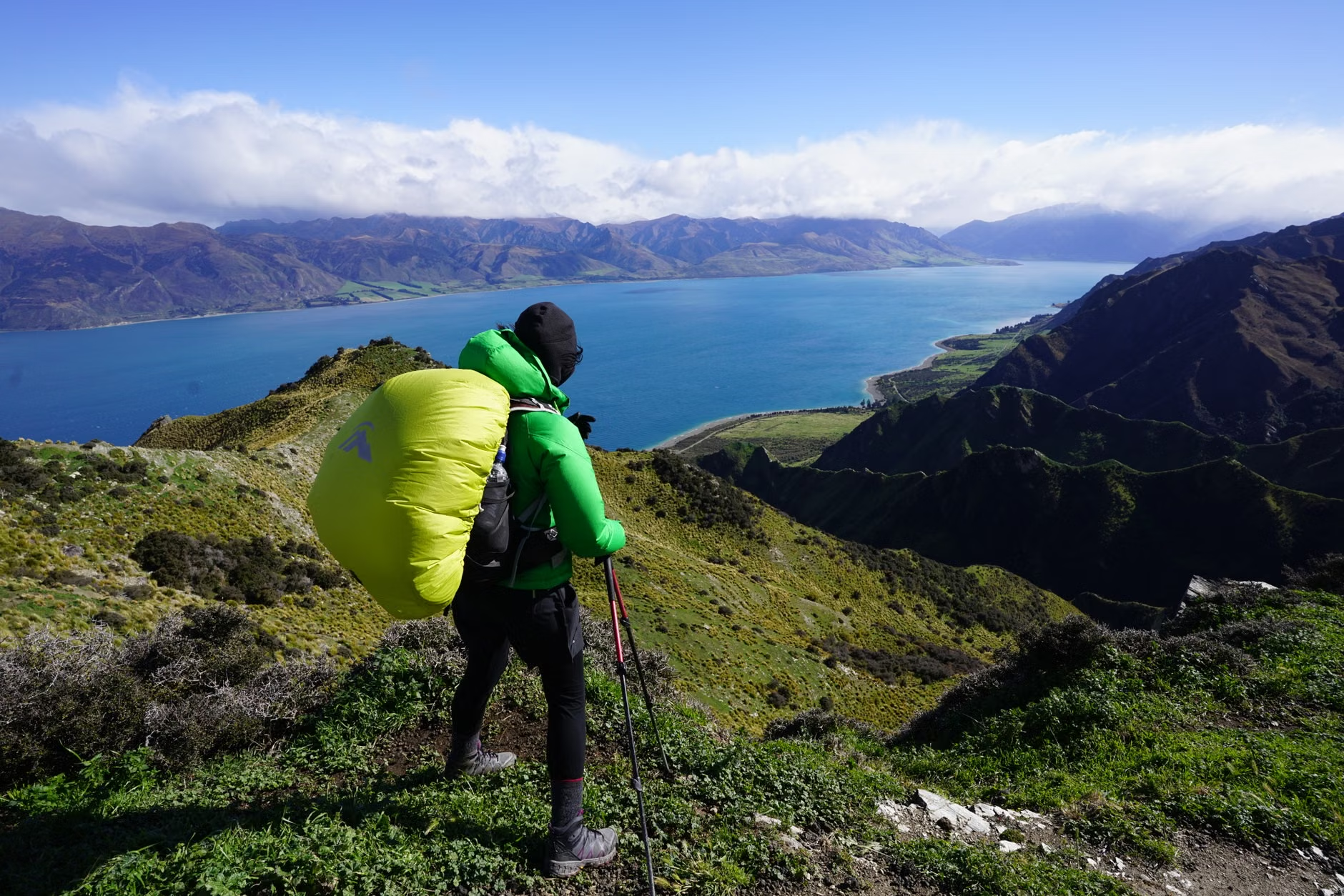
Coastal environments present unique challenges, such as unexpected wind resistance, high humidity, and lack of shade. Maintaining your stamina requires a structured approach to movement.
| Phase | Stamina Allocation | Actionable Strategy |
|---|---|---|
| Approach | 33% | Start slow; allow your heart rate to reach a steady, comfortable pace. |
| Destination | 33% | This is your time to rest, hydrate, and enjoy the view. Do not rush. |
| Return | 33% | Reserve this energy for the walk back, which is often when fatigue sets in. |
Why does this matter? Many travelers make the mistake of using 50% or more of their energy to reach a lookout point, only to realize that the return journey—often uphill or against the wind—is more taxing than expected. Always plan for the return trip to be your most challenging segment.
Essential Gear and Preparation for Coastal Safety
Coastal weather is notoriously fickle. Even on a clear day, the temperature can drop rapidly, or a sea breeze can turn into a gusty wind. Proper gear is not just about comfort; it is about mobility safety.
Footwear and Stability Aids
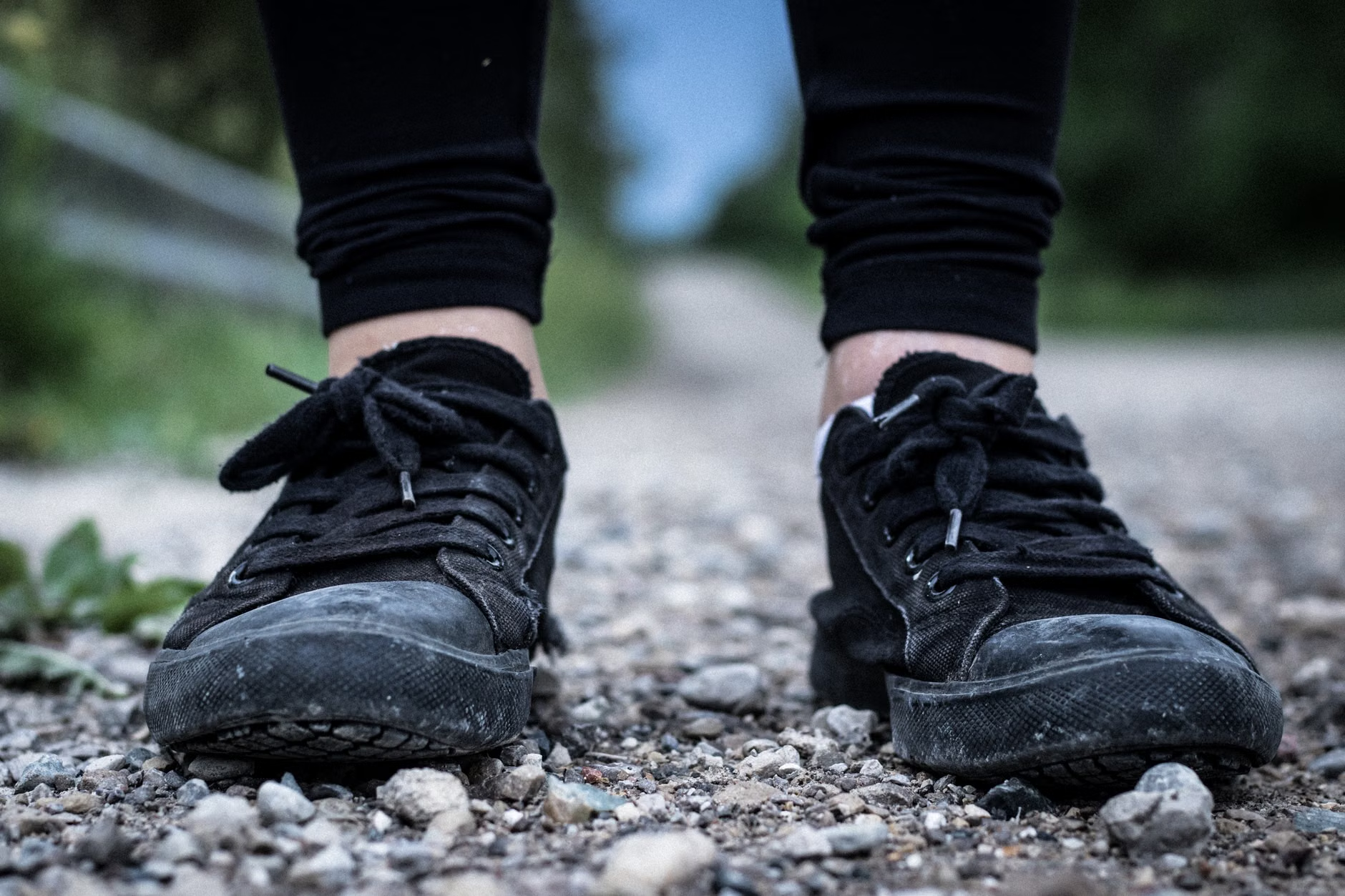
Your connection to the ground is your primary defense against falls. Choose footwear with a “lug” pattern on the sole, which provides grip on various surfaces. Avoid flat-bottomed sneakers, which can slip on sandy or wet wooden surfaces.
If you have any concerns about balance, carry adjustable-length trekking poles. Unlike a standard cane, trekking poles provide two points of contact, which significantly improves weight distribution. When walking on sand, use “baskets” (the small plastic circles at the base of the pole) to prevent the tip from sinking too deep.
Public services vary significantly by jurisdiction. In many parts of Europe, the International Trail Classification System is used, but in North America, you may rely on the Americans with Disabilities Act (ADA) guidelines for federal lands.
How to Verify Accessibility
- Official Government Portals: Use resources like the U.S. National Park Service or the National Trust (UK). These sites often have specific “Accessibility” tabs that detail parking proximity, restroom availability, and trail widths.
- Google Maps Satellite View: Before you leave, use satellite view to look at the trail path. You can often spot if a path is wide and paved or narrow and overgrown.
- Local Visitor Centers: Call the visitor center within 24 hours of your planned visit. Ask about recent weather impacts, as coastal storms can wash out trails or deposit debris that may not be updated on digital maps.
Health and Environmental Considerations
Being near the ocean often means high UV exposure and fluctuating humidity. For older adults, thermoregulation—the body’s ability to maintain a stable internal temperature—can be less efficient.
Hydration and Heat Management
Do not wait until you are thirsty to drink water. The salt air can accelerate dehydration. Aim to sip water every 20 minutes, even if you do not feel thirsty. If you are traveling in a humid climate, wear moisture-wicking fabrics rather than cotton, as cotton traps sweat and can cause chilling when the wind picks up.
Warning Signs to Stop
If you experience any of the following, discontinue the walk immediately and seek a rest area:
- Increased shortness of breath that does not subside with a 2-minute rest.
- Dizziness or lightheadedness, which could indicate dehydration or blood pressure fluctuations.
- Sharp pain in joints that is not related to normal muscle fatigue.
The Psychological Benefits of Coastal Nature
Beyond the physical activity, coastal nature trails provide significant cognitive restoration. Research suggests that “blue space”—areas near water—can lower cortisol levels and improve mood. For the 60-80 age demographic, these walks are not just exercise; they are a vital component of mental health maintenance. By choosing trails that match your comfort level, you avoid the anxiety of potential falls, allowing you to fully engage with the environment.
Planning Your Itinerary: A Sample Framework
To ensure a successful trip, structure your day to minimize stress. A typical day should look like this:
- Morning (10:00 AM): Arrive at the trailhead when temperatures are mild and crowds are thinner.
- Midday (12:00 PM): Picnic lunch in a shaded, designated area. Use this time to re-evaluate your energy levels.
- Afternoon (2:00 PM): If energy remains, take a short, flat loop. If you are tired, head to a nearby accessible beach lookout point where you can sit and enjoy the view without further exertion.
Common Mistakes to Avoid
One of the most frequent errors is overestimating the speed at which one can cover distance. A common mistake is to try to “keep up” with younger family members. Always set your own pace. If you are traveling with a group, encourage them to walk ahead and meet you at a pre-designated landmark. This removes the pressure to maintain an uncomfortable speed.
Conclusion: Empowerment Through Preparation
Coastal nature trails are accessible to those who plan with precision. By prioritizing surface quality, managing your stamina, and utilizing the right gear, you can safely enjoy the beauty of the coast. Remember that the goal is not to conquer the longest trail, but to enjoy the most meaningful walk. With the right preparation, every outing becomes an opportunity to explore, recharge, and remain active.
Frequently Asked Questions
1. How do I know if a trail is truly “wheelchair accessible” if I am using a walker?
While “wheelchair accessible” usually implies a paved or hard-packed surface, it does not always account for the width of the path or the presence of steep grades. Always check the specific grade (incline) percentage. A trail with an incline greater than 5% can be very difficult for a walker user, even if it is paved.
2. Should I carry a mobile phone on remote coastal trails?
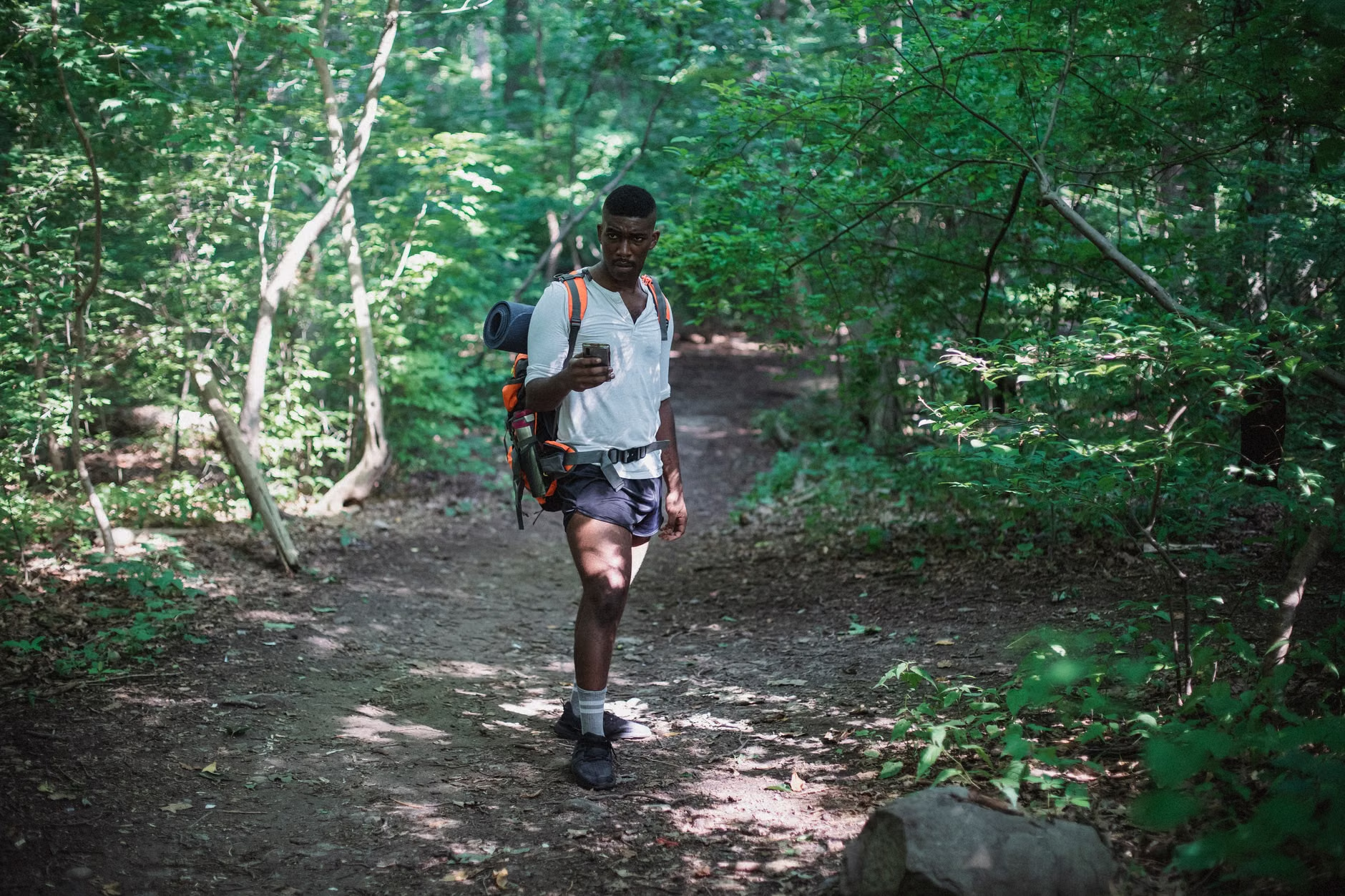
Yes, absolutely. However, do not rely on it for GPS navigation alone, as coastal areas often have poor cellular reception. Download offline maps (such as those available in Google Maps) before you leave your accommodation. Additionally, inform someone of your planned route and expected return time.
3. What should I do if I get lost or feel overwhelmed on a trail?
Stop immediately and find a place to sit. Do not attempt to “push through” to find the end of the trail if you feel disoriented. If you have a phone, use it to pin your location. If you are on a well-marked trail, stay on the path rather than taking shortcuts, as shortcuts are often where terrain becomes dangerous or unstable.