- Prioritize “Flat-Access” geography: Historic plazas often feature cobblestones that challenge stability; prioritize cafes with direct, level access from main thoroughfares.
- Evaluate furniture ergonomics: Avoid cafes with high stools or backless benches; look for chairs with armrests to ensure safe sitting and standing.
- Verify facility proximity: Always check if the cafe has an internal, accessible restroom, as public facilities in historic districts are frequently located down steep stairs or long distances away.
For many travellers aged 60 to 80, the quintessential joy of visiting a historic city lies in the “plaza experience”—sitting at an outdoor cafe, sipping a beverage, and observing the rhythm of local life. However, historic districts present unique challenges regarding mobility, comfort, and safety. Selecting the right cafe is not merely a matter of taste; it is a strategic decision that affects your stamina and overall enjoyment of the day.
Understanding the Geography of Historic Plazas
Historic plazas were designed centuries ago, long before the implementation of modern accessibility standards like the Americans with Disabilities Act (ADA) in the U.S. or the European Accessibility Act. While these regulations influence modern buildings, they often struggle to reconcile with the heritage preservation laws protecting historic city centers.
The most common obstacle is the “cobblestone effect.” Uneven, historic paving stones can create significant trip hazards and increase the risk of fatigue for those with joint or balance concerns. When selecting a cafe, do not just look at the menu; look at the ground. Prioritize cafes located on the perimeter of the plaza where the city has often laid smoother, flatter stone or asphalt paths to accommodate modern foot traffic.
Assessing Entryway Transitions
Many historic buildings feature a “step-up” entry, which can be difficult for those using canes, walkers, or those who simply struggle with balance. When scouting a location, perform a “three-second scan”:
- Is there a threshold height of more than two centimeters (about an inch)?
- Is the entrance wide enough to navigate comfortably without maneuvering at a sharp angle?
- Is the transition from the plaza floor to the cafe floor marked by a contrasting color, which helps with depth perception?
If you have mobility aids, look for cafes that provide “sidewalk service” where the table is placed directly on a level surface, effectively bringing the cafe to you rather than requiring you to navigate an architectural barrier.
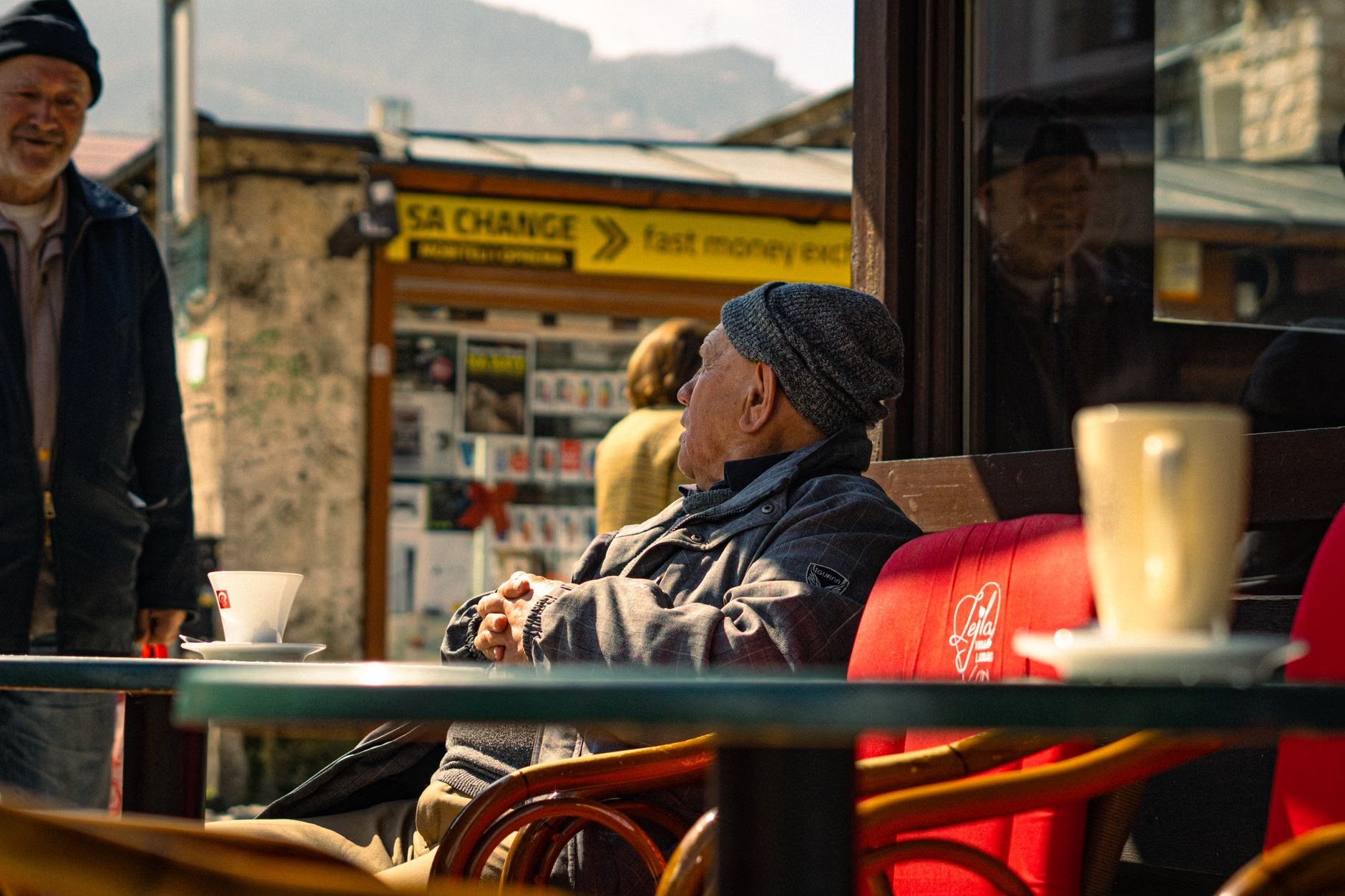
The Ergonomics of Seating: Why Chairs Matter
Not all cafe seating is created equal. In historic districts, space is often at a premium, leading many establishments to use small, lightweight, or high-top furniture. For an older adult, these choices can be physically demanding.
The “Armrest Rule” is your best guide. Always seek out chairs with armrests. Armrests provide two critical functions: they offer support when you are sitting down, reducing the strain on your knees, and they provide a stable surface to push off from when standing up. Avoid stools, benches without backs, or chairs with angled, unstable legs. If a cafe is perfect in every way but lacks supportive seating, check if they have a “reserved” or indoor section with sturdier, high-backed chairs.
| Seating Type | Suitability for Seniors | Key Consideration |
|---|---|---|
| High Stools | Low | High risk of falls; difficult to mount/dismount. |
| Backless Benches | Moderate | Provides no back support; causes rapid spinal fatigue. |
| Armchair with Back | High | Optimal for stability and energy conservation. |
| Wobbly Metal/Plastic | Low | Often unstable on uneven plaza ground. |
The table above illustrates why choosing the right chair is a matter of safety. If you are travelling with a companion, consider asking the staff to move a more stable chair from inside the cafe to the outdoor area. Most staff are accommodating if the request is framed as a matter of comfort and stability.
The Hidden Necessity: Restroom Logistics
One of the most overlooked variables in travel planning is the “Restroom-to-Cafe Ratio.” In many historic European or South American city centers, cafes are housed in ancient buildings where the only restroom is located in a basement or up a narrow, winding staircase.
Before you commit to a table, ask the staff: “Is the restroom on the ground floor?” This is a perfectly acceptable and common question. If they indicate the facilities are inaccessible, it is often better to move on to another establishment. Never assume that a “historic” cafe has been retrofitted with accessible facilities.
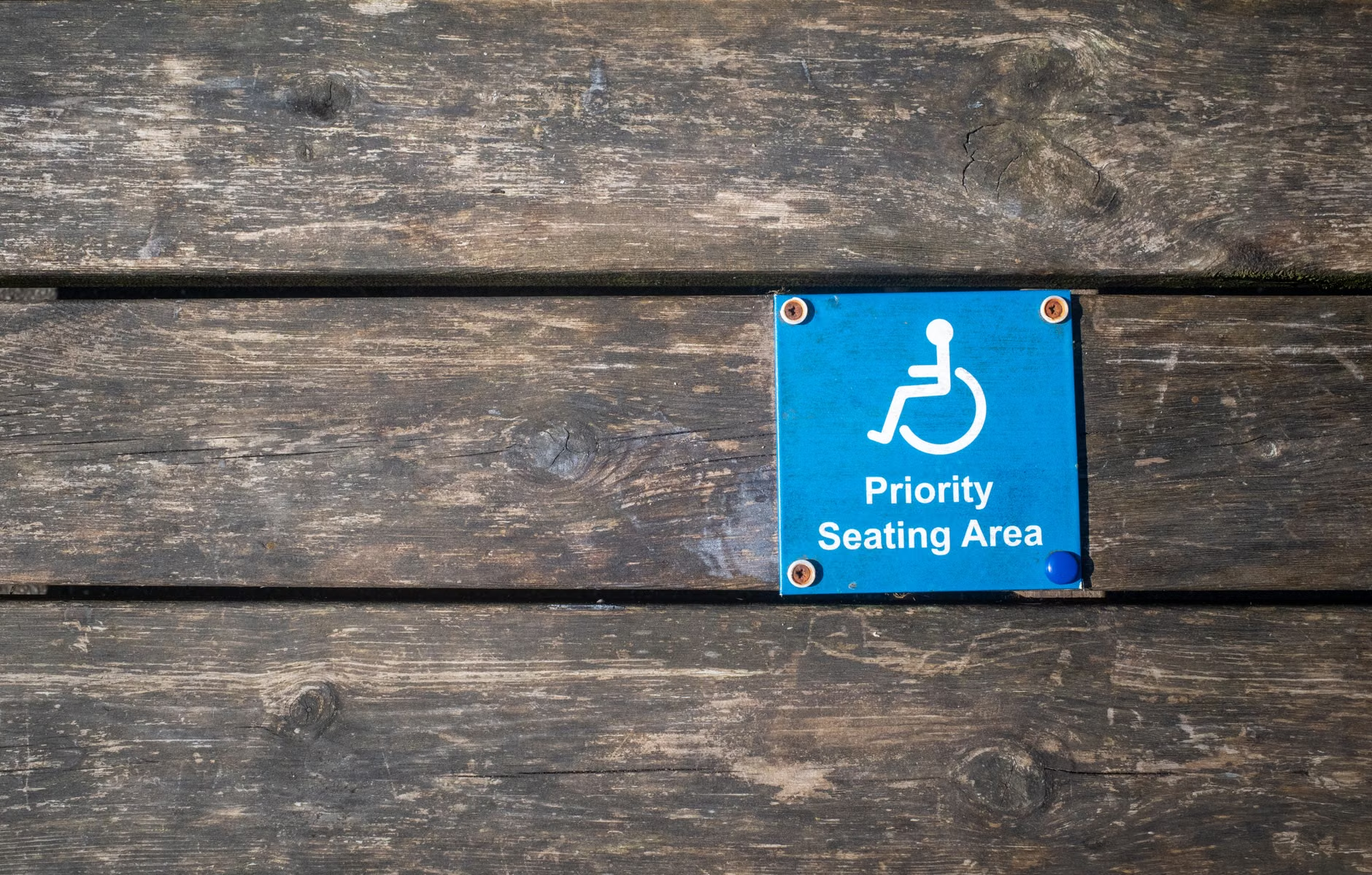
Consider the following checklist when evaluating a cafe’s facilities:
- Proximity: Is the restroom within the building, or do you have to exit and walk to a public facility?
- Stairs: Are there any steps between the seating area and the restroom door?
- Space: Is the door width sufficient for a walker or a cane user to maneuver?
If you are travelling in a group, one person can check the facilities while the others secure a table. This prevents unnecessary walking and physical exertion.
Managing Stamina and Sunlight
Historic plazas are often vast, open expanses with little natural shade. While the sun is pleasant, prolonged exposure can lead to rapid dehydration and heat fatigue, particularly for adults aged 60-80. When choosing a spot, look for “dynamic shade”—areas that are covered by umbrellas or building awnings that provide a consistent barrier against direct UV rays.
Furthermore, consider the “Noise-Energy Trade-off.” Cafes located at the very center of a plaza are often the loudest and busiest, which can be overwhelming and require more mental energy to navigate. Cafes tucked into the corners or slightly off the main square often provide a quieter, more relaxed atmosphere that allows for better recovery during a busy day of sightseeing.
Energy Conservation Strategies
To maximize your stamina, implement the “1-2-1 Rule”:
- One hour of activity: Walk or sightsee for no more than 60 minutes.
- Two drinks/breaks: Stop at a cafe for at least 20-30 minutes to rest your legs and hydrate.
- One exit strategy: Always know where the nearest transport (taxi stand, bus stop, or metro) is located before you sit down.
This rhythm prevents “over-walking,” a common mistake where travellers push themselves too hard early in the day, leaving them with no energy for the evening. By treating the cafe not just as a place to eat, but as a “recovery station,” you extend your ability to explore for longer periods over the course of your trip.
Digital Accessibility: Menus and Communication
Many cafes have moved to QR-code menus. While convenient for the business, these can be a source of frustration for travellers who may have difficulty with small screens, glare, or poor internet connectivity.
Always ask for a physical, large-print menu if a QR code is offered. Most cafes have a printed version available upon request. If you find the font size too small, do not hesitate to ask a staff member to read the specials or the primary offerings to you. This is a standard part of customer service and ensures you make a choice based on your dietary needs rather than just picking the first item you can read.

Practical Steps for a Stress-Free Experience
Preparation is the key to minimizing the friction of travel. Before leaving your accommodation, use tools like Google Street View to look at the plaza you intend to visit. You can often see the layout of the outdoor seating, the presence of stairs, and the general density of the crowd. This “virtual reconnaissance” can save you from arriving at a place that is physically unsuitable.
When you arrive at a cafe, look for the “Staff-to-Table Ratio.” A cafe that is understaffed might mean you wait longer for service, which increases the time you spend standing or waiting while tired. Choose a cafe where the staff is actively circulating; this ensures that if you need assistance, help is readily available.
When to Inquire with Local Authorities
If you are travelling to a major tourist destination, check the official municipal website for “Accessibility Maps.” Many cities, such as Barcelona, Rome, or Kyoto, provide maps that highlight pedestrian-only zones, the location of accessible public toilets, and areas with flat paving. These resources are invaluable for planning a route that avoids steep inclines or difficult terrain.
Addressing Common Concerns
A common misconception is that “popular” cafes are better. In reality, the most popular cafes in a historic plaza are often the most crowded, which increases the likelihood of being bumped into or having to navigate through tight, unstable aisles. Choose the cafe that offers the most physical space between tables. This is the single most effective way to ensure your comfort and safety.
Another concern is the cost. It is a well-known fact that cafes in the direct center of a historic plaza charge a “view premium.” If you are on a budget or simply prefer a more authentic experience, look for cafes on the side streets feeding into the plaza. They are often cheaper, quieter, and more accessible, while still offering a view of the historic architecture.
Summary of Decision Criteria
When you are standing in a historic plaza, use this quick mental checklist to select your cafe:
- Entry: Is it step-free or ramped?
- Seating: Does the chair have armrests and a solid back?
- Restroom: Is it on the same floor as the seating?
- Environment: Is there shade and enough space to move between tables?
By applying these criteria, you transform a potentially stressful situation into a reliable, enjoyable part of your travel routine. Remember, the goal of travel is to experience the culture and history of a place, and you deserve to do so in comfort and safety. Do not feel rushed by the pace of younger travellers or the bustle of the plaza. You are the architect of your own experience.
Frequently Asked Questions
1. How can I identify if a cafe is truly accessible before I enter?
Look for the “visual cues of accessibility”: wide, flat entryways, tables spaced at least one meter apart, and the presence of other patrons who may be using mobility aids. If you are unsure, stand near the entrance and observe the staff’s interaction with other guests; a helpful staff member will often notice if you are looking for an accessible spot and will guide you to the best table.
2. What should I do if I find the restroom is inaccessible after I have ordered?
If you find that the facilities are not suitable, politely inform the staff. Often, they may know of a nearby accessible public facility or can offer assistance. However, for future reference, make a note of the cafe’s name and avoid it for your next outing. Your comfort is a priority, and there is no obligation to stay in an environment that does not meet your physical requirements.
3. Are there specific times of day that are better for visiting historic plazas?
Yes. Mid-morning (between 10:00 AM and 11:30 AM) and mid-afternoon (between 3:00 PM and 4:30 PM) are generally the best times. During these windows, the lunch and dinner rushes have subsided, meaning there is more staff availability, more seating options, and a quieter environment that is easier to navigate safely.
For more information on accessible travel standards, you can refer to resources such as the European Network for Accessible Tourism (ENAT), which provides extensive guidance on planning inclusive trips globally.