- Storytelling is a structured cognitive workout that strengthens neural pathways associated with memory retrieval and linguistic organization.
- You do not need to be a professional writer; the value lies in the process of structuring your experiences, not in the literary perfection of the final product.
- Starting with small, low-pressure formats—such as voice memos or short thematic journals—lowers the barrier to entry and builds consistent mental engagement.
The act of storytelling is often relegated to the realm of fiction writers or professional historians, yet it is one of the most natural and beneficial cognitive activities available to adults aged 60 to 80. Far from being a mere pastime, the construction of a narrative—whether written down, recorded, or spoken—requires the brain to engage in complex executive functions. You are tasking your mind with selecting memories, organizing them into a coherent sequence, and choosing the right language to convey the emotional weight of an event.
This article explores how amateur storytelling functions as a cognitive tool, how you can begin documenting your experiences without the pressure of “writing a book,” and how to navigate the logistical aspects of preserving these narratives for your own satisfaction or for the benefit of your family.
The Cognitive Mechanics of Narrative Construction
Why does storytelling improve cognitive health? The answer lies in the way our brains process information. When we recall a memory, it is often fragmented—a sensory detail here, a feeling there. To tell a story, the brain must perform a process called “narrative integration.”
1. Memory Retrieval and Strengthening
As we age, the retrieval of episodic memories (specific events from our past) can become less efficient. By actively storytelling, you are practicing the retrieval of these details. This is not just about remembering; it is about re-contextualizing. When you describe a childhood home, you are firing the same neural pathways used to store that memory, effectively “rehearsing” the information and keeping the pathway accessible.
2. Executive Function and Organization
Telling a story requires you to decide what is relevant. You must determine a beginning, a middle, and an end. This exercises the frontal lobe, the area of the brain responsible for planning, working memory, and inhibition. This is a significant step beyond passive reminiscing. While reminiscing is often a wandering process, storytelling is a structured one, providing a meaningful workout for your executive functions.
3. Emotional Regulation
Narrative therapy, a concept used in professional psychology, suggests that by framing our past experiences as a story, we gain a sense of agency over them. For older adults, this can be particularly powerful when processing major life transitions, such as retirement or the loss of loved ones. Turning a difficult experience into a structured narrative can help provide perspective and closure.
Choosing Your Medium: A Practical Decision Framework
One of the most common barriers to amateur storytelling is the belief that one must write a long, formal manuscript. In reality, the medium should suit your current physical comfort and technical confidence. The following table compares common methods for capturing stories.
| Method | Primary Benefit | Physical Effort | Best For |
|---|---|---|---|
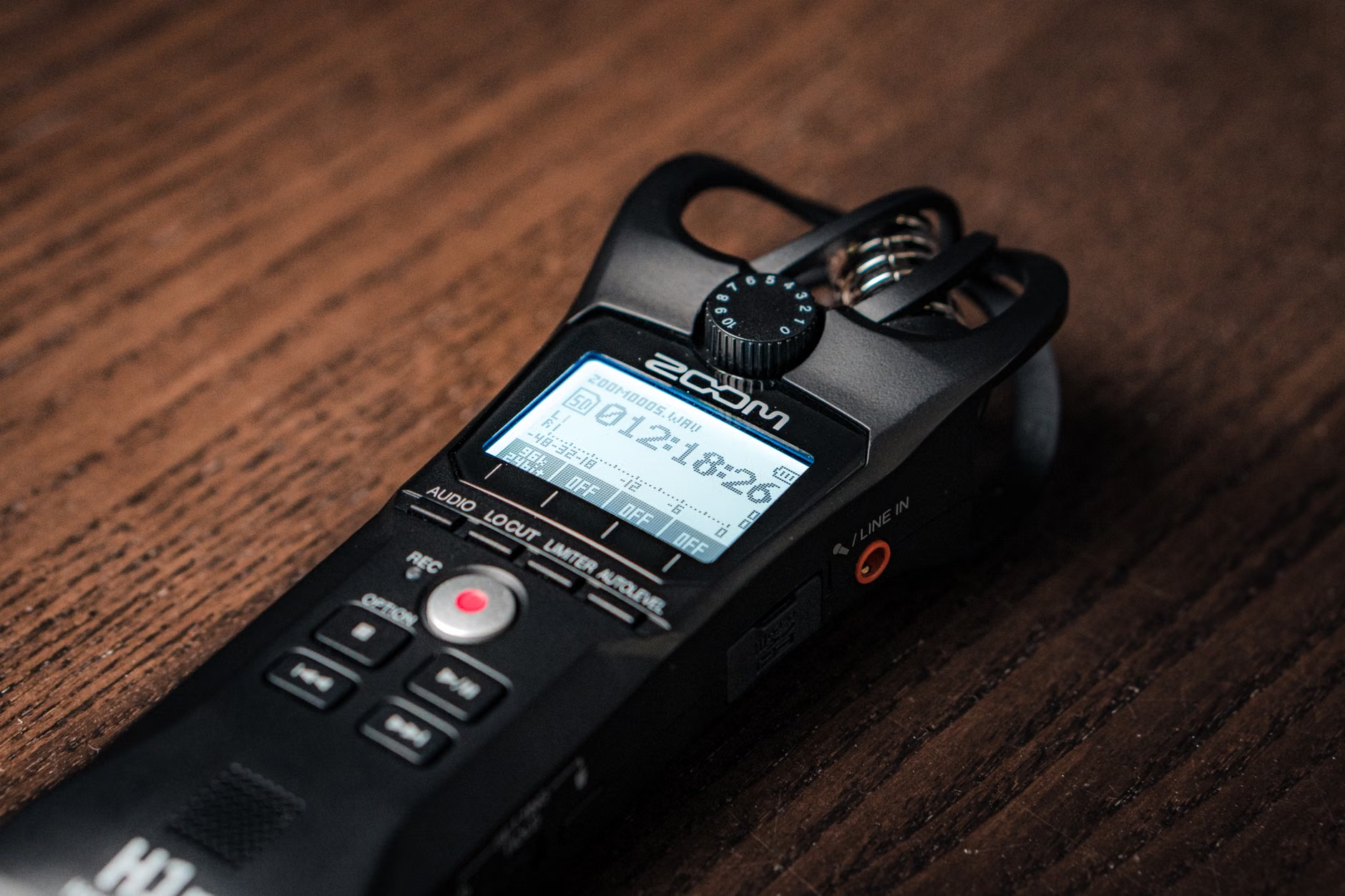
| Voice Recording | Flow of thought | Low | Those who prefer speaking or have hand fatigue. |
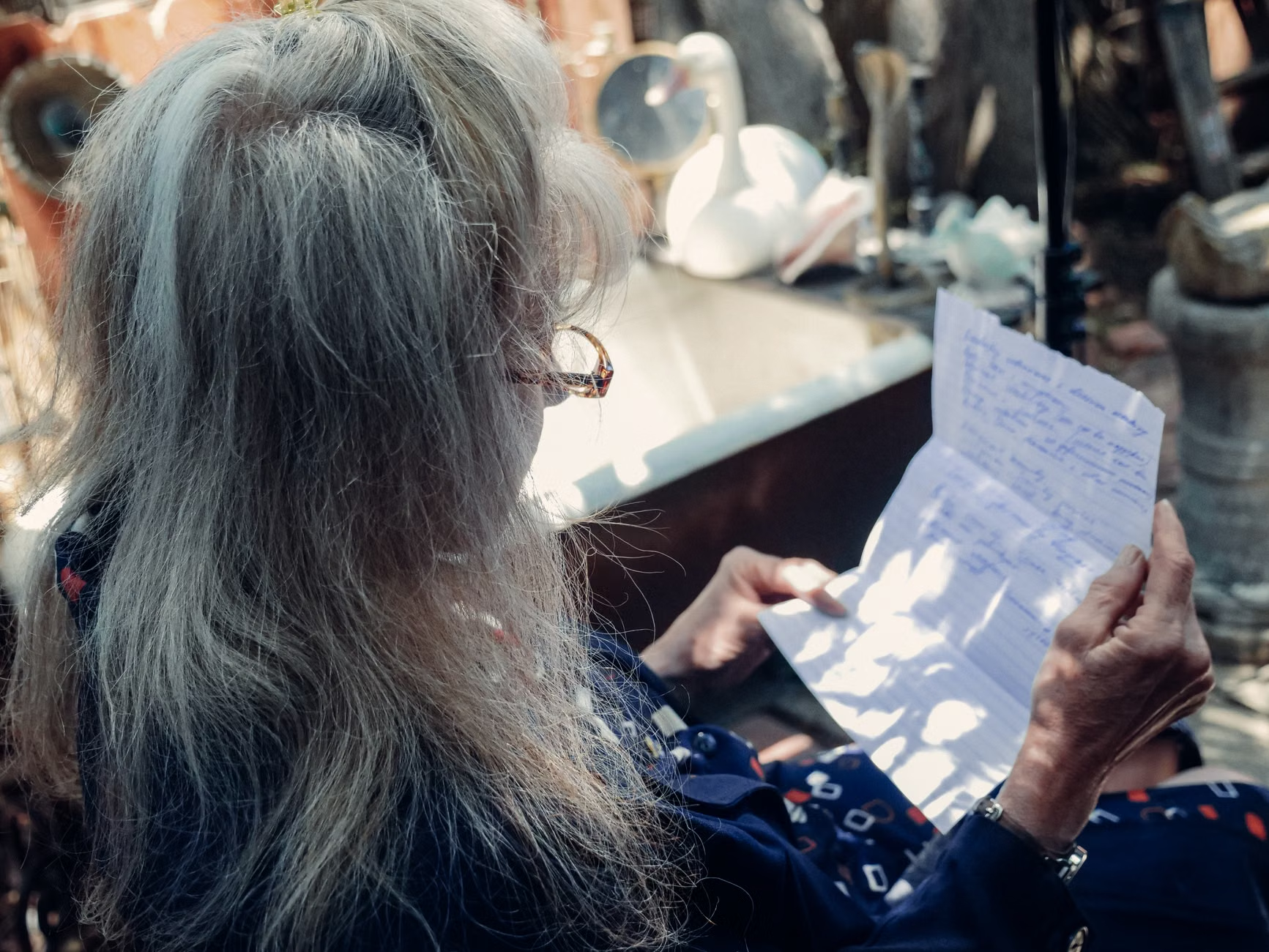
| Handwritten Journaling | Tactile connection | Moderate | Those who enjoy the sensory experience of writing. |
| Digital Typing | Editability | Moderate | Those who wish to organize and share files easily. |
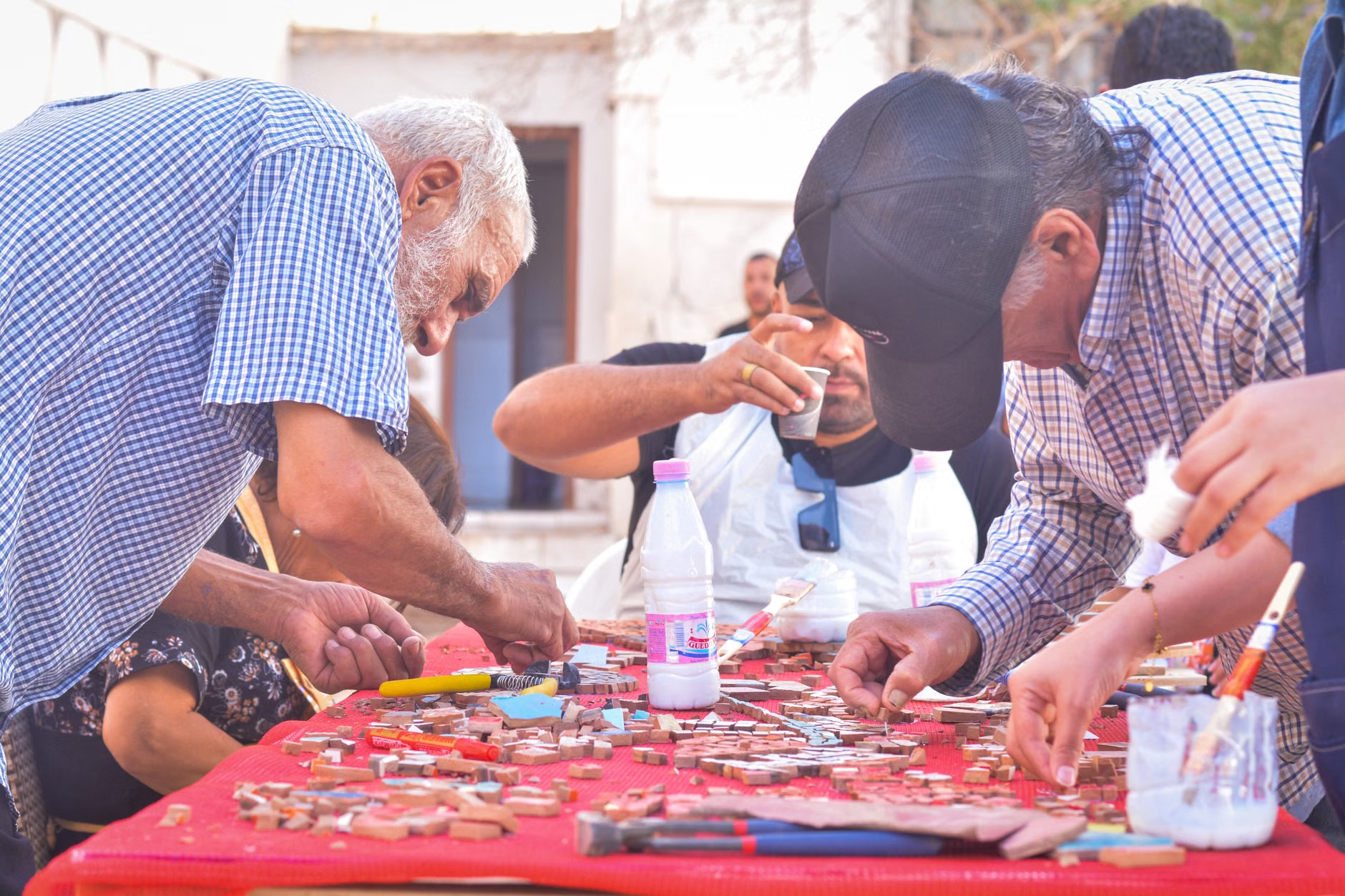
| Group Storytelling | Social stimulation | Low (Mental) | Those who benefit from interactive feedback. |
If you have concerns about arthritis or hand fatigue, voice recording is an excellent, overlooked option. Modern smartphones have built-in “Voice Memo” or “Dictation” features that are highly accurate. You can speak your story while walking or sitting comfortably, avoiding the strain of typing or longhand writing. If you prefer the tactile nature of a pen, consider using ergonomic pens with rubberized grips to reduce pressure on your joints.
Structuring Your Stories: The “Five-Minute” Approach
The biggest mistake amateur storytellers make is attempting to tell their entire life story at once. This leads to burnout and a feeling of being overwhelmed. Instead, treat your storytelling as a collection of “micro-narratives.”
The Thematic Method
Rather than starting from birth, pick a theme. Examples might include: “My first job,” “Lessons learned from travel,” “Favorite family recipes,” or “A challenge I overcame.” By focusing on a narrow theme, you limit the scope, making it easier to maintain focus and finish the piece in one sitting.
The “Five-Point” Checklist
When you start a new entry, keep these five points in mind to ensure your narrative is clear and engaging:
- The Setting: Where and when did this happen? (e.g., “It was the summer of 1968 in a small coastal town.”)
- The Conflict: What was the problem or the objective? (e.g., “We were trying to fix the old boat before the tide came in.”)
- The Sensory Details: What did you see, hear, or smell? (e.g., “The smell of saltwater and the sound of the metal wrench hitting the deck.”)
- The Resolution: How did it end? (e.g., “We finished just in time, but we were completely soaked.”)
- The Reflection: Why does this story matter today? (e.g., “That day taught me the value of patience in the face of a deadline.”)
For those who wish to share their stories, technology can feel like a hurdle. However, you do not need to be a technical expert to preserve your work. If you are worried about privacy or security, avoid uploading your stories to public social media platforms. Instead, consider creating a private “blog” using platforms like WordPress or Medium, which allow you to set your posts to “private” so that only people with a link can read them.
Alternatively, if you are sharing with family, a simple shared document (like Google Docs) allows your children or grandchildren to comment on your stories. This creates a bidirectional flow of communication, which is often more rewarding than simply sending a file that may be ignored. If you are not technically inclined, simply printing your stories and placing them in a physical binder is a classic, durable, and highly appreciated method of preservation.
Addressing Privacy and Sensitivity
When writing about family, you may encounter the dilemma of whether to include sensitive information. A practical rule of thumb is the “Legacy Filter”: ask yourself if the story adds value to the family history or if it serves only to air grievances. If a story is sensitive but important, you might choose to write it but leave it in a “sealed” section of your journal, with instructions for your family to read it only after a certain period of time. This allows you to process the truth without causing immediate conflict.
Integrating Storytelling into Your Daily Routine
Consistency is key to cognitive health. Much like physical exercise, the brain benefits most from regular, moderate activity rather than occasional, intense bouts. Try to set a “storytelling appointment” with yourself. It could be once a week on a Sunday morning, while having your coffee. If you feel you have nothing to write about, look at an old photograph. Describe the people in the photo, what they were wearing, and what you remember about the day the photo was taken. This is a simple, effective prompt that can lead to hours of productive mental engagement.
Remember that the goal is not to produce a masterpiece. It is to engage your mind, preserve your unique perspective, and enjoy the process of introspection. If you find your thoughts wandering, that is perfectly fine. The act of bringing them back to the center of your story is, in itself, a form of cognitive training.
Finally, consider the long-term impact. Your stories are a roadmap of your life, providing context and wisdom that cannot be found in any history book. Whether or not you ever share them with another person, the work you put into them today is a gift to your future self, helping to maintain your cognitive sharpness and providing a sense of purpose that transcends the daily routine.
Frequently Asked Questions
1. Do I need to be a good writer to start storytelling?
No. Storytelling is about communication and memory, not literary style. Your family will value your authentic voice—the way you speak and the specific words you use—far more than a polished, impersonal narrative. Focus on honesty and clarity rather than “good” writing.
2. What if I start a story and cannot remember all the details?
It is perfectly acceptable to acknowledge gaps in your memory. You can write phrases like, “I cannot quite remember the name of the street, but I remember the blue paint on the door.” This honesty adds a layer of reality to your story and prevents the frustration of trying to force a perfect recollection.
3. How do I protect my digital stories for the future?
If you are writing digitally, save your files in at least two places: on your computer and on a cloud storage service (like Google Drive or iCloud) or a physical USB drive. For long-term preservation, printing a physical copy of your digital stories every year is the most reliable way to ensure they survive technological changes.
For further reading on the benefits of narrative and memory, you can consult resources from organizations like the National Institute on Aging (NIA), which provides guidance on maintaining cognitive health through active engagement.