- Accessibility First: Prioritize container height and weight to eliminate unnecessary bending, kneeling, or heavy lifting, making gardening sustainable for your physical comfort.
- Mindful Engagement: Use gardening as a sensory practice to lower cortisol levels and improve focus, rather than simply focusing on the final harvest or bloom.
- Systematic Success: Start small with a “three-pot rule” to manage maintenance without feeling overwhelmed, gradually expanding as you learn your plant’s specific light and water needs.
Container gardening is more than a hobby; it is a deliberate, rhythmic practice that bridges the gap between nature and daily living. For adults aged 60 to 80, the act of nurturing a plant—from seed to harvest—offers a unique blend of physical movement, cognitive engagement, and sensory satisfaction. Unlike traditional in-ground gardening, which often requires significant labor, container gardening provides a customizable, accessible, and manageable way to maintain a connection with the earth.
Understanding the Physiological and Cognitive Benefits
Engaging with soil and plants is a form of “green therapy.” Research in environmental psychology suggests that interacting with nature can reduce blood pressure and heart rate, provided the activity is paced correctly. For older adults, the benefits are twofold: the physical act of gentle gardening acts as low-impact exercise, while the cognitive task of planning and problem-solving helps maintain neural plasticity.
When you garden, you are performing a series of complex tasks: assessing soil moisture, monitoring leaf color, and adjusting placement based on sun movement. This “mindful observation” anchors you in the present moment, acting as a natural antidote to the stresses of modern life. It is not just about the plant; it is about the quiet, focused attention you bring to the task.
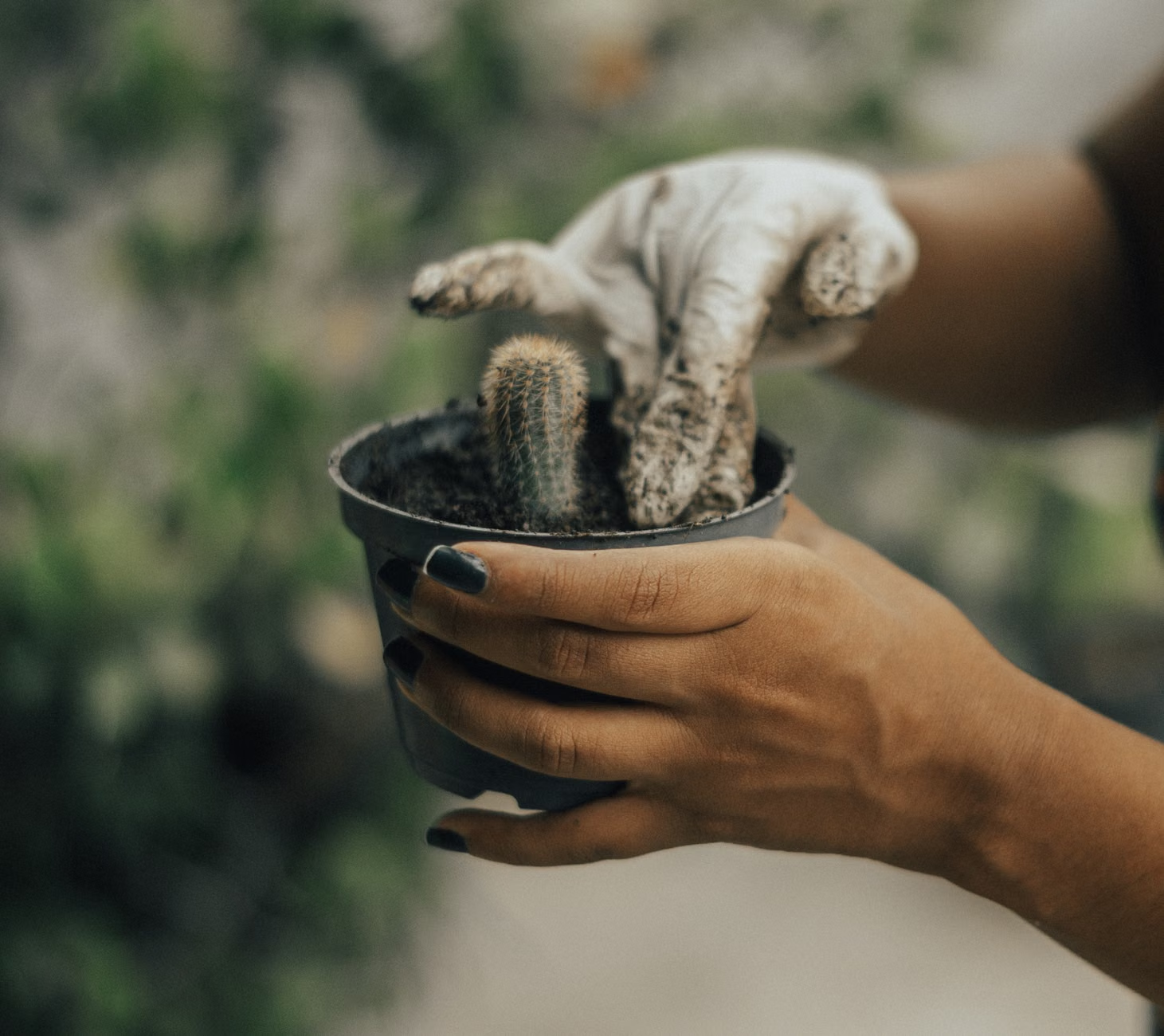
Designing an Accessible Garden Space
The primary barrier to gardening is often physical strain. To make container gardening a sustainable long-term practice, you must design your environment to work with your body, not against it. The goal is to eliminate the need for deep squats or prolonged kneeling.
Selecting the Right Containers
Not all pots are created equal. When selecting containers, consider the following criteria:
| Material | Weight | Durability | Best Use |
|---|---|---|---|
| Terracotta/Clay | Heavy | Fragile | Plants needing dry roots (herbs) |
| Plastic/Resin | Light | High | Easy to move/rearrange |
| Fabric/Grow Bags | Very Light | Moderate | Vegetables/Root crops |
Insight: If you have limited mobility, opt for fabric grow bags or lightweight resin pots. They are significantly easier to move if you need to follow the sunlight or rearrange your space for guests. Always ensure your pots have adequate drainage holes; a plant sitting in stagnant water is a leading cause of root rot, which often leads to disappointment and wasted effort.
Ergonomic Setups
Consider using raised plant stands or rolling caddies. A rolling caddy allows you to move heavy pots without lifting, protecting your back and shoulders. Vertical garden kits, which can be mounted on walls, are excellent for those who wish to avoid bending entirely. If you use a potting bench, ensure it is at a height where your elbows are at a 90-degree angle while working to minimize strain on your neck and upper back.
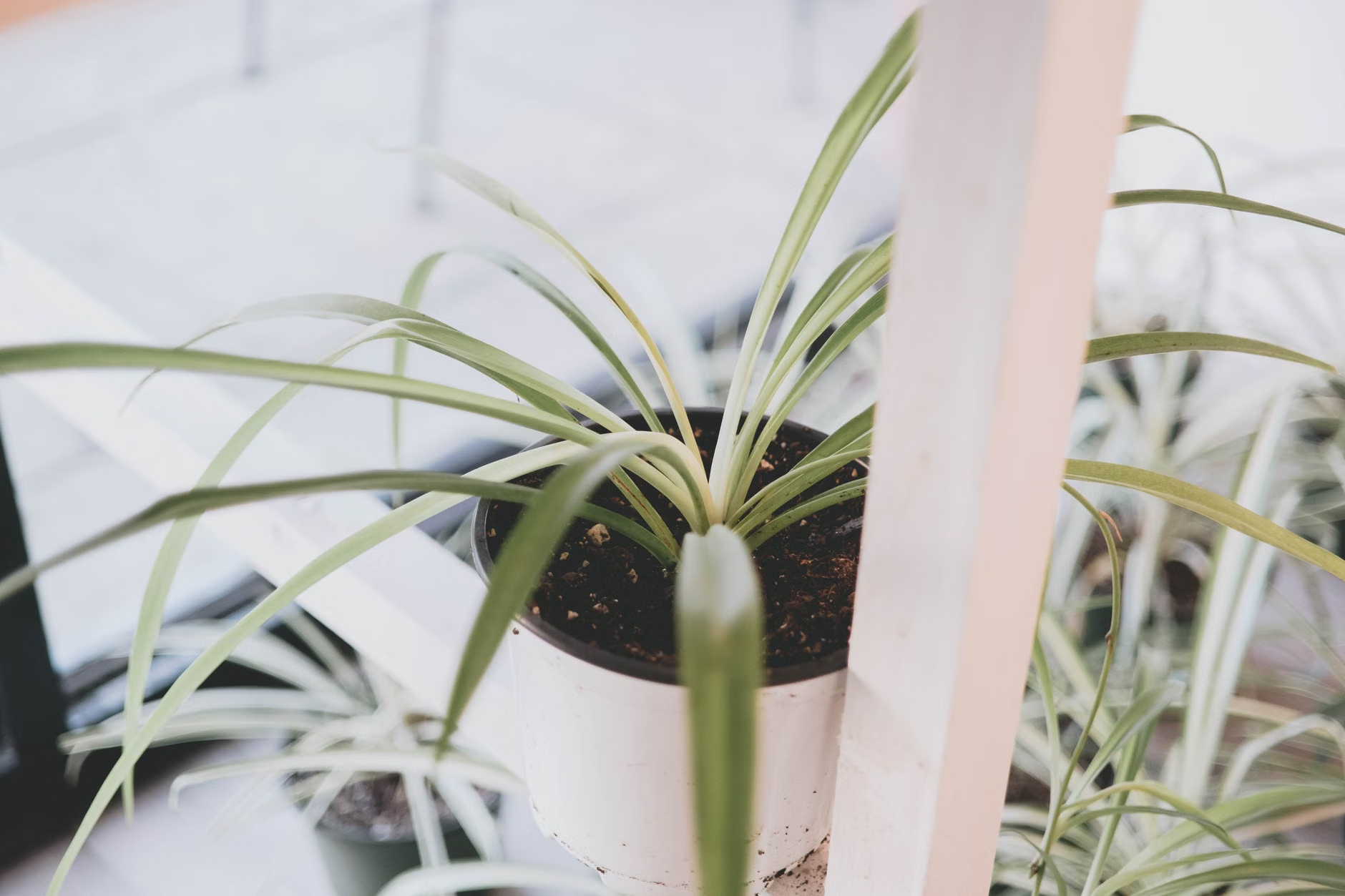
The Cycle of Care: A Step-by-Step Approach
Mindful gardening is about consistency over intensity. Instead of spending hours in the garden once a week, aim for 15-20 minutes daily. This frequency keeps you connected to the life cycle of your plants and prevents the “catch-up” work that can lead to physical fatigue.
1. Soil Preparation
Do not use standard garden soil in containers; it is too heavy and will compact, preventing roots from breathing. Use a high-quality “potting mix.” These are formulated to be light, sterile, and moisture-retentive. They often contain peat moss or coconut coir, which keeps the soil fluffy and easy to work with.
2. Watering Habits
Overwatering is a more frequent issue than underwatering. Use the “finger test”: insert your index finger into the soil up to the second knuckle. If it feels damp, wait. If it feels dry, water slowly until liquid drains from the bottom. This prevents root rot and ensures the plant receives consistent moisture.
3. Monitoring and Maintenance
Check your plants for “yellowing” or “browning” leaves. These are early warning signs. If you notice persistent issues, check the underside of the leaves for small insects or signs of mold. Dealing with these issues early is far easier than trying to rehabilitate a severely neglected plant.
Choosing Plants That Fit Your Lifestyle
The success of your garden depends on matching the plant to your environment. If you live in an area with high winds, tall, top-heavy plants will constantly tip over, creating a hazard. If you have limited sunlight, choosing sun-loving vegetables will result in disappointment.
Low-Maintenance Options:
- Herbs: Chives, mint, and parsley are resilient and useful in the kitchen.
- Succulents: These require very little water and are forgiving if you skip a day or two.
- Leafy Greens: Lettuce and spinach grow quickly and provide a sense of accomplishment within weeks.
Warning: Be wary of plants that require complex pruning or specialized fertilizers. Start with “easy-grow” varieties until you are comfortable with the rhythm of your specific balcony or patio conditions. Avoid “miracle” fertilizers; plants generally thrive on consistent, mild nutrition rather than heavy doses of chemicals.
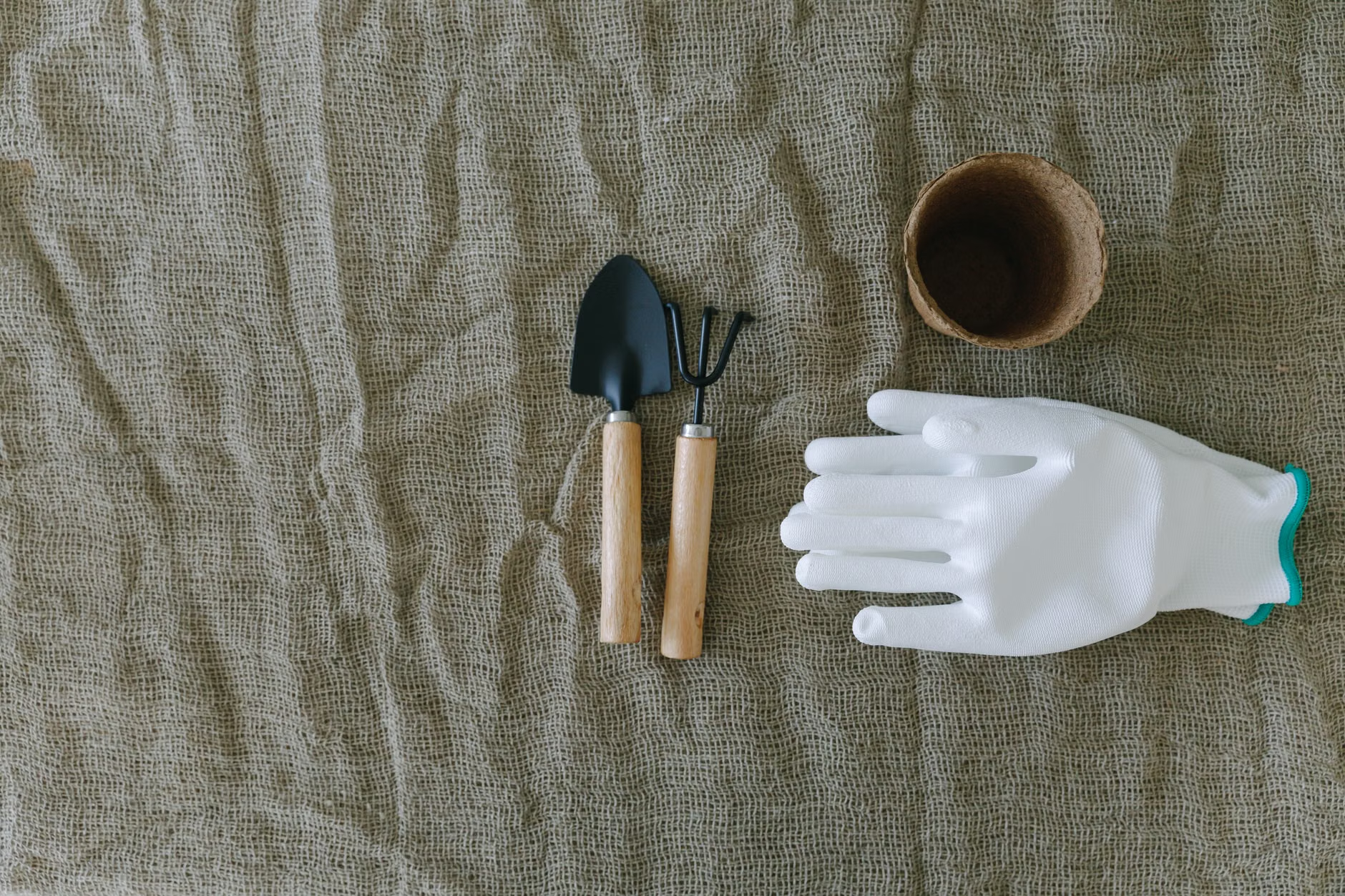
Safety and Preventive Health Considerations
Gardening should not be a cause of injury. As we age, our skin becomes thinner and more prone to minor cuts and bruises. Always wear lightweight, breathable gardening gloves to protect your hands from sharp stems, thorns, or abrasive pot edges. If you are working outdoors, ensure you are protected from the sun with a wide-brimmed hat and sunscreen, even on cloudy days.
If you have concerns about balance, ensure your gardening area is free of tripping hazards like loose hoses, extension cords, or scattered tools. Keep your workspace organized; a “place for everything” approach means you aren’t reaching into awkward corners to retrieve a trowel.
Should you experience persistent joint pain or fatigue after gardening, take it as a signal to reassess your setup. Perhaps you need a chair with lumbar support to sit while you prune, or perhaps you are trying to manage too many pots at once. Remember: the garden will wait for you. There is no deadline in nature.
Integrating Technology and Community
If you find the technical aspects of plant care daunting, there are simple, non-intrusive ways to get support. Digital moisture sensors can take the guesswork out of watering, particularly for indoor plants. Many local botanical societies or gardening clubs also offer “container gardening clinics” specifically tailored for older adults. These groups are excellent for social interaction and sharing cuttings, which is a low-cost way to expand your collection.
Avoid becoming overly reliant on digital apps that dictate your every move. Use them as a reference tool, but trust your observation. The more you watch your plants, the more you will understand their unique language—the way they wilt slightly when thirsty or turn toward the light when they need more sun.
Expanding Your Gardening Horizons
Once you have mastered the basics, you may find that container gardening opens doors to other interests. Some gardeners begin experimenting with heirloom seeds, while others focus on aromatic plants that attract pollinators like bees and butterflies. This adds a layer of ecological contribution to your hobby, knowing that your small balcony or patio is helping sustain local biodiversity.
If you have family members who are interested, gardening is a wonderful intergenerational activity. Teaching a grandchild how to plant a seed is a legacy project—a simple, quiet way to share the values of patience and care. It shifts the focus from “doing” to “being together.”
Conclusion: The Path Forward
The joy of mindful container gardening lies not in the perfection of the plants, but in the peace found in the process. By focusing on accessibility, starting with manageable goals, and maintaining a gentle pace, you can create a vibrant, living space that enhances your daily life. Start with one pot, observe it, learn from it, and let your confidence grow alongside your plants. Your garden is a reflection of your care—take it slow, breathe deeply, and enjoy the growth.
Frequently Asked Questions
- What is the best way to handle heavy pots if I have limited strength?
Use rolling plant caddies (dollies) with locking wheels. These allow you to move even large, heavy pots with a gentle push, eliminating the need to lift them. Alternatively, use lightweight, high-quality plastic or fabric containers instead of traditional clay or ceramic.
- How do I know if my plants are getting enough light?
Observe the plant’s growth pattern. If a plant is “leggy” (stretching out with long spaces between leaves), it is likely seeking more light. If leaves appear scorched or develop white/brown patches, it may be receiving too much direct, harsh sunlight. Most indoor plants prefer bright, indirect light near a window.
- Is it safe for me to use store-bought fertilizers?
General-purpose, water-soluble fertilizers are safe when used according to the label instructions. However, it is often better to use a “half-strength” solution more frequently rather than a full dose, as this prevents nutrient burn. Always wash your hands thoroughly after handling any gardening chemicals or fertilizers.
For further reading on horticultural therapy and its benefits for older adults, you may refer to the American Horticultural Therapy Association or similar local resources in your jurisdiction that provide evidence-based guidelines on therapeutic gardening.