- Verify Physical Accessibility: Prioritize resorts that provide step-by-step photos of bathroom grab bars, ramp gradients, and pool entry mechanisms (e.g., lifts or stairs with railings).
- Thermal Safety First: Always check the water temperature and mineral content, and consult with your physician if you have cardiovascular or blood pressure conditions.
- Strategic Planning: Choose resorts with on-site medical support or proximity to local clinics, and ensure your itinerary includes “recovery days” to account for the physical toll of thermal bathing.
For many travelers aged 60 to 80, a hot-spring resort offers more than just relaxation; it provides therapeutic relief for joints and muscles. However, the difference between a rejuvenating trip and a difficult experience often comes down to the specific accessibility features of the property. Selecting an accessible resort requires looking beyond marketing images to verify practical infrastructure, safety protocols, and transit convenience.
Evaluating Physical Infrastructure: Beyond the “Accessible” Label
The term “accessible” is often used broadly in the travel industry. To make an informed decision, you must look for specific technical indicators that ensure your safety and independence.
A resort may have a ramp, but if that ramp is too steep or lacks handrails, it remains a significant obstacle. Look for a gradient of no more than 1:12 (for every one inch of vertical rise, there should be 12 inches of length). Verify if the resort uses non-slip flooring, particularly in areas where water from the springs is likely to accumulate.
2. The Reality of Thermal Pool Access
Entering and exiting a hot spring is the most common site of accidents for older adults. The transition from a hot, humid environment to a cooler, dry one can cause lightheadedness. Look for pools that feature:
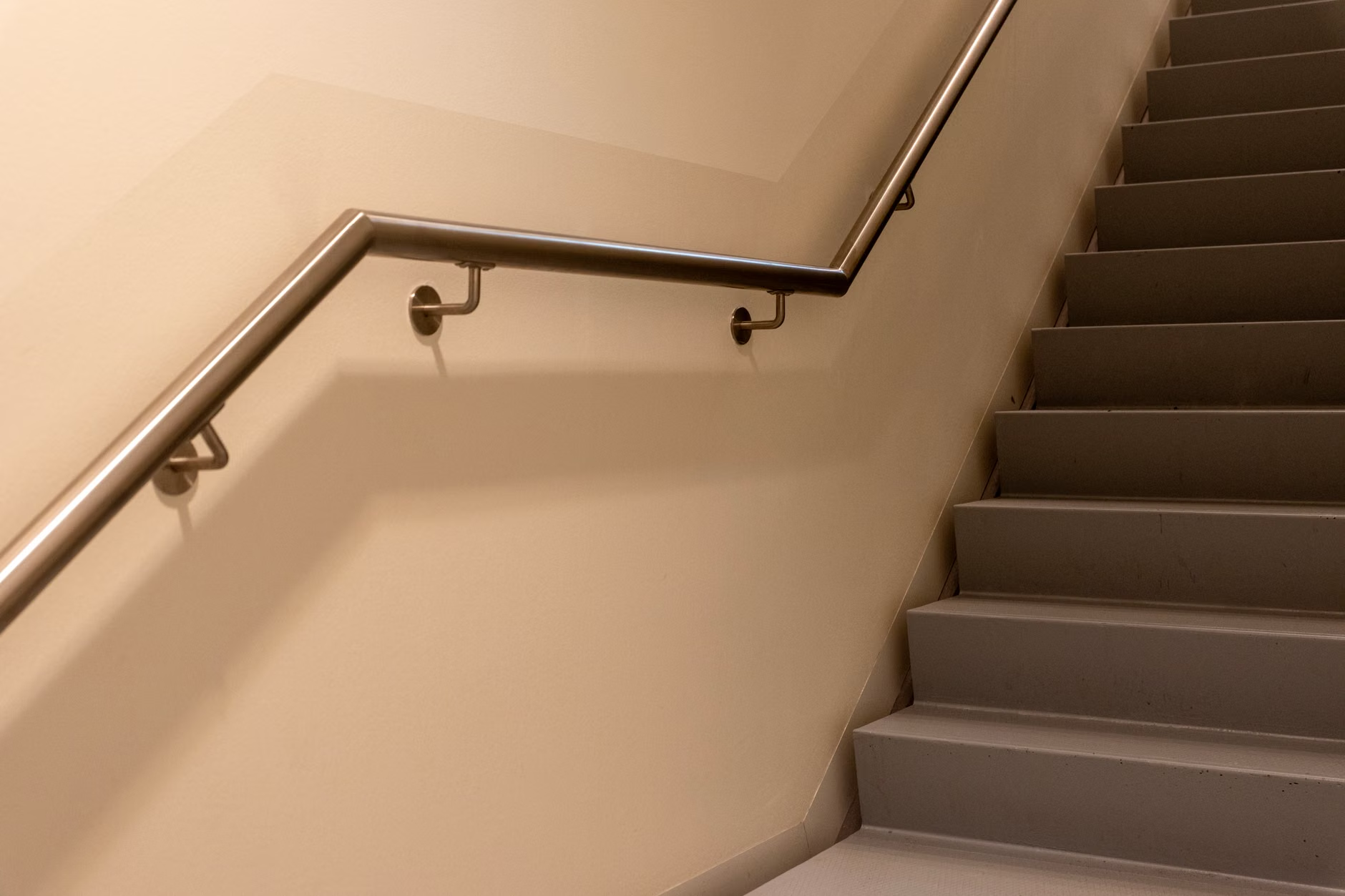
- Gradual steps with sturdy, high-visibility handrails on both sides.
- Transfer lifts or zero-entry designs that allow for a gradual transition into the water.
- Seating ledges inside the pool that allow you to soak while keeping your upper body out of the water, which helps regulate core temperature.
Medical and Thermal Safety: Understanding the Risks
Hot springs are not merely warm baths; they are mineral-rich, high-temperature environments. For individuals with high blood pressure, heart conditions, or limited mobility, these factors require careful management.
Managing Thermal Shock and Dehydration
The heat of a thermal spring causes blood vessels to dilate (vasodilation), which can lead to a sudden drop in blood pressure upon standing. This is a primary cause of fainting in older adults. To mitigate this:
- The “Five-Minute Rule”: Never stay in the water for more than 10 to 15 minutes at a time. Follow this with a 15-minute rest period in a cool, ventilated area.
- Hydration Logistics: Thermal bathing is dehydrating. Ensure you carry water with you and avoid consuming alcohol before or during your soak, as it exacerbates dehydration and blood pressure fluctuations.
- Monitoring Heart Rate: If you use a wearable health monitor, keep an eye on your heart rate. If it increases significantly, exit the pool slowly and sit at the edge before attempting to stand.
Consulting with Your Medical Provider
Before booking a trip, discuss your travel plans with your primary care physician. Ask specifically about how mineral-rich water might interact with your current medications—particularly those for blood pressure, diuretics, or anti-inflammatories. If you have any history of dizziness, ask your doctor for a “sit-stand” test to see how your body handles rapid changes in position.
Selecting Accommodations: The “Room-to-Bath” Checklist
The most accessible pool in the world is of little use if your room is located at the top of a flight of stairs or too far from the bathing facility. When booking, use this checklist to screen potential resorts:
| Feature | What to Look For | Why It Matters |
|---|---|---|
| Room Location | Ground floor or near an elevator. | Reduces fatigue and navigation risks. |
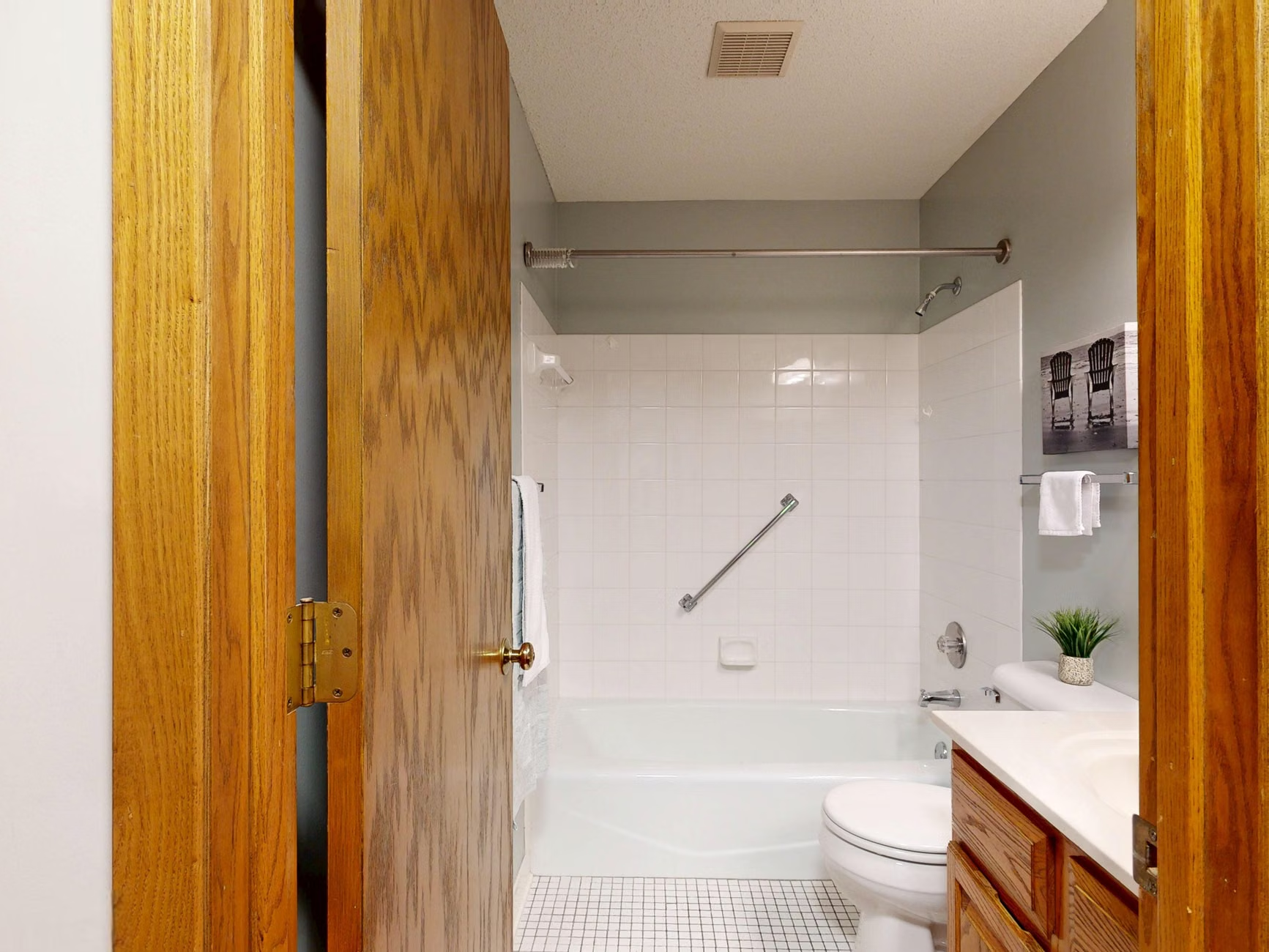
| Bathroom Layout | Walk-in shower with fixed shower chair. | Prevents slips in the most dangerous room. |
| Door Width | At least 80-90cm (32-35 inches). | Ensures clearance for mobility aids. |
| Emergency Access | 24-hour staff presence on-site. | Critical for immediate assistance. |
If you are traveling with a companion or caregiver, clarify whether the resort offers “accessible companion rooms,” which are designed to provide extra space for assistance without compromising the comfort of the guest.
Logistics: Transportation and Pacing
The travel to and from the resort is often more taxing than the stay itself. Many hot-spring towns are located in mountainous or rural areas where public transportation may be limited or physically demanding.
Transportation Strategies
- Direct Transfers: If you are flying, book a private transfer or an accessible shuttle directly from the airport to the resort. Avoid multi-leg public transit journeys that require navigating luggage through crowded train stations.
- The “Last Mile” Problem: Research the distance from the nearest transit stop to the resort entrance. Even a 500-meter walk on uneven pavement can be a major barrier. If the resort does not provide a pick-up service, consider hiring a local taxi for the final leg.
Pacing Your Stay
A common mistake is trying to maximize the “soaking time” by visiting multiple springs in one day. This is physically exhausting. Plan for a “one soak per day” schedule, allowing the rest of your time to be spent in low-exertion activities like reading, light walking on flat surfaces, or enjoying the local cuisine. Treat your body’s recovery as a core part of the itinerary.
Essential Questions to Ask Before Booking
Do not rely on the “Accessibility” badge on booking websites. Call the property directly and ask the following:
- “Can you send me a photo of the shower area in the accessible room?” (Ensures the grab bars are actually where you need them).
- “How many steps are there between the lobby and the dining area?” (Helps you gauge daily exertion).
- “Is there a staff member trained in first aid available at all times?” (Provides peace of mind).
Conclusion: Prioritizing Your Wellbeing
Selecting the right hot-spring resort is an exercise in managing variables. By prioritizing properties with documented, verified accessibility features and planning your schedule to accommodate your personal stamina, you can transform a potential challenge into a truly restorative experience. Always remember that your comfort and safety are the primary objectives of the trip; if a facility cannot provide clear, concrete answers to your accessibility questions, it is better to look for an alternative that can.
Frequently Asked Questions
1. Can I use a hot spring if I have a pacemaker or other implanted medical device?
Before visiting, you must consult your cardiologist. Some medical devices have specific temperature or mineral exposure limitations. Always carry your device’s ID card and inform the resort staff of your condition upon arrival so they are aware of your needs in an emergency.
2. What should I do if I feel dizzy while in the hot spring?
Do not attempt to stand up quickly. Slowly move to the edge of the pool, sit on the bench or step, and signal for assistance if needed. Once you feel stable, exit the water slowly, sit down in a cool area, and sip water. If the dizziness persists for more than a few minutes, seek medical attention immediately.
3. Are public hot springs generally more accessible than private ones?
Generally, modern private resorts or hotels are more likely to offer updated, accessible facilities such as roll-in showers and elevators. Traditional public hot springs (often called onsens or baths in various cultures) may have historical architecture that makes accessibility difficult, such as steep stairs or narrow changing rooms. Always check the specific facility’s renovation date and accessibility statement.
For further information on accessible travel standards, you may visit the European Network for Accessible Tourism (ENAT) or your local national disability advocacy organization for resources on planning accessible trips.