- Maintaining hand dexterity is essential for independence; perform these stretches daily to preserve range of motion in the joints.
- Focus on slow, controlled movements rather than speed to prevent strain and maximize the effectiveness of the exercise.
- If you experience sharp pain, persistent numbness, or swelling, stop the exercises and consult a healthcare professional to rule out underlying conditions like arthritis or nerve compression.
Maintaining Hand Dexterity: A Preventive Guide to Seated Stretches and Exercises
Hand dexterity—the ability to perform fine motor tasks with precision—is a fundamental component of independent living. From buttoning a shirt to using a smartphone or preparing a meal, our hands are our primary tools for interacting with the world. For adults aged 60 to 80, maintaining the flexibility and strength of the small muscles and joints in the hands is a proactive health measure that can significantly delay the onset of stiffness and loss of function.
This guide focuses on seated exercises that can be integrated into your daily routine. By dedicating just ten minutes a day to these movements, you can support your joint health and retain the capability to handle daily tasks with confidence.
Understanding the Mechanics of Hand Mobility
The human hand is a complex structure consisting of 27 bones, dozens of muscles, and a dense network of tendons and ligaments. As we age, the connective tissues that allow these parts to slide past one another can become less elastic. Additionally, the cartilage that cushions the joints may thin, leading to friction and stiffness.
What it is: Dexterity is the coordination of small muscle movements, usually involving the synchronization of your hands and fingers with your eyes.
Why it matters: When dexterity decreases, simple tasks become time-consuming or frustrating. This can lead to a subconscious avoidance of activities, which in turn causes further muscle atrophy and stiffness—a cycle we aim to break through regular movement.
What it looks like in real life: Consider the act of opening a jar. It requires a combination of grip strength, thumb stability, and coordination between both hands. If the joints are stiff, the effort required increases significantly, leading to fatigue and potential discomfort. By keeping these tissues supple, you maintain the “functional reserve” needed for daily life.
The Foundations of Safe Stretching
Before beginning any exercise regimen, it is vital to establish a safe environment and a correct mindset. The goal here is maintenance and prevention, not athletic performance.
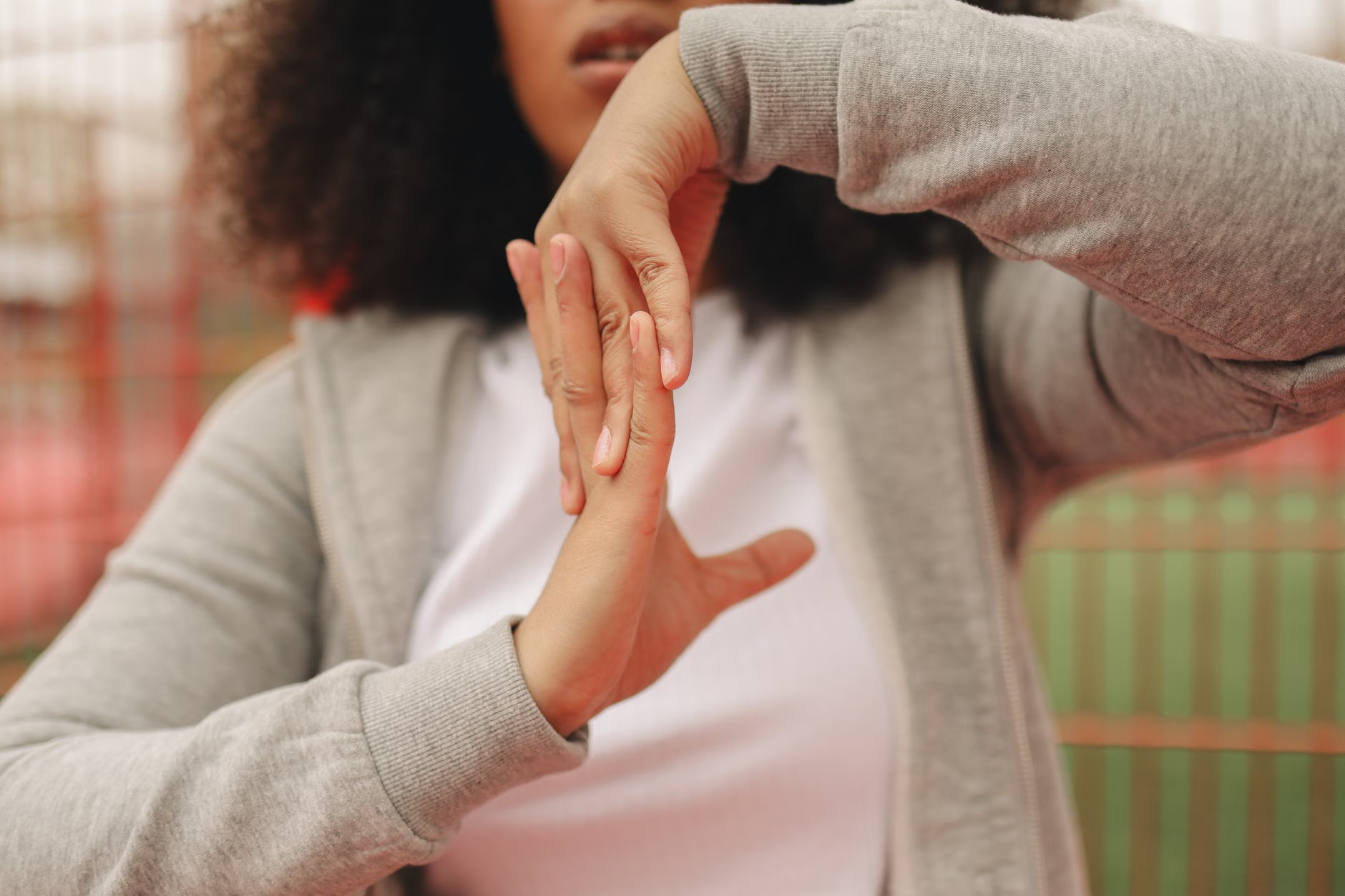
- Warm-up: Never stretch cold, stiff muscles. Begin by rubbing your hands together for 30 seconds to generate heat or soaking them in warm water for a few minutes.
- Seated Posture: Sit in a stable chair with your feet flat on the floor. Proper posture ensures your shoulders are relaxed, which prevents tension from traveling down your arms to your hands.
- Pain Threshold: You should feel a gentle stretch, never sharp pain. If you feel pain that persists after you stop, discontinue the exercise and consult a professional.
Step-by-Step Seated Hand Exercises
Perform these exercises in a seated position. Aim for 5 to 10 repetitions of each movement per day.
1. The Finger Fan (Extension)
Place your hand flat on a table, palm down. Gently spread your fingers as wide as possible without strain. Hold for 5 seconds. Slowly bring them back together. This stretch targets the interosseous muscles between your fingers, which are often the first to feel stiff.
2. The Thumb Opposition
Hold your hand up as if you are waving. Touch the tip of your thumb to the tip of your index finger, forming an “O” shape. Repeat this with each finger, moving down the line to your pinky. This exercise is critical for the precision grip required for holding pens or utensils.
3. The Gentle Fist (Flexion)
Start with your hand open. Slowly curl your fingers into a loose fist, placing your thumb on the outside of your fingers. Do not squeeze tightly. Hold for 3 seconds, then slowly open your hand until your fingers are straight. This promotes tendon gliding, which helps prevent “trigger finger” sensations.

The Role of Strength and Resistance
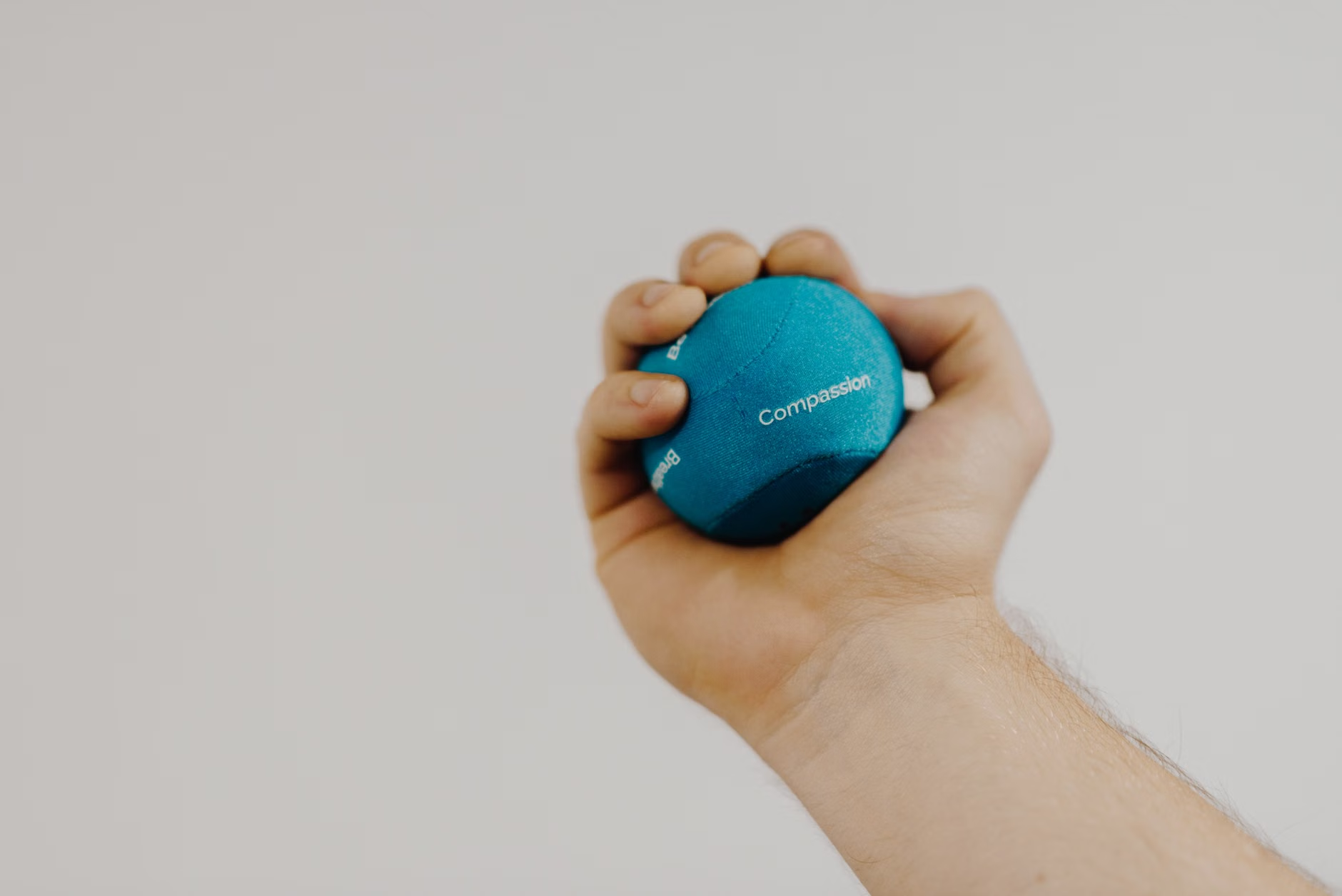
While stretching provides range of motion, light resistance training builds the strength necessary to support those joints. Using soft, pliable tools can be highly effective.
What to use: A soft stress ball, a piece of therapy putty, or even a rolled-up pair of socks. These items are inexpensive and provide the necessary resistance without damaging the joints.
Comparison of Resistance Tools
| Tool | Best For | Consideration |
|---|---|---|
| Soft Stress Ball | General grip strength | Ensure it is soft enough to compress fully. |
| Therapy Putty | Individual finger strength | Requires more fine motor effort to mold. |
| Rolled Socks | Beginners/Low cost | Limited resistance; good for initial mobilization. |
If you have arthritis, choose the softest resistance possible. The goal is to stimulate blood flow and muscle activation, not to induce muscle fatigue.
Recognizing When to Seek Professional Advice
While these exercises are generally safe, they are not a substitute for medical treatment if you have a specific condition. It is important to know the difference between “normal” age-related stiffness and symptoms that require a physical therapist or rheumatologist.
Warning Signs:
- Persistent Swelling: If your knuckles or finger joints are visibly swollen or warm to the touch, this may indicate inflammation that requires medical assessment.
- Numbness or Tingling: If you feel “pins and needles,” this may indicate nerve compression, such as carpal tunnel syndrome, which requires a professional diagnosis.
- Locked Joints: If a finger gets “stuck” in a bent position, do not force it. This is a sign of a tendon issue that needs clinical attention.
When visiting a professional, bring a list of your daily activities that have become difficult. Be specific: for example, instead of saying “my hands hurt,” say “I have difficulty opening a standard plastic water bottle.” This helps the professional assess your specific functional needs.
Integrating Habits into Your Daily Routine
The most effective exercise is the one you actually perform. The best way to ensure consistency is to “habit stack”—attach your hand exercises to an existing part of your day.
Examples of Habit Stacking:
- While watching the news: Perform your finger fans during commercial breaks.
- While waiting for the kettle to boil: Use the two minutes to perform your thumb opposition exercises.
- During a phone call: Use a stress ball with your free hand while you talk.
By removing the friction of “finding time” to exercise, you make it a natural part of your day. Remember that consistency over intensity is the key to long-term success in maintaining dexterity.
Advanced Considerations: Nutrition and Hydration
While this guide focuses on movement, it is important to acknowledge that your body’s ability to repair tissues is supported by your overall health. Hydration is particularly relevant for joint health; cartilage is largely composed of water. Dehydration can lead to increased joint friction, making stiffness more pronounced.
Additionally, maintaining a balanced diet with adequate protein provides the building blocks for muscle repair. If you are concerned about your nutritional intake, speak with your primary care physician or a registered dietitian to ensure your body has the resources it needs to support your activity levels.
Living Independently through Preventive Care
The journey to maintaining hand dexterity is not about achieving perfection, but about preserving the tools you use to navigate your life. By incorporating these seated stretches, you are actively choosing to manage your health rather than waiting for issues to arise.
Start today by choosing just one of the exercises mentioned above. Perform it slowly and mindfully. Over the coming weeks, as you feel more comfortable, incorporate the others. Your hands are resilient, and with consistent, gentle care, they will continue to serve you well for years to come.
Frequently Asked Questions (FAQ)
1. How long does it take to see results from these hand exercises?
Most individuals report a reduction in morning stiffness within two to three weeks of consistent daily practice. However, building lasting flexibility is a cumulative process, and the benefits continue to accrue the longer you maintain the habit.
2. Can I do these exercises if I have been diagnosed with osteoarthritis?
Yes, but you should prioritize gentle movement. If your joints are inflamed, avoid heavy resistance. Always consult with your doctor or a physical therapist to tailor these movements to your specific diagnosis, as they can provide modifications that protect your joints while promoting mobility.
3. What if I feel a “popping” sensation when I move my fingers?
A “popping” or “clicking” sensation can occur when tendons move over small bone spurs or thickened tissue. If the sensation is painless, it is often benign. However, if it is accompanied by pain, locking, or swelling, it is a clear signal to pause the exercises and consult a healthcare professional to identify the cause.
Official guidance on physical activity for older adults can be found through your local health authority or resources such as the World Health Organization’s guidelines on physical activity. Always tailor your routine to your individual health status.