- Economic Flexibility: By 2026, intergenerational housing models are shifting from niche experiments to mainstream solutions, offering ways to lower living costs while maintaining property equity.
- Legal & Zoning Changes: Many jurisdictions are relaxing zoning laws to permit Accessory Dwelling Units (ADUs), allowing seniors to age in place while providing rental or caregiving opportunities.
- Strategic Assessment: Choosing the right model requires balancing your desire for independence against the practical need for support, security, and social engagement.
As we head into 2026, the concept of “home” for those aged 60 to 80 is undergoing a significant transformation. The traditional binary—choosing between remaining in a large, potentially isolating family home or transitioning to a retirement community—is being replaced by a spectrum of intergenerational housing options. This shift is driven by a combination of rising urban living costs, a desire for social connection, and innovative changes in local zoning regulations worldwide.
The Evolution of Intergenerational Living Models
Intergenerational housing is not a singular concept. In 2026, it represents a diverse set of living arrangements where different age groups share space, resources, or proximity. This model aims to address the “loneliness epidemic” among older adults while providing younger generations, such as students or young professionals, with affordable housing.
1. Home-Sharing Platforms
Digital platforms have matured to facilitate safe, vetted home-sharing. In this model, an older adult who owns a home with spare space rents a room to a younger person, often at a reduced rate in exchange for companionship or light assistance with household chores (like grocery shopping or technology help). The key shift in 2026 is the integration of professional background checks and mediation services, which significantly lowers the risk for older homeowners.
2. Accessory Dwelling Units (ADUs)
Often called “granny flats” or “casitas,” these are independent living units located on the same lot as a primary residence. By 2026, many cities in the United States, Canada, and Australia have simplified the permit process for these units. For the homeowner, an ADU offers a way to generate passive income or house a family caregiver while maintaining complete privacy in the main house.
3. Purpose-Built Co-living Complexes
These are newer developments designed from the ground up to house students and seniors together. They feature private living quarters combined with extensive shared common areas—libraries, community kitchens, and gardens—encouraging organic daily interactions.

Assessing the Financial and Practical Implications
Before considering a shift in your living situation, it is vital to evaluate the financial and legal structures. These models are not just about social preference; they are financial strategies that can impact your long-term liquidity and estate planning.
| Model | Primary Benefit | Key Consideration |
|---|---|---|
| Home-Sharing | Low entry cost, social interaction | Privacy boundaries, vetting process |
| ADU Construction | Asset value increase, independence | Construction costs, zoning permits |
| Purpose-Built Co-living | Managed services, low maintenance | Monthly fees, lack of ownership |
When choosing between these, consider your current level of mobility and your long-term health goals. If you have significant mobility challenges, a purpose-built complex with elevators and universal design features will likely be safer and more convenient than retrofitting an older family home with an ADU.
Understanding Zoning and Legal Protections
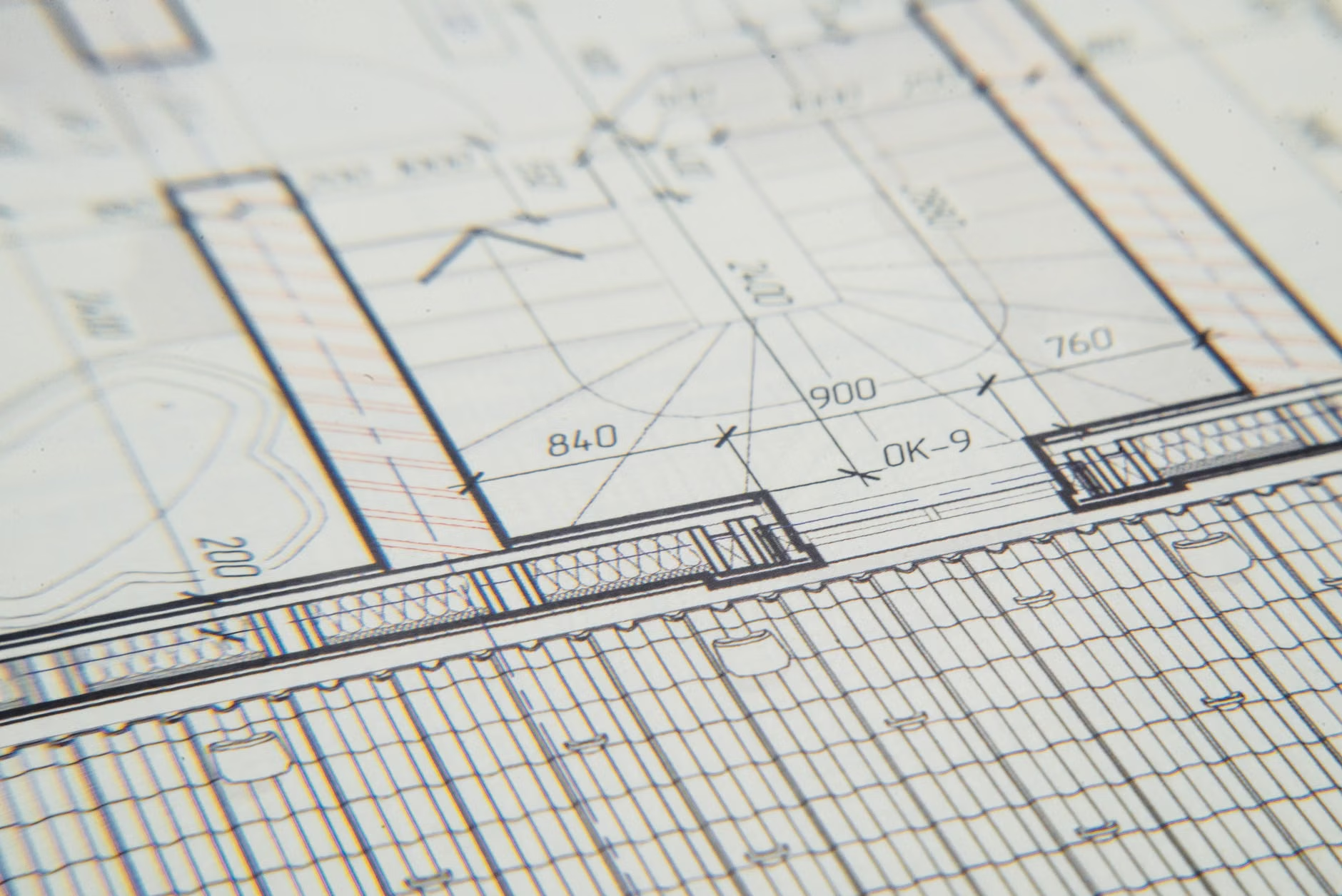
One of the most important developments for 2026 is the “ADU Reform Act” wave seen in many Western jurisdictions. In regions like California (USA) or parts of British Columbia (Canada), local governments have moved to override restrictive zoning that previously prevented homeowners from building secondary units.
What you must do: Before investing in any construction or property modification, visit your local municipal planning office or website. Search for “ADU guidelines” or “secondary suite regulations.” Look for:
- Permitted density: How many units are allowed on your specific lot size?
- Parking requirements: Do you need to provide off-street parking for a tenant?
- Utility connections: Are you required to upgrade your water or electrical service?
The most successful intergenerational arrangements are those that establish clear boundaries early. A common mistake is assuming that “living together” implies “living as one family.” It is essential to maintain clear professional or semi-professional expectations.
Establishing a “Living Agreement”
Draft a written agreement—even if it is with a family member—that covers:
- Quiet hours: When are common areas to be kept quiet?
- Maintenance duties: Who is responsible for snow removal, yard work, or common area cleaning?
- Guest policies: How often are overnight guests allowed?
If you are using a platform, these agreements are often standardized. If you are arranging this privately, do not skip this step. It is the single most effective way to prevent future misunderstandings.
Health and Safety: The Role of Universal Design
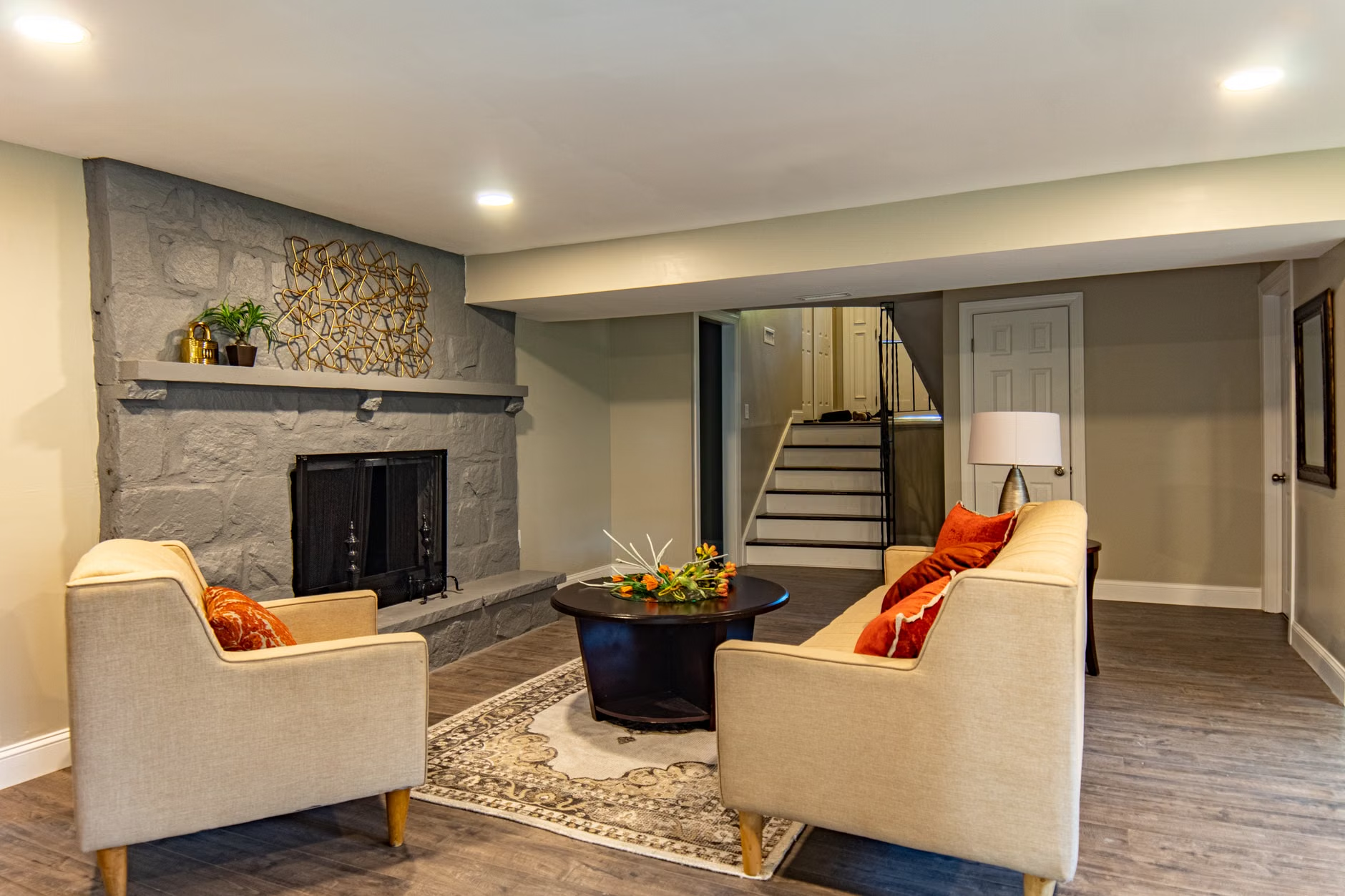
Whether you are building an ADU or renovating a room for a house-mate, prioritize “Universal Design.” This is not just for the elderly; it is design that is usable by all people to the greatest extent possible, without the need for adaptation.
Practical steps for 2026 home modifications:
- Zero-threshold entries: Ensure there are no steps from the driveway to the entrance or from the living room to the patio.
- Lever handles: Replace all round doorknobs with lever-style handles, which are much easier to operate for those with arthritis.
- Task lighting: Install motion-sensor lights in hallways and bathrooms to prevent falls during the night.
Addressing Common Misconceptions
A frequent misconception is that intergenerational housing is a “last resort” for those who cannot afford to live alone. In reality, in 2026, we are seeing a shift toward “intentional community living.” Many seniors are choosing these models to combat the health risks associated with social isolation, which research has linked to increased blood pressure and cognitive decline. By living in a community with younger people, seniors often find themselves more engaged with current technology, local trends, and daily social stimulation.
The Trade-off of Privacy
The primary trade-off is privacy. If you are a person who deeply values complete control over your environment and total solitude, purpose-built co-living complexes with shared kitchens might feel intrusive. In such cases, an ADU on your own property, where you have total control over the exterior and your own entrance, is a superior choice.
Future-Proofing Your Living Situation
As you plan for your living situation in 2026 and beyond, think in five-year increments. A living arrangement that works perfectly today may not be suitable if your mobility decreases or if your health needs change.
Checklist for long-term suitability:
- Accessibility: Can this home be reached by public transport or specialized senior shuttles?
- Flexibility: Can the space be easily modified for medical equipment (e.g., a hospital bed or wheelchair)?
- Financial Sustainability: Is your housing cost fixed, or is it subject to unpredictable rent increases?
By taking a proactive approach to housing, you can ensure that your home remains a source of comfort and connection rather than a burden. Always consult with a local housing counselor or a financial advisor who specializes in senior living before making significant changes to your property or lease agreements.
Frequently Asked Questions
- Is intergenerational housing only for those who are struggling financially?
No. While it can be a cost-effective strategy, many seniors choose these models for the social, intellectual, and safety benefits of living in a diverse community. It is a proactive lifestyle choice for many. - How do I find a safe person to share my home with?
In 2026, use reputable, established platforms that perform identity verification, criminal background checks, and reference checks. Never rely on informal social media postings for housing arrangements. - Do I need a lawyer to draft a home-sharing agreement?
While it is not always legally required, it is highly recommended to have a professional review any long-term rental or co-ownership agreement to ensure your rights and assets are protected under local tenancy laws.
For further information on housing rights and local zoning, please refer to official government resources such as the U.S. Department of Housing and Urban Development (HUD) or your local municipal housing authority website. Always verify rules specific to your city, as zoning laws vary significantly by region.