- Social Synergy: Community birdwatching transforms a solitary hobby into a structured social activity, reducing isolation by providing a shared goal that fosters conversation without the pressure of small talk.
- Cognitive Engagement: The hobby acts as a “moving meditation,” requiring sustained focus, pattern recognition, and auditory processing, which are vital for maintaining cognitive agility in later life.
- Accessibility and Pacing: Birdwatching is highly adaptable to varying levels of mobility; it can be enjoyed through stationary observation in accessible parks or through organized group outings with pre-planned routes.
Community birdwatching is far more than a simple pastime of identifying species in the sky. For adults aged 60 to 80, it represents a unique intersection of physical activity, cognitive stimulation, and, most importantly, meaningful social integration. In an era where social isolation is increasingly recognized as a significant health risk for older populations, the structured nature of birdwatching groups offers a predictable yet stimulating environment for human connection.
The Social Architecture of Birdwatching Groups
Unlike many social clubs that rely on conversation to drive interaction, birdwatching provides a “third object” of focus. When individuals gather to observe birds, the focus is external. This removes the social anxiety often associated with forced interaction. You are not there to perform socially; you are there to observe nature, and the conversation flows naturally from that shared experience.
For many older adults, the transition from professional life to retirement can create a “social vacuum.” Birdwatching groups fill this by providing a consistent schedule. Whether it is a weekly walk in a local nature reserve or a monthly meeting to share photographs and sightings, these groups offer a sense of belonging to a community with a common purpose.
Common Mistakes to Avoid:
- Overcommitting to strenuous terrain: New members often join groups that hike longer distances than they are comfortable with. Always check the average walking distance and elevation gain of a group’s typical route before committing.
- Ignoring the “social vibe”: Not all groups are the same. Some are highly competitive, focused on “listing” rare species, while others are social-first groups that prioritize tea and conversation. Attend a trial session to see if the pace matches your needs.
- Skipping the post-hike gathering: The most significant social benefits often occur *after* the birding is finished, when the group gathers for coffee or lunch. This is where the real bonding happens.
Cognitive Benefits: The “Moving Meditation” Effect
Birdwatching is an intensive cognitive exercise. It requires the brain to switch rapidly between auditory processing (listening for bird calls) and visual tracking (locating a small, moving subject in a complex background of foliage). This dual-tasking is excellent for neuroplasticity.
When you engage in birdwatching, you are practicing sustained attention. You must remain still and quiet, observing subtle movements. This is a form of mindfulness. Unlike the passive consumption of television, birdwatching demands active engagement. The effort required to identify a bird—consulting field guides, comparing visual markers, and recalling calls—keeps the brain sharp and focused.
Practical Steps to Start Your Birdwatching Journey
- Start with your own environment: Before joining a group, spend time in your own garden or a local park. Familiarize yourself with the common birds in your area. This builds confidence.
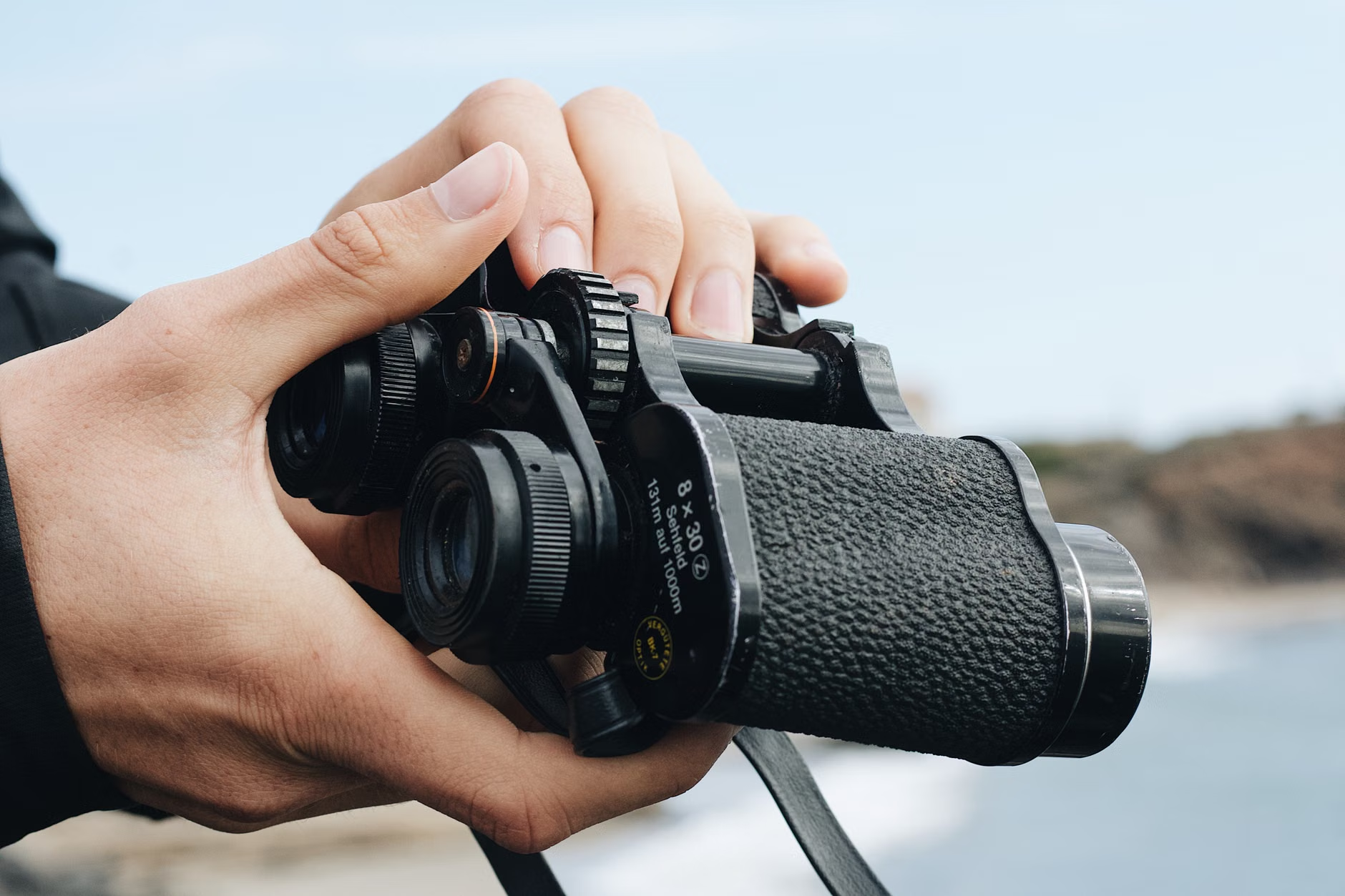
- Equip yourself correctly, not expensively: You do not need professional-grade equipment to start. A standard 8×42 pair of binoculars is generally considered the “sweet spot” for brightness and field of view for older adults.
- Use digital aids carefully: Apps like Merlin Bird ID are incredibly useful, but do not let them replace the joy of observation. Use them as a learning tool, not a shortcut.
Ensuring Mobility and Safety in the Field
Accessibility is a primary concern for many older adults. The good news is that birdwatching is inherently flexible. Many nature centers and parks now offer “accessible birding” trails that are paved, flat, and equipped with frequent seating areas.
Safety Checklist for Outings:
| Category | Recommendation |
|---|---|
| Footwear | Supportive, non-slip walking shoes with ankle support. |
| Pacing | Adopt the “15-minute rule”: stop every 15 minutes to rest, even if you feel energetic. |
| Hydration | Carry a lightweight water bottle; dehydration often goes unnoticed in cool weather. |
| Communication | Ensure your mobile phone is fully charged and you have a contact number for the group leader. |
When choosing a group, prioritize those that explicitly state their accessibility levels. A group that plans routes specifically for seniors will often include considerations like bathroom availability, proximity to parking, and shorter, flatter trails. Never feel pressured to keep up with a faster group; the best birding often happens when you are standing still, not when you are rushing to the next spot.

Integrating Birdwatching into a Healthy Lifestyle
Birdwatching serves as a catalyst for other healthy behaviors. It encourages you to get outdoors, which is essential for Vitamin D synthesis and circadian rhythm regulation. The gentle physical activity—walking on uneven but manageable terrain—improves balance and proprioception, which are critical for fall prevention in older adults.
However, it is important to recognize the limitations. Birdwatching is not a replacement for high-intensity cardiovascular exercise. If your doctor has recommended specific heart-rate-elevating activities, treat birdwatching as a supplemental activity that provides mental and social health, rather than your primary source of physical training.
The “Hidden” Benefits of Community Involvement
Beyond the birds themselves, there is the aspect of citizen science. Many senior birdwatching groups contribute their data to organizations like the Cornell Lab of Ornithology or local conservation groups. Contributing to a larger scientific goal provides a profound sense of purpose. Knowing that your observations help track migration patterns or population health can be incredibly empowering.
Choosing the Right Group for Your Needs
Not all birdwatching groups are created equal. When searching for a local chapter (often associated with organizations like the National Audubon Society in the US, the RSPB in the UK, or local ornithological societies globally), look for specific indicators of a welcoming group:
- Inclusivity: Do they welcome beginners? A good group will have an “introductory bird walk” specifically for those who have never used binoculars.
- Pace: Does the group description mention “leisurely pace” or “strenuous hike”? Always opt for the former if you have any concerns about stamina or mobility.
- Social Structure: Does the group organize social events like potlucks or slideshows? These are excellent ways to integrate into the community without the physical requirements of a hike.
Addressing Potential Challenges and Misconceptions
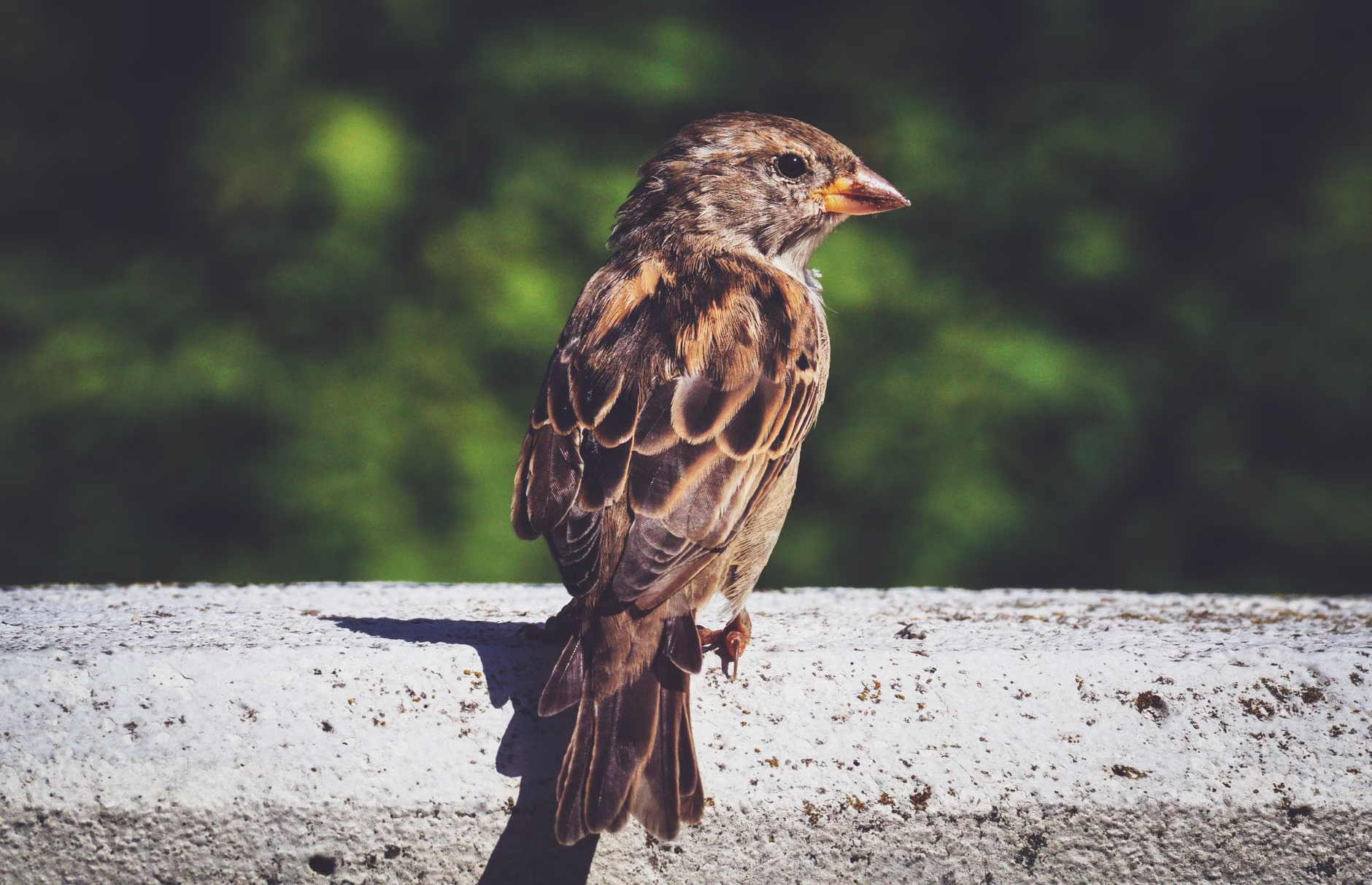
A common misconception is that birdwatching is boring or “too quiet.” In reality, the woods and wetlands are anything but quiet. The auditory experience of birding is a complex soundscape that can be deeply immersive. If you have any concerns about hearing, consider using an app that visualizes bird sounds, or simply enjoy the visual beauty of the birds. You do not need to hear every chirp to enjoy the hobby.
Another challenge is the technical aspect of optics. If you have arthritis or find holding binoculars heavy, look for “chest harnesses.” These transfer the weight of the binoculars from your neck to your shoulders, making them significantly more comfortable to carry for extended periods.
Conclusion: Taking the First Step
The social benefits of community birdwatching are rooted in the fact that it is a shared, low-pressure, and intellectually stimulating activity. By focusing on the natural world, you create a space for yourself to grow, learn, and connect with peers in a way that feels organic and rewarding. Start small—perhaps by placing a bird feeder in your yard or visiting a local park—and reach out to a local group when you feel ready to share the experience with others. The birds are always there, and so is the community, waiting to welcome you.
Frequently Asked Questions (FAQ)
1. Do I need expensive equipment to join a birdwatching group?
No. Most groups encourage beginners to start with modest equipment. Many nature centers even offer “loaner” binoculars for use during group outings. It is better to start with a basic pair to see if you enjoy the activity before investing in higher-end optics.
2. What if I have limited mobility? Can I still participate?
Absolutely. Many birdwatching groups offer “stationary” sessions or “accessible trail” walks. These are designed for people who prefer or require shorter, flatter routes with plenty of places to sit. Always ask the group organizer about the terrain and pace of a specific outing before you attend.
3. How do I find a reputable birdwatching group in my area?
Start by searching for local chapters of national birding organizations (such as the RSPB in the UK, the Audubon Society in the US, or BirdLife International affiliates globally). Alternatively, check community notice boards at local parks, libraries, or botanical gardens. These institutions often host or sponsor local nature clubs.
Disclaimer: This article is for informational purposes only and does not constitute medical advice. Always consult with your healthcare provider before starting a new physical activity, especially if you have existing health conditions or mobility concerns.