- Prioritize Infrastructure: Always verify the existence of “paved” or “hard-packed” pathways rather than gravel or sand, which significantly impact mobility and fatigue.
- Heat Management: Tropical climates require a strict “1-hour activity, 20-minute rest” protocol to prevent heat exhaustion and maintain stamina throughout your tour.
- Accessibility Verification: Do not rely on generic “accessible” labels; check for specific amenities like wheelchair-friendly restroom proximity and the availability of electric golf cart rentals.
Introduction: The Intersection of Tropical Beauty and Senior Mobility
Tropical gardens offer unparalleled sensory experiences, from the vibrant colors of exotic flora to the soothing sounds of cascading water features. However, for travelers aged 60 to 80, the combination of high humidity, uneven natural terrain, and vast garden layouts requires a strategic approach to planning. This guide provides a framework for selecting and navigating tropical garden tours while prioritizing safety, stamina, and accessibility.
The goal of a garden tour should be enjoyment and rejuvenation, not a test of physical endurance. By understanding the nuances of tropical infrastructure—such as the difference between “accessible” and “mobility-friendly”—you can make informed decisions that align with your personal energy levels and physical requirements.
Evaluating Accessibility: Beyond the “Accessible” Label
In the travel industry, the term “accessible” is often used broadly. For a senior traveler, it is essential to distinguish between a venue that is merely “wheelchair accessible” (meeting minimal legal building codes) and one that is “senior-friendly.”
1. The Surface Material Test
The primary factor affecting mobility in tropical gardens is the ground surface. Many gardens utilize natural elements that, while beautiful, are hazardous for those with balance concerns or limited mobility.
- Hard-packed Gravel: Often shifts underfoot, posing a trip hazard.
- Natural Earth/Mulch: Becomes slippery when damp due to tropical humidity or rain.
- Paved/Concrete/Boardwalks: The gold standard for stability.
Practical Step: Before booking, contact the garden directly and ask, “Are your primary walking paths paved with concrete or asphalt, or are they natural soil and gravel?” If the response is the latter, inquire about the availability of alternative transport like electric shuttles.
2. The Slope and Gradient Factor
Tropical landscapes often feature dramatic elevation changes to create waterfalls or panoramic views. A moderate slope can become a significant obstacle if it spans a long distance. Look for garden maps that indicate “Accessible Routes” specifically designed to avoid steep inclines. A gradient of more than 5% is generally considered difficult for those using canes or walkers without assistance.
Heat Management: Sustaining Energy in the Tropics
Tropical climates are characterized by high temperatures and humidity levels that can accelerate fatigue and increase the risk of dehydration. Unlike temperate climates, where you might walk for two hours straight, tropical garden tours require a “rest-first” strategy.
| Condition | Recommended Action | Why it Matters |
|---|---|---|
| Humidity > 70% | Schedule tour for 8:00 AM – 10:30 AM | Avoids peak solar radiation and heat build-up. |
| Walking Distance > 1km | Plan for 20-minute rests every 45 mins | Prevents core body temperature spikes. |
| Limited Shade | Utilize handheld parasols or UV-blocking umbrellas | Reduces direct heat load on the body. |
Insight: Humidity restricts the body’s ability to cool down through sweat evaporation. When you feel “sticky” or overly warm, your body is already signaling a need for immediate shade and hydration. Do not wait for thirst; carry a water bottle with an electrolyte additive if you are prone to fatigue.
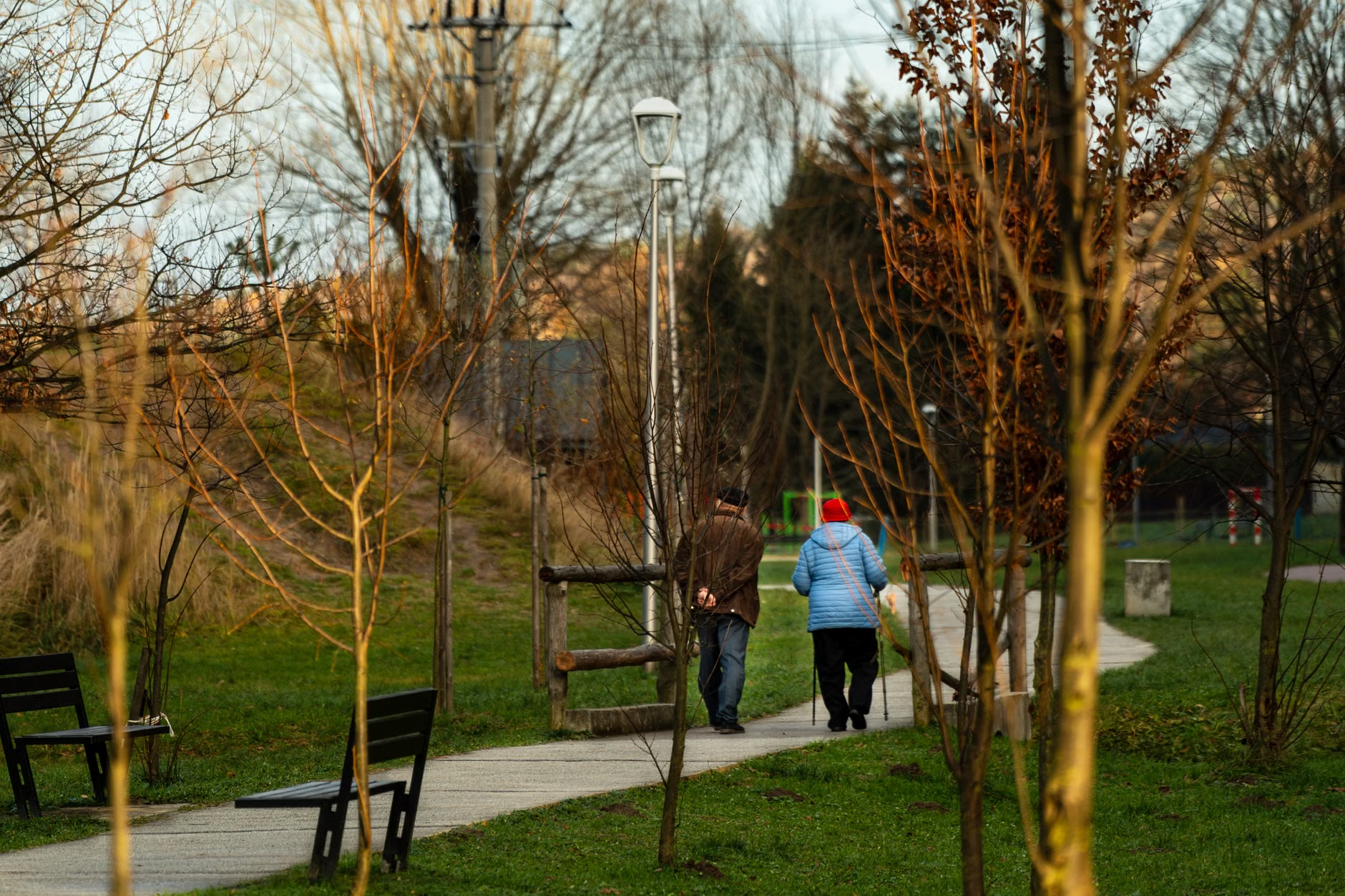
Logistics: Ensuring Comfort and Convenience
Selecting the right tour operator or garden venue involves assessing the infrastructure supporting your visit. Consider the following checklist when evaluating a potential destination:
The “Restroom Proximity” Rule
Large botanical gardens can span hundreds of acres. A common mistake is assuming that restrooms are evenly distributed. Always request a map that highlights the locations of accessible restrooms. If a garden is vast, ensure there is a central hub where you can return easily if you experience sudden fatigue.
Electric Cart Availability
Many world-class tropical gardens offer electric golf carts for rent. This is often the best investment for a senior traveler. It allows you to traverse the “must-see” areas of the garden without exhausting your energy, saving your stamina for strolling through smaller, more intimate garden sections on foot.
Transport and Arrival Logistics
How you reach the garden is just as important as the visit itself. Avoid public buses that require long walks from the stop to the entrance. Opt for private transfers or taxis that can drop you off at the “Main Entrance” or “Visitor Center.” Verify that the drop-off point is level and does not require climbing steps.
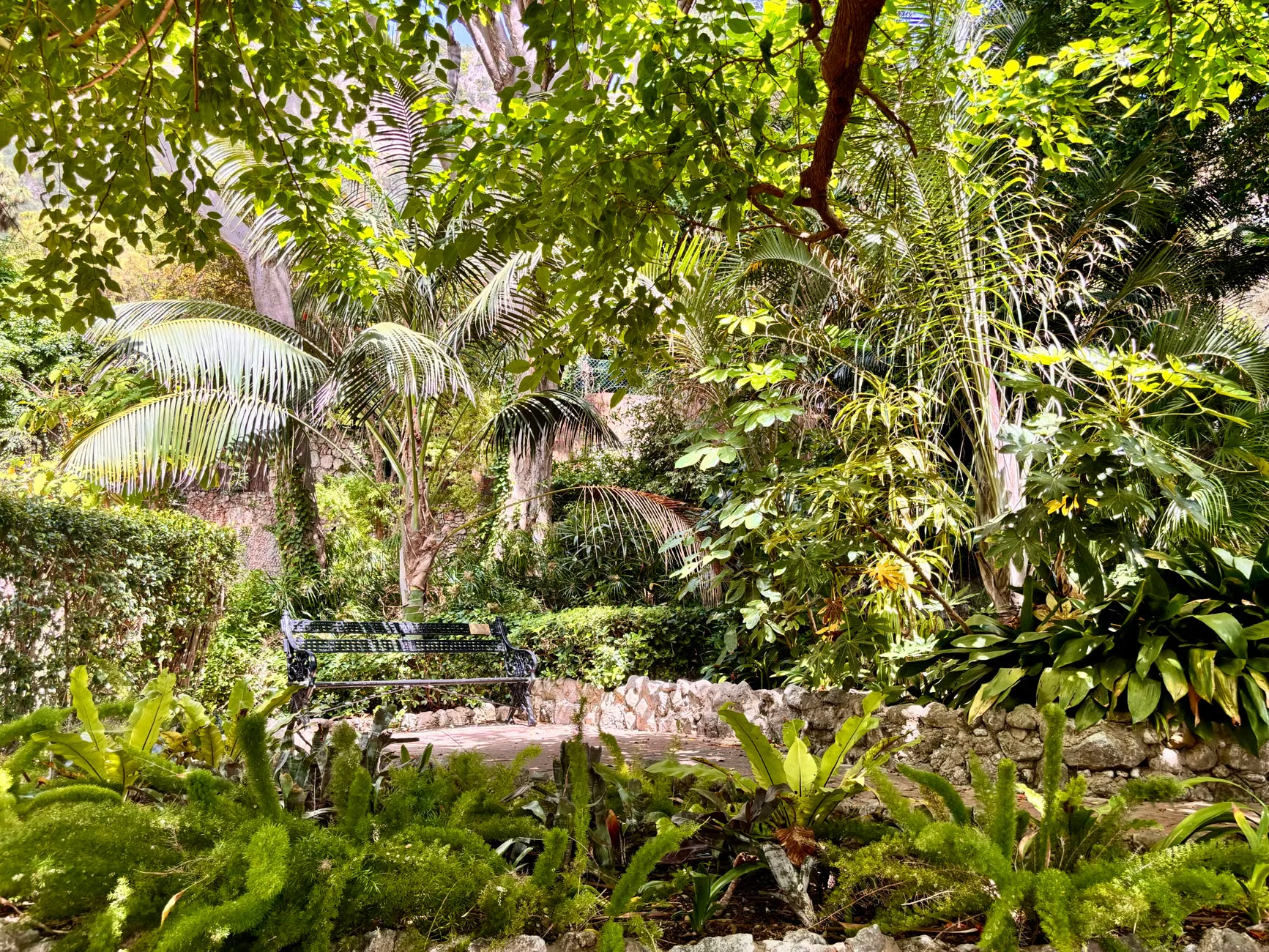
Preventive Health: Preparing for the Environment
Tropical travel involves specific environmental considerations that require proactive management. These are not medical diagnoses, but practical steps to ensure your well-being.
Managing Medications in Heat
High temperatures can affect the efficacy of certain medications, particularly those that are heat-sensitive or that influence your body’s ability to regulate temperature (such as diuretics or beta-blockers). Keep your medications in an insulated bag with a small ice pack if you are spending the full day outdoors.
The “Early-Exit” Strategy
Always have an “Exit Strategy.” Before starting your tour, identify the location of the nearest exit, the availability of staff to call for assistance, and the contact number for a reliable car service. Knowing you have a quick way out significantly reduces anxiety, allowing you to enjoy the garden more fully.

Structuring Your Tropical Garden Itinerary
Instead of cramming multiple gardens into one day, adopt a “One Major Site” policy. A high-quality visit to one garden—taking your time to sit, observe, and enjoy the atmosphere—is far more rewarding than rushing through three sites while exhausted.
Sample Half-Day Itinerary
- 08:30: Arrival via taxi/private car.
- 08:45: Rental of an electric cart or mapping of the “Flat Path” route.
- 09:00 – 10:00: Garden exploration (focus on the primary display area).
- 10:00 – 10:30: Scheduled rest at a shaded cafe or pavilion.
- 10:30 – 11:30: Secondary exploration or visit to the gift shop/nursery.
- 11:30: Departure before the mid-day heat peak.
Common Pitfalls and How to Avoid Them
Many seniors overlook the “Hidden Inconvenience” of tropical gardens: the transition between different ecosystems. A garden might have a “Rainforest Section” that is humid and steep, and a “Desert Section” that is dry and sandy. Research the specific zones of the garden before you go.
Another common mistake is wearing heavy footwear. In tropical gardens, breathable, well-cushioned walking shoes with excellent grip are essential. The humidity can make even flat surfaces feel slick, so avoid flat-soled sandals that provide no arch support or traction.
Conclusion: Choosing Your Pace
Accessible garden tours are defined by the level of control you have over your environment. Whether you are traveling solo, with a partner, or with a caregiver, the key is to prioritize venues that offer clear information, flat surfaces, and frequent rest opportunities. By selecting your destinations based on these practical criteria, you can enjoy the splendor of tropical nature without compromising your safety or comfort.
For more information on accessible tourism standards, you can refer to the World Tourism Organization (UNWTO) guidelines on accessible tourism, which outline the importance of universal design in travel destinations.
Frequently Asked Questions (FAQ)
1. How do I find out if a garden is truly accessible before I arrive?
Do not rely solely on website descriptions. Email the garden’s visitor services team directly. Ask specifically for a “mobility map” or photos of their primary pathways. If they cannot provide these, it is a sign that the facility may not be fully equipped for those with mobility challenges.
2. What should I include in my “Garden Day Bag”?
Pack a lightweight, insulated water bottle, a small handheld fan, an umbrella (for sun protection), a list of your medications, a copy of your travel insurance, and a small snack. Keep this bag as light as possible to minimize the strain on your back and shoulders.
3. Are guided tours better than self-guided tours for seniors?
Guided tours can be excellent if the guide is aware of your mobility needs. When booking, inform the tour operator of your pace requirements. If you prefer to set your own schedule, a self-guided tour with an electric cart rental is often the superior choice, as it allows you to stay as long as you like in areas you find particularly beautiful or comfortable.