- Biotin (Vitamin B7) is a water-soluble vitamin essential for converting food into energy and maintaining the structural integrity of skin and hair.
- For most healthy adults, a balanced diet is sufficient to meet biotin needs; deficiency is rare but can be triggered by specific medications or digestive conditions.
- Before starting high-dose biotin supplements, consult your physician, as they can interfere with critical diagnostic blood tests, such as those for heart health or thyroid function.
Understanding Biotin and Its Role in Your Wellbeing
Biotin, also known as Vitamin B7 or Vitamin H, is a crucial water-soluble member of the B-complex vitamin family. Unlike fat-soluble vitamins that the body stores in the liver or fatty tissues, water-soluble vitamins are not stored in significant amounts. This means your body requires a consistent, daily intake through the foods you consume to maintain optimal levels.
In the context of healthy aging, biotin serves as a vital coenzyme—a substance that works with enzymes to accelerate chemical reactions in the body. Specifically, it plays a leading role in the metabolism of carbohydrates, fats, and proteins. By converting the macronutrients in your meals into usable energy, biotin ensures that your body’s cellular functions remain efficient.
For adults aged 60 to 80, the focus on biotin often shifts toward its role in maintaining skin elasticity and hair structure. While many advertisements suggest that high-dose biotin is a “miracle” for hair growth, the reality is more nuanced. Biotin supports the production of keratin, a protein that forms the structural basis of your hair, skin, and nails. When your body has adequate biotin, these tissues are better equipped to maintain their integrity against the natural stresses of aging.

How Aging Affects Your Nutritional Requirements
As we navigate our 60s, 70s, and 80s, our physiological needs evolve. Changes in digestive efficiency, the use of chronic medications, and shifts in metabolic rate can impact how we absorb and utilize vitamins, including biotin. It is important to recognize that “aging” is not a uniform experience; your specific nutritional status depends heavily on your lifestyle, existing health conditions, and dietary habits.
The Impact of Digestive Health
Biotin is naturally produced by the bacteria in your gut (the microbiome). However, as we age, changes in the gut environment or the use of medications that alter stomach acidity can affect both the production and absorption of this vitamin. If you have a history of gastrointestinal issues, such as inflammatory bowel disease or chronic malabsorption, your requirement for biotin may be higher than that of the general population.
Medication Interactions
Certain medications commonly prescribed to older adults can interfere with biotin levels. For instance, some anticonvulsants (used for epilepsy or nerve pain) and long-term antibiotic use can deplete your body’s biotin stores. If you are taking any of the following, it is worth discussing your nutrition plan with your healthcare provider:
- Anticonvulsants: Such as carbamazepine or phenytoin.
- Long-term Antibiotics: These can reduce the population of gut bacteria that synthesize small amounts of biotin.
- Diuretics: While primarily affecting other electrolytes, they can impact overall metabolic stability.
Identifying the Signs of Deficiency
True biotin deficiency is medically rare in developed nations because the vitamin is present in a wide variety of common foods. However, “subclinical” deficiency—where levels are low but not critically absent—can manifest in ways that are often attributed simply to “getting older.”
Common symptoms to monitor include:
- Hair Thinning: Often characterized by a loss of hair luster or increased shedding.
- Skin Rashes: Particularly red, scaly rashes around the eyes, nose, and mouth.
- Brittle Nails: Nails that split or break easily.
- Neurological Fatigue: Lethargy or mild depression, though these are non-specific and can be caused by many other factors.
Important: If you notice sudden or severe changes in your hair or skin, do not assume a nutritional deficiency. These signs can also indicate thyroid dysfunction, autoimmune conditions, or hormonal changes. Always seek a professional evaluation to rule out underlying medical issues before attempting to “fix” the problem with supplements.
Prioritizing Dietary Sources Over Supplements
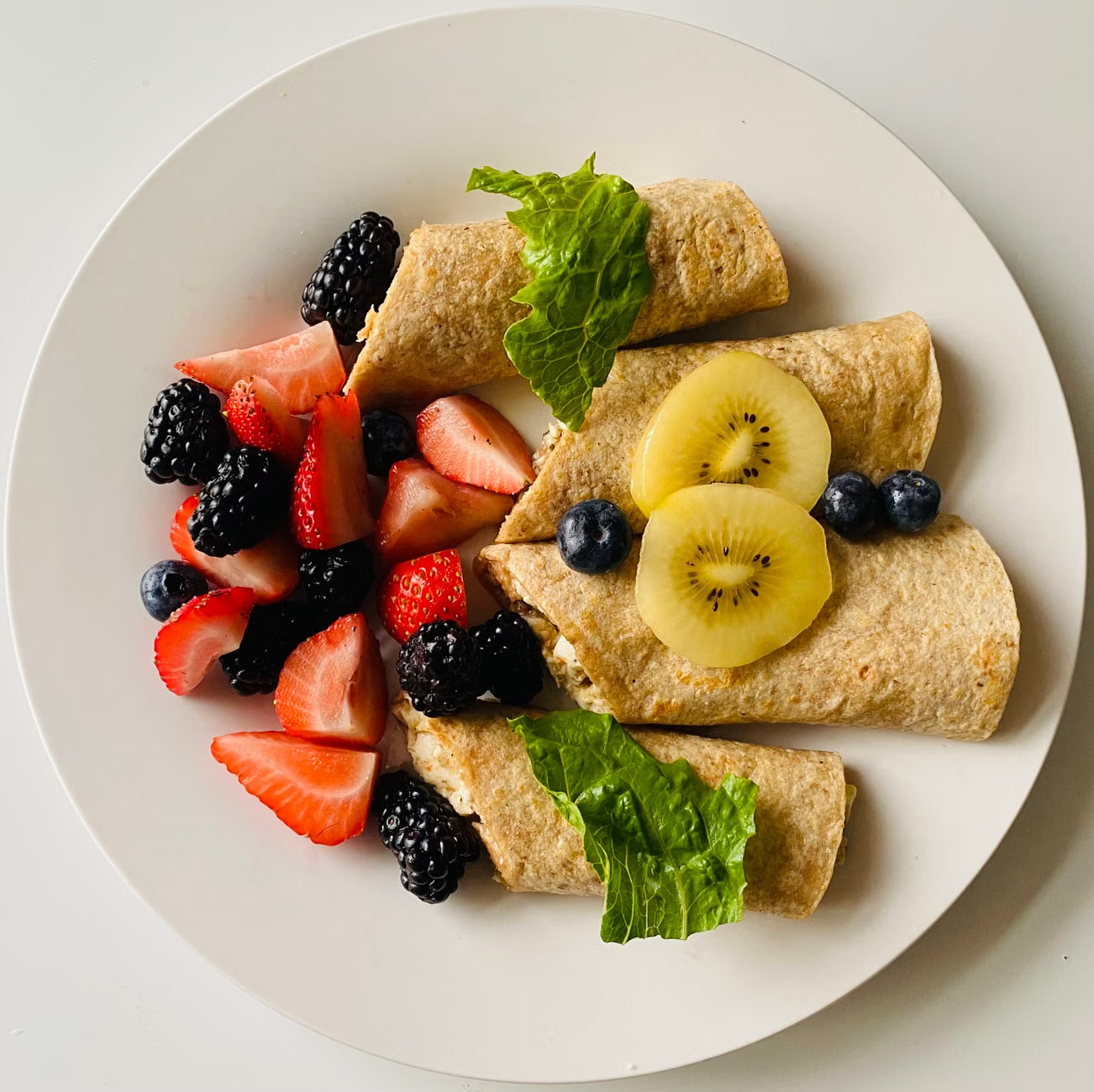
The most effective way to maintain biotin levels is through a diverse, nutrient-rich diet. Because biotin is found in such a wide range of foods, eating a varied diet almost guarantees you will meet your daily requirements without the need for pills.
| Food Source | Why It Is Beneficial | Practical Serving Suggestion |
|---|---|---|
| Egg Yolks | One of the richest sources of biotin. | Enjoy one or two eggs a few times a week. |
| Legumes | High in fiber and plant-based protein. | Add lentils or chickpeas to soups or salads. |
| Nuts & Seeds | Contain healthy fats and vitamin E. | A small handful of almonds or sunflower seeds as a snack. |
| Organ Meats | Extremely high concentration of biotin. | Liver (e.g., chicken or beef) once or twice a month. |
| Sweet Potatoes | Provides beta-carotene for skin health. | Roasted or mashed as a side dish. |
Note on Egg Consumption: It is important to note that raw egg whites contain a protein called avidin, which binds to biotin and prevents its absorption. Always cook your eggs thoroughly to deactivate the avidin and ensure you are getting the full nutritional benefit of the biotin in the yolk.
The Hidden Risks of High-Dose Biotin Supplements
Many over-the-counter “hair, skin, and nail” vitamins contain biotin doses that are significantly higher—sometimes 100 to 500 times higher—than the daily adequate intake. While the body generally excretes excess biotin through urine, these high doses pose a significant risk that most people are unaware of: Laboratory Interference.
Biotin supplements can interfere with common diagnostic blood tests. They can lead to falsely low results for cardiac markers (like troponin, used to diagnose a heart attack) or falsely high results for thyroid hormones (like TSH, T3, and T4). This is a critical safety issue. If you take a high-dose biotin supplement and have a medical emergency, a laboratory may misinterpret your test results, potentially leading to a misdiagnosis or the wrong treatment.
How to Prepare for Medical Appointments
If you are currently taking a supplement containing biotin, follow these steps to ensure your medical care remains safe and accurate:
- Maintain a Medication List: Always bring a list of your vitamins and supplements to every doctor’s appointment. Do not assume your doctor knows you are taking them.
- The “Three-Day Rule”: Most experts recommend stopping high-dose biotin supplements at least 72 hours before any scheduled blood work.
- Ask Specifically: When scheduling a blood test, ask: “I take a biotin supplement. Will this interfere with the tests being performed today?”
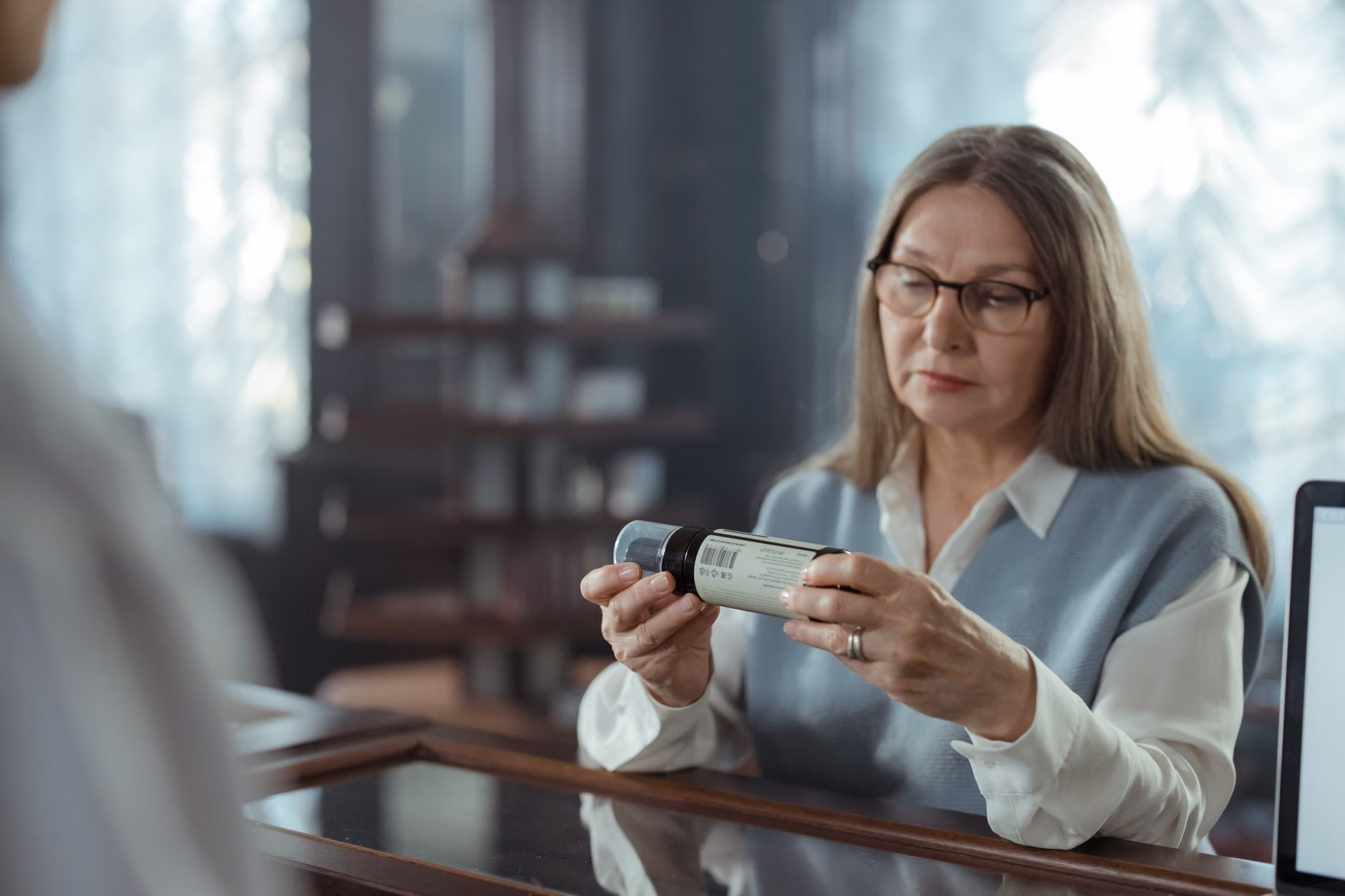
When you walk into a pharmacy or health food store, the sheer volume of supplements can be overwhelming. If your doctor has recommended a supplement due to a diagnosed deficiency, prioritize products that have been independently verified for quality and accuracy.
Look for labels from third-party testing organizations such as:
- USP (United States Pharmacopeia)
- NSF International
- ConsumerLab
These organizations test to ensure that the product actually contains the ingredients listed on the label and is free from contaminants. Avoid purchasing “proprietary blends” where the exact dosage of each ingredient is hidden, as this makes it impossible to know how much biotin you are truly consuming.
Beyond Nutrition: A Holistic Approach to Skin and Hair
While biotin is a piece of the puzzle, your skin and hair health are influenced by a much broader range of factors. As we age, the skin’s natural production of collagen and oils decreases, and hair follicles may shrink. Relying solely on a supplement to reverse these natural processes is often ineffective and ignores the root causes.
Environmental and Lifestyle Factors
- Hydration: Skin elasticity is heavily dependent on systemic hydration. Drinking water throughout the day is more effective for skin health than any topical cream.
- Sun Protection: Ultraviolet radiation is the number one cause of premature skin aging. A broad-spectrum sunscreen with an SPF of at least 30 is your most effective “anti-aging” tool.
- Gentle Cleansing: As skin becomes thinner, harsh soaps can strip away natural oils. Switch to pH-balanced, gentle cleansers that do not leave the skin feeling “tight.”
- Scalp Health: Hair health starts at the scalp. Massaging the scalp gently can increase blood flow to the hair follicles, potentially supporting healthier growth cycles.
The Role of Professional Care
There is a point at which nutritional strategies are no longer sufficient. If you are experiencing significant hair loss (alopecia), sudden skin changes, or persistent dryness that causes cracking or bleeding, it is time to consult a dermatologist or your primary care physician.
When you visit a specialist, be prepared to describe the timeline of your symptoms. Use a journal to track:
- When you first noticed the change.
- Whether you have changed any products (shampoos, soaps, laundry detergents).
- Recent changes in your medication or diet.
- Any other systemic symptoms, such as unintended weight loss, fatigue, or cold intolerance.
By providing a clear history, you allow the medical professional to distinguish between a simple nutritional need and a more complex health condition that requires specific clinical intervention.
Conclusion: A Balanced Perspective
Biotin is an essential nutrient that plays a quiet but vital role in your metabolism and the maintenance of your hair and skin. However, for the vast majority of older adults, a balanced diet rich in eggs, legumes, nuts, and whole grains provides more than enough biotin to support these functions. The allure of high-dose supplements is often driven by marketing rather than clinical necessity. By focusing on food-first nutrition, protecting your skin from the elements, and maintaining an open dialogue with your healthcare providers about any supplements you use, you can support your wellbeing in a way that is both safe and effective.
Remember that your skin and hair are mirrors of your overall systemic health. Rather than searching for a single “magic pill,” focus on the daily habits—hydration, sun protection, and a varied diet—that support your body from the inside out. Your health is a long-term investment, and the most effective strategies are those that are sustainable, affordable, and evidence-based.
Frequently Asked Questions
1. Can biotin reverse hair loss in seniors?
Biotin can only improve hair thinning if the loss is directly caused by a biotin deficiency. If your hair loss is due to genetics, hormonal shifts, or other medical conditions, biotin supplementation will likely have little to no effect. Always consult a dermatologist to identify the cause of hair changes.
2. Is there a safe upper limit for biotin intake?
The National Institutes of Health (NIH) has not established a Tolerable Upper Intake Level (UL) for biotin because there is little evidence of toxicity even at high doses. However, the primary risk is not toxicity, but rather the interference with medical laboratory testing. Always inform your doctor if you are taking supplements.
3. Should I take a multivitamin that contains biotin?
Most standard daily multivitamins contain a safe, moderate amount of biotin that aligns with recommended daily intake levels. These are generally safer than isolated, high-dose biotin supplements. If you choose a multivitamin, check the label to ensure the biotin content is within a reasonable range (usually 30 to 100 micrograms) rather than the milligram-level doses found in “hair and nail” specialty supplements.
Sources and Further Reading: