- Beyond Traditional Care: The 2026 shift prioritizes “co-living” over “care-living,” focusing on social health and mutual support rather than medicalized dependency.
- Financial Viability: Intergenerational models can significantly reduce individual living costs by sharing utility, maintenance, and space expenses with younger residents.
- Due Diligence is Mandatory: Before entering a contract, verify the specific legal structure—whether it is a cooperative, lease-based, or equity-sharing model—as these dictate your long-term rights and exit strategy.
The Evolution of Living Arrangements: A 2026 Overview
As we move through 2026, the concept of “aging in place” is being redefined. Rather than remaining in a solitary family home that may become physically or socially isolating, many older adults are shifting toward intergenerational housing models. This trend is not merely a social experiment; it is a calculated response to rising urban living costs, the need for social connectivity, and the desire for greater autonomy.
Intergenerational housing in 2026 encompasses a variety of structures where residents of different ages—often students, young professionals, and retirees—live in the same building or community. The goal is to create a symbiotic environment where older adults provide mentorship or stability, and younger residents offer social engagement or assistance with digital tasks and heavy lifting.

Why Intergenerational Housing is Gaining Momentum
The primary driver for this shift is the dual challenge of loneliness in the senior population and the housing affordability crisis for younger generations. In 2026, several international studies have highlighted that social isolation is as significant a health risk as smoking or obesity. By integrating age groups, these housing models address the “hidden” costs of aging: the loss of social networks and the decline in cognitive stimulation.
1. Social Health and Cognitive Engagement
Living in a multi-generational environment provides constant, low-stakes social interaction. Unlike structured programs or organized classes, these interactions happen organically—in the laundry room, the communal kitchen, or the shared garden. This “passive socialization” has been shown to improve mood and delay cognitive decline by keeping the brain engaged with diverse perspectives and current cultural trends.
In 2026, the most successful models are those that treat housing as a service. By sharing the cost of high-speed internet, landscaping, security, and cleaning services, individual monthly outlays are reduced. For an older adult on a fixed pension, this allows for the maintenance of a high quality of life without the burden of full-home ownership expenses.
3. Physical Security and Digital Support
Modern intergenerational buildings are equipped with “smart” infrastructure. Younger residents, often more comfortable with new technology, frequently assist older neighbors with setting up telehealth portals, managing smart-home security systems, or troubleshooting connectivity issues. This creates a safety net without the need for intrusive, professional home-care services in the early stages of aging.
Evaluating the Different Models
Not all intergenerational housing is the same. To make an informed decision, you must understand the legal and operational structure of the facility you are considering.
| Model Type | Primary Benefit | Best For |
|---|---|---|
| Co-housing | Strong community governance | Those who want to participate in decision-making |
| Service-Integrated | Low maintenance burden | Those prioritizing convenience and professional support |
| Home-Sharing/Room-Rental | Cost-effectiveness | Those with excess space in a private home |
Co-housing: The Participatory Approach
In a co-housing model, residents own or lease private units but share extensive common areas. The culture is built on consensus. If you are someone who enjoys being part of a community board or planning neighborhood events, this is likely the most fulfilling option. However, be aware that this model requires a high level of social energy and conflict-resolution skills.
Service-Integrated Communities: The Hands-Off Approach
These are often professional developments where a portion of the units is reserved for students or low-income workers in exchange for a rent subsidy or a community-contribution requirement. These facilities are usually managed by a third party. The benefit here is that you do not have to manage the community dynamics yourself; you simply enjoy the amenities and the social atmosphere.
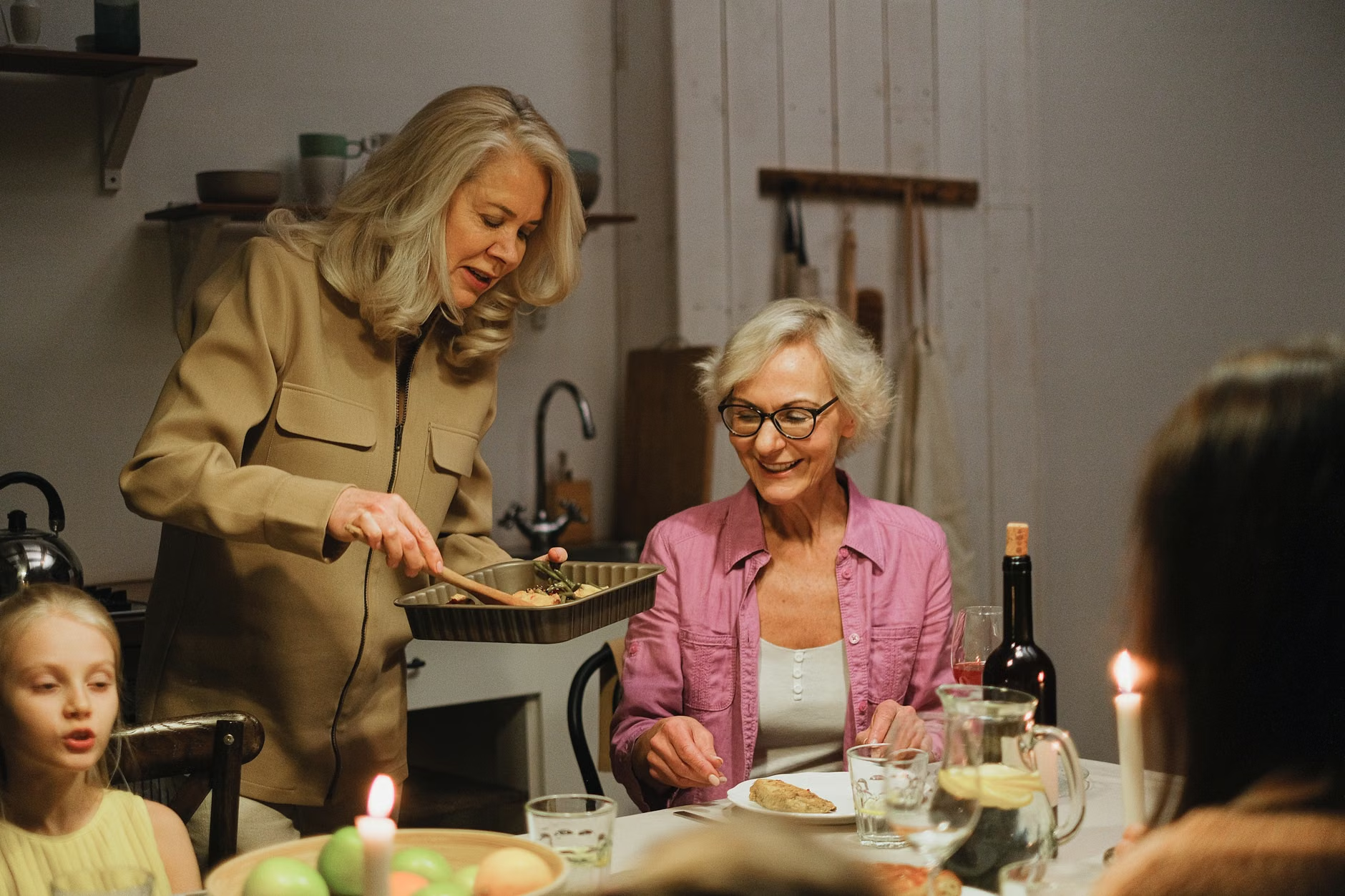
Deciding to move into an intergenerational space requires careful planning. It is not just about the real estate; it is about the lifestyle change.
- Assess Your Mobility Needs: Ensure the facility has universal design features—wide doorways, step-free access, and elevators—even if you do not currently require them.
- Review the Contractual Obligations: Does the agreement require you to spend a certain amount of time with younger residents? Is there a “service exchange” clause? Understand these requirements clearly before signing.
- Test the Environment: Many communities offer short-term stays. Spend a week in the facility to observe the noise levels, the cleanliness of shared areas, and the general temperament of the residents.
- Consult with Family: If you have family caregivers, discuss how this move affects their role. In many cases, it reduces their burden, but it may also change how they provide support.
Common Pitfalls and How to Avoid Them
One of the most common mistakes is assuming that all residents in an intergenerational community will have the same values. In reality, you are living with a diverse group of people. Misunderstandings regarding shared space etiquette—such as noise levels, kitchen cleanliness, or the use of communal tools—are frequent. Establish clear, written “house rules” early on. If the community does not have a formal mechanism for resolving these disputes, it may lead to unnecessary stress.
Another overlooked variable is the “turnover rate.” If you are in a model involving university students, expect the community to change every semester or academic year. If you prefer stability and long-term relationships, you may be better suited for a community that prioritizes working professionals or families over transient students.

Financial Planning and Legal Considerations
When considering an intergenerational housing arrangement, the financial structure is paramount. In some countries, such as those in the EU, there are government-subsidized programs that provide tax breaks for homeowners who rent rooms to younger people. In contrast, in the United States or Canada, these arrangements are often private contracts. Always verify if your local jurisdiction recognizes these arrangements as “senior living” or if they are classified as standard rentals. This distinction can significantly impact your legal protections regarding eviction, rent increases, and building maintenance standards.
Furthermore, consider the long-term viability of your investment. If you are purchasing into a co-housing unit, how does the resale market look? Is the community growing, or are there high vacancy rates? Request to see the community’s reserve fund status—this is a clear indicator of how well the property is managed and whether you will face unexpected “special assessments” or maintenance fees in the future.
The Role of Technology in 2026
Technology is the glue that holds many of these modern communities together. In 2026, we see the widespread adoption of “community apps.” These platforms are used to coordinate shared meals, organize carpools, and signal when someone needs help with a minor task, such as changing a lightbulb or carrying groceries. If you are not tech-savvy, look for communities that provide training or have a “tech-buddy” system among the residents. This is a vital component of modern independent living.
Conclusion
The 2026 landscape of intergenerational housing offers a compelling alternative to traditional senior living. By focusing on mutual benefit, shared resources, and social integration, these models allow you to maintain your independence while participating in a vibrant, supportive community. The key to success is approaching this transition as a deliberate lifestyle choice—one that requires you to be proactive about your legal rights, your social expectations, and your long-term mobility needs. As you evaluate your options, focus on communities that offer transparent governance and a clear, sustainable vision for how residents of different ages can live together effectively.
Frequently Asked Questions
- Is intergenerational housing only for those who are healthy and active?
While these communities promote activity, many are designed with universal accessibility in mind. However, they are generally not nursing homes. If you require 24/7 medical or personal care, you should ensure the community can accommodate external home-health providers. - How do I find reputable intergenerational housing near me?
Start by searching local government social service portals or housing authority websites for “co-housing” or “intergenerational pilot programs.” Additionally, websites for non-profit housing cooperatives are excellent resources for finding community-managed living spaces. - What happens if the younger residents move out frequently?
High turnover is a risk in some models. When researching a community, ask about their recruitment process for younger residents. Communities that partner with local universities or professional organizations tend to have a more stable and vetted population.
For further information on housing rights and senior living regulations, please visit your national housing authority website or consult local advocacy groups for seniors.